Homeowners often notice the same pattern: drains that barely registered as an issue during dry weather suddenly back up, overflow or emit foul odours within hours of heavy rainfall. This is not a coincidence, and it is not bad luck. There are specific, well-understood reasons why blocked drains Bacchus Marsh deteriorate so predictably after rain, and understanding those reasons helps you anticipate the problem, take preventive action and know when to call a licensed plumber before a manageable issue becomes a serious one.
What Causes Blocked Drains to Worsen After Rain?
Stormwater Overloading the System
- Rainwater that falls on a property’s roof, driveway and landscaped areas all needs to go somewhere — the stormwater drainage system is designed to collect and disperse this volume
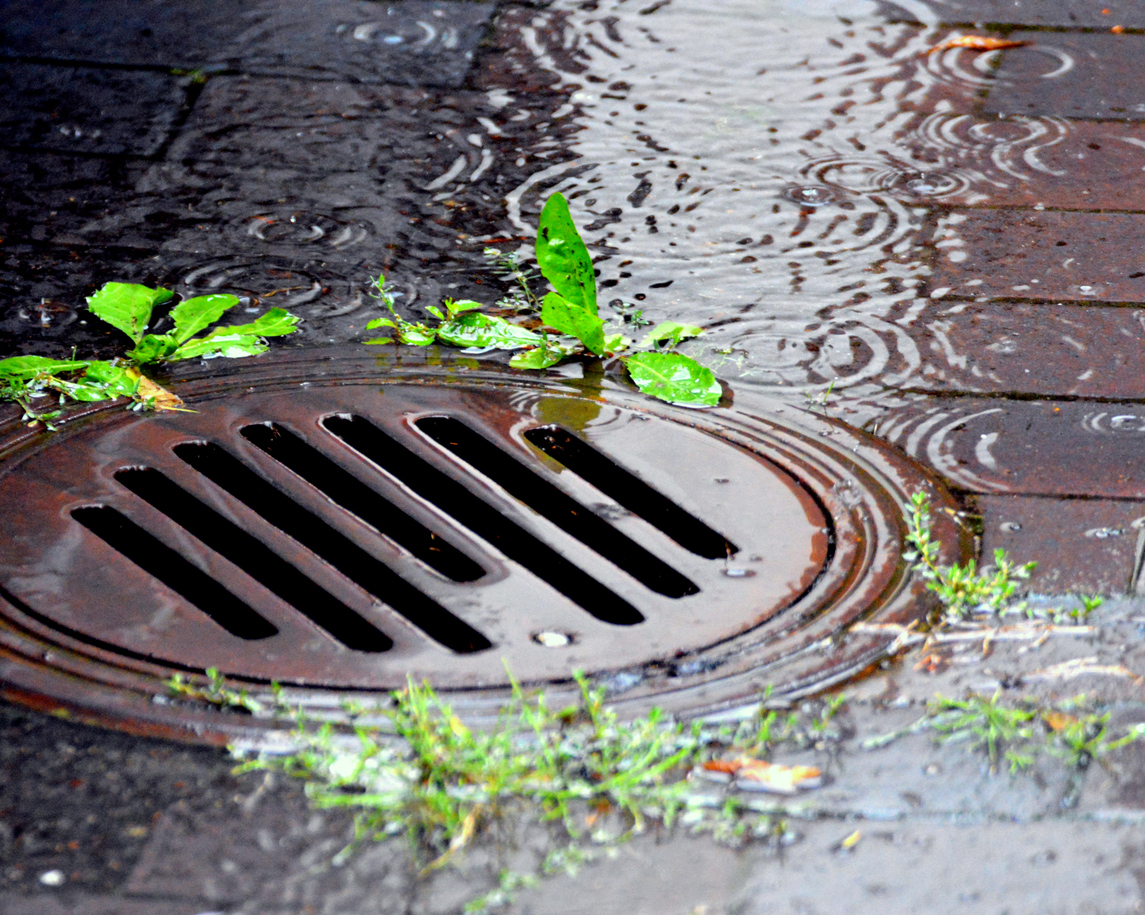
- If leaf litter, debris or sediment has partially or fully blocked a stormwater grate, downpipe, or the underground stormwater line, the system cannot cope with the additional volume that rain brings
- Water backs up and either overflows at ground level (causing ponding against the house or in the garden) or finds its way into low points such as sub-floor areas, garages or laundries
- A partial blockage that allowed slow drainage in dry weather becomes a complete blockage when the volume of water presented to the system quadruples or more during rainfall
Groundwater Infiltration Into the Sewer System
- When the water table rises after rain, saturated groundwater can infiltrate the sewer drain system through cracks, failed joints or tree root entry points
- This is called inflow and infiltration, and it dramatically increases the volume of liquid flowing through the sewer drain — a pipe that carried household wastewater comfortably now has to carry that plus groundwater leaking in from outside
- Even a modest crack in a sewer pipe can admit large volumes of water when the surrounding soil is saturated, because groundwater is under hydrostatic pressure and actively pushes into any available opening
- The additional volume overloads the line, pushing wastewater back up through the lowest available point — usually a floor waste, shower drain or toilet in the property
Tree Root Activity Increases After Rain
- Tree roots follow moisture. During extended dry periods, roots that have already entered a pipe may be relatively compact and allow partial drainage through and around them
- After rainfall, the root mass inside the pipe swells as it absorbs the additional moisture — a root intrusion that allowed a trickle of drainage during dry weather can become a near-complete obstruction within hours of rain
- Additionally, the soft, wet conditions after rainfall encourage active root growth — roots actively extend into pipe cracks and joints that may have been stable during dry conditions
- Bacchus Marsh properties with large established trees (eucalypts, pines and willows are particularly aggressive) adjacent to drain lines experience this pattern predictably after every significant rain event
Surface Debris Flushed Into Drain Entry Points
- Rainfall washes leaves, dirt, mulch, grass clippings and other organic matter toward drain grates, downpipe entrances and kerb-side stormwater inlets
- This debris can pile up against a grate in a single rain event and block what was previously an unobstructed outlet
- Organic matter that enters the drain line itself can accumulate at any existing partial restriction, converting a slow-running drain into a complete blockage rapidly
- Downpipes that discharge into underground stormwater drains are a common entry point for leaves — if the underground section is already partially blocked, the debris introduced during rainfall completes the blockage
Sewer Network Surcharge
- During major rainfall events, the broader sewer network managed by the water authority can itself become overloaded — this is called surcharge
- When the network surcharges, sewage in the main line is at a higher level than usual, which reduces the gradient available for household sewer drains to discharge into the main
- In extreme cases, network surcharge can cause sewage to back up into a property’s drain system, producing the appearance of a blocked drain when the actual cause is external to the property
- If multiple neighbours are experiencing the same issue simultaneously during or after the same rain event, network surcharge is the likely explanation — contact South East Water (the water authority for Bacchus Marsh) to report the issue
Warning Signs to Watch For After Rain
Not every rain-related drain issue presents as an obvious overflow. Knowing the early warning signs allows you to act before a manageable problem becomes an emergency.
Slow Draining Fixtures During or After Rain
- A shower, toilet or sink that drains normally in dry weather but slows noticeably during or immediately after rainfall suggests that groundwater infiltration or stormwater overloading is compressing the hydraulic capacity of the shared drain line
- This is different from a straightforward household blockage — the drain is being slowed by external hydraulic pressure rather than an obstruction between the fixture and the sewer main
Gurgling Sounds from Drains or Toilets
- Gurgling from a drain or toilet that you have not recently used indicates air being pushed back through the trap by backpressure in the drain line
- This is often the first audible sign that the drain line is under higher-than-normal pressure — a precursor to actual backup if the conditions worsen
Water or Sewage Coming Up Through Floor Wastes
- Floor wastes in laundries, bathrooms and garages are the lowest exit point in the drain system — when the drain line is under backpressure, water finds these lowest points first
- Sewage emerging from a floor waste during or after rainfall is a health hazard and requires immediate professional attention
Ponding Water That Does Not Drain Within Hours
- Surface water ponding in low areas of the yard, against the house, or around downpipe outlets that does not drain within a few hours of the rain stopping points to a blocked stormwater drain
- Persistent ponding against the house foundation creates a long-term risk to the structure and should be investigated promptly
Sewage Odours After Rain
- The smell of sewage outside the house after rainfall, particularly in the garden or along the side of the property, often indicates that sewer line joints are leaking under the increased hydraulic pressure
- Groundwater pushing into a cracked sewer line during rain can also displace sewage outward through the same crack, releasing odour to the surface
What to Do When Your Drains Worsen After Rain
The steps you take in the hours after a rain event can make a significant difference to both the outcome and the cost of the remediation required.
Do Not Use Affected Fixtures
- If a toilet, sink or shower is backing up, stop using it immediately — continuing to add water to an overloaded drain system accelerates the overflow and increases the risk of sewage contamination inside the property
- The same applies to laundry appliances and dishwashers — any appliance that discharges to the drain system should be paused until the issue is resolved
Check the Outdoor Inspection Opening
- Locate the sewer inspection opening (IO) in the yard — usually a circular cap at ground level — and open it carefully to check whether it is running full or overflowing
- If the IO is overflowing, the blockage is downstream of the IO in the sewer main or within the property’s main drain run — call a plumber immediately
- If the IO shows normal flow or is empty, the issue is likely within the property’s internal drain lines rather than the external sewer
Clear Visible Stormwater Grates and Downpipe Entrances
- If it is safe to do so, clear leaf litter and debris from surface stormwater grates and the tops of downpipe outlets — this can restore surface drainage quickly if the underground system is not blocked
- Do not attempt to clear an underground drain yourself during active flooding — wait until the rain has passed and the volume of water has reduced
Call a Licensed Plumber for Anything Beyond Surface Clearing
- Any backup of sewage inside the property, any overflow from an inspection opening, or any situation where water is entering the building requires a licensed plumber Bacchus Marsh. These are not situations where DIY attempts are appropriate or safe
- After the immediate situation is resolved, a CCTV drain inspection is strongly recommended to identify what structural issues in the drain system allowed the rain event to cause problems — the rain did not create the issue, it revealed one that already existed
Frequently Asked Questions
Is it normal for drains to slow down during heavy rain?
Minor slowing of drains during extreme rainfall events is not unusual, as the broader stormwater and sewer network handles increased volumes. However, significant slowing, gurgling, or any backup of sewage is not normal and indicates an underlying issue with the drain system. If the problem occurs consistently after even moderate rain, it warrants a professional inspection.
Who is responsible for blocked drains after rain, me or the water authority?
In Victoria, the property owner is responsible for all drain lines within the property boundary, from the fixtures to the point where the drain connects to the water authority’s sewer main in the street. South East Water is responsible for the main sewer line itself. If the blockage is caused by a fault in the main sewer (such as a network surcharge event or a collapsed main), South East Water handles the remediation. A licensed plumber can help you identify which side of the connection the problem is on.
What can I do to protect my drains during heavy rain?
The most effective preventive measures are keeping stormwater grates and downpipe outlets clear of debris, having a CCTV drain inspection to identify and repair any cracked or root-intruded pipes before they fail under load, and ensuring that stormwater and sewer drains are correctly separated on the property. Cross-connection between stormwater and sewer systems is a common cause of rainfall-related sewer backup and can be corrected by a licensed plumber.
Conclusion
Rain does not create blocked drain problems from scratch, but it exposes and accelerates problems that already exist in the drain system. The partial blockage, the cracked pipe joint, the root intrusion that sat dormant during dry weather: these are the conditions that rainfall converts into an emergency. The smart response to any rain-related drain problem is to treat it as the indicator it is — a sign that the drain system needs professional attention before the next event is worse.
If your drains are giving you trouble after rain, New Image Plumbing & Gas is available around the clock. We carry CCTV cameras and high-pressure jetting equipment on every van, and we can attend the same day for urgent drainage problems. Call us on 0489 246 667 or contact us through our online form to book an inspection. Getting ahead of the problem now means you are not dealing with a sewage emergency the next time the rain hits.