A burst pipe under the sink, an overflowing toilet, a gas smell near the hot water system. Plumbing emergencies happen without warning and they escalate fast. The difference between a manageable repair and tens of thousands of dollars in water damage comes down to what happens in the first few minutes before a plumber in Bacchus Marsh arrives.
For homeowners, knowing the right steps to take in a plumbing emergency is very important. This guide walks through the most common emergency scenarios, the immediate actions that can limit damage, and the things you should never attempt on your own.
The First Step in Any Plumbing Emergency: Stop the Water
Regardless of what type of plumbing emergency you are dealing with, the single most important first step in almost every scenario is to stop the flow of water. Knowing where your water shutoff valves are located — before an emergency happens — is one of the most practical things a homeowner can do.
Know Where Your Shutoff Valves Are
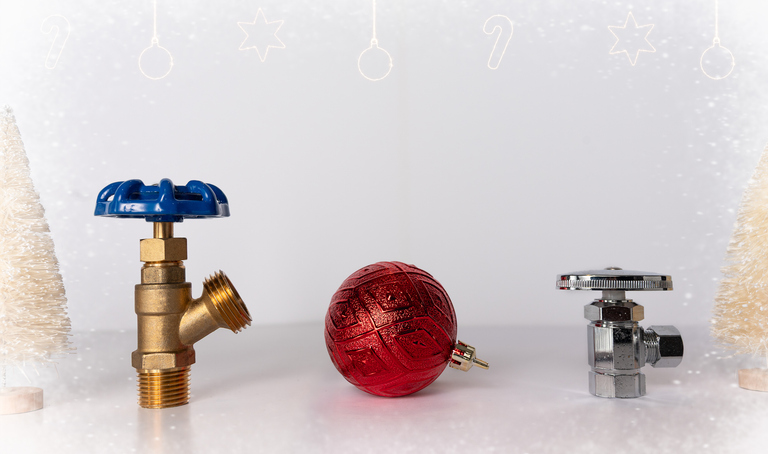
- Main water meter shutoff: This is typically located at the front of your property near the street, inside a small plastic or concrete box flush with the ground. Turning this valve clockwise (off) stops all water entering the property. Every adult in your household should know where this is
- Isolation valves under sinks and behind toilets: Most modern fixtures have their own isolation valves — small inline valves on the supply pipes beneath the basin or behind the toilet cistern. Turning these clockwise isolates that fixture without cutting water to the whole house
- Internal stopcock (if fitted): Some properties have an additional internal stopcock inside the home — often under the kitchen sink or in a utility cupboard — that shuts off supply to the whole house from inside
Take 10 minutes this week to walk around your property with every adult household member and locate each of these shutoff points. It is the single best preparation you can make for a plumbing emergency.
What to Do When a Plumbing Emergency Happens
Burst Pipe
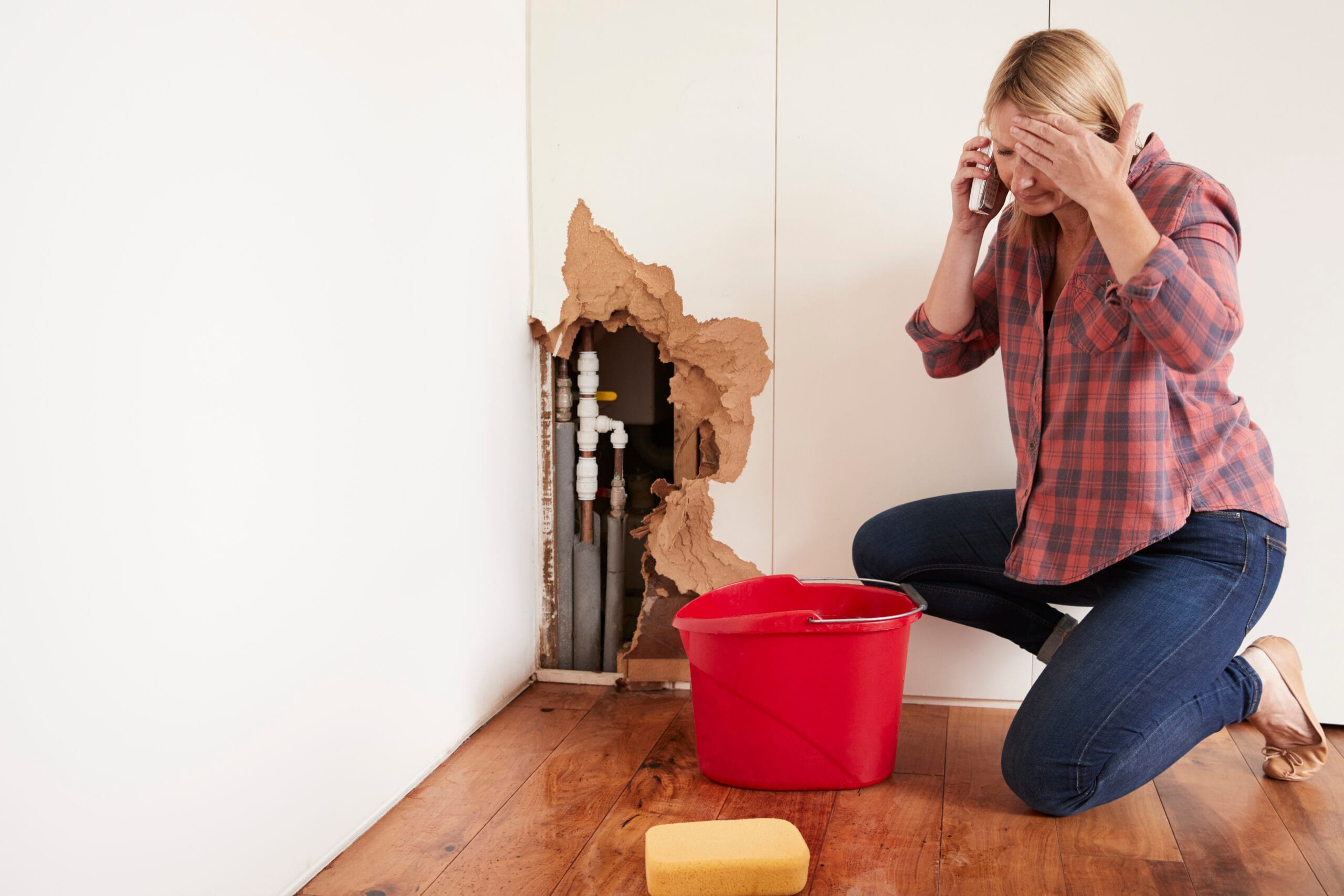
A burst pipe in Bacchus Marsh is one of the most urgent plumbing emergencies. Water can flood a room, damage flooring, walls and cabinetry, and reach electrical systems within minutes.
- Turn off the main water supply at the meter immediately — do not wait to find the source of the leak first
- Turn off the power to any electrical circuits that water may have reached or be approaching, using the switchboard — water and electricity together are life-threatening
- Open taps around the house to drain water remaining in the pipes and relieve pressure
- Move furniture, rugs and valuables away from the affected area
- Use buckets, towels or containers to collect dripping water and protect floors
- Do not attempt to reconnect or patch a burst pipe with tape or putty as a permanent fix — these are temporary at best and can fail, making the situation worse
- Take photos of the damage and the source area before a plumber arrives — you may need this for an insurance claim
A burst pipe in a wall or ceiling may not be immediately visible. If you notice water staining spreading on a ceiling, walls that feel wet to the touch, or water emerging from skirting boards, treat it as a burst pipe emergency and shut off the main supply.
Overflowing Toilet
An overflowing toilet is both a hygiene emergency and a water damage risk. Sewage water on bathroom floors and through subfloor structures creates serious health hazards.
- Do not flush again — a second flush will add more water and make the overflow worse
- Turn off the water supply to the toilet using the isolation valve behind or beside the cistern (turn clockwise)
- If the toilet continues to overflow despite the isolation valve being closed, shut off the main supply
- Place towels around the base of the toilet to contain any overflow
- A plunger can be used on a simple blockage — place it over the toilet outlet and push and pull in a firm, steady rhythm. This works best on blockages that are close to the bowl outlet
- Do not pour chemicals or drain cleaners into a toilet that is already blocked and overflowing — this does not help with solid blockages and creates a hazardous situation when the plumber arrives
- If sewage is coming back up through the toilet, this indicates a blockage in the main sewer line — all toilets, sinks and showers in the home should be avoided until the plumber clears it
A sewer line blockage is a plumbing emergency. If waste is backing up into multiple fixtures simultaneously — toilets, floor drains and sinks — call a licensed plumber immediately and avoid using any water-using appliances in the home.
Gas Leak
A gas leak is a life-threatening emergency and must be treated with absolute priority. Natural gas is highly flammable, colourless and slightly heavier than air — it accumulates at floor level and in enclosed spaces.
- Do not turn any light switches, power points or appliances on or off — electrical sparks can ignite accumulated gas
- Do not use a mobile phone inside the property — go outside first before making any calls
- Open windows and doors as you exit to ventilate the space
- Turn off the gas at the meter — the meter shutoff is typically a lever or wheel valve on the gas meter outside the property. Turn the lever so it is at 90 degrees to the pipe (perpendicular = off)
- Leave the property immediately and do not re-enter until cleared by a licensed gas fitter or emergency services
- Call the 24-hour gas emergency line: 1800 GAS LEAK (1800 427 532) for AusNet Services (which covers Bacchus Marsh and western Victoria), and contact a licensed plumber and gas fitter to inspect and repair the leak before the gas is turned back on
- Do not attempt to find the source of the leak yourself or attempt any repair
If you smell gas and cannot locate and shut off the meter quickly, evacuate immediately. Do not hesitate — gas leaks can ignite with a single spark from any source, including a doorbell or light switch.
Sewage Backup
When a main sewer line becomes blocked, wastewater has nowhere to go. It backs up through the path of least resistance — typically floor drains and the lowest fixtures in the home.
- Stop using all plumbing in the home immediately — running water, flushing toilets and using the dishwasher or washing machine will add to the backup
- Do not attempt to clear the blockage with a hand plunger — main line blockages require professional jetting or mechanical clearing equipment
- Keep people and pets away from the affected area — sewage water carries bacteria, viruses and parasites that pose serious health risks
- If sewage has overflowed onto flooring, do not attempt to mop it up without appropriate protective gear — gloves, boots and eye protection at minimum
- A licensed plumber with a drain camera and high-pressure jetting equipment can locate the blockage and clear it efficiently — this is not a DIY job
General Rules for Any Plumbing Emergency
Across every type of plumbing emergency, a few principles apply consistently and are worth keeping in mind:
- Safety first, always — water near electrical systems or a gas smell should override any other concern. Evacuate and cut the supply before anything else
- Do not attempt DIY repairs on gas, internal pipe connections or electrical plumbing components — unlicensed work on gas or plumbing in Victoria is illegal and dangerous
- Photograph everything — document the damage before cleanup for insurance purposes
- Call a licensed 24/7 emergency plumber — waiting until business hours for a water or gas emergency is not a reasonable option when damage is accumulating every minute
- Know your insurer’s claims process — many policies require you to take reasonable steps to prevent further damage, which an emergency plumber helps you do
Frequently Asked Questions
Will my home insurance cover emergency plumbing damage?
In many cases, yes — home insurance policies in Australia typically cover sudden and accidental water damage from events like a burst pipe. However, most policies do not cover gradual or preventable damage (such as a slow leak that has been ongoing for months), or damage resulting from maintenance failures. Call your insurer as soon as possible after an emergency and take photos before any cleanup begins. Your insurer will also want to see evidence that you took reasonable steps — such as shutting off the water supply — to limit further damage.
Is it safe to stay in the house after a burst pipe?
It depends on how much water has entered the property and where. Small amounts of water from an isolated pipe can be managed safely — shut off the supply, remove the water and allow the area to dry. However, if water has entered ceiling cavities, reached electrical wiring, spread through flooring or is a significant volume, it is safer to stay elsewhere until a plumber and, if necessary, an electrician have assessed the property. Water damage to structures can also compromise building integrity in severe cases. When in doubt, prioritise your safety and that of your family.
Conclusion
A plumbing emergency does not give you time to search for a reliable plumber. Having a trusted number saved in your phone before something goes wrong is the best preparation of all. At New Image Plumbing & Gas, we provide 24/7 emergency plumbing and gas services, and we respond fast.
Our team handles plumbing emergencies with the equipment and experience to resolve them properly, not just patch them temporarily. We arrive with equipment on board, so we can diagnose and act immediately. You can call us at 0489 246 667.
Save our number now, before you need it. When a plumbing emergency strikes, the team is one call away, around the clock, every day of the year.