Buying a home is one of the biggest financial decisions you will ever make, and it is easy to get caught up in the excitement of floor plans, street appeal, and suburb potential. But what lies behind the walls and beneath the floors can tell a very different story. Plumbing problems are among the most expensive issues a new homeowner can inherit, and in a growing area, where housing stock ranges from brand new builds to ageing estates, the risk is real.
A standard building inspection will flag structural concerns, but it rarely goes deep enough on plumbing. That is why it pays to know what to look for or to bring in a licensed plumber in Melton before you sign the contract. Here is a practical guide to the plumbing checks that matter most.
Check the Water Pressure
Water pressure is one of the simplest things to test during a property inspection and one of the most telling. Turn on multiple taps simultaneously — the kitchen, a bathroom basin, and the laundry if possible — and observe what happens.
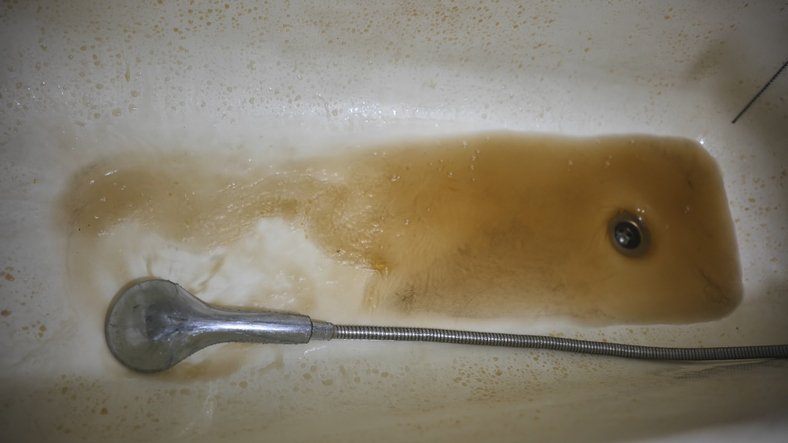
- Low pressure across the whole house can indicate corroded or narrowed supply pipes, a failing pressure limiting valve, or a problem with the water main connection.
- Pressure that drops sharply when multiple outlets are running suggests the supply infrastructure is undersized or deteriorating.
- Inconsistent pressure — strong at the front of the house but weak at the back — may point to partial blockages or pipe corrosion in older galvanised steel lines.
- Ideal residential water pressure sits between 200 and 500 kPa. A licensed plumber can test this with a gauge if you want a precise reading.
Inspect Visible Pipes and Fittings
Not all plumbing is hidden. Under-sink cabinets, laundry areas, garages, and roof spaces often give you a clear look at the pipe materials and condition in use throughout the home. What you find here can tell you a great deal about the property’s plumbing history.
- Galvanised steel pipes (dull grey metal) were common in homes built before the 1980s. They corrode from the inside out, restricting flow and eventually contaminating water with rust particles. Replacement is typically required.
- Copper pipes are a positive sign — copper is durable and long-lasting, though older copper can develop pinhole leaks, particularly in areas with aggressive water chemistry.
- PVC and PEX (cross-linked polyethylene) pipes are modern materials commonly found in newer builds and renovations. These are generally reliable and lower maintenance.
- Look for signs of improvised repairs: mismatched fittings, compression joints patched over leaks, or tape around connections. These are red flags that suggest a history of problems.
- Check for signs of moisture, corrosion, or mineral build-up around joints, valves, and connections — these often indicate slow leaks that have been present for some time.
Test Every Tap, Toilet, and Drain
It sounds basic, but systematically testing every outlet in the home is something many buyers skip during inspections. Run every tap, flush every toilet, and let every sink and shower drain fully. Take your time and pay attention to what you observe.
- Slow-draining basins, showers, or tubs often indicate partial blockages in the trap or drain line — these can be minor, or they can signal a deeper problem in the sewer line.
- Gurgling sounds from drains after a toilet is flushed suggest a shared drain vent issue or a partial blockage in the sewer system.
- A toilet that continues to run after flushing may have a worn flapper or fill valve — inexpensive to fix, but worth noting.
- Wobbly or loose toilet pans can indicate that the wax seal at the base has failed, which risks water damage to the subfloor.
- Taps that drip or are difficult to turn fully off usually need new washers or cartridges at minimum. Taps with significant corrosion around the body may need full replacement.
- Check under every sink for moisture, staining, or warped cabinet floors — these are evidence of past or ongoing leaks.
Look for Signs of Water Damage
Water damage does not always announce itself dramatically. Sellers may have patched and repainted problem areas, but moisture leaves traces that are hard to fully conceal. Knowing what to look for can save you from a nasty surprise post-settlement.
- Stains on ceilings, particularly below bathrooms or laundries on upper floors, indicate a history of water leaks in Melton.
- Soft or spongy flooring around the toilet base, bath, or shower recess suggests water has been infiltrating the subfloor over time.
- Bubbling or peeling paint on walls adjacent to showers or baths is a common sign of failed waterproofing.
- A musty odour in enclosed spaces — under the house, in wall cavities, or behind built-in furniture — often points to hidden moisture.
- Check the exterior of the house too: efflorescence (white chalky deposits) on brickwork near ground level can indicate water is wicking up through the slab or footings.
Assess the Hot Water System
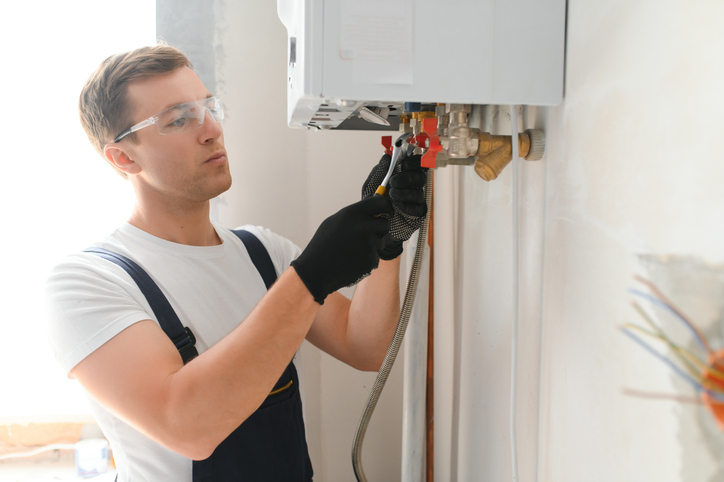
Hot water systems have a finite lifespan, and replacing one is a significant cost that you want to factor into your purchase decision. The age and condition of the hot water system should be on every buyer’s checklist.
- Storage hot water systems (both electric and gas) typically last between 8 and 12 years. Ask for the installation date — most systems have a compliance plate with this information.
- Look for rust staining or mineral deposits around the base of the tank, around the relief valve, or along connecting pipes. These indicate the system is corroding or the anode rod has not been maintained.
- A relief valve (the T&P valve) that shows signs of dripping or mineral build-up may have been discharging excessively, which signals the system is under pressure stress.
- Continuous-flow (instantaneous) hot water systems have a longer lifespan — generally 15 to 20 years — but should still be tested for ignition reliability and consistent output temperature.
- If the system is more than 10 years old, budget for replacement in the near term regardless of its apparent condition.
Check the Sewer and Stormwater Drains
This is the area where many buyers get caught out, because sewer and stormwater problems are largely invisible without specialist equipment. A CCTV drain inspection is the gold standard for assessing the underground drain network and is strongly recommended for any property more than 15 years old.
- Tree root intrusion is one of the most common sewer problems in established suburbs. Root systems seek out moisture and can crack and infiltrate clay or terracotta drain pipes over time.
- Broken, collapsed, or displaced pipe joints are common in older homes and can only be reliably identified with a camera inspection.
- Look for signs of past sewer issues: patched concrete in the yard, sunken garden beds directly over drain lines, or unusual greenery along the sewer path.
- Stormwater drains should be checked for blockages, damaged downpipe connections, and any evidence of stormwater being incorrectly connected to the sewer (this is non-compliant and an owner’s liability).
- A CCTV drain inspection typically costs a few hundred dollars and can save you thousands by identifying problems before they become your responsibility.
Inspect Gas Lines and Appliances
If the property has gas, and most homes do, the gas lines and appliances should be inspected as part of your pre-purchase due diligence. Gas-related problems are not just expensive; they can be dangerous.
- Check that all gas appliances — cooktop, oven, hot water system, ducted heating — are operational and ignite correctly without delay or unusual odours.
- Look for any signs of soot or scorching around gas appliance flues or burner ports, which can indicate incomplete combustion.
- A licensed gas fitter should check the gas meter, regulator, and any exposed gas lines for corrosion, condition, and compliance.
- If you detect any gas smell during the inspection, report it immediately and do not proceed until the source is identified.
- Ask the vendor for any service records for gas appliances. Well-maintained appliances will have been serviced regularly.
Why You Should Consider a Professional Pre-Purchase Plumbing Inspection
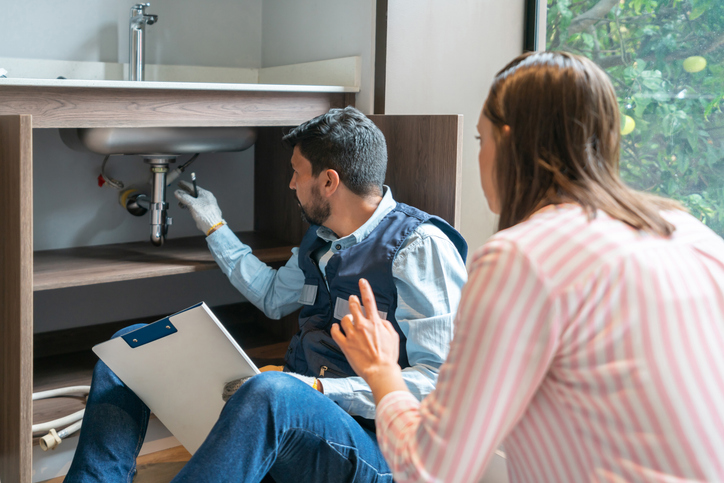
While a standard building inspector covers the basics, a licensed plumber brings a different level of expertise and equipment to a property assessment. A dedicated plumbing inspection typically covers pressure testing, drain camera inspection, hot water assessment, and a full review of accessible pipe work — giving you a comprehensive picture of the property’s plumbing health.
- A professional inspection provides documented findings you can use to negotiate the purchase price or request repairs before settlement.
- It gives you peace of mind going into one of the biggest purchases of your life, knowing there are no hidden plumbing surprises waiting for you.
- In some cases, a plumbing inspection may reveal issues significant enough to affect your decision to purchase entirely.
- The cost of a pre-purchase plumbing inspection is a fraction of what emergency plumbing repairs or pipe replacement can cost after settlement.
Frequently Asked Questions
Do I need a separate plumbing inspection if I already have a building inspection?
Yes. A standard building inspection covers plumbing at a surface level but does not include drain camera inspections, pressure testing, or a detailed assessment of pipe materials and condition. A licensed plumber provides a far more thorough evaluation of the property’s plumbing infrastructure.
What is the most common plumbing problem found during pre-purchase inspections?
Tree root intrusion in sewer lines and deteriorating hot water systems are among the most frequently identified issues in established properties. In older homes, corroded galvanised steel pipes are also a common finding that significantly affects water quality and flow.
How old do pipes need to be before they become a concern?
Galvanised steel pipes typically begin deteriorating noticeably from around 25 to 40 years of age. Copper pipes can last 50 years or more in good conditions. Clay and terracotta sewer pipes can last a long time structurally but become vulnerable to tree root intrusion. Any home more than 20 years old warrants a thorough plumbing inspection before purchase.
Conclusion
Buying a home is an exciting milestone, but going in without a clear picture of the plumbing can turn that excitement into a very expensive headache. A pre-purchase plumbing inspection from New Image Plumbing & Gas gives you the information you need to buy with confidence.
Our licensed team uses CCTV drain cameras, pressure testing equipment, and years of local experience to give you an honest, detailed assessment of any property’s plumbing before you commit. We service Melton and all surrounding suburbs, and we are available 24 hours a day, 7 days a week.
Contact New Image Plumbing & Gas today to book your pre-purchase plumbing inspection and buy your next home with your eyes wide open. Call us today at 0489 246 667 or submit our online form.