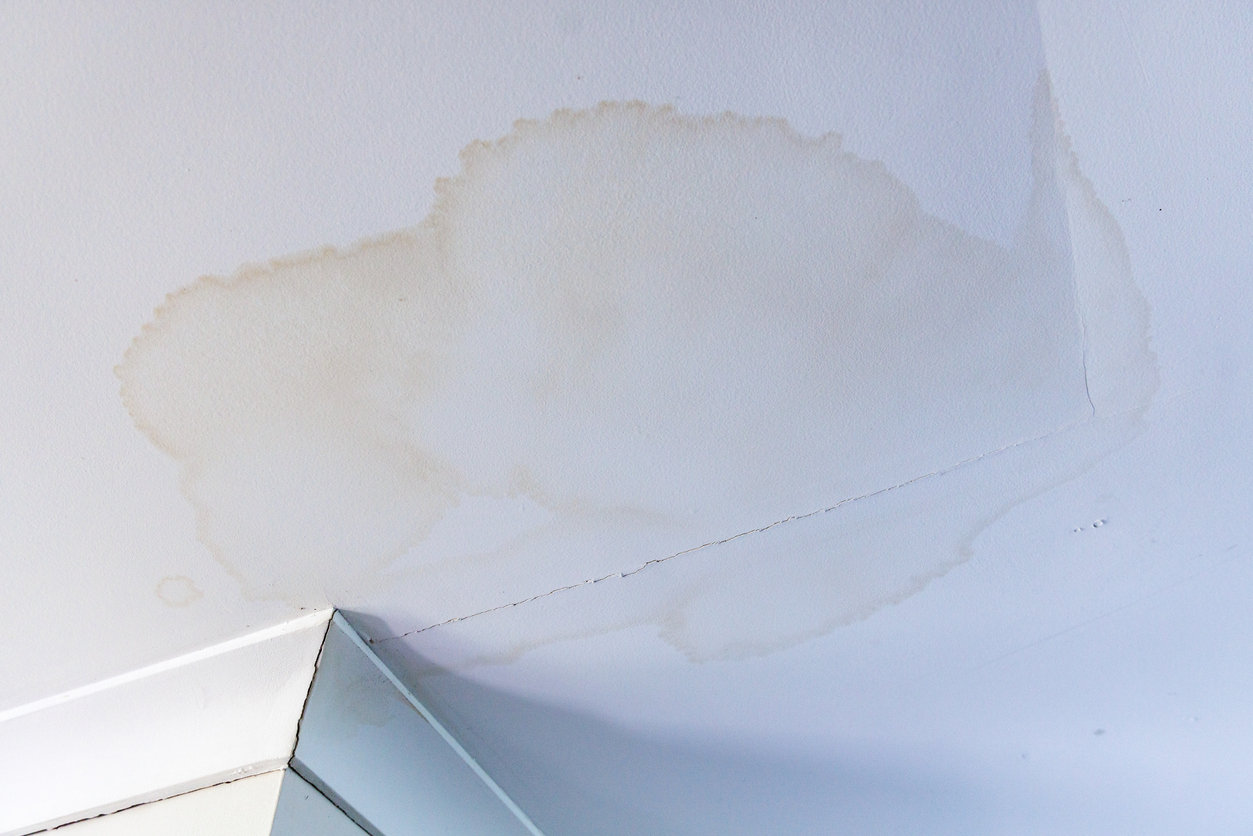
A hidden water leak can cause thousands of dollars in damage before anyone knows it is there. Wet patches appear on ceilings, water bills climb for no obvious reason, and by the time the source is found, the repair bill includes not just the pipe but the surrounding structure. The challenge with hidden leaks has always been the same: finding precisely where they are without tearing through walls, lifting floors, or excavating driveways. Acoustic water leak detection solves that problem. This article explains how the technology works, what it can and cannot do, and why it is the method of choice for professional plumbers in Melton dealing with concealed leaks.
What Is Acoustic Leak Detection?
Acoustic leak detection is a non-invasive technique that uses sensitive sound equipment to identify and locate leaks in pressurised water pipes. Water escaping through a crack, joint failure, or pinhole in a pipe generates a distinctive noise — a combination of rushing, hissing, and vibration that travels along the pipe and through the surrounding material. Trained technicians use ground microphones, listening rods, and correlating equipment to pick up these sounds and trace them to their source with precision.
How the Sound Is Produced
- When pressurised water forces its way through a breach in a pipe, it creates friction and turbulence against the pipe wall and surrounding material
- This produces vibrations that travel through the pipe itself and outward through the ground, concrete, or structure
- Larger leaks typically produce louder, broader-frequency sounds that are easier to detect
- Very slow leaks or leaks in softer soil produce quieter signals that require more sensitive equipment and experienced interpretation
The Equipment Used
- Ground microphones are placed directly on surfaces such as concrete paths, driveways, or soil to listen for vibrations below
- Listening rods make contact directly with exposed pipes, inspection points, or tap fittings to detect vibration along the pipe body
- Leak noise correlators use two sensors placed at different points along a pipe and calculate the exact leak location by measuring the difference in arrival time of the leak sound at each sensor — this is particularly useful on longer pipe runs
- Amplification filters allow technicians to isolate the specific frequencies associated with leaks while filtering out background noise from traffic, wind, or nearby water use
Benefit 1: No Destructive Investigation Required
The most immediate benefit of acoustic detection is that it finds leaks without breaking anything open first. Traditional approaches to locating a suspected underground or in-slab leak often involved excavating sections of garden or driveway, or opening up wall cavities — all before the leak was actually confirmed to be in that location. This meant significant damage to the property as part of the investigation, not just the repair.
- The entire investigation takes place above the surface using handheld equipment
- Gardens, driveways, tiled floors, and internal walls remain untouched during the detection process
- Digging or opening up only begins once the leak location has been confirmed to within a small area
- This dramatically reduces the total cost and disruption of the repair, particularly for leaks under concrete slabs or driveways
- For Melton homes with concrete driveways, tiled patios, or finished internal flooring, the savings compared to speculative digging can be substantial
Benefit 2: Accurate Pinpointing of the Leak Source
One of the limitations of older leak-finding methods was that even when a general area was identified, the repair often involved opening a much larger section than necessary because the exact point was uncertain. Acoustic detection combined with correlation technology can locate a leak to within a fraction of a metre in many cases, making the repair excavation as small as possible.
- Correlation accuracy on water mains and supply lines is typically within 0.5 to 1 metre on short to medium pipe runs
- Multiple listening positions are taken to triangulate the sound source, improving confidence in the result before any digging begins
- The technician can distinguish between different types of leak sounds, helping rule out background noise sources such as water running in a nearby pipe or air movement
- Where thermal imaging is used alongside acoustic detection, the two methods cross-check each other to further confirm the location
Benefit 3: Works Through Most Common Building Materials
Acoustic leak detection is effective through a wide range of materials that plumbers commonly encounter on residential and commercial properties in Melton. This versatility makes it suitable for most standard property types.
Surfaces Acoustic Detection Works Through
- Concrete driveways, paths, and slab foundations — the dense material actually helps transmit pipe vibrations clearly to the surface
- Clay, sand, and loam soils commonly found across Melton properties
- Internal tiled and timber floors when pipes run beneath the subfloor
- Rendered and brick external walls for pipes concealed in wall cavities
- Paved surfaces including asphalt and pavers, though looser-laid materials can reduce signal quality
Factors That Can Affect Detection Accuracy
- Very soft or loosely compacted soil absorbs vibrations and can reduce signal strength, requiring more listening points
- Plastic pipe (PVC) transmits vibration less efficiently than metal pipe, which can make detection on plastic supply lines slightly more challenging
- High levels of background noise — from busy roads, construction nearby, or running appliances — can interfere with listening and require careful filtering
- Very low-flow leaks (slow seepage through a hairline crack) may require thermal imaging as a complement to acoustic methods
Benefit 4: Saves Money on Both Detection and Repairs
The economics of acoustic detection make a compelling case on their own. When a leak is suspected under a concrete driveway or beneath an internal slab, the cost of speculative excavation — breaking up concrete, removing material, backfilling, and reinstating the surface — is substantial even before the pipe itself is repaired. Acoustic detection removes the guesswork from this process.
- The detection service itself is a predictable, contained cost — typically a single callout with results in one visit
- Because excavation only happens at the confirmed leak point, the area of disruption and reinstatement is kept as small as possible
- Finding a leak early through detection prevents the compounding damage that comes from an undetected slow leak — water damage to surrounding structure, mould growth, and soil erosion under foundations
- Avoiding extended leak periods reduces total water loss, which flows directly through to a lower water bill
- Insurance claims for water damage are generally more straightforward when a confirmed detection report accompanies the repair — the cause is documented and verifiable
Benefit 5: Fast Results in Most Cases
For homeowners dealing with a suspected leak, the uncertainty of not knowing where the problem is can be as stressful as the leak itself. Acoustic detection typically delivers a clear result within a single visit, allowing the repair to be scheduled promptly rather than stretching the disruption across multiple investigations.
- Most residential detection jobs are completed within one to two hours on site
- The technician can mark the confirmed leak location directly on the surface so the repair crew knows exactly where to dig
- Combining acoustic and thermal methods in a single visit, where both are warranted, further increases the confidence of the result without needing a return appointment
- A clear result allows property owners to make an informed decision about the repair — including timing, scope, and whether temporary isolation of the affected line is warranted while arrangements are made
Situations Where Acoustic Detection Is Recommended
Acoustic detection is not always the first tool to reach for. For visible, accessible leaks — a dripping tap, a leaking joint under the sink, a clearly weeping fitting — a visual inspection is all that is needed. Acoustic detection is most valuable when the leak is confirmed or strongly suspected but cannot be found by visual inspection alone.
- A water meter test has confirmed water loss when all taps are off, but the source is not visible anywhere inside or outside the home
- Water bills have been increasing without explanation over multiple billing periods
- A wet patch has appeared on a slab floor, a driveway, or a lawn area and is not explained by surface water or rainfall
- Mould, efflorescence (white mineral deposits), or staining has appeared on a wall or floor with no apparent external cause
- A property has been vacant or undergone extended periods of low use and a water loss is suspected but unconfirmed
- A previous repair has been made but the problem has returned, suggesting the leak point may have been misidentified
Frequently Asked Questions
Is acoustic leak detection accurate enough to rely on before digging?
In the hands of an experienced technician with calibrated equipment, acoustic detection is highly accurate on pressurised supply lines. For most residential jobs, the result is reliable enough to proceed directly to targeted repair excavation. That said, experienced plumbers always factor in the pipe material, soil type, and background noise conditions when interpreting results, and may combine acoustic detection with thermal imaging for additional confidence on complex jobs.
Can acoustic detection find leaks in sewer pipes as well as water supply pipes?
Acoustic detection is primarily used on pressurised supply lines, where the water escaping under pressure creates the distinctive vibration the equipment listens for. Sewer pipes are gravity-fed and unpressurised, so they do not generate the same acoustic signal. For sewer faults — cracks, root intrusion, joint failures — CCTV drain camera inspection is the appropriate diagnostic tool.
How long does an acoustic leak detection visit take?
Most residential detection visits are completed within one to two hours. The exact duration depends on the size of the property, the number of pipe runs that need to be surveyed, access conditions, and background noise levels. The plumber will walk the accessible sections of the supply line, taking multiple listening positions, before confirming and marking the suspected leak point.
Do I need to do anything to prepare before a leak detection visit?
The main requirement is that all water-using appliances and taps are switched off before and during the detection. This ensures the only sound the equipment picks up is from the leak itself rather than normal household water use. It also helps to know the approximate layout of your property’s pipe runs if possible — the meter location, the path from the meter to the house, and any known valves or isolation points.
What happens after the leak is located?
Once the location is confirmed and marked, the plumber will discuss repair options with you. For underground supply leaks, this typically involves excavating a targeted area to expose the pipe, repairing or replacing the affected section, testing the repair under pressure, and then reinstating the surface. In most cases the confirmed detection result means the excavation is limited to a small, precise area rather than a broad trench.
Conclusion
Acoustic water leak detection in Melton is one of the most valuable tools in modern plumbing, and for homeowners dealing with an unexplained water loss, it is often the fastest and least disruptive path to a resolution. Finding a leak precisely means repairing it precisely, minimal excavation, minimal reinstatement, and a job that is done properly the first time.
At New Image Plumbing and Gas, we use professional-grade acoustic and thermal imaging technology to find hidden leaks quickly and accurately. If your water bill is climbing, your meter is moving with everything off, or you have a wet patch that does not add up, we can help.
Call us today on 0489 246 667 or complete our online form. We offer honest upfront pricing, same-day appointments for urgent situations, and the thoroughness that comes from genuinely caring about the outcome.