Tree roots and sewer lines are a well-documented problem, and in suburbs with older housing stock and established gardens, root intrusion into drain pipes is one of the most common calls a plumber in Bacchus Marsh receives.
The trouble is that root intrusion is largely invisible until it reaches a critical point. By the time you notice something is wrong at the surface, the roots may have been growing inside your sewer line for months or even years. Knowing the warning signs early and understanding what is actually happening underground gives you the chance to act before a manageable problem becomes a major repair bill.
Why Tree Roots Target Sewer Lines
It is not random that tree roots find their way into sewer pipes. There is a very deliberate biological reason for it, and understanding this helps explain why the problem is so common and so persistent.
- Sewer pipes carry warm, nutrient-rich water — exactly the conditions that plant root systems are biologically programmed to seek out.
- Most sewer pipes are not perfectly sealed. Clay or terracotta pipes used in older homes have joints every 900mm to 1,800mm, and over time those joints can shift, crack, or separate slightly as the soil around them moves.
- Even hairline cracks or slightly open joints release moisture and vapour into the surrounding soil. Fine root tips — called root hairs — detect this moisture and grow toward it.
- Once a root tip finds a joint or crack, it can enter the pipe and then grow rapidly inside it, where the conditions are ideal: constant moisture, warmth, and a rich supply of nutrients.
- The roots do not need to start directly over the pipe. A large tree 10 or 15 metres from your sewer line can still extend roots far enough to reach it — especially in dry conditions when roots actively search for water over greater distances.
What Are the Signs of Tree Roots in Your Sewer Line?
The symptoms of root intrusion develop progressively. In the early stages, they can be subtle and easy to dismiss. As the roots grow and the obstruction increases, the signs become harder to ignore. Here is what to look for at each stage.
Slow-Draining Fixtures
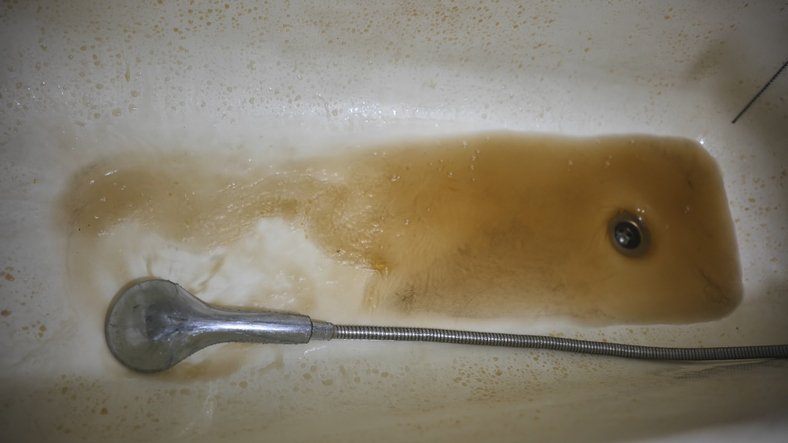
This is typically the first sign homeowners notice, and it is easily mistaken for a simple localised blockage. When tree roots begin restricting flow in a shared sewer line, the slow drainage affects multiple fixtures rather than just one.
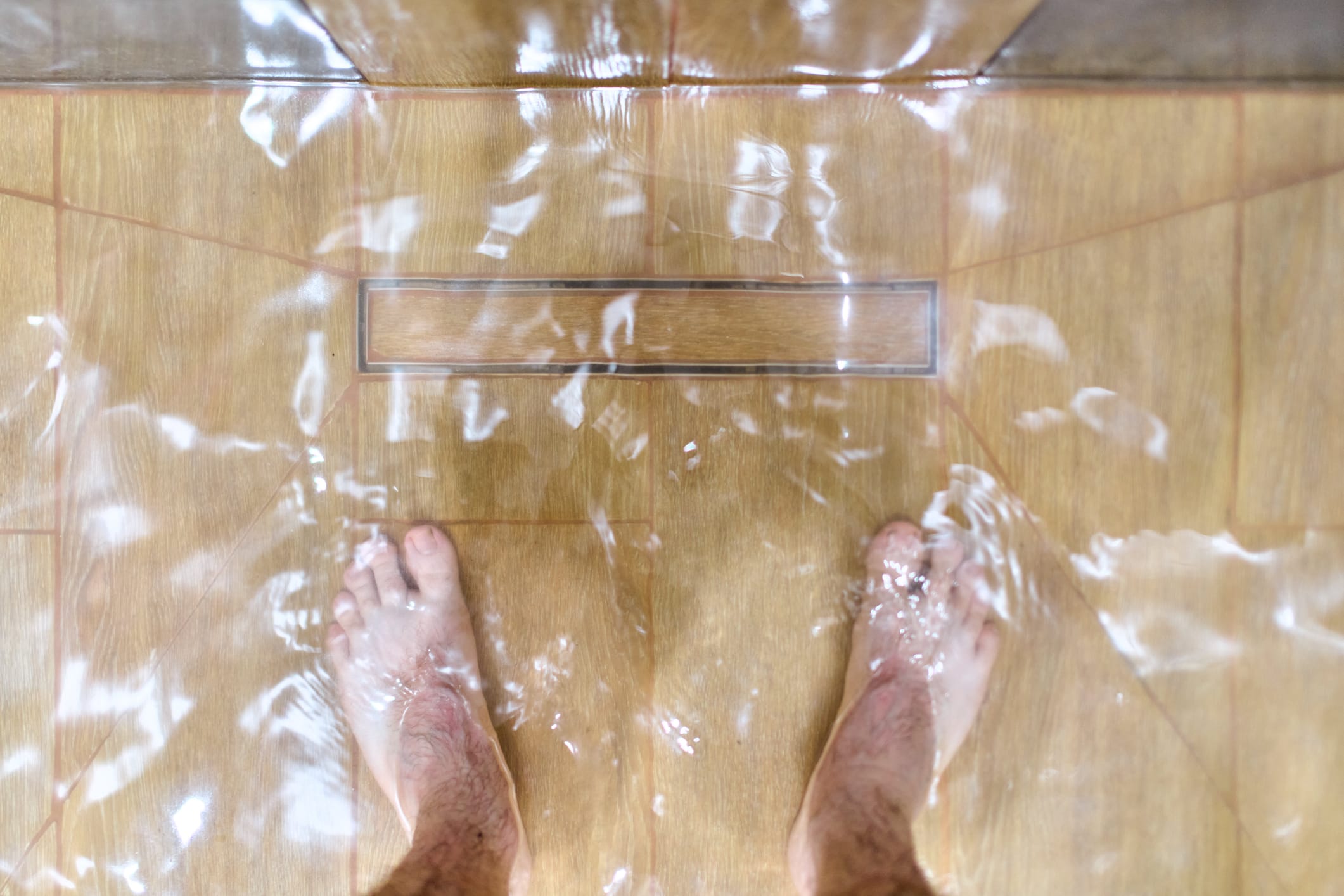
- Showers, baths, and laundry tubs that drain slowly despite having no visible blockage at the outlet are a common early indicator.
- If clearing a visible drain blockage (such as hair in a shower trap) does not improve the drainage speed, the restriction is likely further down the line.
- Slow drainage that progressively worsens over weeks or months — rather than appearing suddenly — is characteristic of growing root intrusion rather than a grease or debris blockage.
- Pay particular attention to whether slow drainage affects fixtures throughout the house simultaneously, as this points to a shared sewer line problem rather than an individual fixture issue.
Gurgling Sounds from Drains and Toilets
Gurgling is caused by air being displaced through your drain system as water tries to pass a partial obstruction. It is one of the most reliable early indicators that something is restricting flow in the main sewer line.
- A toilet that gurgles when a washing machine drains nearby suggests the two share a drain line that is partially blocked.
- Gurgling from a floor drain or shower when a toilet is flushed is a classic sign of a sewer restriction — the water and air are displacing each other because normal flow is impeded.
- Sounds that come from multiple fixtures rather than just one are always more concerning and warrant investigation sooner rather than later.
- Intermittent gurgling that becomes more frequent over time mirrors the progressive growth pattern of root intrusion.
Recurring Blockages
A single blocked drain in Bacchus Marsh can happen to any property and is usually straightforward to clear. A drain that blocks repeatedly, particularly after being professionally cleared, is a strong indicator that the underlying cause has not been addressed.
- Tree roots that are flushed or cut during a drain clearing procedure will regrow unless they are fully removed and the pipe damage is repaired.
- A blockage that clears temporarily with high-pressure jetting but returns within weeks or a few months is a reliable pattern for root intrusion.
- Repeated blockages in the same location in the drain system (confirmed by a plumber) strongly suggest physical damage to the pipe at that point.
- If you have called a plumber for the same drain problem more than twice in 12 months, a CCTV inspection is the logical next step.
Sewage Odours Inside or Outside the Home
A properly functioning sewer system is sealed, and you should not be able to smell it under normal circumstances. Persistent sewer odours are a signal that something is wrong with the integrity of the system.
- A sulphurous or sewage smell near floor drains, under sinks, or in the bathroom without any visible blockage or overflow can indicate that drain traps are being siphoned dry by a partial sewer blockage.
- Outdoor sewage odours — particularly near garden areas, the back of the property, or around inspection openings — may indicate a cracked or partially collapsed pipe that is allowing gas and liquid to escape.
- A smell that appears after heavy rain can suggest that groundwater has entered a cracked sewer line, displacing sewage gas upward through the system.
- Do not ignore sewer odours. Beyond being unpleasant, sewer gas contains methane and hydrogen sulphide, which are hazardous at sufficient concentrations.
Unusually Lush or Wet Patches in the Garden
Your garden can tell you things about what is happening underground. A patch of grass or garden bed that is noticeably greener, more vigorous, or persistently wet compared to surrounding areas — without an obvious explanation like a garden tap or irrigation head — is worth investigating.
- A cracked or root-damaged sewer pipe that is slowly seeping effluent into the surrounding soil acts as a continuous fertiliser and moisture source for nearby plant life.
- Sunken or soft ground along the line of your sewer pipe can indicate that the pipe has partially collapsed or that sustained leakage has eroded the soil around it.
- Visible wet patches in dry conditions — not linked to recent rain or irrigation — are a reliable sign that water is escaping from a pipe underground.
- Mapping the path of your sewer line (your plumber or council can help with this) and comparing it to any anomalous garden areas can confirm whether the correlation is plausible.
Multiple Fixtures Backing Up at the Same Time
When a main sewer line is significantly blocked — as happens when root intrusion has progressed to near-total obstruction — multiple fixtures in the home will back up simultaneously. This is a plumbing emergency requiring immediate attention.
- Sewage appearing in the bath or shower when the toilet is flushed is a definitive sign of a main sewer line blockage.
- Multiple toilets and drains backing up at the same time confirms the blockage is in the shared sewer line rather than individual fixture branches.
- Stop using water-generating appliances immediately — dishwasher, washing machine, showers — to prevent sewage from backing up further into the home.
- Do not attempt to use chemical drain cleaners in this situation; they are ineffective against root intrusion and will not help in a complete blockage scenario.
How a CCTV Drain Inspection Confirms the Problem
The only reliable way to confirm tree root intrusion and to understand its extent is a CCTV drain camera inspection. A licensed plumber passes a flexible waterproof camera through the drain system, giving a real-time view of the pipe interior.
- The camera reveals the exact location of root entry points, the size and density of the root mass, the condition of the pipe wall, and whether any collapse or displacement has occurred.
- It also identifies whether the blockage is roots, grease, a foreign object, or a structural failure — each of which requires a different treatment approach.
- The footage provides a record of the pipe’s condition before and after treatment, useful for warranty purposes and for monitoring whether roots return after clearing.
- Modern cameras can be combined with pipe-locating equipment to pinpoint exactly where the problem is on the surface, helping plan any excavation or relining work with precision.
How Do You Fix Tree Root Intrusion in Sewer Pipes?
Once root intrusion is confirmed, the appropriate treatment depends on the extent of the problem and the condition of the affected pipe. A licensed plumber will recommend the right approach based on the CCTV findings.
High-Pressure Water Jetting
High-pressure jetting uses a powerful stream of water to cut through and flush out root masses, along with any grease, silt, or debris accumulated around them. It is highly effective for clearing blockages and restoring flow but does not address the underlying pipe damage that allowed roots to enter in the first place. Roots will regrow unless the entry point is sealed.
Pipe Relining
Pipe relining is the most effective and cost-efficient long-term solution for root-affected pipes that are still structurally sound enough to hold a liner. After jetting the roots clear, a resin-coated liner is inserted into the damaged pipe and cured in place using UV light or ambient heat. The result is a smooth, seamless new pipe surface inside the old one — eliminating the joints and cracks that roots exploited in the first place.
- No excavation is required in most cases, preserving your garden, driveway, and landscaping.
- The relined pipe is resistant to future root intrusion because it has no joints for roots to penetrate.
- Relining is generally completed in a single day and restores the pipe to full service immediately after curing.
- A quality pipe reline comes with a warranty and can extend the life of the pipe by decades.
Pipe Replacement
Where a pipe is too badly damaged — collapsed, severely displaced, or made of a material unsuitable for relining — excavation and replacement is necessary. This is more disruptive and costly but provides a fully new drain system for the affected section. Your plumber will advise whether relining or replacement is the right call based on the camera inspection results.
Frequently Asked Questions
Which types of trees are most likely to cause sewer line damage?
Trees with aggressive, water-seeking root systems pose the highest risk. This includes willow, poplar, liquid amber, fig, and many species of gum tree. Even ornamental trees like Japanese maples and some fruit trees can cause problems if planted near sewer lines. The distance between a tree and your sewer line matters, but aggressive species can send roots surprisingly far, some willows extend roots more than 30 metres from the trunk.
How quickly can tree roots damage a sewer pipe?
Root intrusion is a gradual process, but it can accelerate once roots are established inside a pipe. Fine root hairs may enter a pipe within a year or two of a joint weakening, and an established root mass can grow to cause significant blockage within three to five years. The rate depends on tree species, soil conditions, pipe material, and seasonal rainfall patterns.
Will removing the tree fix the problem?
Not necessarily. Removing a tree stops future root growth, but roots already inside the pipe remain and will continue to decompose and cause blockages. The pipe still needs to be cleared and, if damaged, repaired or relined. In some cases, removing the tree is not practical or desirable — pipe relining addresses the problem without requiring tree removal.
Can I use root-killing chemicals in my drains?
Copper sulphate and other root-killing products are sometimes recommended for preventative use in clear pipes, but they are not effective as a treatment for an established root blockage. They can also harm your garden if they leach into the soil, and some products are not approved for use in all sewer systems. A physical clearance by a licensed plumber, followed by inspection and relining if needed, is a far more reliable approach.
How often should I have my drains inspected if I have large trees near the sewer line?
If you have established trees close to your sewer line and live in a home more than 20 years old, a CCTV drain inspection every two to three years is a sensible precaution. If you have already had root intrusion treated, an annual inspection for the first few years after treatment helps confirm whether roots are returning and allows early intervention before another blockage develops.
Conclusion
Tree root intrusion is a problem that only gets worse with time. A slow drain or an occasional gurgle today can become a sewage backup in your bathroom or a collapsed drain requiring excavation tomorrow. The earlier you investigate, the more options you have, and the lower the cost of the fix.
At New Image Plumbing & Gas, our team uses the latest equipment to diagnose root intrusion accurately and resolve it efficiently, with minimal disruption to your property.
If you are seeing any of the warning signs described in this article, do not wait. Call us today at 0489 246 667 or submit our online form. We will give you a clear picture of what is happening in your sewer line and the most practical path forward.