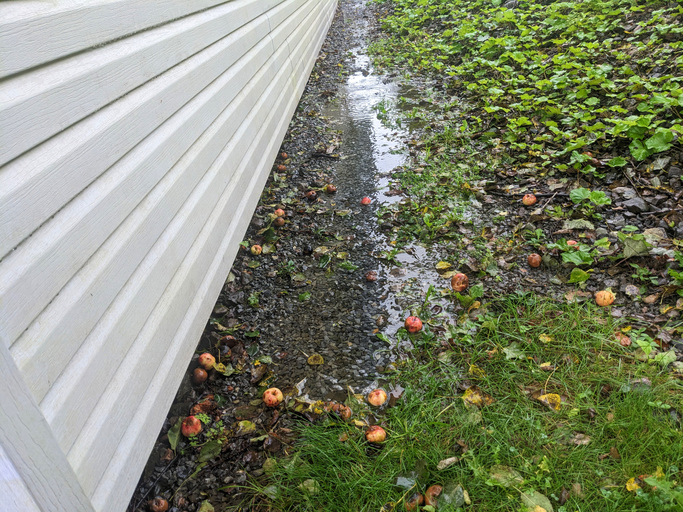
Most homeowners think about drainage when they see a puddle forming in the backyard or water pooling near the back door. But by the time water is visibly sitting against your home, the damage to your foundation may already be underway. Poor drainage is one of the most common and most underestimated causes of serious structural problems in Australian homes. Understanding how poor drainage affects your foundation, when to contact a plumber in Melton and what warning signs to look for can save you tens of thousands of dollars in structural repairs.
The Impact of Poor Drainage on Your Foundation
Your home’s foundation is designed to sit on stable, load-bearing soil. When water repeatedly saturates the ground around and beneath your home, that stability is compromised. The soil shifts, expands, contracts and in some cases washes away entirely, and the foundation moves with it. This process is slow and often invisible, which is exactly what makes it so dangerous.
Reactive clay soils make this problem significantly worse. Clay absorbs water and swells dramatically, then shrinks and cracks as it dries. Each wet and dry cycle puts enormous pressure on your foundation from multiple directions.
How Poor Drainage Causes Foundation Damage
Hydrostatic Pressure Buildup
When water cannot drain away from your home efficiently, it collects in the soil around your foundation walls and slab. This creates hydrostatic pressure. The weight and force of water-saturated soil pressing against your foundation.
- Hydrostatic pressure can cause foundation walls to bow inward or crack vertically
- Over time, sustained pressure forces water through hairline cracks in the concrete or masonry
- In slab foundations, pressure from below can cause the slab to heave or crack
- Once water penetrates the foundation, it accelerates corrosion of any reinforcing steel inside the concrete
Hydrostatic pressure is largely invisible until the structural damage has already progressed significantly. The first signs are often small cracks near windows, doors or where the wall meets the floor — easy to dismiss as normal settling until they begin to widen.
Soil Erosion and Undermining
Water that flows across the ground surface during heavy rainfall carries soil particles with it. When that water is consistently directed toward your home rather than away from it, the soil beneath and around your footings gradually erodes.
- Erosion removes the soil that supports your foundation footings, creating voids beneath them
- Footings that lose their bearing support begin to settle unevenly, causing the structure above to move
- Downpipes that discharge water directly at the base of the home are a leading cause of localised erosion
- In sloped blocks, poor surface grading accelerates runoff and concentrates erosion in specific areas
Uneven settlement is one of the clearest indicators of erosion-related foundation movement. Look for doors and windows that no longer close properly, or gaps forming between the wall and the ceiling or floor.
Reactive Soil Shrinkage and Swelling
Class M and Class H soils are types of clay soil that expand when wet and shrink when dry. Class M soils experience moderate movement, while Class H soils experience more significant movement as moisture levels change.
- When clay soils absorb water, they expand (swell), pushing upward against the foundation slab
- When they dry out, particularly during summer, they shrink and pull away from the foundation, removing support
- Areas of the foundation that experience more moisture than others move differently, causing differential settlement
- Differential settlement is more damaging than uniform settlement because it causes the structure to twist and rack
Homes on reactive soils with inconsistent drainage, where one side of the property dries out while another stays wet, are at the highest risk of this type of damage.
Warning Signs Your Drainage May Already Be Affecting Your Foundation
Foundation damage caused by drainage problems rarely announces itself dramatically. Instead, it shows up gradually through a range of symptoms that are easy to attribute to other causes. If you are noticing any of the following around your home, drainage should be high on your list of things to investigate:
- Cracks in internal or external walls, particularly diagonal cracks running from the corners of windows and doors
- Doors or windows that stick, drag or fail to latch properly
- Gaps appearing between the skirting board and the floor, or between the cornice and the ceiling
- Uneven or sloping floors, particularly in older homes with suspended timber floors
None of these signs individually confirms foundation damage, but any combination of them warrants a closer look, starting with your drainage.
What You Can Do to Protect Your Home
Ensure Correct Surface Grading Around the Home
- The ground immediately around your home should slope away from the building at a minimum gradient, directing water away from the foundation
- The Australian standard recommendation for soil grading is a fall of at least 50mm over the first metre from the house
- Low spots or flat areas near the home that allow ponding should be filled and regraded
- Raised garden beds built against the home’s walls can trap moisture and should be managed carefully
Check and Maintain Your Stormwater System
- Have your downpipes and stormwater system inspected regularly, particularly before the wet season
- Ensure downpipes connect to stormwater drains rather than simply discharging onto the ground or into garden beds
- A CCTV drain camera inspection can identify cracked, blocked or offset stormwater pipes underground without excavation
- High-pressure drain jetting can clear root intrusion and debris from stormwater lines
Install Subsoil Drainage Where Needed
- Subsoil drainage systems — also called ag drains or French drains — collect groundwater below the surface and channel it away from the home
- These are particularly useful in low-lying areas or on blocks with high water tables
- Installation requires excavation around the perimeter of the home, placement of perforated agricultural pipe wrapped in geotextile fabric, and connection to a legal disposal point
- Subsoil drainage is a licensed plumbing and drainage work in Victoria
Frequently Asked Questions
How long does it take for poor drainage to damage a foundation?
The timeline varies considerably depending on soil type, rainfall patterns and the severity of the drainage issue. On reactive clay soils, foundation movement can begin within a few wet seasons if drainage is consistently poor. However, because the movement is gradual, significant visible damage may not appear for years, which is why early investigation matters.
Can landscaping affect drainage around my foundation?
Yes. Poor ground grading, garden beds and landscaping that direct water towards the house contribute to water buildup and soil movement around the foundation.
Conclusion
Foundation damage is one of the most expensive problems a homeowner can face — and the frustrating truth is that it is almost always preventable with the right drainage in place. By the time cracks appear and doors stop closing properly, the ground beneath your home has already been shifting for some time.
If you are noticing any of the warning signs described in this article, or you simply want peace of mind about the drainage around your property, the team at New Image Plumbing & Gas can help. We carry out thorough stormwater pipe inspections using CCTV drain cameras, clear blocked draines in Melton, and provide honest, straightforward advice on what your property needs to stay protected.
Call us today at 0489 246 667 or use our online form to book an inspection. The earlier a drainage problem is found, the less it costs to fix.