Most homeowners rarely think about the pipes running through their walls and under their floors until something goes wrong. But the reality is that ageing plumbing infrastructure can quietly affect your household’s water quality long before a visible problem like a burst pipe in Bacchus Marsh appears. The water you drink, cook with, and bathe in passes through those pipes every day, and the condition of those pipes matters more than most people realise.
Understanding what happens to pipes as they age, what warning signs to look for, and when to act can protect your family’s health and prevent expensive damage to your home. Here is what you need to know.
What Types of Pipes Are Commonly Found in Older Homes?
The type of pipe material used in your home depends largely on when it was built. Different eras used different materials, each with its own lifespan and failure mode. Knowing what you have is the first step in understanding the risk.
Galvanised Steel Pipes
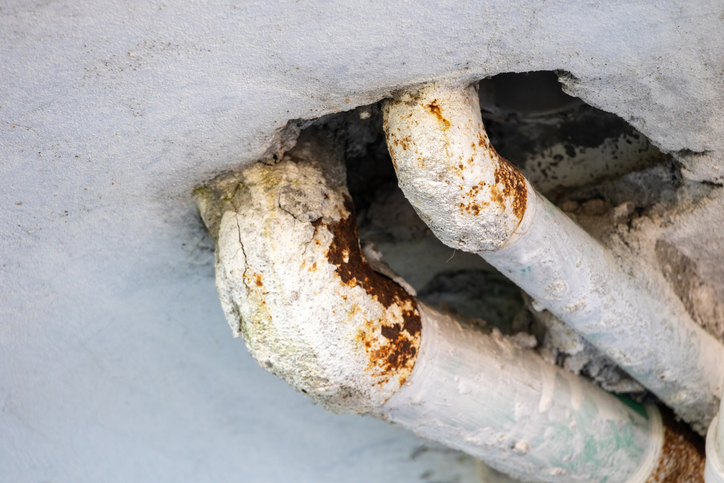
Galvanised steel was the standard for water supply lines in Australian homes built before approximately 1980. These pipes are coated with a layer of zinc to resist corrosion, but that zinc coating degrades over time. Once the coating breaks down, the steel beneath begins to rust from the inside out.
- As galvanised pipes corrode internally, the rust and mineral deposits reduce the internal diameter of the pipe, restricting water flow.
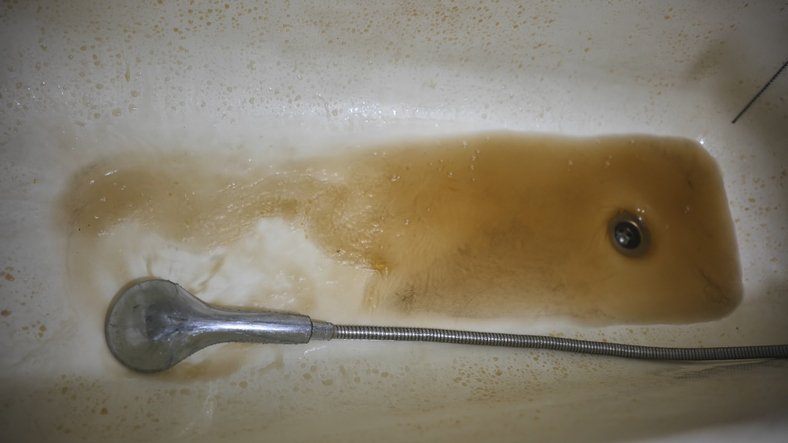
- Rust particles and sediment shed from corroded pipe walls enter the water supply, leading to discoloured water — often with a reddish or brownish tinge.
- The internal corrosion can create rough surfaces where bacteria find it easier to adhere and form biofilm.
- These pipes typically have a lifespan of 40 to 70 years, meaning many homes built in the 1970s and 1980s may already have pipes at or past this point.
Lead Pipes and Lead Solder
Lead pipes were used in some older Australian homes, though they were less common than in the United States or Europe. More relevant in the Australian context is lead-tin solder, which was widely used to join copper pipes until it was phased out in the 1980s. Even in relatively modern homes, lead solder at pipe joints can leach small quantities of lead into drinking water.
- Lead is a cumulative neurotoxin with no safe level of exposure, particularly for children and pregnant women.
- Lead leaches most readily into water that has been sitting stationary in pipes for extended periods — for example, first-thing-in-the-morning water after the pipes have been idle overnight.
- The risk increases with water that is slightly acidic or soft, which is more chemically reactive with lead.
- There is no visible sign that water contains lead — it looks and tastes normal even at harmful concentrations.
Copper Pipes
Copper became the dominant pipe material from the 1960s onwards and is still widely used today. Copper is durable, antimicrobial, and long-lasting under most conditions — but it is not immune to ageing.
- Pinhole leaks are the most common failure mode for aged copper. These develop gradually due to pitting corrosion, often related to local water chemistry, pipe velocity, or microbial activity.
- At very high concentrations, copper leaching into drinking water can cause a metallic taste and, over time, health concerns. Australian Drinking Water Guidelines set a limit of 2 mg/L for copper.
- Copper pipes typically last 50 years or more, but conditions such as aggressive water chemistry, high velocity, or poor installation can shorten this considerably.
How Ageing Pipes Affect Water Quality
The degradation of pipe materials over time affects water quality through several distinct mechanisms. Understanding these helps explain why even water that looks clean at the tap may not be as safe or pure as it should be.
Discolouration and Sediment
Discoloured water is one of the most obvious signs of pipe deterioration. It can range from a faint yellow tinge to full brown or rust-coloured water at the tap.
- Brown or orange water typically indicates iron and rust from corroding galvanised steel or cast iron pipes entering the supply.
- Black specks or discolouration can result from deteriorating rubber components in older fittings or valves.
- Sediment or grit at the bottom of a glass of water suggests particles are breaking free from the internal pipe wall.
- Discolouration is most pronounced after the household water supply has been inactive — first thing in the morning or after a period away. Running the tap for a minute or two and noting whether the colour improves helps diagnose whether the problem is internal to your home or from the street main.
Altered Taste and Odour
Water that tastes or smells unusual is often a signal that something in the pipe network is contaminating it. Even where the contamination level is below the threshold for immediate health risk, persistent taste or odour changes should be investigated.
- A metallic taste can indicate copper or iron leaching from corroding pipes — both are detectable at relatively low concentrations.
- A sulphurous or rotten egg smell is usually caused by bacteria thriving in stagnant water within a deteriorated pipe or hot water system, rather than the pipe material itself.
- An earthy or musty smell can indicate bacterial biofilm formation on the internal pipe wall surface.
- Changes in taste or odour that appear suddenly — rather than gradually — may indicate a specific event such as a pipe failure or a change in water pressure that dislodged accumulated deposits.
Reduced Flow Rate and Pressure
As pipes corrode and accumulate scale, their internal diameter shrinks. This directly affects water pressure and flow rate throughout the house — and also affects water quality indirectly.
- Mineral scale (primarily calcium carbonate) builds up inside pipes in areas with hard water. In parts of regional Victoria, water hardness can be elevated depending on the local catchment source.
- Narrowed pipes create turbulence and higher velocity flow at restriction points, which accelerates pipe wall erosion and increases the rate at which particles are shed into the water stream.
- Low-flow conditions in narrowed pipes can create stagnant zones where water sits longer than intended, increasing contact time with corroding metal surfaces.
Bacterial Contamination
This is the aspect of ageing pipes that most people do not consider. Corroded pipe walls provide a far more hospitable surface for bacterial colonisation than smooth new pipe interiors. Biofilm — a community of bacteria embedded in a protective matrix — can form on degraded pipe surfaces and is difficult to remove through normal flushing.
- Biofilm communities in domestic water pipes most commonly include Legionella species (the bacteria responsible for Legionnaires’ disease), Pseudomonas, and coliforms.
- Hot water systems and dead-end pipe runs (sections that receive little regular flow) are particularly susceptible to bacterial growth.
- Chlorine in the mains supply is effective at controlling bacteria in open water but can be depleted before reaching the far ends of an older, corroded pipe network.
- The risk is generally low in healthy, regularly used plumbing systems but increases significantly with ageing infrastructure, extended periods of low use, or inadequate hot water temperatures.
Warning Signs to Watch For in Your Home
You do not need a plumber in Bacchus Marsh to identify early warning signs that your home’s pipes may be affecting water quality. These are the signals worth paying attention to in any home.
- Water that runs brown or yellow, particularly first thing in the morning or after a period of non-use.
- A persistent metallic, earthy, or sulphurous taste or odour from tap water.
- Visible staining in sinks, basins, baths, or toilets — rust-coloured staining on white ceramic fixtures is a reliable indicator of iron in the water supply.
- Noticeably reduced water pressure compared to what you experienced when you first moved in, without any known changes to the mains supply.
- Scale build-up on tap aerators, showerheads, and appliance water inlets — this indicates mineral content is high and is likely depositing inside the pipes as well.
What You Can Do About Ageing Pipes
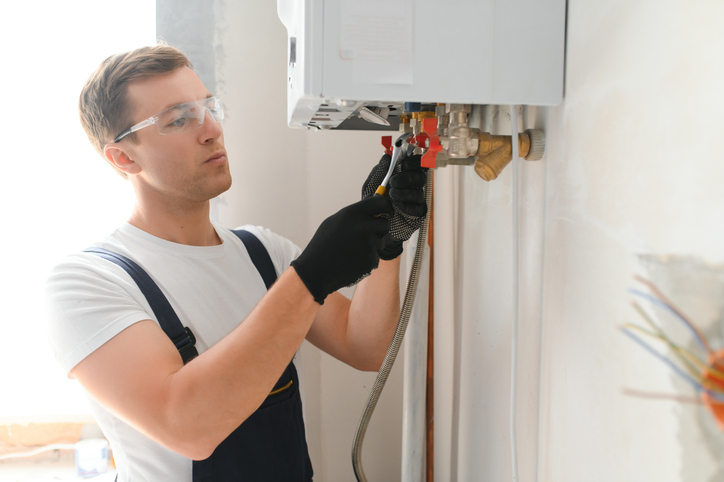
The right course of action depends on the type of pipe, the extent of deterioration, and your property’s specific circumstances. A licensed plumber can assess the situation and recommend the most cost-effective approach.
Pipe Replacement
Full pipe replacement is the most definitive solution for a deteriorated pipe network. Modern copper, PEX, or CPVC pipes offer decades of reliable service without the water quality issues associated with older materials. While the upfront cost is significant, it eliminates the problem completely and adds value to the property.
Pipe Relining
For sewer and drainage pipes, relining offers a minimally invasive alternative to excavation and replacement. A resin-impregnated liner is inserted into the existing pipe and cured in place, creating a smooth, corrosion-resistant new internal surface. This restores flow, seals cracks, and prevents root intrusion without digging up your yard.
Frequently Asked Questions
How do I know if my pipes are galvanised steel?
Galvanised steel pipes have a dull grey appearance and feel heavier than copper. If you scratch the surface with a key, you will see silvery metal underneath the grey oxide coating. A plumber can confirm the material and age during an inspection. If your home was built before 1980 and has never had repiping work done, galvanised steel is likely present.
Is discoloured water from the tap dangerous to drink?
Brown or rust-coloured water from corroded iron or galvanised steel pipes is considered unpleasant rather than acutely dangerous at the concentrations typically found in domestic plumbing. However, it does indicate elevated iron and sediment levels, and the same underlying corrosion may be introducing other contaminants. It is best to avoid drinking discoloured water and to have the cause investigated promptly.
How long does a full pipe replacement typically take?
A full domestic repipe for an average-sized home typically takes between one and three days depending on the size of the property, the accessibility of existing pipes, and the materials being installed. Your plumber can give you a specific timeframe after assessing the home. The process involves some disruption but is generally manageable for occupied homes.
Conclusion
Ageing pipes are not a problem you can afford to ignore, especially when they affect the quality of the water your family uses every day. Whether you are noticing early warning signs or just want peace of mind about a property you have owned for years, a professional plumbing assessment gives you clear answers and practical options.
At New Image Plumbing & Gas, our licensed team can assess your pipe network, identify deterioration before it becomes a crisis, and carry out replacements or relining work with minimal disruption to your household. Call us today at 0489 246 667 or get in touch via our online form to book an inspection.