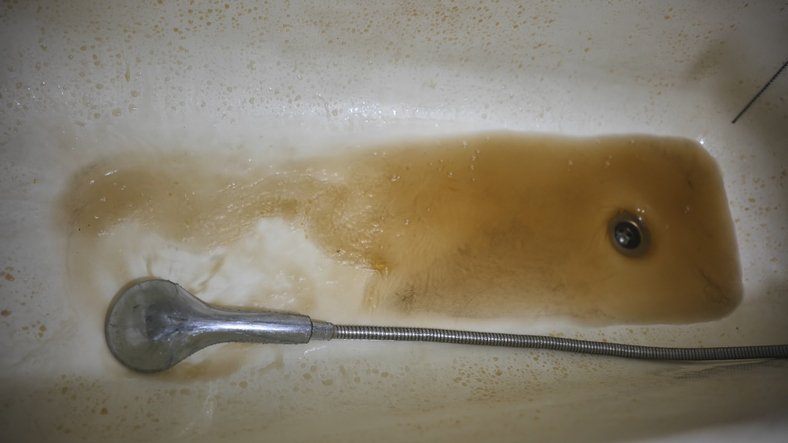
A blocked drain in Bacchus Marsh is one of those problems that most homeowners hope will sort itself out. You pour some drain cleaner down, run hot water, and if it seems to clear, you move on. But blockages that are not fully resolved have a habit of coming back — and each time they do, the damage accumulating inside your pipes is compounding.
Older properties often run on ageing clay or cast iron drainage systems that were not designed to last indefinitely. When a blockage builds up inside these pipes, the consequences can go far beyond a slow drain. In serious cases, a neglected blockage is a direct pathway to a full pipe collapse — and that is a problem that involves excavation, major repair costs, and significant disruption to your property. Understanding how this happens is the first step to preventing it.
What Happens Inside a Blocked Drain
A blockage rarely appears overnight. It builds up gradually — grease, food scraps, hair, tree roots, and mineral deposits accumulate layer by layer until the flow of water is restricted or stopped entirely. While the blockage itself is the obvious problem, what happens around it is what creates the conditions for structural failure.
Pressure Buildup
- When wastewater cannot flow freely past a blockage, pressure builds up behind it
- This hydraulic pressure is concentrated at the weakest points in the pipe — joints, bends, and corroded sections
- Repeated pressure spikes from flushing toilets or running multiple fixtures at once accelerate the stress on the pipe wall
- Over time, this pressure can cause micro-fractures that grow into cracks, and eventually into full structural failure
Backflow and Waste Saturation
- When flow is blocked, wastewater backs up and sits stagnant in the pipe for extended periods
- Stagnant sewage is highly corrosive — the gases and acids it produces attack the inner surface of the pipe
- For clay pipes common in older Bacchus Marsh properties, prolonged saturation accelerates deterioration and softening of the pipe wall
- The combination of corrosive waste and sustained pressure means the pipe weakens from both inside and outside simultaneously
Root Intrusion Through the Blockage
- Tree and shrub roots are naturally drawn to moisture and nutrients — a partially blocked drain is an ideal target
- Roots enter through hairline cracks or loose joints and grow rapidly inside the pipe, feeding off the organic material in the blockage
- As roots thicken, they exert outward force on the pipe walls, widening existing cracks
- In some cases, root growth alone is sufficient to split a pipe, particularly in older earthenware systems
- Gardens and large trees common in Bacchus Marsh’s residential areas make root intrusion a particularly relevant risk
The Link Between Blockages and Pipe Collapse
A pipe does not collapse all at once. It is a gradual process that moves through several stages, each one leaving the pipe more vulnerable than the last. Recognising where a pipe is in this progression determines how urgent the situation is.
Stage One: Partial Blockage
- Drains run slowly but water still passes through
- Gurgling sounds may be heard from drains after use
- Mild odours from drains can be noticeable
- At this stage, a professional clear with high-pressure jetting is straightforward and the pipe is likely still intact
Stage Two: Full Blockage
- Water backs up completely and will not drain at all
- Multiple fixtures may be affected simultaneously — a sign the blockage is in the main line rather than a branch
- Pressure is now concentrated and sustained against the pipe walls
- Wastewater may emerge from the lowest points in the system — floor gullies, inspection shafts, or external drains
- This stage requires urgent attention to prevent further damage
Stage Three: Structural Damage
- Cracks, fractures, or joint separations have developed in the pipe
- Wastewater is now leaking into the surrounding soil
- The soil around the pipe becomes saturated and begins to wash away, removing the support structure the pipe relies on
- This is the point at which collapse becomes a real and imminent risk
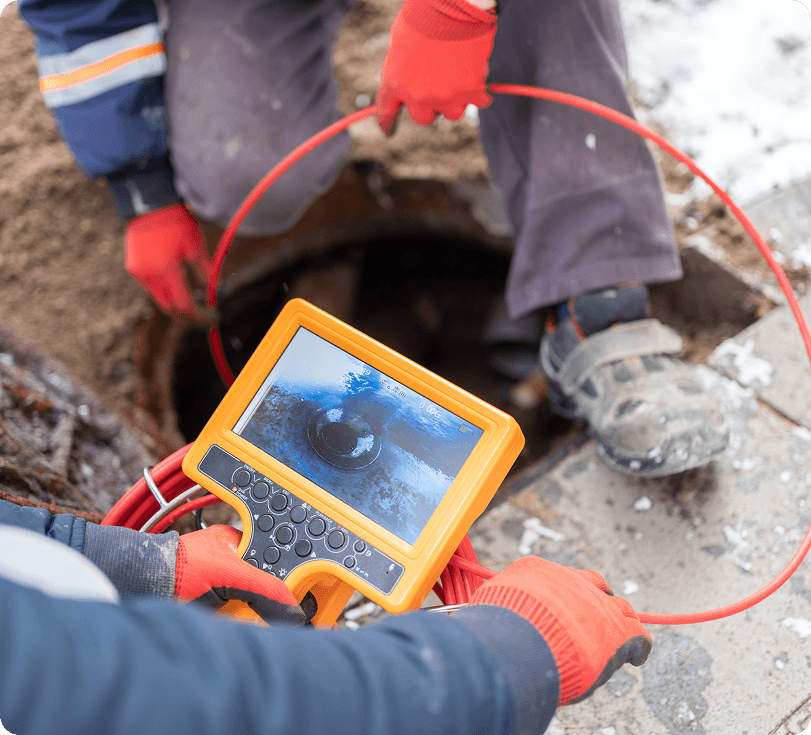
- A CCTV drain inspection at this stage will reveal the extent of the damage and what repair options remain
Stage Four: Pipe Collapse
- The pipe wall gives way entirely, either inward or outward
- Soil subsidence may be visible at the surface — depressions, soft patches, or sinkholes in the lawn or driveway
- Complete drainage failure occurs and sewage can accumulate underground or at the surface
- At this point, excavation is typically unavoidable unless the pipe is suitable for relining — and that window of suitability may already have passed
Warning Signs to Watch For
Catching the problem before it reaches stage three or four is far preferable to dealing with a collapse after the fact. There are several warning signs that Bacchus Marsh homeowners should take seriously.
Recurring Blockages
- A drain that blocks repeatedly in the same location is not a coincidence — it signals an underlying structural problem or persistent root intrusion
- Each recurrence is a warning that the pipe’s condition is deteriorating
- A CCTV inspection can confirm whether the blockage is symptomatic of something more serious
Slow Drains Across Multiple Fixtures
- When both the bathroom and kitchen drain slowly, or the toilet gurgles when the shower runs, the problem is likely in the main sewer line
- Main line blockages carry a higher risk of pressure damage because they carry the combined flow from the entire property
Wet or Sunken Ground
- Patches of unusually green, wet, or soft ground above where drainage pipes run can indicate an underground leak from a cracked pipe
- Small depressions or sinkholes in the lawn are a serious sign that soil has been washed away — often by sewage from a failing pipe
- Any unexplained ground movement near the drain line warrants immediate investigation
Repair Options for Damaged Pipes
The right repair approach depends on the extent of the damage found during inspection. A professional plumber Bacchus Marsh will assess the pipe condition using CCTV footage and recommend the most appropriate solution.
Pipe Relining
- An epoxy-impregnated liner is inserted into the existing pipe and expanded to bond with the inner wall, creating a new pipe within the old one
- Suitable for pipes with cracks, root intrusion, or joint damage — but only where the pipe has not fully collapsed
- Eliminates the need for excavation in most cases, protecting your garden, driveway, and landscaping
- The new liner is seamless and highly resistant to future root intrusion
- Expected service life of a quality pipe liner is 50 years or more
Pipe Replacement
- Required when the pipe has collapsed or is so severely damaged that relining is not viable
- Involves excavating to expose the failed section and replacing it with new PVC or PE pipe
- More disruptive and costly than relining, but necessary when structural integrity cannot be restored any other way
- A permanent solution when the replacement uses modern materials that will last for decades
Frequently Asked Questions
How quickly can a blocked drain lead to a pipe collapse?
There is no fixed timeline — it depends on the pipe’s age, material, and the nature of the blockage. A blockage that introduces root intrusion into an already weakened clay pipe could lead to collapse within months. In a newer PVC pipe, a blockage is unlikely to cause collapse unless it is left unaddressed for years. The key variable is the condition of the pipe when the blockage begins.
Can I use chemical drain cleaners to prevent this from happening?
Chemical cleaners can dissolve minor organic blockages, but they do not address the underlying causes — root intrusion, structural damage, or heavy grease buildup. They also have no effect on the pipe’s structural condition and cannot prevent collapse in a pipe that is already deteriorating. Regular professional maintenance is far more effective for prevention.
How can I reduce the risk of drain blockages in my home?
The most effective preventive measures are: avoiding pouring fats, oils, and grease down the kitchen drain; using drain strainers to catch hair and food particles; not flushing wet wipes or sanitary products; and scheduling a professional drain inspection every few years if your property has older pipes or established trees near the drain line. Being proactive is always less expensive than dealing with a collapse.
Conclusion
A blocked drain is rarely just a blocked drain. Without the right attention at the right time, it sets in motion a chain of events that can end with a collapsed pipe, excavation, and a repair bill that is orders of magnitude larger than what an early intervention would have cost. The warning signs are there if you know what to look for — slow drains, recurring blockages, unusual smells, and wet patches of ground are all your property telling you that something is wrong underground.
New Image Plumbing and Gas provides professional drain clearing, CCTV inspections, pipe relining, and drain restoration services across Bacchus Marsh and the wider western Melbourne region. We use advanced inspection and jetting equipment to get to the root of the problem and provide honest advice on the most cost-effective solution for your specific situation.
If your drains have been giving you trouble, do not wait until the situation escalates. Contact us today for a no-obligation assessment. We respond promptly, explain everything clearly, and carry out repairs that are built to last. Call us at 0489 246 667 or submit our online form.