When a hot water system stops working, the first question is rarely about brands or tank sizes. It is about time. How long after that until there is hot water at the tap again.
The honest answer has two parts, and confusing them is where most of the frustration comes from. There is the time a Bacchus Marsh plumber is on site doing the work, and there is the time it takes before the water in the tank is actually hot. Those are different numbers, and on some systems they are hours apart.
What Is the Typical Installation Time?
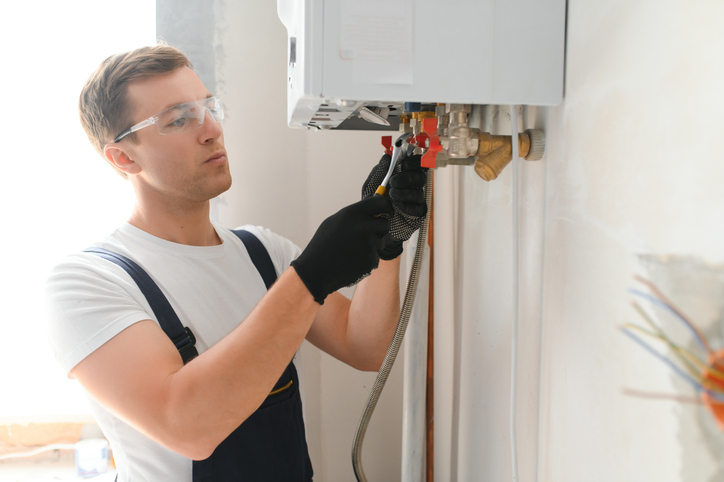
For the most common job, a like for like replacement in the same position, plan on two to four hours on site. That covers disconnecting the old unit, removing it, setting the new one, connecting the pipework and commissioning the system. In most cases hot water is available again within an hour or two of the plumber finishing, depending on the type of system.
- Like for like replacement, same position, same type: typically two to four hours on site.
- Replacement with a change of system type: often a full day, sometimes across two visits if a second trade is needed.
- Brand new installation where none existed: a day or more, because pipework, wiring or a gas line has to be run first.
- Heat pump or solar: longer again, usually half a day to a full day, plus a much slower heat up once it is running.
Those figures assume the job is straightforward and the parts are on the vehicle. Both assumptions are worth testing before you book, which is the subject of the rest of this guide.
Why Isn’t Hot Water Available Straight After Installation?
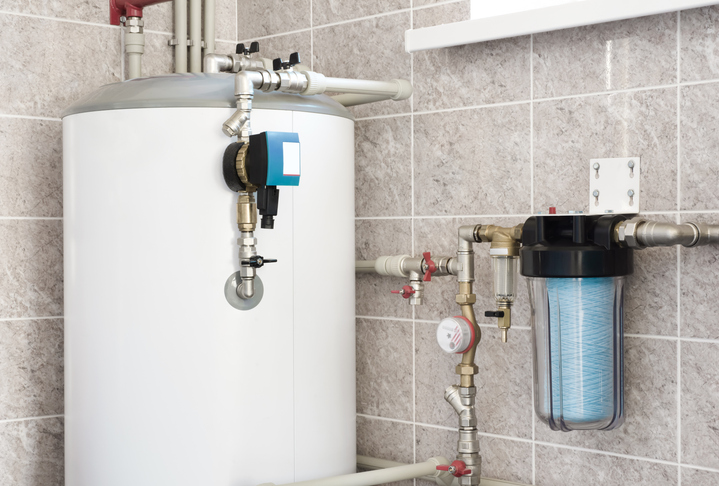
A plumber can have a new cylinder plumbed, filled and commissioned in a few hours, and still leave you with cold water for a while afterwards. That is not a fault. It is physics.
- Electric storage: an element brings a full tank up to temperature over roughly one to two hours, and longer if the cylinder is on a controlled load tariff that only heats overnight.
- Gas storage: a burner recovers a tank faster than an electric element, so hot water is usually available sooner.
- Continuous flow: there is no tank to heat, so hot water is available as soon as the unit is commissioned and the gas is purged.
- Heat pump: extremely efficient, but it moves heat rather than generating it directly, so a full tank can take several hours to reach temperature.
- Solar with electric boost: free heat on a sunny day, with the booster doing the work at night or in poor weather.
So the practical question is not only how long the install takes, but when you can shower. If you are booking a replacement on a Friday afternoon, that distinction decides whether you have hot water that evening or the next morning.
What Does a Hot Water Installation Involve, Step by Step?
Understanding the sequence explains where the hours go, and why one property takes two hours while the one next door takes six.
Isolate and make the old system safe
The plumber shuts off the water and the energy supply to the unit, whether that is electricity, gas or solar. On an electric system that means isolating the circuit, not just switching the unit off. On gas it means isolating at the appliance. This stage takes minutes on a clean install and considerably longer if the valves are seized or the isolation points have been buried behind a garden bed.
Drain and remove the old unit
A storage tank holds a lot of water, and it has to come out before the tank will move. Draining takes fifteen to forty minutes depending on access and sediment. Removing the unit is quick if it is in a garage or laundry, and slow if it is in a tight roof space, up a ladder, or behind a fence with no vehicle access. Old tanks are heavy even empty, and awkward to carry.
Prepare the position and the connections
New systems rarely match old ones exactly. Mounting points, pipe centres and flue positions all differ, so some reworking is normal. If the new unit is a different type, this is where the extra time appears: a new electrical circuit for an electric cylinder, a new gas line for a continuous flow unit, or a condensate drain for a heat pump.
Install, connect and pressure test
The new unit is set, connected, and the pipework is tested before anything is filled. A tempering valve is fitted to the outlet where one is required, which it is on a storage system supplying bathrooms. Under AS/NZS 3500.4, stored water must be held at 60 degrees or above to control Legionella, then blended down to no more than 50 degrees at fixtures used for personal hygiene. A pressure limiting valve is also fitted where the supply pressure is high, because the standard caps static pressure at outlets at 500 kPa.
Fill, commission and issue the paperwork
The system is filled, air is bled out, the energy supply is restored and the thermostat and relief valve are checked. In Victoria a compliance certificate is required for plumbing work where the total value exceeds $750 including labour, materials, appliances and GST, and it must be issued to the owner. That paperwork is part of a proper installation, not an optional extra.
How Long Does Each Type of System Take?
System type is the single biggest variable in the schedule, because different technologies need different trades and different commissioning.
Electric storage
Two to four hours where the circuit and position already suit the replacement, which is the most common scenario. An electric storage cylinder is heavy and bulky, so removal and positioning account for much of the time. If the switchboard work is needed, an electrician joins the job and the day stretches. Heat up after commissioning is roughly one to two hours, or overnight on a controlled load tariff.
Gas storage
Similar on site time to electric storage, in the region of two to four hours. Gas work adds a compliance step because gas installations must be tested and certified, and complex gas work involving a Start Work and Compliance Notice sits outside the standard certificate process. Recovery is faster than electric, so hot water returns sooner.
Continuous flow
Often the quickest, because there is no tank to drain or carry. Three to four hours is typical when a suitable gas line already exists. If the gas supply needs upgrading to meet the unit’s input, or the unit is relocating to an external wall, that is a longer day. Hot water is available almost immediately after commissioning.
Heat pump
Four to six hours for a split system, longer for a monobloc unit needing condensate drainage and clearances. Heat pumps need room to breathe and produce condensate, so siting takes thought. Heating a full tank can then take several hours. Victorian households may be eligible for a rebate on an eligible heat pump through the state’s energy upgrade schemes, which is worth checking before you buy rather than after.
Solar hot water
The longest of the common options, because roof work, collector mounting, framing and pipe runs are involved alongside the tank or instantaneous unit. A full day is realistic, and weather can push it further. Solar also needs the roof orientation and structural capacity checked first, which is a conversation to have before the install day, not on it.
What Can Cause Delays During Installation?
Most of the surprises on installation day come from the property rather than the product. The unit itself is predictable. The house around it often is not.
- Access. A tank in a tight roof space, a rear unit behind a locked gate, or a steep site with steps turns a two hour job into a four hour one. Parking matters more than people expect.
- Ageing pipework and seized valves. If the isolation valve will not close, the job starts with a repair. Old galvanised or brittle pipe may need replacing while the system is apart rather than leaving a weak point behind.
- A change of system type. Swapping electric storage for a heat pump, or storage for continuous flow, means new pipework, new clearances and often a second trade. That is where a half day becomes a full one.
- Electrical work. A like for like electric replacement can usually reuse the existing circuit. A new circuit, a new isolator or switchboard work needs a licensed electrician, and that has to be scheduled.
- Gas supply capacity. A high input continuous flow unit may need a larger gas line, and in some cases a meter upgrade arranged with the network. That adds days rather than hours.
- Parts availability. Common sizes and brands are usually on the shelf. An unusual capacity, a specific flue configuration or a backordered model can turn a same day job into a wait.
None of these are reasons to avoid the job. They are reasons to describe the property honestly when you book, so the right parts and the right trades are on site the first time.
Can It Really Be Done in a Single Day?
Yes, in the majority of cases. A failed storage cylinder replaced with a comparable unit is a half day job, and same day replacement is routine when the appointment is booked early and the unit is in stock. The scenarios that genuinely need more than a day are usually about scope rather than difficulty: a change of system type with electrical or gas upgrades, a relocation to a different wall, or a solar installation needing roof work.
One thing worth knowing: nobody can give you a firm time over the phone without seeing the property. A plumber who quotes a precise figure before looking at your access, your switchboard and your pipework is guessing. A range, given honestly, is more useful than a promise.
Frequently Asked Questions
Do I need to be home for the installation?
Somebody needs to provide access, confirm the scope and take the compliance certificate. You do not have to watch the work, but you do need to be contactable in case the plumber finds something that changes the job, such as a seized valve or unsafe wiring.
Will I have hot water the same day?
In most cases, yes. Storage systems need time to heat after commissioning, so a late afternoon install may mean hot water that evening or the following morning depending on the tariff. Continuous flow units have hot water available as soon as they are running.
Conclusion
Two to four hours is a realistic expectation for a hot water system installation in Bacchus Marsh. If your system has failed and you are weighing up a repair against a replacement, New Image Plumbing & Gas can look at it on site and give you a straight answer. We replace and repair electric, gas, heat pump and solar systems across Melbourne’s west. Call 0489 246 667 or submit our online form for more information.