A hot water system tripping the safety switch is one of the more confusing faults a homeowner can face. The system is still full of water, still plumbed correctly, and still looks perfectly normal. Nothing is leaking on the floor. Yet every time the switch is reset, it trips again within minutes or hours.
There are two quite different devices involved, and most of the confusion comes from the fact that both get called a safety switch. One is the residual current device on your switchboard, which protects people from electric shock. The other is an over-temperature cutout inside the hot water unit itself, which stops the tank overheating. They trip for different reasons, they reset in different places, and treating one as the other is how people end up resetting a switch five times before calling a plumber in Bacchus Marsh.
Two Different Devices That Can Cut Power
Before anything else, work out which device is actually tripping. It changes the diagnosis completely, and it is the first thing a plumber checks on arrival.
The safety switch on the switchboard
A safety switch is the everyday name for a residual current device, or RCD. It compares the current going out on a circuit with the current coming back, and if the two differ by even a small amount it cuts the power, because that difference means current is escaping somewhere it should not. The standard rating is 30 milliamps, and it operates within about 0.03 seconds. On a modern board the hot water circuit may have its own RCBO, which combines the safety switch and the circuit breaker in one unit. On an older board, one RCD may protect a whole group of circuits, which matters for diagnosis later.
The over-temperature cutout inside the unit
Electric storage systems have a thermostat that switches the element on and off to hold the set temperature, and behind it a separate device usually called the energy cutout or ECO. If the water gets too hot, typically around 90°C or a little above, the cutout opens and cuts power to the element. Many units have a small red reset button on or near the thermostat, behind the access cover.
An ECO trip is not a random event. It means the water reached a temperature it should never have reached, which almost always points to a thermostat that has failed closed or an element that is heating continuously.
If the switchboard device is tripping, you are looking at earth leakage: current escaping through water, a damaged element, or deteriorated wiring. That is an electrical safety issue which keeps recurring until the insulation fault is found. If the cutout inside the unit is tripping, you are looking at a control fault that allows the tank to overheat, which keeps recurring until the thermostat or element is replaced. Resetting either without finding the cause is a temporary measure at best, and with 240 volts sitting next to a tank of water, it is not a habit worth developing.
What’s the Cause on the Electrical Side?
When the switchboard device is the one tripping, the fault is an earth leakage path. These causes account for the overwhelming majority of callouts.
A failed or grounded heating element
The element is a resistive heating coil inside a metal sheath, immersed directly in the tank water. Over years that sheath corrodes or develops a pinhole, moisture reaches the coil inside, and the insulation resistance collapses. Current then flows to earth through the water, and the safety switch does exactly what it is designed to do. This is the most common reason an electric storage system trips the board, and it typically gets worse rather than better, tripping sooner each time.
Water where it should not be
A leaking tank seam, a failed seal at the element flange, or a perished gasket around the element cover can put water into the electrical enclosure. Once the terminal area is wet, current tracks across the surface to earth and the switch trips. A system that trips only after a hot water draw, or only during rain, is often showing this pattern.
Deteriorated wiring and connections
The cable feeding a hot water system lives in a hostile place: hot, often damp, sometimes in a ceiling space or against a tank that radiates heat for years. Insulation hardens and cracks, and terminal screws loosen with thermal cycling. A loose connection creates resistance, heat and eventually a fault. Rodent damage is not unusual either, particularly where cable runs externally at the base of a wall.
An ageing breaker or a tired safety switch
Safety switches do not last forever and can nuisance trip as they age. Around one in five fail to operate correctly within ten years, which is why Energy Safe Victoria recommends testing them every three months using the test button. A device that trips with nothing else changed, or that will not reset even with the hot water circuit isolated, is worth having tested rather than assumed to be the victim of another fault.
Another appliance sharing the protected circuit
On older switchboards one RCD often protects several circuits. The hot water system gets blamed because it is the biggest load and the one people notice, but the fault may be in a bathroom exhaust fan, an outdoor light full of water, or a fridge with a failing compressor. This is why isolating the hot water circuit and watching the board is part of the diagnosis rather than an optional extra.
The off-peak trap
Many electric storage systems are wired to a controlled load tariff, so the supply only switches on during set off-peak hours. That produces a very specific symptom: the system works all day, then trips at eleven at night. The fault was there the whole time and only revealed itself when power was applied. If your hot water trips at roughly the same time each day, this is almost certainly why, and it is a useful detail to give the plumber.
What Causes Problems Inside the Tank?
If the reset button inside the unit is the one tripping, the problem is temperature control rather than earth leakage. The water has exceeded the safe limit and the cutout has done its job.
A thermostat stuck closed
The thermostat is a switch that should open when the water reaches set temperature. When its contacts weld shut or its sensing fails, the element keeps heating with nothing telling it to stop. Water climbs past the normal setting, past 60°C, and keeps going until the cutout opens around 90°C. Resetting the cutout simply produces another overheat cycle, which is why repeat cutout trips and a stuck thermostat are effectively the same diagnosis.
Sediment and scale on the element
Scale insulates the element from the water it is meant to heat. The element runs hotter internally for the same output, the sheath degrades faster, and heat transfer becomes uneven. Sediment also traps heat at the base of the tank, which affects what the thermostat is sensing. In practice, scale shortens element life and makes both earth leakage and over-temperature faults more likely.
A cutout that has failed in its own right
The cutout can also wear out, particularly after repeated overheat events. The unit may then trip at temperatures well below the intended limit, or refuse to reset at all. It is a cheap part relative to a tank, but it should never be replaced without confirming the thermostat and element are sound, because replacing it alone just re-arms the same fault.
Tank corrosion
A corroding tank is a slow leak waiting to reach the electrical side. Once water is weeping around the element boss or the base of the cylinder, the electrics are living in a damp environment. On a system past ten to fifteen years, this is often where repair stops being the sensible spend.
What To Do Before You Reset It Again
If the switch has tripped more than once, treat it as information rather than inconvenience. This is the sensible sequence before anyone touches the board.
- Confirm which device tripped: the switchboard switch, or the reset button inside the unit
- Note the time it tripped and whether it lines up with off-peak hours
- Look for water around the base of the tank, at the element cover, or on the floor nearby
- Check whether water from a tap is unusually hot, which points to a thermostat or cutout issue
- Do not open the element cover, because the terminals behind it are live and sit inches from water
- Do not reset the device repeatedly to see whether it holds
- If there is any smell of burning, scorching at the outlet, or visible water in the electrical enclosure, leave the circuit off and call immediately
One reset after a single unexplained trip is reasonable. A third is not. A device that trips three times is telling you something specific is wrong, and the next trip may happen while somebody is standing near the tank.
How a Plumber Can Help
A proper diagnosis follows a sequence, because guessing at components is how parts get replaced that were never faulty.
Isolation and testing
The first step is to isolate the hot water circuit and see whether the board holds. If it does, the fault is on that circuit. If it does not, the fault is elsewhere and the system has been blamed unfairly. This single test saves a lot of unnecessary work.
Element and thermostat testing
The element is tested for insulation resistance and continuity, which shows whether it is grounded or open circuit. The thermostat is checked for correct operation and the cutout for continuity. Where the element tests fine but the cutout keeps tripping, the thermostat is the likely cause. Where the element is grounded, it needs replacing, and often the thermostat as well, since one fault tends to damage the other.
The circuit and the switchboard
Cable condition, terminal tightness and the age of the protective device all get checked. Where a board predates safety switches on all circuits, this is the moment to discuss upgrading rather than repeatedly resetting. Energy Safe Victoria’s position is straightforward: older boards without safety switches are a warning sign, and a house over thirty years old should have its wiring checked by a licensed electrician.
The repair or replace decision
Once the fault is identified, the question becomes whether the cylinder is worth repairing. Age, tank condition, rust in the relief valve discharge and the cost relative to replacement all feed into that. A thermostat or element on a cylinder under eight years old is usually a straightforward repair. The same fault on a fifteen-year-old tank with a weeping seam is money spent on borrowed time.
When Repair Stops Making Sense
No one wants to replace a hot water system in a hurry, but there are clear signals that repair is the more expensive path.
- The cylinder is past its expected service life, which for electric storage is generally ten to fifteen years
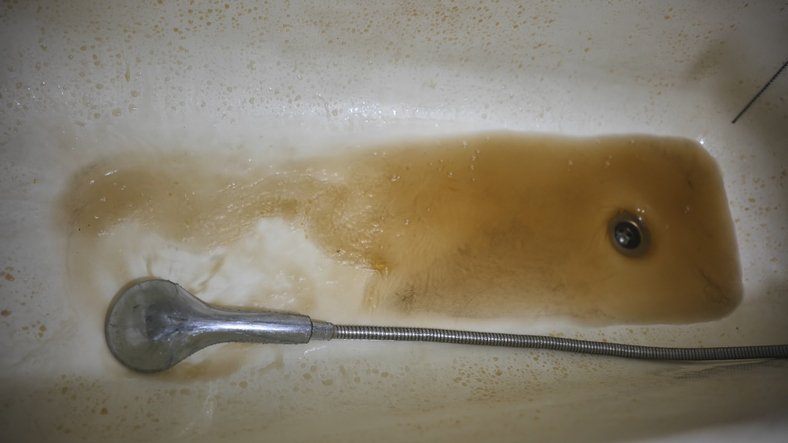
- There is rust coloured water at the relief valve, which points to internal corrosion
- The tank is weeping at a seam or around the element boss
- Elements and thermostats have been replaced more than once in a short period
- The system trips again within days of a repair, which means the fault was not fully addressed
- The repair cost is approaching a significant share of replacement, which is the usual tipping point
Frequently Asked Questions
Why does my hot water trip the safety switch only at night?
Because the system is probably on a controlled load tariff that only energises during off-peak hours. The fault exists all day, but there is no power on the circuit for it to show itself. If the trips line up with roughly the same time each evening or early morning, mention that when you book, because it narrows the diagnosis immediately.
Can I just keep resetting the safety switch?
No. One reset after a single unexplained trip is reasonable, but repeated resets are not, because the device is doing its job by cutting power to a fault involving water and 240 volts. If it trips a second or third time, the system needs to be checked rather than coaxed back into service.
My hot water is dangerously hot. Is that related?
Very likely. Water hot enough to scald at the tap suggests a thermostat that has failed closed, or a tempering valve no longer doing its job. Normal practice is to store water at 60°C or above to control Legionella bacteria, then temper it down before it reaches the tap. If the delivery temperature has climbed, stop using it and have it assessed, particularly in a house with children or older residents.
Conclusion
A tripping safety switch is not a nuisance fault to be managed with a reset button. It is either an earth leakage path through a failing element or wet electrics, or a control failure that is allowing the tank to overheat. Both get worse with time, and neither is resolved by resetting and hoping.
If your hot water system in Bacchus Marsh has started tripping, is running too hot, or is leaking anywhere near the element cover, New Image Plumbing & Gas can isolate the cause and tell you honestly whether you need a repair or a replacement. Call 0489 246 667 or submit our online form and we will get the hot water back on safely rather than just resetting the switch again.