Grout is the part of a tiled surface nobody thinks about until it starts to fail. It is also the part that decides whether the whole installation survives. Once grout cracks, crumbles or washes out, water gets behind the tiles, and from there the damage moves into the adhesive, the screed, and eventually the waterproofing membrane underneath.
For homeowners there is an extra dimension to this. The district sits on expansive clay soils that move with the seasons, so tiled floors and walls are asked to cope with more ground movement than most. This guide covers what actually causes grout and tile damage, how to read the early warning signs, and whether you should call a tiler or a plumber in Bacchus Marsh.
What Grout Actually Does
Grout fills the joints between tiles and does three jobs at once. It locks the tile edges so they cannot chip against each other, it allows a controlled amount of movement, and it keeps the bulk of the water away from the substrate beneath. It is a wear item rather than a permanent fixture, and it needs to be treated that way.
- Cement based grout is porous by nature and absorbs a small amount of water every time a shower runs
- Grout has some flexibility, which is what stops tiles cracking against each other as a building moves
- The waterproofing membrane underneath is what actually keeps water out of the structure. Grout protects the membrane, it does not replace it
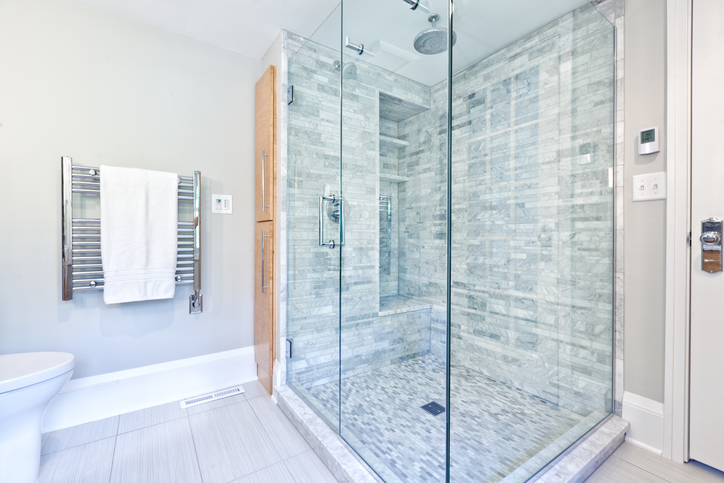
- Grout in a busy shower takes a beating from water, soap, body oils and cleaning products, and will need attention long before the tiles do
Read the joints as a sacrificial layer rather than a permanent one. That changes how you maintain them: a shower that is resealed and cleaned gently will hold its waterproofing far longer than one where the grout is expected to last indefinitely.
What’s the Cause of Grout and Tile Damage?
Almost every failure comes back to one of a handful of causes. In practice they overlap, and one problem usually accelerates another.
Water ingress through porous grout
This is the most common starting point. Cement grout is not waterproof, and once it loses its sealer or develops hairline cracks, water tracks into the tile bed on every shower. The adhesive softens, the bond weakens, and the first sign is usually grout that crumbles when you touch it or tiles that sound hollow underfoot.
A failed or missing waterproofing membrane
Wet areas in Australia are required to be waterproofed to AS 3740, which sets out where the membrane goes, how far it must turn up the wall, and how joints and penetrations must be treated. Membranes fail when they are punctured during tiling, when they are not lapped correctly, when there is no fall to the waste, or when they were never installed in the first place. Older bathrooms built before the current requirements are the usual suspects.
Efflorescence
Efflorescence is the white, powdery deposit that appears on grout lines and sometimes on the tile face. It forms when water moves through cementitious material, dissolves naturally occurring salts, and carries them to the surface, where the water evaporates and leaves the salt behind. A small amount once is normal. A deposit that keeps coming back is telling you water is moving through the assembly in a way it should not.
Ground movement and settlement
Tiles are rigid and grout is only slightly flexible, so anything that moves the floor beneath them transfers straight into the grout lines. Cracks that run in long straight lines, grout that opens up along a wall junction, or tiles that lift at the corners are all classic movement symptoms rather than signs of a bad grout mix.
Thermal movement
Tiles expand when they warm and contract when they cool. Large tiled areas, north facing rooms, floors over heated slabs and outdoor areas all need movement joints at the right intervals. Where those joints are missing, the stress builds until it releases as a crack through the middle of the floor or as tiles tenting up off the screed.
Harsh cleaning products
Cement grout is alkaline, and acidic cleaners attack it. Vinegar, citrus based sprays, bleach left to sit, and abrasive pads all take the surface off the grout and open up the pores. Once the grout is roughened it holds dirt, so people clean harder with the same product, and the cycle speeds up. A pH neutral cleaner and a soft brush do far less damage.
Mould and mildew in the grout lines
Black or green discolouration in the grout is not structural damage on its own, but it is a moisture indicator. Mould needs sustained damp to establish, so a shower that grows it back within weeks of cleaning is a shower that is not drying out. That points to ventilation, a trapped water leak in Bacchus Marsh, or water sitting in the tile bed.
Poor installation
Plenty of failures are built in on day one. Insufficient adhesive coverage, adhesive applied in dabs rather than a full bed, grout mixed too wet and left more porous than it should be, tiles not back buttered, and no allowance for movement are all common. These installations often look fine for a year or two before the problems appear.
Plumbing leaks behind the tiles
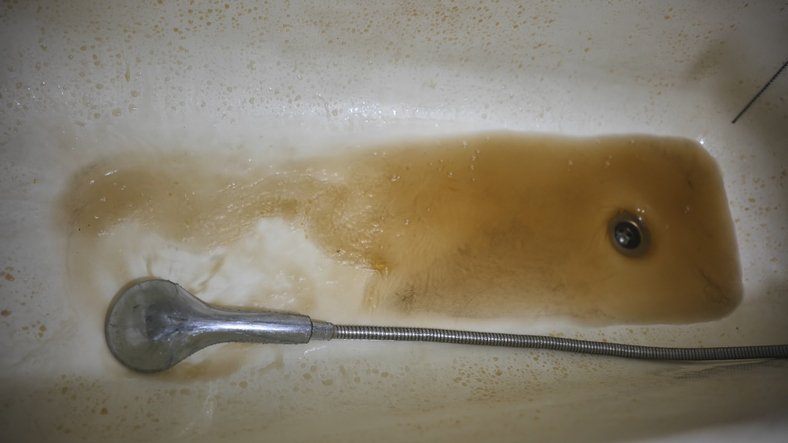
This is the cause homeowners most often miss. A shower mixer with a worn seat, a failed waste seal, a leaking tap body inside a wall cavity or a slow leak under a tiled floor will keep the tile bed permanently damp without any obvious water on the surface. The tiles and grout get blamed for damage that is being caused by the plumbing behind them.
Warning Signs You Should Not Ignore
Grout and tile damage rarely appears overnight. The early warnings are quiet, and catching them early is the difference between regrouting a shower and rebuilding it.
- Grout that crumbles, powders or falls out when you run a finger along it
- Tiles that sound hollow or dull when tapped, which usually means the adhesive bond has broken down
- White powdery deposits on grout lines that return after cleaning
- Cracks that follow a straight line across a floor or up a wall
- Tiles that have lifted at a corner, or a floor that feels springy underfoot
- Musty smells in a bathroom or laundry that do not clear with cleaning
- Damp patches, bubbling paint or staining on the ceiling below a tiled area
- Grout lines that stay dark for hours after a shower, which means water is sitting in them
Any one of those on its own is worth watching. Two or three together usually mean water has been getting in for a while, and that the membrane or the plumbing behind the tiles needs checking rather than just the grout.
How to Protect Grout and Tiles
Most of the practical prevention comes down to keeping water out and letting the room dry.
Seal the grout and renew the sealer
A penetrating sealer slows water absorption but does not stop it permanently. In a shower it typically needs renewing every year or two, and in a low use area it lasts longer. Epoxy grout is the more permanent answer for a shower floor, because it is not porous in the same way cement grout is.
Ventilate the room properly
Run the exhaust fan during and after every shower, and leave the door open afterwards. A fan that is undersized, noisy or simply not used is one of the most common reasons a bathroom never dries out.
Deal with standing water
Squeegee shower walls, hang towels where they can dry, and fix any ponding on the shower floor. Water that sits against grout is water that will eventually get through it.
Fix leaks before they become tile problems
Have a leaking shower mixer, dripping tap or failing waste seen to promptly. Water escaping inside a wall or under a floor does not need to be dramatic to do years of damage to a tile bed.
Plumber or Tiler?
This is the question that decides whether the repair actually works. If water is getting behind the tiles because of failed plumbing, a tiler can replace the grout and the membrane and the problem will come back, because the source was never addressed. If the plumbing is sound and the failure is in the grout, the membrane or the tile bed, a tiler or waterproofer is the right trade.
In practice the two work together. A shower leaking behind the wall needs a plumber to fix the leak first, followed by waterproofing and retiling to restore the wet area.
Frequently Asked Questions
Can I just regrout over the damaged grout?
Not successfully. New grout does not bond to old, crumbling grout, and it will fail within months. The old grout needs to be raked out to a reasonable depth first, and any hollow tiles need to be re-bonded or replaced before the joints are refilled. If the moisture source is still active, regrouting simply hides it for a while.
Is the white powder on my grout dangerous?
No. Efflorescence is a salt deposit and it is not a health risk. It is a useful diagnostic sign though, because it confirms moisture is moving through the tile assembly. If it keeps returning after you clean it, the water source needs to be found rather than cleaned away again.
How often should grout be sealed?
In a shower, every twelve to twenty four months is a reasonable guide. In a laundry or on a floor that only gets occasional water, it can stretch longer. The test is simple: if water beads on the grout, the sealer is still doing its job. If it soaks in and darkens the joint, it is time to reseal.
Conclusion
Grout and tile damage is rarely about the tiles themselves. It is about water finding a way in, movement finding a weak point, or a maintenance step being skipped for a season too long.
The value in understanding the cause is that it stops you spending money twice. Regrouting a shower that is quietly leaking behind the wall looks like a fix and behaves like a delay. Working out whether the moisture is coming from the plumbing, the membrane or the grout is what makes the repair last.
If you are seeing cracked grout, hollow tiles, recurring white powder or a damp patch that will not dry in your home, New Image Plumbing & Gas can tell you whether plumbing is behind it. Call 0489 246 667 and get the cause confirmed before you spend anything on cosmetic repairs.