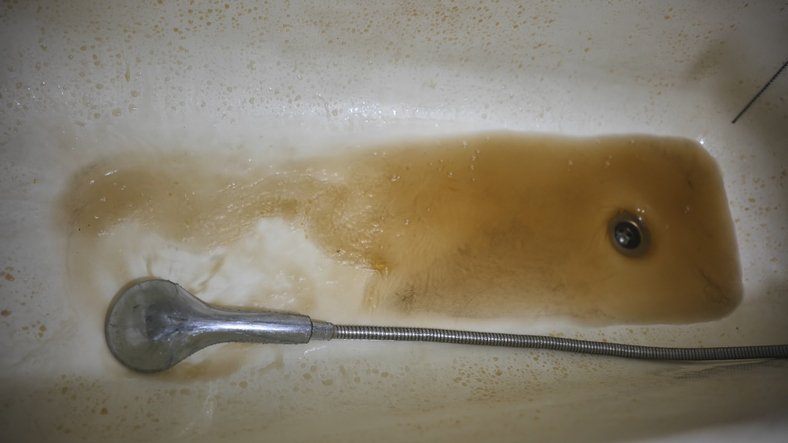
The moment you turn on the hot tap, the bathroom fills with the smell of rotten eggs. It is hard to ignore and even harder to describe to a plumber over the phone. Plenty of homeowners assume the worst, either that something has died in the roof space or that there is a gas leak somewhere in the house.
In most cases the cause is far more ordinary, and it sits inside the hot water system. This guide explains what the smell actually is, why it develops in some systems and not others, how to narrow down where it is coming from, and what a licensed plumber in Melton does to fix it so it does not come back.
What Is the Rotten Egg Smell in Hot Water?
The smell is hydrogen sulphide gas, usually written as H2S. It is produced when naturally occurring sulphate-reducing bacteria convert sulphates in the water into sulphide, and the result is that unmistakable rotten egg odour. The same gas is responsible for the smell of a stagnant drain, and an odourant very close to it is added to natural gas, which is why people often jump to the wrong conclusion.
A few points are worth understanding before you start hunting for the cause:
- The human nose detects hydrogen sulphide at extremely low concentrations, which is why a small amount in a tank is enough to fill a bathroom
- The bacteria that produce it are not harmful to people, and the gas at the levels found in a household hot water system is unpleasant rather than dangerous
- At much higher concentrations hydrogen sulphide deadens the sense of smell, so a smell that suddenly vanishes without any repair is worth investigating
- A hot water smell and a gas leak are two different problems, but they smell similar, so any gas smell present in the air rather than in the water should be treated as an emergency
Where the reaction happens
In the overwhelming majority of cases the smell is created inside a storage tank rather than in the pipework or the water supply. That is why it usually appears only at hot taps and disappears at cold ones. Cold water comes straight from the mains and never sits in a warm tank, so it never gives the bacteria the conditions they need.
The Most Common Causes in a Home Hot Water System
There are several reasons a tank starts producing hydrogen sulphide. In practice, more than one of them is usually involved at the same time.
A magnesium anode rod
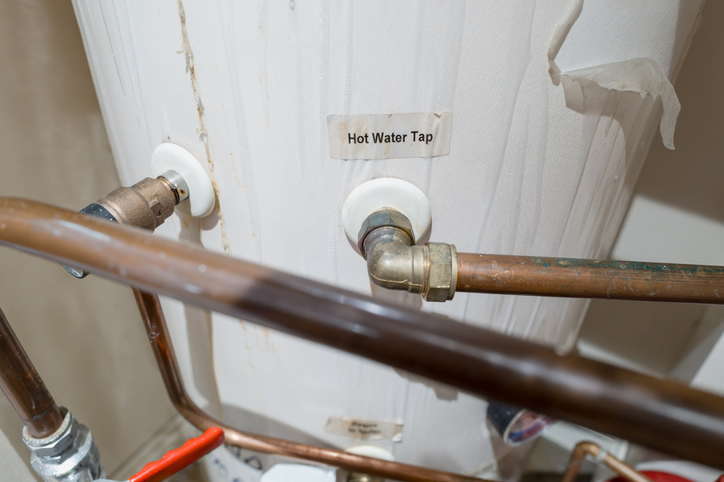
Almost every tank-style hot water system contains a sacrificial anode. It is a metal rod screwed into the top or side of the cylinder, and its job is to corrode instead of the steel tank wall. Magnesium is one of the most common materials used in Australian systems because it protects steel very effectively. The downside is that as magnesium corrodes it releases hydrogen, and hydrogen is exactly what sulphate-reducing bacteria feed on.
- Magnesium anodes give excellent corrosion protection but are the single most common trigger for sulphur smells
- A brand new anode is at its most reactive, so the smell often appears soon after a system is installed or an anode is replaced
- Aluminium or aluminium-zinc anodes produce far less hydrogen while still protecting the tank, which is why they are the usual long term fix
- Powered or impressed current anodes use electricity instead of corrosion, so they do not create the hydrogen the bacteria need
- Removing the anode entirely stops the smell but leaves the tank unprotected and will usually void the manufacturer’s warranty
Sulphate-reducing bacteria in the tank
The bacteria themselves are naturally present in water supplies and in household plumbing. They are harmless to drink, but a warm tank with a steady food source is close to an ideal environment. Once a colony establishes itself in the bottom of a cylinder it will keep producing gas until the tank is disinfected and the conditions that let it thrive are removed.
A tank that has sat unused
A hot water system that sits idle for a week or two loses its chlorine residual, stops receiving fresh oxygenated water, and simply sits at temperature while the bacteria multiply. Coming home from a holiday to a bathroom that reeks of sulphur is a very common pattern. Holiday homes, granny flats and spare bathrooms are especially prone to it.
Sediment and sludge
Over time, minerals and debris settle at the bottom of a cylinder and form a layer of sludge. That layer shelters bacteria from the heat above it and reduces the efficiency of the heating element or burner. A tank that has never been flushed will typically carry several centimetres of sediment by the ten year mark.
A storage temperature that is too low
Storage hot water must be held at 60 degrees Celsius or above. That is the requirement set out in AS/NZS 3500.4, and it is the figure that keeps bacteria in a storage cylinder in check. Between roughly 20 and 45 degrees, bacteria multiply freely. A thermostat that has drifted, or a system deliberately turned down to save power, creates exactly that environment.
- 60 degrees Celsius or above at the tank is the standard storage requirement
- A tempering valve then blends cold water in, so bathroom outlets deliver no more than 50 degrees and nobody gets scalded
- Turning a tank down below 60 degrees to save money is a false economy, because it invites bacteria and can shorten the life of the system
How to Work Out Where the Smell Is Coming From
A few simple checks will narrow it down before anyone touches the system.
- Run the cold tap on its own for thirty seconds and smell the water. If the cold water smells, the problem is in the supply rather than the heater
- Run the hot tap on its own and smell the water. A hot only smell points straight at the storage tank
- Smell the drain rather than the water. Cup your hand near the waste outlet and compare the two
- Note when it is worst. First thing in the morning or after a holiday points to a tank, while a smell that never changes points to a drain
- Check whether every hot tap in the house does it. If it is only one tap, the problem is local to that fixture or its branch line
What Actually Fixes the Problem
Clearing the smell permanently means removing the conditions that let it form, not just masking it for a few weeks.
Flush the tank
Draining and refilling the cylinder removes the water holding dissolved gas as well as the sediment layer that shelters bacteria. It usually gives immediate relief. On its own it is a temporary measure, because if the anode and the bacteria are still in place the smell will return within weeks.
Disinfect the system
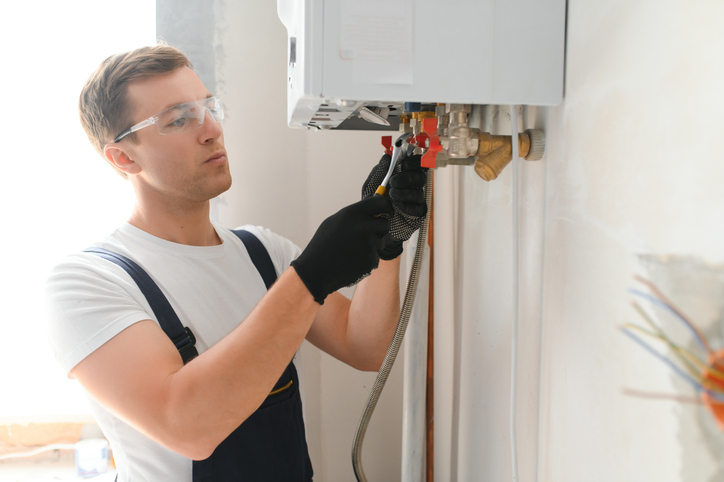
A controlled chlorination of the tank and associated plumbing kills the bacterial colony rather than just diluting it. This is a job for a licensed plumber, because the dose has to be right, the system has to be flushed properly afterwards, and every fixture on the hot line needs to be treated.
Change the anode material
Replacing a magnesium anode with an aluminium or aluminium-zinc anode is the most reliable long term fix for a tank that keeps producing sulphur. It keeps the corrosion protection in place while removing the hydrogen source. A powered anode achieves the same thing in a system set up for one.
Restore the storage temperature
If the thermostat has been turned down, it needs to be set back to 60 degrees or above and then checked at the tank. This is also a good moment to have the tempering valve tested, since the two components work as a pair and a valve that has drifted can undo the benefit of a hotter tank.
What Not to Do
Some of the advice circulating online does more harm than good. A few things to avoid:
- Do not remove the anode and leave it out. It protects the tank, and without it the cylinder will rust from the inside
- Do not drink hot water that smells of sulphur, and do not use it for cooking or for filling baby bottles. Use the cold tap and heat it
- Do not pour bleach into the tank yourself. It is difficult to dose correctly, it can damage components, and it leaves the system unsafe to use
- Do not push the thermostat above 60 degrees hoping to kill the smell faster. Hotter storage increases scalding risk and puts more strain on the tank and the tempering valve
- Do not assume it is a gas leak, but do not rule it out either. If you can smell gas in the air rather than in the water, get out and call the gas emergency line
Frequently Asked Questions
Is it safe to shower in hot water that smells like rotten eggs?
Generally yes. The bacteria that cause the smell are not harmful to people, and the concentration of hydrogen sulphide in a household system is very low. That said, the smell is unpleasant, it can leave you feeling less clean than before, and higher concentrations over long periods are not something to ignore. Treat it as a problem to fix rather than a quirk to live with.
Will the smell go away on its own?
Occasionally, and only if the cause was a short period of stagnation. Run every hot tap in the house for several minutes after a holiday and the smell may clear within a day. If it is still there after a week of normal use, the colony is established and it will not fix itself.
Can I just take the anode rod out?
You can, and it will usually stop the smell. It will also leave the inside of the cylinder unprotected, which means the tank corrodes from the inside out and may fail years earlier than it should. It will almost certainly void the manufacturer’s warranty. Swapping the anode for a different material achieves the same result without the risk.
Does a continuous flow system get this problem?
Rarely, because there is no storage tank and no anode rod. If you have an instantaneous unit and you can smell sulphur, the cause is more likely in the incoming supply, in a rainwater tank feeding the system, or in a drain nearby.
Conclusion
A rotten egg smell in the hot water is one of those problems that feels worse than it is. It is unpleasant, it spreads through the whole house, and it makes every shower a negotiation. But it is also well understood, and in most homes it comes down to a magnesium anode, some bacteria and a tank that has been sitting warm for too long.
The important thing is not to leave it. A smell that starts in the tank is usually a signal that the anode is worn, the thermostat has drifted, or the cylinder is holding sediment, and each of those will shorten the life of the system if it is ignored. Sorting it early is much cheaper than replacing a cylinder that has rusted through from the inside.
If you are dealing with smelly hot water, New Image Plumbing & Gas can diagnose it properly. Same day hot water service in Melton is available for urgent jobs. Call 0489 246 667 and have it sorted before the smell gets another week to settle in.