A new dishwasher is one of those appliances that seems simple to install until you are under the kitchen sink looking at a tangle of pipes and wondering which connection goes where. The good news is that dishwasher plumbing follows a consistent logic. Once you understand the three connections involved, the process makes complete sense. The more important news is that in Victoria, some of these connections are regulated work that legally requires a licensed plumber in Melton.
This article walks through how dishwasher plumbing connections actually work, what is involved in each connection, and what to watch for with existing plumbing in older homes.
Understanding the Three Connections
Every dishwasher requires three plumbing connections to function: a water supply connection to bring hot or cold water into the machine, a drain connection to remove wastewater after each cycle, and in some installations an air gap or high-loop arrangement to prevent drain backflow. Each of these connections has specific requirements.
The Water Supply Connection
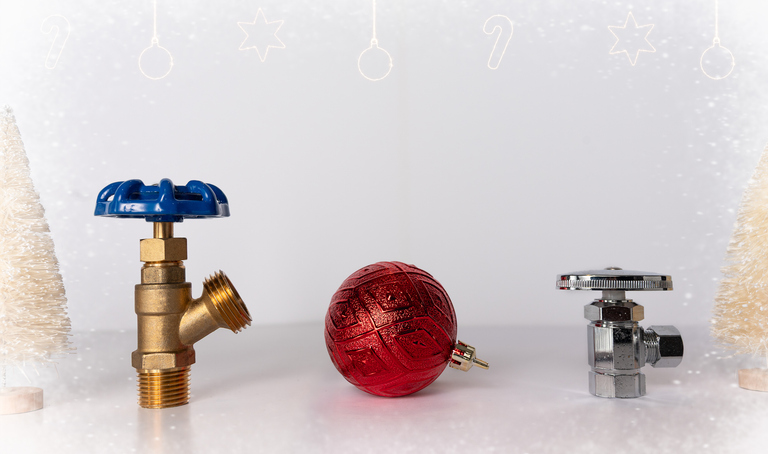
The dishwasher’s water supply inlet is typically a standard 3/8-inch or 1/2-inch compression fitting that connects to a dedicated shutoff valve under the kitchen sink. This valve allows the dishwasher’s water supply to be isolated without interrupting water to the rest of the kitchen.
- Hot versus cold supply: Most dishwashers sold in Australia are designed to connect to a cold water supply and heat the water internally using an element. Some older models or European brands connect to a hot water supply. Check your appliance’s installation manual before making any connections.
- Dedicated shutoff valve: If your existing under-sink plumbing does not include a dedicated shutoff valve for the dishwasher, one needs to be installed. This is licensed plumbing work in Victoria.
- Braided supply hose: The dishwasher connects to the shutoff valve via a braided stainless steel supply hose. These hoses are supplied with most new dishwashers but should be inspected and replaced if they show signs of swelling, cracking, or corrosion on the fittings. A failed supply hose is one of the most common causes of dishwasher flooding.
- Water pressure: Australian dishwashers are designed to operate within a standard residential water pressure range, typically between 30 and 1000 kPa. If your home has unusually high or low pressure, this can affect dishwasher performance and may require a pressure-limiting valve or booster pump.
The Drain Connection
The dishwasher drain hose carries wastewater from the appliance to the household drain system. This connection is made at one of two points: the drain inlet on the kitchen sink’s waste outlet, or directly into the waste pipe under the sink.
- Connecting to the sink waste: The most common arrangement in Australian homes is to connect the dishwasher drain hose to a spigot on the kitchen sink’s P-trap or waste outlet. Many kitchen sink waste fittings include a capped dishwasher spigot. If no spigot is present, a new waste fitting with a dishwasher inlet needs to be installed.
- Connecting via a standpipe: In some installations, the dishwasher drain hose connects to a separate standpipe — a dedicated vertical pipe connected to the household drain. This is more common in commercial settings but is also used in some residential configurations.
- Drain hose routing: The drain hose must be routed correctly to prevent siphoning — the unwanted backflow of wastewater from the sink drain back into the dishwasher. This is achieved either through a high loop (routing the hose up to the underside of the benchtop before dropping down to the drain connection) or an air gap device.
- Check valve: Most modern dishwashers include a built-in check valve in the drain pump to prevent backflow. However, this does not eliminate the need for correct drain hose routing — the check valve and the high-loop or air gap work together as a system.
The Air Gap
An air gap is a physical device that creates a genuine break in the drain line, preventing any possible backflow of wastewater from the sink into the dishwasher. It mounts through a hole in the benchtop or sink and connects the dishwasher drain hose to the sink waste or garbage disposal inlet via a short hose on the outlet side.
Air gaps are not universally required in Australia — the Building Code of Australia and most Australian Standards allow a correctly installed high-loop as an alternative. However, if your local plumbing inspector or water authority requires one, it must be installed. If an air gap is already present in your kitchen from a previous installation, it should be reused or replaced rather than removed.
What the Installation Process Looks Like
When a licensed plumber connects a new dishwasher, the process follows a sequence to ensure every connection is correct, watertight, and compliant.
Step 1: Assess the Existing Under-Sink Plumbing
Before making any connections, the plumber inspects the existing under-sink configuration. This includes checking the condition and size of the existing shutoff valve (or noting if one needs to be installed), confirming the waste outlet has a dishwasher spigot, and checking the available space for hose routing. In older Melton homes, it is common to find chrome compression fittings that are corroded or partially seized, missing dishwasher spigots, or P-traps that are poorly positioned for a clean drain hose run.
Step 2: Install or Check the Shutoff Valve
If a dedicated dishwasher shutoff valve is not already present, one is installed on the hot or cold water supply line under the sink. The water supply to the kitchen is turned off at the isolation valve or meter, the new valve is fitted, and supply is restored. The plumber checks for water leaks in Melton homes before proceeding.
Step 3: Position and Slide the Dishwasher into Place
The dishwasher is carefully slid into its cabinet opening. The supply hose and drain hose are fed through the cabinet side panel or through a hole at the back of the under-sink cupboard before the appliance is pushed fully into position. Care is taken to avoid kinking either hose, as a kinked drain hose restricts drainage and a kinked supply hose can fail under pressure over time.
Step 4: Make the Water Supply Connection
The braided supply hose is connected from the dishwasher’s water inlet (at the base of the appliance) to the shutoff valve under the sink. The connection is hand-tightened and then given a firm quarter-turn with a wrench — over-tightening can damage the rubber washer inside the fitting and cause a drip. The shutoff valve is opened and the connection is checked for leaks at both ends of the hose.
Step 5: Connect the Drain Hose
The drain hose from the dishwasher is routed up to the underside of the benchtop (to form the high loop) and then down to the connection point on the sink waste or standpipe. The hose is secured to the waste spigot with a hose clamp, which should be tightened firmly to prevent the hose from working loose during drain pump operation. If connecting to a garbage disposal unit, the knockout plug inside the disposal inlet must be removed before the hose is attached.
Step 6: Test the Installation
The dishwasher is run through a short wash cycle while the plumber monitors both the supply connection under the sink and the drain connection for any leaks or abnormal drainage behaviour. The drain is watched to confirm that wastewater flows freely and that no backflow occurs into the dishwasher tub. The appliance is then levelled and secured to the underside of the benchtop with the brackets provided.
Common Complications in Older Homes
Melbourne’s housing stock includes a significant number of homes built in the 1980s, 1990s, and early 2000s. Plumbing in homes of this era can present specific challenges when a dishwasher is being connected for the first time or replaced:
- No existing dishwasher provision: Some older kitchens were built without a dishwasher connection in mind. There may be no shutoff valve, no dishwasher spigot on the waste outlet, and insufficient space for hose routing. In this case, new infrastructure needs to be installed before the appliance can be connected.
- Corroded or leaking existing fittings: Disturbing an old, corroded shutoff valve or compression fitting to make a new connection can cause it to begin leaking. A plumber will often replace degraded fittings while the water is already turned off, rather than risk a failure later.
- Undersized waste pipe: Some older homes have narrower waste pipes under the kitchen sink that cannot accept a standard dishwasher waste spigot fitting. New waste plumbing may need to be installed.
- Partially blocked existing waste: If the kitchen sink has been draining slowly, connecting a dishwasher to the same waste outlet without first clearing the partial blockage will result in drain water backing up into the dishwasher tub or overflowing the sink. The waste should always be cleared before a dishwasher connection is made.
Is a Licensed Plumber Required to Connect a Dishwasher in Victoria?
Under the Plumbing and Drainage Act 2000, any work that involves making or altering a connection to the water supply or drainage system must be performed by a licensed plumber. This includes:
- Installing or modifying a shutoff valve on the water supply
- Modifying the kitchen sink waste outlet to add a dishwasher spigot
- Installing a new waste pipe or standpipe for the dishwasher drain
Simply reconnecting a like-for-like supply hose to an existing, already-installed shutoff valve is generally considered minor maintenance and may be performed by a competent homeowner. However, any modification to the supply or drain pipework itself requires a licensed plumber.
Frequently Asked Questions
Can I connect a dishwasher myself in Victoria?
You can reconnect a like-for-like supply hose to an already-installed shutoff valve, but any modification to water supply pipework or drain pipework must be done by a licensed plumber. If your kitchen does not already have a dishwasher connection in place, a plumber is required to install the necessary infrastructure before the appliance can be connected.
What size water supply line does a dishwasher need?
Most dishwashers use a 3/8-inch or 1/2-inch supply connection. The braided supply hose is usually supplied with the appliance and is sized to match its inlet fitting. Your plumber will ensure the shutoff valve matches the hose fitting size — adapters are available where needed.
How long does a dishwasher plumbing connection take?
For a simple swap-out where all the required connections are already in place, a licensed plumber can typically connect a new dishwasher in 30 to 60 minutes. If new infrastructure needs to be installed — a shutoff valve, new waste outlet, or additional pipework — allow one to two hours. The plumber will give you a time estimate when they assess the existing setup.
My dishwasher is not draining properly. What is the cause?
The most common causes are a kinked drain hose, a blocked waste spigot, or a partially blocked kitchen sink waste pipe. Appliance-related causes include a blocked filter inside the machine, a faulty drain pump, or a clogged drain hose inside the appliance cavity. Start by checking and cleaning the dishwasher’s internal filter. If drainage is still poor, call a plumber to check the drain connection and waste pipe.
Can a dishwasher connection cause a water leak behind the kickboard?
Yes, and it is more common than most homeowners realise. A loose supply hose connection, a failed supply hose, or a drain hose that has worked free from its clamp can leak continuously behind the kickboard for weeks without being noticed. By the time the leak becomes visible, water damage to the cabinetry and subfloor can be significant. This is one reason why the supply hose condition and connection quality should always be checked when a new dishwasher is installed — not just assumed to be fine.
Conclusion
Connecting a dishwasher to your existing plumbing is a simple job when the right infrastructure is already in place, and a more involved one when it is not. Understanding how the three connections work helps you know what to expect.
Getting the connections right the first time matters. A supply hose that is not properly secured, a drain that is not routed to prevent siphoning, or a waste fitting that is poorly sealed can cause water damage that far outweighs the cost of the original installation. Doing it properly from the start is always the better investment.
New Image Plumbing & Gas handles dishwasher connections and kitchen plumbing across Melton and western Melbourne every day. We are available 24 hours a day, 7 days a week. Call us on 0489 246 667 or reach us through our online form for a no-obligation quote. We show up when we say we will, keep your kitchen tidy, and get the job done properly the first time.