If your home was built between the late 1970s and the mid-1990s, there is a real possibility that the water supply pipes running through your walls are made from polybutylene, a flexible grey or blue plastic that was used extensively during that era. Polybutylene was once considered a reliable and cost-effective alternative to copper, but decades of real-world performance have revealed a serious problem: it degrades over time, often without warning, and can cause sudden burst pipes in Bacchus Marsh. This article explains what polybutylene pipe is, why it fails, how to identify it in your home, and what your options are as a homeowner.
What Is Polybutylene Pipe?
Polybutylene (PB) is a type of plastic resin that was used to manufacture flexible water supply pipes from the late 1970s through to around 1995. In Australia, it was used both for underground water mains leading into properties and for internal water supply lines running through walls, floors, and ceilings.
The material was popular with builders and plumbers because it was cheap, lightweight, flexible, and easy to install. It required fewer fittings in tight spaces than rigid copper, and its flexibility meant it could be run through wall cavities and ceiling spaces with minimal effort. Millions of metres of polybutylene pipe were installed in homes across Australia during the period it was in common use.
Why Does Polybutylene Pipe Fail?
The core problem with polybutylene pipe is that it reacts chemically with oxidants present in treated drinking water — primarily chlorine and chloramines, which are standard disinfectants used by water authorities across Victoria. Over time, exposure to these oxidants causes the pipe material to become brittle and flaky from the inside out, a process known as oxidative degradation.
The degradation happens internally, which means you cannot see it happening by looking at the outside of the pipe. The pipe may look intact and function normally for many years before it reaches the point where it is compromised enough to crack, split, or burst.
The Role of UV Exposure
Polybutylene pipe is also susceptible to degradation from ultraviolet (UV) light. Where pipes are exposed to sunlight — for example, in roofs, under-house areas, or external water supply runs — UV exposure accelerates the breakdown of the material significantly. Even indirect light over a long period can cause damage.
Fitting Failure
The acetal plastic fittings used to join polybutylene pipes are also prone to failure. These fittings — typically grey or white plastic push-fit or crimp-type connectors — can crack over time, and the junction between the fitting and the pipe is a common failure point. In many cases, fitting failures occur before the pipe itself gives way.
Temperature and Pressure Stress
Repeated thermal cycling — the pipe expanding and contracting as water temperature changes — places ongoing stress on already-degraded polybutylene. This is particularly relevant for pipes connected to hot water systems. Water hammer (pressure surges caused by taps being turned off quickly) also places mechanical stress on brittle polybutylene, making pipe and fitting failures more likely.
How to Identify Polybutylene Pipe in Your Home
Identifying polybutylene pipe in your home is relatively simple if you know what to look for. The most accessible places to check are:
- Under the kitchen sink: Look at the supply lines running from the wall or floor up to the tap. Polybutylene is typically grey, blue-grey, or sometimes black in colour and has a dull, matte finish rather than the shiny appearance of copper or the white/cream finish of CPVC.
- Under bathroom vanities: The same inspection applies here — check the supply lines to basin taps and, if accessible, toilet cisterns.
- In the roof cavity: If you can access the roof space, look at the pipes running through it. Polybutylene in a roof cavity will often show signs of UV degradation — a chalky, brittle surface appearance.
- At the water meter or main stop tap: The pipe running from the water meter into the property may be polybutylene if the home was built during the relevant period. In Victoria, the pipe between the meter and the property is typically the homeowner’s responsibility.
- In the laundry: Check behind the washing machine and at the connections to the laundry tub for grey plastic piping.
Characteristics of polybutylene pipe:
- Colour: typically grey, sometimes blue-grey or black
- Texture: dull, matte, slightly flexible
- Size: most commonly 15mm or 22mm diameter for residential supply lines
- Fittings: look for grey or white plastic push-fit or crimped metal band fittings at junctions
- Markings: some polybutylene pipe is marked “PB” or “PB2110” on the pipe surface, though markings may be faded or covered
If you are uncertain whether the pipes in your home are polybutylene, a licensed plumber can identify the material during an inspection.
What Are the Risks If You Have Polybutylene Pipes?
The risks associated with polybutylene pipe are real and well-documented. Understanding them helps you make an informed decision about what to do.
Sudden Burst Pipes and Water Damage
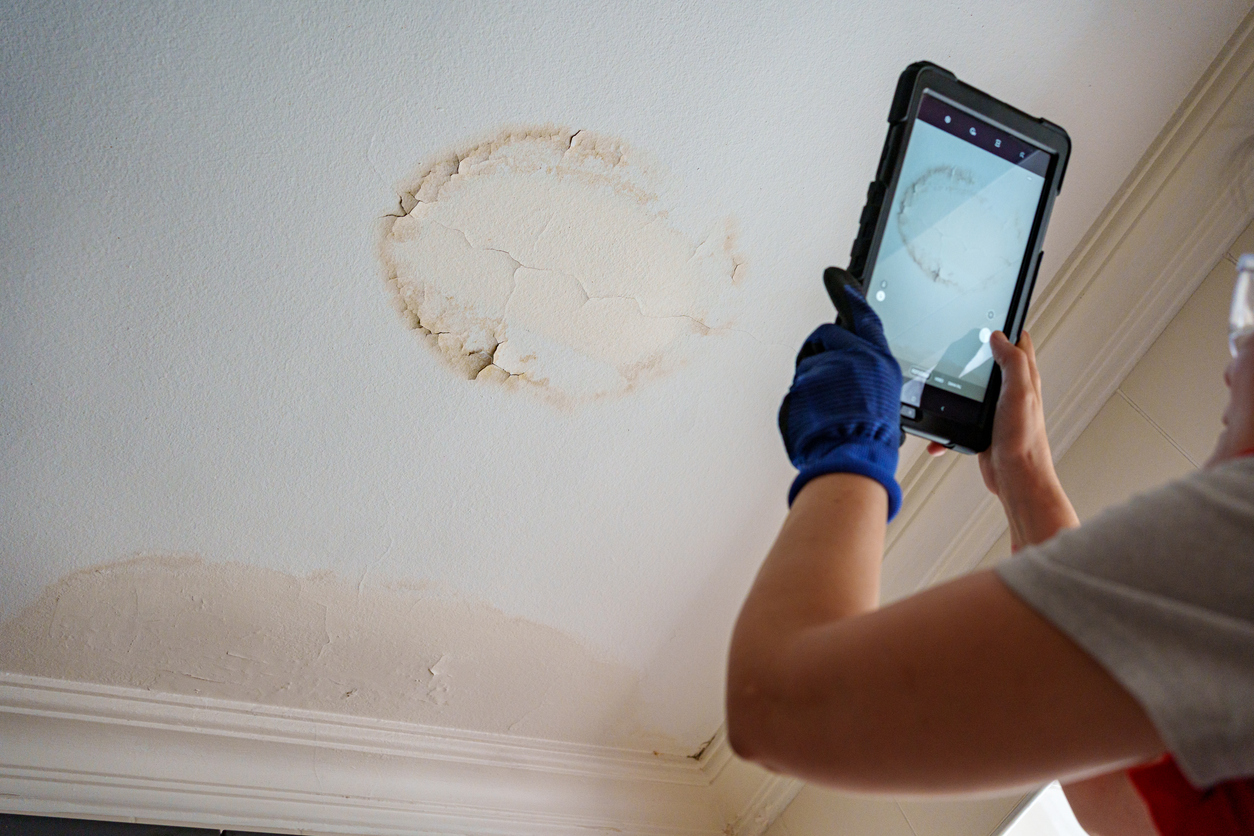
The most immediate risk is a sudden pipe failure. When a polybutylene pipe or fitting finally gives way, it can release a significant volume of water rapidly — particularly if the failure occurs on the pressurised cold water supply. Water damage to ceilings, walls, flooring, cabinetry, and personal possessions can be extensive, and if the failure occurs when the property is unoccupied, the damage can be severe before anyone discovers it.
Slow Leaks and Hidden Moisture Damage
Not all polybutylene failures are sudden bursts. Pinhole leaks and slow seepage from degraded fittings can persist unnoticed for months inside wall cavities or ceiling spaces. This long-term moisture exposure creates conditions for mould growth, timber rot, and structural damage — all of which are expensive to remediate and, in the case of mould, can pose health risks to occupants.
Insurance Implications
Homeowners insurance policies in Australia typically cover sudden and accidental water damage, but may not cover damage that results from gradual deterioration or a known maintenance issue. If your insurer determines that you were aware of a polybutylene pipe problem and did not address it, they may dispute a damage claim. It is worth reviewing your policy and, if you know your home has polybutylene pipes, discussing the implications with your insurer.
What Should Homeowners Do?
The response to polybutylene pipe in your home will depend on the extent of the installation, the condition of the pipes, and your priorities as a homeowner. Here are the main options and considerations.
Option 1: Get a Professional Inspection
If you suspect your home has polybutylene pipes but are not certain, the first step is to arrange a professional plumbing inspection. A licensed Bacchus Marsh plumber can identify the pipe material, assess its current condition, and advise on the extent of the installation. This gives you a clear picture of what you are dealing with before deciding on next steps.
Option 2: Targeted Replacement of High-Risk Areas
In some cases — particularly where a property has a mix of materials and the polybutylene is confined to specific locations — a targeted replacement of the highest-risk sections may be a cost-effective first step. Common high-risk areas include roof cavity runs (UV exposure), any visible section showing surface degradation, and pipes in close proximity to hot water sources.
Option 3: Full Repiping of the Property
Where polybutylene is the primary pipe material throughout the property, a full repipe is typically the most reliable long-term solution. This involves replacing all polybutylene supply lines with copper or cross-linked polyethylene (PEX) pipe — both of which have proven long-term track records in Australian residential applications.
- Copper pipe remains the gold standard for water supply in Australian homes. It is highly durable, resistant to UV and chlorine, and has an expected service life of 50 years or more when correctly installed.
- PEX pipe is a modern alternative that offers excellent flexibility, resistance to chlorine and oxidants, and is approved for use in Australian water supply installations. It is particularly useful for running through tight spaces and is now a common choice for repiping projects.
A full repipe is a significant undertaking and will involve some access work — cutting into walls or ceilings in areas where pipes need to be replaced. However, experienced plumbers use minimally invasive techniques to limit the amount of reinstatement work required.
How Long Does Polybutylene Pipe Last?
This is difficult to answer with precision, because the rate of degradation varies depending on the chlorine levels in the local water supply, the amount of UV exposure, the operating temperature, and the pressure conditions. In general, polybutylene pipe that is already 30 or more years old — which would cover most installations from the period it was in common use — should be considered at elevated risk of failure. There is no reliable way to extend the service life of degraded polybutylene pipe through maintenance.
Frequently Asked Questions
Is polybutylene pipe still being installed in Australian homes?
No. Polybutylene pipe has not been commonly used in new Australian residential construction since the mid-1990s. Its known degradation issues led to it being phased out in favour of more reliable materials. Homes built from the late 1990s onward are very unlikely to contain polybutylene supply lines, though homes built or extended in the earlier period may still have it.
Will polybutylene pipe fail for certain, or is it just a risk?
Not every polybutylene pipe installation will fail dramatically. Some properties with polybutylene pipe have had no significant issues for decades, while others have experienced multiple failures. The material does degrade over time due to its chemical reaction with chlorinated water, but the timing and severity of failure is not predictable. The older the installation, the higher the risk — and because failures can cause significant damage, most plumbers and building professionals recommend proactive replacement rather than waiting for a problem to occur.
How much does it cost to repipe a house?
The cost of repiping a residential property depends on the size of the home, the number of wet areas, the accessibility of existing pipes, and the extent of reinstatement work required. New Image Plumbing & Gas provides detailed, no-obligation quotes for repiping projects. We inspect the property, assess the scope of work, and provide a transparent quote before any work begins.
Conclusion
Polybutylene pipe is one of those issues where the cost of doing nothing can far exceed the cost of acting early. A pipe failure inside a wall or ceiling can cause damage that runs into thousands of dollars — and in the worst cases, a burst supply line in an unoccupied property can cause damage to flooring, cabinetry, structural timbers, and personal belongings that is genuinely devastating.
New Image Plumbing & Gas serves all of western Melbourne. If you have concerns about polybutylene pipe in your home, our team can carry out a thorough inspection, explain your options clearly, and provide an honest quote for any work required. We do not upsell or recommend work that is not needed. Our approach is straightforward advice and quality workmanship.
Call us today at 0489 246 667 or book via our online form to arrange a pipe inspection or repiping quote. Available 24 hours a day, 7 days a week, with fast response times across Bacchus Marsh and the surrounding area.