Summer brings long days, soaring temperatures, and a significant shift in how your household uses water. From filling pools and running sprinklers to longer showers after outdoor work, your plumbing system carries a heavier load during the warmer months. The good news is that a few straightforward checks in the weeks before summer peaks can save you from burst pipes in Melton, failed hot water systems, and expensive emergency callouts when you need your plumbing most. This guide walks through everything you should be looking at before the heat arrives.
Why Summer Puts Extra Stress on Your Plumbing
It is easy to assume that plumbing problems are a winter thing. In reality, summer creates its own set of pressures that many homeowners do not think about until something goes wrong. Understanding what happens to your system in the heat helps you take action before a minor issue becomes a major repair.
Temperature Extremes and Pipe Expansion
Pipes — especially those running through roof cavities, along external walls, or underground — are subjected to significant temperature swings between Melton’s hot summer days and cooler nights. This repeated expansion and contraction puts stress on joints and fittings over time.
- Metal pipes expand as temperatures rise and can loosen at connection points
- PVC pipes exposed to direct sun can become brittle or warp over several seasons
- Roof-space pipes with no insulation are particularly exposed to extreme heat
- Sudden cold changes overnight can cause pressure spikes in already-stressed pipes
Increased Water Demand
Summer water usage in a typical household can increase substantially compared to other seasons. This puts greater demand on supply lines, hot water systems, and outdoor connections that may not have been tested under load for months.
- More showers and baths increase hot water demand across the day
- Garden watering and lawn irrigation can run for hours, stressing outdoor taps and hose fittings
- Pool and spa filling places large, sustained loads on your mains water supply
- Children at home over holidays means more frequent toilet flushing, dishwasher cycles, and laundry loads
Inspect Your Hot Water System
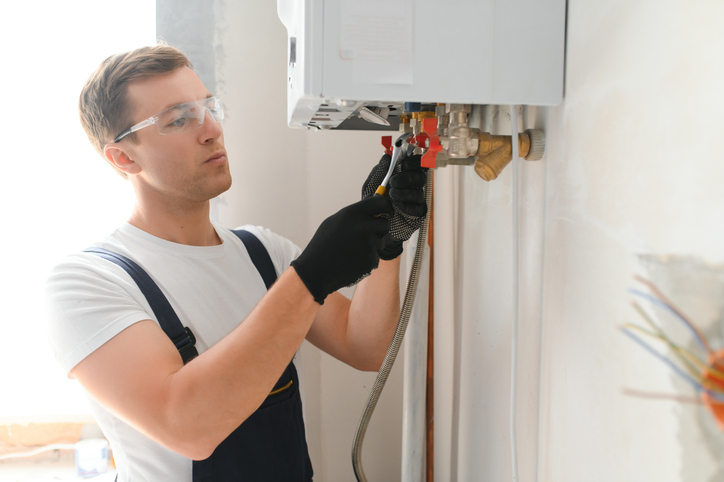
Your hot water system is one of the hardest-working appliances in your home, and summer is actually one of the most common times for units to fail. The combination of heat-related wear and higher household demand creates the ideal conditions for problems to surface. Before summer hits, it is worth giving your system a proper check.
Signs Your Hot Water System May Not Survive the Season
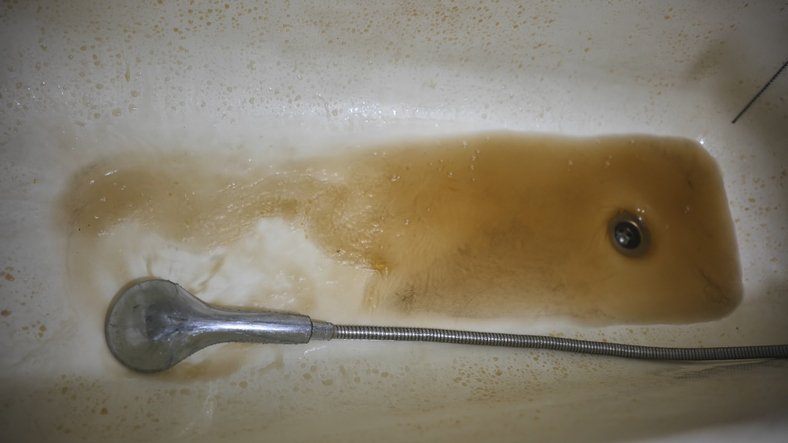
- Rust-coloured or discoloured hot water coming from your taps, which can indicate internal tank corrosion
- Unusual popping, rumbling, or banging sounds from the unit caused by sediment buildup on the heating element
- Water pooling or persistent moisture around the base of the tank or around the pressure relief valve
- Inconsistent water temperatures or noticeably longer recovery times after hot water use
- A unit that is more than ten to twelve years old and has not been serviced recently
What a Pre-Summer Service Should Cover
- Checking and testing the temperature and pressure relief (TPR) valve to ensure it operates safely
- Inspecting the anode rod (on storage tanks) and replacing it if significantly corroded — this is what prevents tank rust
- Flushing sediment from the base of the tank to improve efficiency and heating performance
- Checking thermostat settings — Australian standards recommend 60°C storage temperature to prevent legionella growth
- Inspecting all connections and fittings for signs of corrosion, leaking, or wear
Check Your Outdoor Taps and Garden Connections
Outdoor taps and garden irrigation connections are among the most neglected parts of any residential plumbing system. They sit unused through winter, exposed to the elements, and then suddenly bear the weight of daily summer watering schedules. A few minutes inspecting these before the season is time well spent.
What to Look for on Outdoor Taps
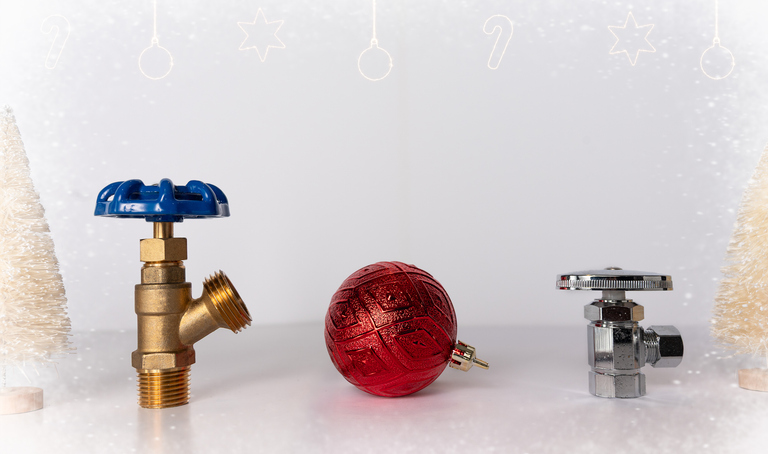
- Turn each outdoor tap on fully and check for drips, leaks from the spout, or water weeping around the spindle
- Inspect the washer and O-ring condition — these wear over time and are inexpensive to replace
- Check the tap body for cracks or damage caused by UV exposure or accidental impact
- Ensure the tap is mounted securely to the wall — a loose tap fitting can lead to internal pipe damage when hoses are connected under pressure
- Test any hose splitters or quick-connect fittings you plan to use over summer — these are common leak points
Irrigation Systems and Sprinklers
- Run your irrigation system through a full cycle before relying on it for the season and check every head for blockages or misalignment
- Look for broken or cracked drip lines — even small splits will waste water and fail to reach plant roots effectively
- Check the controller timer settings and ensure watering is scheduled in accordance with Melton’s water restriction guidelines
- Inspect the connection point between the irrigation system and the main supply for any signs of slow weeping or mineral deposits, which indicate a slow leak
Test Your Water Pressure
Water pressure that is too high is one of the leading causes of plumbing failures — burst pipes, leaking taps, and damaged appliance connections are all made more likely when pressure exceeds safe levels. Australian standards recommend household water pressure between 200 and 500 kilopascals (kPa). Higher than this and your system is working under unnecessary stress.
How to Check Your Pressure
- A basic pressure gauge can be attached to an outdoor tap to give you a reading — they are available at most hardware stores for under $30
- Take a reading at different times of day, including in the morning when mains pressure is typically at its highest
- Pressure consistently above 500 kPa warrants attention — a licensed plumber can install or adjust a pressure-limiting valve (PLV) to bring it into a safe range
- If you notice rattling pipes, hammer sounds when taps are turned off, or appliance connections regularly leaking, high pressure may be the cause
Low Pressure Issues in Summer
- Unusually low pressure at taps can indicate a developing blockage, a partially closed valve somewhere in the system, or a leak on the supply line
- In some areas, mains pressure naturally drops during peak summer demand periods when neighbourhood usage is high
- If low pressure persists only on the hot side, the issue is likely inside the hot water system itself rather than the mains supply
Inspect Drains and Stormwater Before the Storm Season
Melbourne’s summer can bring intense storm events alongside the heat. Blocked stormwater drains and gutters during a summer storm can cause water to back up around the foundations of your home, leading to structural issues and internal water damage.
Pre-Summer Drain and Gutter Checklist
- Clear gutters of any leaf litter, debris, and nesting material that has accumulated over autumn and winter
- Check downpipes are free-flowing by running water from a hose at the top and watching for good flow at the bottom
- Inspect the connection between downpipes and stormwater drains at ground level — this is a common blockage point where debris collects
- Look for signs that stormwater drains near paved areas are running slowly, which can indicate a partial blockage further along the line
- Check that stormwater from the property is correctly directed away from the home’s foundations and not pooling near walls or garden beds
Sewer Drains
- A slow-draining sink, gurgling toilet, or sewage smell in the yard are signs of a partially blocked sewer line that should be cleared before summer increases household usage
- Tree roots are a common cause of sewer blockages in established Melton suburbs — root intrusion typically worsens during summer as trees seek moisture
- A CCTV drain inspection can identify root intrusion or pipe damage before a full blockage occurs
Check for Hidden Leaks Before Summer Demand Peaks
Small leaks that have been losing a few litres a day through winter can become very costly when summer drives higher household water use. Before the season is underway, it is worth running a quick check to confirm your system is watertight.
Simple Checks Any Homeowner Can Do
- Turn off all taps and water-using appliances, then watch the water meter for movement — any change over an hour confirms a leak somewhere in the system
- Check under sinks and behind toilets for signs of moisture, staining, or mould growth that would indicate a slow drip
- Look at your water bill from the same period last year — a significant unexplained increase suggests water is being lost somewhere
- Walk the perimeter of your property and look for unusually green or wet patches in the lawn that could indicate an underground leak
When to Call a Plumber
- If your meter test confirms a leak but you cannot find the source, professional acoustic leak detection can locate it without excavation
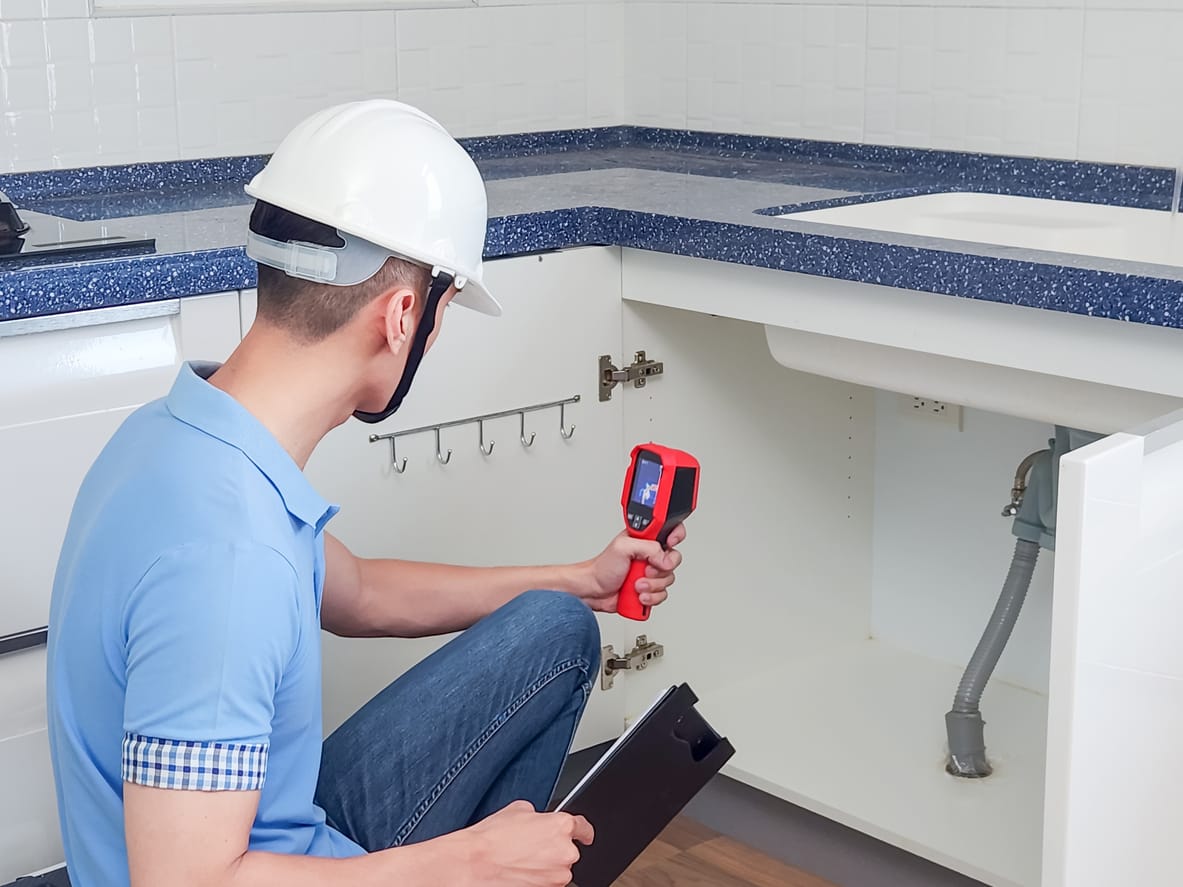
- Thermal imaging cameras detect temperature differences caused by wet areas beneath concrete or behind walls
- Finding a hidden leak before summer means you avoid paying for lost water at peak-usage rates through the whole season
Frequently Asked Questions
Can the heat actually burst pipes in summer?
Yes, although it is less common than cold-related bursts. Pipes in uninsulated roof spaces or running along sun-exposed external walls can reach extreme temperatures in Melton’s summer heat, which stresses joints and weakens older materials. Pipes that have pre-existing cracks or corrosion are most at risk. Roof-space pipes in particular can benefit from basic pipe lagging insulation to reduce temperature extremes.
How do I know if my pressure relief valve is working correctly?
The pressure relief valve (also called the TPR valve) on your hot water system should release a small amount of water periodically — this is normal operation. If it is dripping continuously, discharging large amounts of water, or showing signs of corrosion and mineral build-up around the outlet, it should be inspected and likely replaced by a licensed plumber. A failed TPR valve is a safety concern, not just a maintenance issue.
Is it worth getting a plumbing inspection before summer?
Absolutely. A pre-season inspection costs a fraction of what an emergency callout costs, and it is far less disruptive than dealing with a burst pipe or failed hot water system on a 40-degree day. Identifying a worn washer, a slow-building blockage, or a failing hot water anode rod before the peak season keeps your system running reliably and avoids the inconvenience of being without hot water when you need it most.
Should I insulate my pipes before summer?
Pipe insulation is usually associated with preventing freezing in winter, but it also helps in summer by reducing the temperature extremes that cause expansion and contraction stress. Pipes running through roof cavities or along external walls in full sun are the best candidates for insulation. Foam pipe lagging is inexpensive and can be installed on accessible pipes without professional help, though a plumber can advise on which runs would benefit most.
Conclusion
Preparing your plumbing system for summer is not a complicated job, but it is one that pays dividends all season long. The homeowners who call us in January with burst pipes, failed hot water systems, or flooded yards from stormwater blockages are often dealing with problems that a quick inspection in October or November would have caught. Taking the time now means your summer is spent enjoying the warm weather rather than waiting for a Melton plumber during peak season.
At New Image Plumbing and Gas, we help homeowners get ahead of plumbing problems before they become emergencies. Whether you need a hot water system service, a leak detection check, outdoor tap repairs, or a drain clear before the storm season, our team is ready to get it done properly. We offer honest upfront quotes, same-day service for urgent work, and the kind of reliable, respectful service that keeps our customers calling us back season after season.
Do not leave it until something goes wrong on a 40-degree Friday. Call us today on 0489 246 667 or use our online form to book your pre-summer plumbing check.