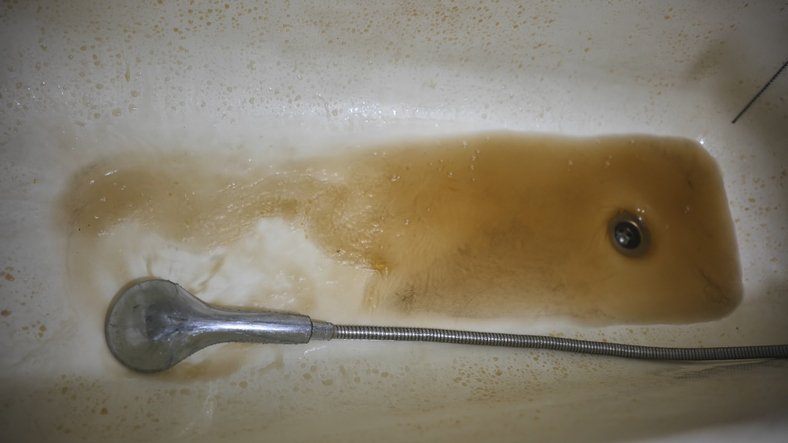
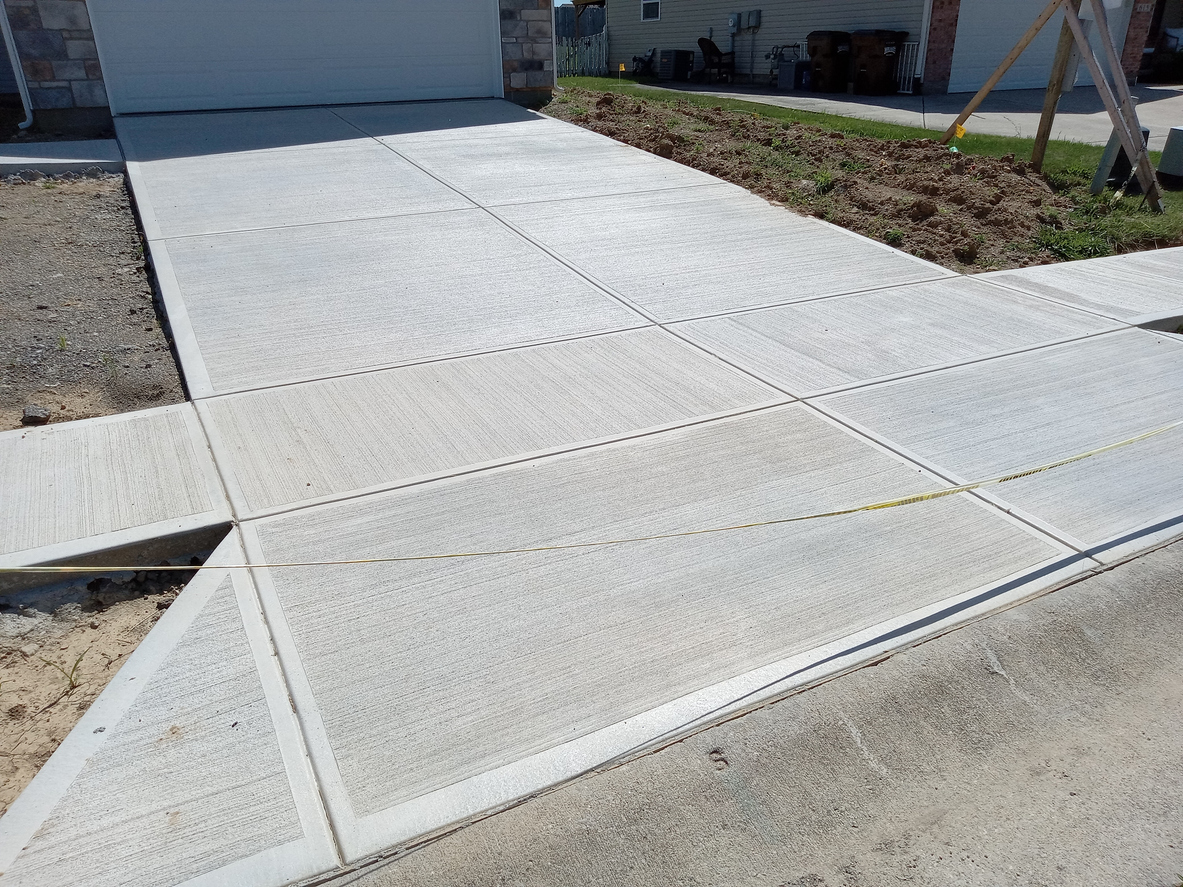
A damp patch on a concrete driveway that does not dry out with the weather is one of those things that is easy to dismiss at first. It might be a bit of pooled rainwater, a neighbour’s sprinkler drifting over the fence, or condensation from a vehicle. But when the patch keeps coming back — or grows larger without any obvious explanation — it is usually telling you something is wrong beneath the surface. For homeowners, a persistent wet patch on concrete deserves proper investigation rather than ongoing monitoring. This guide covers the most common causes, how to tell them apart, and why you need to call a plumber in Bacchus Marsh.
Could It Just Be Surface Water or Condensation?
Before assuming a plumbing problem, it is worth ruling out the straightforward explanations. Not every wet patch is caused by a leaking pipe, and understanding what normal moisture looks like on concrete helps you identify when something is genuinely unusual.
Signs It Is Probably Not a Plumbing Issue
- The damp patch appears only after rain and dries completely within a day or two as conditions warm up
- It follows the exact contour of a downpipe discharge point or a natural low point in the driveway where water pools
- The patch appears in the early morning on cool days and is gone by mid-morning — this is condensation forming on the concrete surface from temperature differences
- A garden hose or irrigation head nearby has been recently used and the timing aligns with when the patch appears
Signs That Point to a Subsurface Problem
- The patch is present regardless of recent rainfall and persists through dry weather over multiple days
- It appears in the same location consistently and is slowly expanding over time
- The concrete in that area feels soft or hollow underfoot, or you can hear a slightly different sound when walking across it
- Your water meter shows movement when all taps and appliances are off, confirming water is being lost somewhere
- A white mineral crust (efflorescence) has formed around the edges of the damp area — this is a sign of water consistently migrating through the concrete and depositing dissolved minerals as it evaporates
Cause 1: A Leaking Underground Water Supply Pipe
The most common cause of a persistent wet patch on a concrete driveway is a leaking water supply pipe running beneath it. The main cold water supply line from the meter to the house — or a sub-line branching off to an outdoor tap, irrigation system, or secondary structure — often runs under the driveway, particularly in older properties where the pipe route was laid before the concrete was poured.
Why Underground Supply Pipes Fail
- Corrosion in older galvanised steel or copper pipes causes progressive wall thinning until a pinhole or crack develops
- Ground movement — particularly significant in Bacchus Marsh’s clay-reactive soils — puts lateral stress on buried pipes and can cause joint failures or cracks
- Tree roots from established garden trees can wrap around pipes and gradually crush or penetrate them as they grow
- Electrolytic corrosion occurs when two dissimilar metals are joined without adequate protection, accelerating pipe wall deterioration
- Historical damage from previous excavation work — digging for landscaping, a fence post, or a previous repair — can weaken a section of pipe that eventually fails years later
What to Look For Above the Surface
- A wet patch that follows the approximate path of the pipe from the meter to the house — even if you only see it at one point, the wettest spot is usually directly above the leak
- The driveway concrete feels slightly soft or spongy underfoot in the wet area due to soil erosion occurring beneath it
- A small depression or crack appearing in the concrete surface as the soil beneath washes away and the slab begins to lose support
- Your water meter flow indicator moving when no water is in use — this is the most reliable confirmation of an active leak on the supply line
Cause 2: A Failing Hot Water Service Overflow or Relief Discharge
Hot water systems are fitted with a temperature and pressure relief (TPR) valve as a safety device. This valve is designed to open and release water if the system pressure or temperature exceeds safe levels, preventing the tank from becoming a pressure vessel. The discharge from this valve is typically piped to a drain or a safe outdoor location — and if that pipe discharges near or under the driveway, a constantly dripping or weeping relief valve can create a persistent wet patch on the concrete surface above the discharge point.
- Some relief of water from the TPR valve is a normal part of hot water system operation as the system heats and expands
- Continuous dripping or significant water discharge suggests the valve is faulty, the thermostat is set too high, or the system is experiencing abnormal pressure
- If the discharge pipe terminates near the driveway edge or under the slab, the water can saturate the soil beneath and migrate through the concrete
- When you call a plumber for a hot water service in Bacchus Marsh, they inspect any continuous TPR valve discharge. This is both a water waste issue and a safety concern
Cause 3: Stormwater or Sewer Drainage Leaks
Stormwater pipes and — less commonly but more seriously — sewer pipes sometimes run under or adjacent to driveways. A cracked or displaced stormwater pipe beneath the driveway can cause persistent surface moisture even in the absence of a water supply leak, as groundwater or rainfall collected by the drain system seeps through the crack and saturates the surrounding soil.
Stormwater Drainage Faults
- Cracked or crushed stormwater pipes allow water to escape into the surrounding soil rather than flowing to the street or soak pit as intended
- Concrete-encased PVC stormwater pipes can crack if the driveway has settled unevenly or been subjected to heavy vehicle loads over time
- A wet patch following or adjacent to a downpipe location on the driveway edge is a strong indicator of a stormwater fault rather than a supply pipe fault
- Stormwater faults are best diagnosed using a CCTV drain camera inspection, which identifies cracks, root intrusion, and joint displacements without excavation
Sewer Faults (Rarer but More Serious)
- A cracked sewer line under or near a driveway can cause sewage to saturate surrounding soil and eventually reach the surface
- The wet patch from a sewer fault may carry a faint odour — this is a key distinguishing sign from a clean water supply leak
- Any suspected sewer leak must be addressed urgently due to the health and environmental risks associated with sewage escaping into the soil
- A CCTV drain camera inspection is the standard diagnostic approach for suspected sewer faults
Cause 4: Rising Damp and Groundwater
In some locations, particularly properties built on clay-heavy or high-water-table sites, groundwater can rise through the soil and migrate upward through a concrete driveway that does not have adequate damp-proofing or drainage beneath it. This is distinct from a plumbing fault but produces a similar appearance on the surface.
- Rising damp patches often appear across a broader area rather than a single point, and tend to be more diffuse in their edges
- They are more pronounced after prolonged rain when the water table is temporarily elevated
- In Bacchus Marsh, the proximity to the Lerderderg River and the clay-heavy soils in some residential areas make this a realistic consideration for older properties without subfloor drainage
- Unlike a pipe leak, groundwater rising does not cause movement on the water meter when taps are off
- If a plumber has ruled out supply, stormwater, and sewer faults, a civil or drainage engineer may need to assess the broader drainage situation around the property
How Plumbers Diagnose the Cause
Because several different causes can produce the same visible symptom, a systematic diagnostic approach is far more reliable than guesswork. Experienced plumbers use a combination of investigation steps to determine which problem is actually present before recommending any repair work.
The Diagnostic Process
- Water meter test with all taps off to confirm or rule out an active supply pipe leak
- Visual inspection of the area including the hot water system discharge points, downpipe connections, and any visible pipe infrastructure nearby
- Acoustic leak detection to listen for leak sounds beneath the concrete and locate the precise point if a supply leak is confirmed
- Thermal imaging to detect temperature differences in the concrete surface caused by cooler (supply leak) or warmer (hot water leak) water escaping beneath
- CCTV drain camera inspection of the stormwater or sewer line if a drainage fault is suspected and the meter test is negative
- Pressure testing of the supply line to quantify the rate of water loss and confirm a leak is present even when ambient noise makes acoustic detection difficult
What Happens If You Leave It?
A persistent underground leak beneath a driveway does not stay static. The longer it runs, the more water saturates the soil beneath the concrete, and the progressive erosion of that substrate creates a growing problem.
What Prolonged Leaking Can Lead To
- Soil erosion beneath the slab creates voids that leave the concrete unsupported, eventually causing cracking, settlement, and slab failure
- Significant accumulated water costs if the leak is on the supply side — even a modest leak rate of 50 litres per day adds up to thousands of litres and hundreds of dollars over a quarter
- The wet soil beneath the driveway can destabilise adjacent structures including garden walls, fence posts, and in some cases, the home’s footings if the leak is close enough
- Mould and vegetation growth in the saturated zone around the driveway edge, which can become a maintenance issue in itself
- Higher repair costs — the longer a slab is undermined by water, the more likely it is that both the pipe and the concrete above it will need significant remediation
Frequently Asked Questions
Will the plumber need to break up the whole driveway to fix a pipe leak?
Not usually. Acoustic and thermal leak detection can locate the leak to a precise point, meaning excavation is targeted to a small area rather than the full pipe run. Once the pipe is exposed and repaired, the concrete is reinstated over that section only. The aim is always to minimise disruption and keep the repair area as small as possible.
How can I tell if the wet patch is from a hot water pipe or a cold water pipe?
Thermal imaging is the most reliable way to distinguish between a hot and cold water leak beneath concrete. A hot water leak creates a noticeably warmer area on the slab surface compared to the surrounding concrete, which shows up clearly on thermal camera. A cold water leak creates a cooler area. A plumber with thermal imaging equipment can usually make this distinction quickly.
Can pipe relining be used instead of excavating?
For supply pipe leaks under driveways, targeted excavation and section replacement is usually the most appropriate approach. However, if a drain pipe beneath the driveway is the cause, relining may be an option that avoids the need to break up the concrete — a licensed plumber can assess whether the pipe and access conditions are suitable for a relining solution.
Conclusion
A persistent wet patch on a concrete driveway in Bacchus Marsh is almost never a minor inconvenience — it is usually a sign of an active problem that is costing water, slowly undermining your driveway, or both. The earlier it is investigated and resolved, the lower the total cost of the repair and the less likely you are to face concrete replacement, structural issues, or extended disruption to your property.
At New Image Plumbing and Gas, we use acoustic detection, thermal imaging, and CCTV drain cameras to find the cause quickly and accurately — without speculative digging. We serve Bacchus Marsh and the surrounding western Melbourne region, and we are available 24 hours a day, 7 days a week for urgent situations.
If you have a wet patch on your driveway that is not going away, give us a call on 0489 246 667 or submit an enquiry through our online form. We will come out, find the cause, and give you a clear, honest recommendation on how to fix it.