The frustrating thing about hidden leaks is that you rarely see or hear them. They work away behind walls, under slabs, or deep in the ground, and the first sign is often a water bill that does not add up. The good news is that your water meter can tell you a great deal before you ever call a plumber Melton. Knowing how to read it correctly gives you the power to catch a problem early, before it causes water damage, mould, or a sky-high quarterly bill. This guide walks residents through every step of the process.
The Different Types of Water Meters
Before you can spot a leak, you need to know what you are looking at. Most homes in the Melton area have one of two types of water meters installed near the front boundary of the property, usually set into the ground inside a small plastic or concrete box.
Dial Meters
Dial meters look similar to an analogue clock face. They display a series of dials, each representing a different unit of measurement. Reading them requires noting the position of each pointer and combining the numbers in sequence. The dials alternate direction — some read clockwise, others anticlockwise — so it pays to take your time and read each one carefully.
Digital and Drum Meters
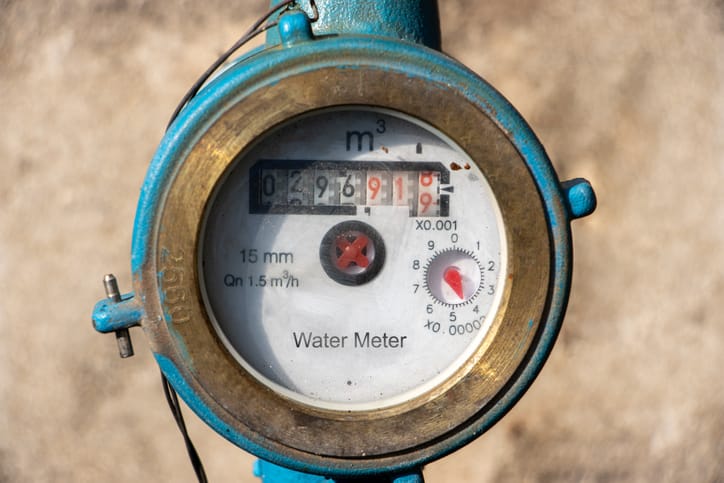
Newer meters use a digital display or a drum-style counter that works much like a car odometer. These are far simpler to read — the numbers on the display represent the total volume of water (in kilolitres) that has passed through the meter since it was installed. Many also include a small flow indicator, often a red or black triangle or star-shaped dial, which spins whenever water is moving through the meter.
Where to Find Your Meter
Locating the meter is the first practical step. Most Melton properties have the meter positioned at the front of the block, close to the footpath or nature strip, inside a flush-to-ground meter box. The lid is usually made of plastic and can be lifted by hand or with a flat tool.
- Check the front boundary of your property near the letterbox or driveway
- Look for a small rectangular box set into the ground, often with “WATER” stamped on the lid
- In older Melton homes the meter may be mounted on an external wall or fence
- If you cannot locate it, your water retailer (South East Water or Western Water, depending on your area) can advise on the exact position
- Keep the area around the box clear of dirt and debris so you can access it easily
How to Take a Meter Reading
Taking an accurate reading does not require any tools or special knowledge. A pen, paper, and five minutes of your time is all you need.
For Digital or Drum Meters
- Open the meter box and clear away any water or debris sitting on the display window
- Read the numbers from left to right, including any black and red digits
- Black digits represent kilolitres; red digits represent litres
- Write down the full reading, including both the black and red portions
- Note the date and time alongside your reading
For Dial Meters
- Start from the dial on the far left and work your way right
- For each dial, note the lower of the two numbers the pointer is between
- Take care with dials that read anticlockwise — the numbers run in the opposite direction
- Combine all dial readings in sequence to get the total volume
- Ignore the small test dial (often marked 1/10 or 1/100) when recording your reading — it is used only for leak tests
The Overnight Leak Test
This is the most reliable DIY method for water leak detection in Melton, and it works on any meter type. The principle is simple: if no water is being used in the house and the meter is still moving, water is going somewhere it should not be.
Step-by-Step Instructions
- Choose a time when no one in the house will use water — late at night or when everyone is out works best
- Turn off all taps, appliances, and irrigation systems inside and outside the home
- Check that the dishwasher, washing machine, and hot water system are not mid-cycle
- Record your meter reading (write down every digit, including red/litre digits)
- Wait at least one hour — two hours gives you more reliable data
- Return to the meter and take a second reading
- If the numbers have changed with no water used, you almost certainly have a leak
Using the Flow Indicator
- Many meters have a small rotating triangle, star, or dial that spins whenever water flows through the meter
- If this indicator is moving while all water sources in the home are switched off, that is a strong sign of a leak
- Even very slow movement — a fraction of a rotation over several minutes — can indicate a dripping tap, running toilet, or subsurface pipe leak
- Compare the indicator against multiple checks to rule out a one-off fluctuation
Interpreting Your Results
Once you have your two readings, the comparison tells the story. Understanding what the figures mean helps you gauge how urgently to act.
Small Changes (Under 5 Litres Over One Hour)
- Could indicate a slow drip from a tap or toilet cistern
- May be a leaking toilet flapper valve — one of the most common and overlooked household leaks
- Worth investigating inside the home before calling a plumber
- Check every tap for drips and listen for the sound of water running in the toilet cistern after flushing
Moderate Changes (5 to 20 Litres Over One Hour)
- Suggests a more significant leak such as a faulty toilet valve, a leaking irrigation fitting, or a small underground pipe joint
- Losses at this rate can add hundreds of litres per day to your bill
- A licensed plumber should investigate, particularly if the source is not obvious
- Turn off irrigation systems and isolate areas of the home one at a time to help narrow down the location
Large Changes (Over 20 Litres Per Hour)
- Indicates a serious leak that requires prompt professional attention
- Could be a burst or cracked underground pipe, a damaged hot water service, or a failed joint on the main supply line
- At this rate, significant water damage can occur quickly
- Consider turning off the main stop valve (usually beside the meter) until a plumber arrives to assess
Common Sources of Hidden Leaks
Knowing the typical culprits helps you focus your investigation after a meter test confirms a leak is present. Melton’s mix of newer estates and older established suburbs means a range of property ages and pipe types are in play.
Toilet Cisterns
- A continuously running toilet is one of the most common hidden water wasters in any household
- The flapper valve — the rubber seal at the bottom of the cistern — degrades over time and allows water to trickle constantly into the bowl
- To test: place a few drops of food colouring in the cistern and check the bowl five minutes later without flushing — colour in the bowl confirms a leaking flapper
- Replacement parts are inexpensive, but a plumber can inspect the full cistern mechanism and identify worn inlet valves at the same time
Underground Supply Lines
- Pipes buried beneath the soil or concrete are susceptible to root intrusion, ground movement, and corrosion over time
- Signs often include unusually green or wet patches of lawn, sinkholes, or areas where the ground feels soft underfoot
- In Melton’s clay-heavy soil, ground movement during dry or wet seasons puts extra stress on pipe joints
- These leaks generally require professional leak detection equipment such as acoustic sensors or thermal imaging to locate precisely before any digging begins
Hot Water Systems
- Pressure relief valves on hot water units are designed to release small amounts of water periodically — this is normal
- If the valve is dripping continuously or water is pooling around the base of the unit, the tank or valve may need attention
- Older storage tanks can develop internal corrosion that leads to slow weeping around fittings and connections
- Any persistent moisture around the unit should be investigated by a licensed plumber before the problem worsens
Tap Spindles and Washers
- A dripping tap wastes far more water than most people realise — a single tap dripping once per second can waste over 10,000 litres per year
- Worn washers and O-rings are the most frequent cause and are straightforward to replace
- Ceramic disc taps can fail at the cartridge level and may require a different repair approach
- Outdoor taps, garden hose connections, and irrigation fittings are often neglected and can develop slow drips that go unnoticed for months
What to Do When You Discover a Leak
Once your meter test has confirmed water is moving when it should not be, the next steps depend on how quickly you can identify the source.
If the Source Is Obvious
- A dripping tap or running toilet can sometimes be addressed with a basic repair — replacing a washer or adjusting the cistern float
- Turn off the supply to the affected fixture using its isolation valve before attempting any repair
- If you are not confident working on plumbing fixtures, calling a licensed plumber is always the safer choice
If the Source Is Not Visible
- Do not attempt to dig or open walls without professional advice — you risk damaging pipes, electrical wiring, or structural elements
- A licensed plumber with leak detection equipment can pinpoint the exact location of an underground or in-wall leak without unnecessary damage
- Thermal imaging cameras and acoustic listening devices are now commonly used to find leaks through concrete or soil without excavation
- The sooner a professional assesses the situation, the less likely you are to face significant repair bills or water damage remediation costs
Frequently Asked Questions
How often should I check my water meter for leaks?
Checking your meter once every three months is a sensible habit, ideally just before your quarterly water bill is due. If your bill suddenly increases without a clear reason, check the meter immediately using the overnight test method described above. Catching a slow leak early can save you hundreds of dollars in water costs.
My flow indicator is moving very slowly. Does that mean I have a leak?
Not necessarily, but it warrants investigation. Very slow movement with all taps and appliances off could be a minor drip somewhere in the system. Repeat the test at different times of day and ensure all appliances — including the dishwasher, irrigation timer, and refrigerator ice maker — are fully switched off before concluding there is a problem.
Conclusion
Reading your water meter is something every homeowner can and should know how to do. It puts you in control, helps you catch problems early, and can save you a significant amount of money over the long term. But knowing when to call in a professional is equally important.
At New Image Plumbing and Gas, we have been helping homeowners across Melton and Western Melbourne find and fix hidden leaks fast. Whether it is an underground pipe, a failing hot water system, or a leak your meter flagged but you cannot locate, our team brings the latest thermal imaging and acoustic detection technology to get to the answer quickly and accurately — without tearing up your property unnecessarily.
If your meter test has raised questions, or if your water bills have been climbing without explanation, give us a call. We offer honest advice, upfront quotes, and same-day service for urgent situations. Do not wait for a small leak to become a big problem. Call us today at 0489 246 667 or submit our online form, and let us take care of it properly.