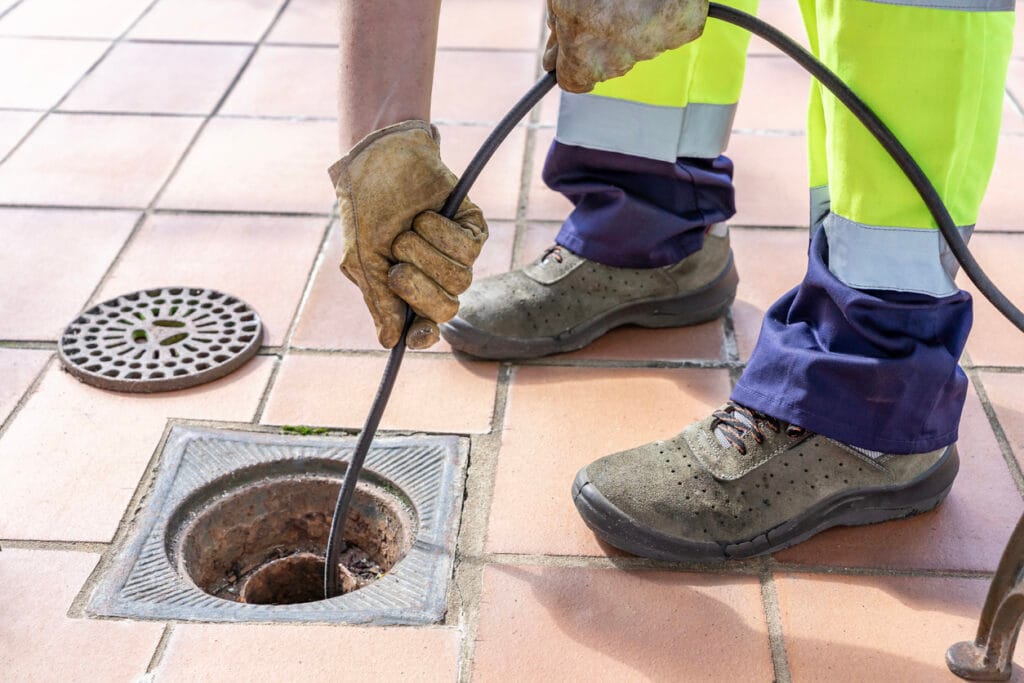
When it is left unresolved, a blocked drain Melton can evolve into something far more serious: a structural threat to the building itself. The connection between a blocked drain and foundation damage is not intuitive, but it is well-established in the building and plumbing industries, and it is a risk that is entirely preventable with prompt professional attention.This article explains exactly how a blocked drain can compromise your home’s foundations, what the warning signs look like, and what homeowners should do if they suspect their drainage is creating structural issues below the surface.
How a Blocked Drain Can Lead to Foundation Damage
The pathway from a blocked drain to foundation damage is not immediate. It is a gradual process driven by water going where it should not, over a period of time. There are several distinct mechanisms at work:
Soil Saturation and Subsidence
- When a sewer or stormwater drain is blocked, water backs up and has to go somewhere. If it leaks from a damaged or overflowing pipe into the surrounding soil, that soil becomes saturated
- Saturated soil loses its load-bearing capacity. In areas with reactive clay soils, which are common throughout the Melton region, this effect is amplified because clay swells dramatically when wet
- As the saturated zone expands and contracts with wet and dry cycles, the soil beneath your foundations moves in an uneven pattern, causing differential settlement
- Differential settlement is the key driver of foundation cracking and structural movement in residential buildings
Erosion of Soil Beneath the Slab
- A leaking sewer line or broken stormwater drain running beneath or alongside the footings of a slab-on-ground home can wash away the compacted fill that supports the slab
- This process is called undermining, and it creates voids beneath the concrete slab
- Once voids form, the slab loses support across sections of its underside, and cracks develop as the unsupported sections flex under the load of the building above
- In Melton, where many homes are built on concrete slabs over reactive clay fill, this risk is particularly relevant to properties with ageing sanitary drain lines
Tree Root Intrusion and Pipe Failure
- Tree roots naturally seek moisture and will grow into drain pipes through any available joint or crack
- Once inside, roots cause recurring blockages and progressively damage the pipe from the inside, eventually causing partial or complete pipe collapse
- A collapsed section of drain beneath or near the footings allows groundwater and wastewater to escape into the surrounding soil continuously, accelerating both saturation and erosion
- The Melton region has experienced significant residential development alongside established vegetation, and tree root intrusion into older drain lines is a common finding during CCTV inspections in the area
Changes to Drainage Patterns Around the Building
- A blocked stormwater drain forces surface water to pond against or near the house rather than draining away from the structure
- Water pooling against external walls and footings continually soaks into the soil directly below and adjacent to the foundation
- Over time, persistent ponding against one section of the footing creates an imbalanced moisture profile around the slab, causing uneven swelling and shrinkage of reactive clay soils
- This imbalance is one of the primary causes of heave, where one part of the slab is pushed upward while another settles
Reactive Clay Soils in Melton: Why the Risk Is Higher Here
Melton and its surrounding suburbs are predominantly built on reactive clay soils classified as Class M to Class H under the Australian Standard AS 2870 for residential slabs and footings. Understanding what this means helps explain why blocked drain issues translate into foundation risks more readily in this area than in suburbs built on more stable ground.
What Reactive Clay Soils Do
- Reactive clay soils expand significantly when they absorb water and contract as they dry out
- This movement is vertical: the soil rises when wet and drops when dry
- A slab designed for Class M reactivity can accommodate a certain degree of this movement, but if water from a failed drain is introduced to the soil on one side of the building and not the other, the differential movement exceeds what the slab can handle
- The result is cracking at the weakest points in the slab or the masonry above it
The Importance of Maintaining the Designed Moisture Profile
- Engineers design slabs for reactive sites on the assumption that the moisture level in the soil will remain relatively uniform around the perimeter
- Any sustained source of water — a leaking pipe, a blocked drain causing overflow, or ponding from a blocked stormwater drain — disrupts this uniform profile
- Once the profile is disturbed for long enough, the slab begins to reflect that disturbance through cracking and movement
Warning Signs You Should Be Aware Of
The signs of drainage-related foundation stress are not always obvious to the untrained eye, particularly in the early stages. The following indicators should prompt both a plumbing inspection and a structural assessment if they appear together or in a pattern around one area of the house.
Cracks in Internal Walls or Ceilings
- Diagonal cracks running from the corners of door frames or window openings are a classic sign of differential settlement
- Cracks that are wider at one end than the other indicate movement that is concentrated at a specific point
- Fine hairline cracks in plaster are common and not necessarily structural, but cracks wider than 2 to 3 mm or cracks that progress over time warrant professional assessment
- Cracking in internal ceilings, particularly in a pattern that tracks along one area of the home, can indicate slab movement below
Sticking Doors and Windows
- When a slab shifts or settles unevenly, the door and window frames within the affected walls rack out of square
- Doors that previously opened and closed smoothly become difficult to operate, or develop gaps between the door leaf and the frame
- Windows that are stiff to open or close in the absence of paint buildup can reflect the same phenomenon
Wet or Damp Patches in the Yard
- Persistently wet areas of lawn or garden in dry weather are a strong indicator that a drain line is leaking underground
- A lush strip of unusually green grass running in a line across the yard often tracks the route of a leaking sewer line
- Soft or spongy ground near the house when the weather has been dry is another sign of subsurface water from a broken or blocked drain
Recurring Drain Blockages
- A drain that blocks repeatedly despite being cleared is not just a plumbing nuisance. It indicates a structural issue in the pipe such as a joint offset, a collapsed section, or significant root intrusion that will continue to cause water to escape into the surrounding ground
- Each blockage event adds to the cumulative water exposure beneath the footings
- Recurring blockages should always be investigated with a CCTV drain inspection rather than simply cleared again
Sewer Odours Inside or Outside the Home
- The smell of sewage outside the house, particularly near garden beds or paved areas, often indicates a leaking or broken sewer pipe below ground
- Inside, persistent sewer odours from floor wastes or drains that are not caused by a dry trap can indicate a crack or joint failure in the drain line below the slab
What to Do If You Suspect Drainage Is Causing Foundation Problems
If you are seeing multiple warning signs from the list above, particularly if they are concentrated in one part of the house and near where a drain line runs, a combined drainage and structural assessment is the right first step.
Step 1: Book a CCTV Drain Inspection
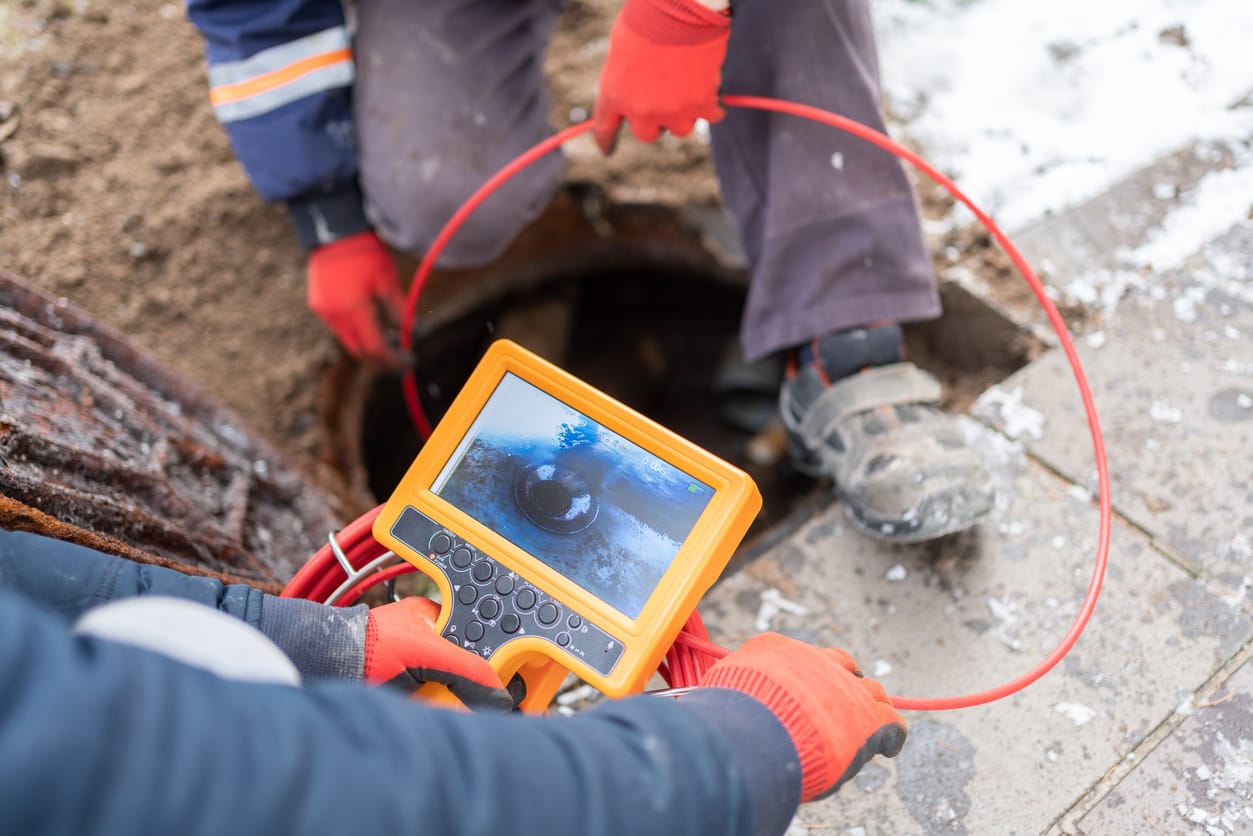
- A licensed plumber will insert a camera through your drain lines to inspect the pipe interior in real time
- The inspection identifies cracks, joint offsets, root intrusion, pipe collapse and any areas where water is escaping
- You receive footage of what was found, and an accurate location of any defects so remediation can be targeted precisely
- CCTV inspection is the most cost-effective first step because it defines the problem before any excavation or repair is committed to
Step 2: Address the Drainage Issue Promptly
- Once the drain issue is identified, it needs to be resolved before any structural repairs are undertaken
- Repairing the foundation without fixing the water source that caused the problem will result in the structural damage recurring
- Options depending on what the inspection finds include high-pressure drain clearing, pipe relining (a trenchless repair method that lines the inside of the existing pipe), or targeted excavation and pipe replacement for severely damaged sections
Step 3: Allow the Soil to Stabilise and Assess Structural Damage
- Once the water source is eliminated, reactive clay soils typically begin to return toward their pre-disturbance moisture profile over a period of weeks to months, depending on the season and the extent of the saturation
- A structural engineer or building inspector can assess whether the cracking and movement observed is likely to self-correct as the soil stabilises, or whether active structural remediation is required
- Foundation underpinning or slab re-levelling are options for more significant structural damage, but these should only proceed after the drainage cause is confirmed resolved
Frequently Asked Questions
Can a slow-draining sink really cause foundation damage over time?
A slow-draining sink on its own is unlikely to cause structural damage unless the underlying cause is a cracked or leaking pipe below ground that allows wastewater to escape into the surrounding soil. The slow drain is a symptom, what matters is whether the pipe is structurally sound. A CCTV inspection determines this quickly.
How long does it take for drainage problems to affect a foundation?
There is no fixed timeline. In Melton’s reactive clay soils, a significant leaking drain close to footings can begin to affect the moisture profile of the soil within weeks during dry conditions. The visible signs, such as cracking and sticking doors, may take months or years to appear depending on the severity and proximity of the leak. This is why early inspection is important rather than waiting for visual structural signs.
Will my home insurance cover foundation damage caused by a blocked drain?
This depends on your specific policy. Many standard home insurance policies in Australia cover sudden and accidental water damage but exclude gradual damage resulting from a maintenance issue that has been present for a long time. Documentation of prompt action when the drain problem was discovered can strengthen a claim. Check with your insurer and obtain a written report from your plumber that clearly documents what was found and when.
Should I get a plumber or a structural engineer first?
Start with the plumber. A CCTV drain inspection is relatively fast and inexpensive, and it will either confirm or rule out drainage as the cause of the structural symptoms. If a drain issue is identified, it must be fixed before a structural engineer’s remediation plan can be effective. Once the drainage is addressed, if structural cracking or movement remains, engage a structural engineer or building inspector to assess what further action is needed.
Conclusion
In Melton, the combination of reactive clay soils, established trees with aggressive root systems, and a mix of older and newer drain infrastructure means that blocked or damaged drains are a genuine structural risk, not just a plumbing inconvenience. The good news is that when caught early, the situation is straightforward to resolve. A CCTV drain inspection is all it takes to determine whether your drain lines are contributing to the problem, and most drainage issues can be addressed efficiently once the cause is known.
New Image Plumbing provides 24/7 emergency plumbing, CCTV drain inspection. We carry advanced inspection equipment on every van and can assess your drain system the same day you call. Our plumbers Melton will explain exactly what they find before recommending any course of action. Call today at 0489 246 667 or submit our online form if you are seeing signs of drainage or structural issues at your property. Early action is always less expensive than waiting until the damage is visible. We are here to help.