Few household problems hit as hard as waking up to find there is no hot water. If your gas hot water system is not igniting, the morning routine grinds to a halt and the immediate question is: do I try to fix this myself, or do I call a plumber Melton? Getting that answer right matters, not just for your comfort, but for your safety.
Gas appliances require careful handling, and a hot water system that fails to ignite can point to anything from a simple fix you can safely address yourself to a gas fault that demands immediate professional attention. This guide is written for homeowners in Melton and the wider western Melbourne area who need clear, practical guidance on what to check, what to avoid, and when to pick up the phone.
First: Check for Any Signs of a Gas Leak
Before you do anything else, take a moment to assess whether there is a gas smell near the hot water unit. This step is not optional — it is the most important safety check you can perform.
Natural gas in Australia has a chemical odorant (ethyl mercaptan) added specifically so that leaks can be detected by smell. It has a distinctive rotten egg or sulphur-like odour. If you smell gas near your hot water system:
- Do not attempt to light or operate the unit in any way
- Do not turn any electrical switches on or off — even a light switch can create a spark
- Do not use your mobile phone while near the suspected leak — move away from the area first
- Turn off the gas supply at the meter (the isolating valve is usually located on the gas meter itself)
- Open windows and doors to ventilate the area
- Leave the property and call the emergency gas line: 1800 GAS GAS (1800 427 427) for Multinet Gas or your network provider
- Call a licensed gasfitter — do not re-enter the property until the leak has been assessed and cleared
If there is no smell of gas and no other warning signs, you can safely proceed with the checks below.
Common Reasons a Gas Hot Water System Won’t Ignite
There are several reasons a gas hot water system may fail to ignite, and they are not all equally serious. Some can be identified and resolved without a tradesperson. Others require a licensed plumber or gasfitter. Here is a breakdown of the most common causes.
No Gas Supply to the Unit
The most straightforward cause of ignition failure is that the unit is simply not receiving gas. Before assuming a fault with the system itself, check the following:
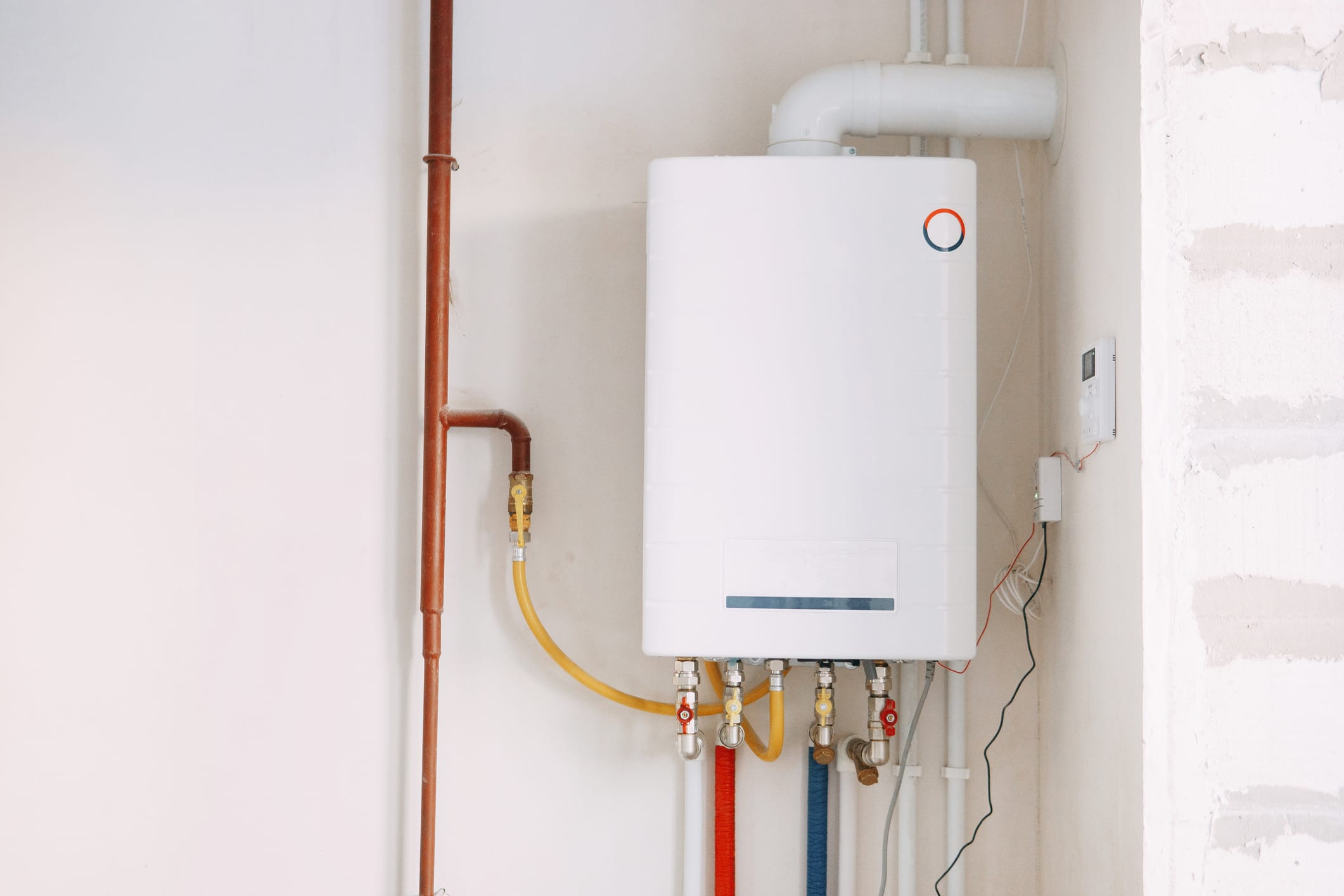
- Check that the gas isolating valve on the line running to the hot water unit is in the open (parallel to the pipe) position — if it has been knocked or accidentally turned, the supply will be cut off
- Check that other gas appliances in your home (cooktop, wall furnace, heater) are working normally — if nothing gas-powered is functioning, the issue is likely at the meter or upstream in the supply
- Contact your gas distributor to confirm there is no planned or unplanned outage in the Melton area
- If you have a LPG (bottled gas) system, check that the cylinder has not run out — this is an easy thing to overlook, particularly if the bottle has not been swapped recently
A Tripped or Fault-Triggered Pilot Light
Older gas hot water storage systems use a standing pilot light — a small, continuously burning flame that ignites the main burner when the thermostat calls for heat. If this pilot light goes out, the system will not ignite until it is relit.
- A pilot light can be extinguished by a strong gust of wind, particularly in externally mounted units common in Melton properties
- Most units with a pilot light have a relighting procedure printed on the label attached to the unit itself — follow this carefully and do not bypass any safety steps
- The thermocouple is a safety device that holds the gas valve open while the pilot is lit — if the thermocouple is faulty, it will cut off the gas supply to the pilot even when the flame is present, causing repeated pilot outages
- A pilot that lights but will not stay lit almost always points to a failing thermocouple, which requires replacement by a licensed gasfitter
Faulty Electronic Ignition
Most modern gas hot water systems — both continuous flow (instantaneous) and storage systems — use electronic ignition rather than a standing pilot light. The igniter creates a spark to light the burner when hot water is demanded. If the ignition system fails, the burner cannot light even when gas is present.
- You may hear a clicking sound when the tap is opened — this is the igniter attempting to fire — but if no ignition occurs, the gas valve will not open and the unit will not heat water
- A dirty or carbonised igniter electrode can prevent a reliable spark — in some units this can be cleaned, but this work should be carried out by a technician
- Continuous flow systems rely on water flow to trigger ignition — if the flow sensor is faulty, the ignition sequence will not begin even if all other components are working
- An error or fault code displayed on the unit (if it has a digital display) is the quickest guide to what the system is diagnosing internally — check your owner’s manual or note the code before calling a plumber
Faulty Gas Valve or Solenoid
The gas valve controls the flow of gas to the burner. In modern systems, this is an electronically controlled solenoid valve that opens in response to a signal from the control board. If the solenoid fails, gas will not reach the burner regardless of the ignition system’s condition.
- A faulty gas valve is not something that can be safely diagnosed or replaced without appropriate licensing
- The symptom is often a system that appears to begin its ignition sequence (the igniter clicks) but no ignition follows and no heat is produced
- Gas valve replacement is a licensed gasfitting task — do not attempt to adjust, bypass, or replace gas components yourself
Blocked Flue or Inadequate Ventilation
Gas hot water systems produce combustion gases that must be safely vented to the outside. If the flue is blocked — by debris, a bird’s nest, leaves, or a collapsed flue section — the system’s safety mechanisms will prevent ignition to avoid a dangerous build-up of combustion gases, including carbon monoxide, inside or near the building.
- Externally mounted units in Melton can accumulate debris in flue outlets during autumn and early winter, causing issues that persist into warmer months
- Internally installed systems (in a cupboard or garage) require adequate ventilation openings — if these are blocked or sealed, the unit may fail to ignite or shut down on a safety overheat
- Never block or reduce the ventilation openings around a gas appliance
- A blocked flue is a safety issue requiring a licensed technician to inspect and clear
Overheating or Thermal Cutout Activation
Gas hot water systems have thermal cutout switches designed to shut the unit down if it overheats. This is a safety feature, not a fault in itself — but it indicates the system reached a temperature it should not have. Once the cutout has tripped, the unit will not operate until it is manually reset (on some models) and the underlying cause is addressed.
- Causes of overheating include a faulty thermostat, blocked airflow around the unit, or a malfunctioning temperature sensor
- Some units allow homeowners to reset a tripped cutout by pressing a reset button — check the unit’s documentation before attempting this
- If the cutout trips again after being reset, the unit should not be used until a technician has diagnosed the underlying cause
- Repeated thermal cutout activation is a sign that the system requires professional servicing
Control Board or Wiring Fault
Modern gas hot water systems are controlled by an electronic circuit board that manages ignition timing, thermostat response, flow sensing, and fault monitoring. If the control board develops a fault — from moisture ingress, age-related component failure, or a power surge — the system may fail to ignite or display a persistent fault code.
- Control board failure is more common in older units or those exposed to weather without adequate protection
- In some cases, a board fault can be reset by isolating power to the unit for a short period — check the manufacturer’s reset procedure for your specific model
- Control board replacement is a significant repair and in older units may not be cost-effective compared to system replacement
- A licensed plumber or gasfitter can advise on whether repair or replacement offers better value
What You Can Safely Check Yourself
While gas appliance repairs must be carried out by licensed professionals, there are a few basic checks you can safely perform before calling a plumber:
- Confirm the gas isolating valve to the hot water unit is open
- Check that other gas appliances in the home are working (to rule out a supply issue)
- Check for an LPG cylinder that may have run empty (if applicable)
- Note any fault or error codes on the unit’s display panel
- Attempt a manual pilot relight if the unit has a standing pilot and the instructions are clearly provided on the unit label
- Check that the electrical supply to the unit is connected and that no circuit breaker has tripped
If none of these checks resolve the issue, or if you are uncertain about any step, stop and call a licensed plumber or gasfitter. Do not attempt to disassemble, adjust, or bypass any gas component.
When to Call a Licensed Gasfitter Immediately
Some situations should never wait for a scheduled appointment. Contact a licensed gasfitter or emergency plumber straight away if:
- You can smell gas near the unit or anywhere in the property
- The unit has made unusual sounds (banging, whistling, or popping) immediately before or after attempting to ignite
- You can see carbon staining, soot, or discolouration around the burner or flue outlet — this can indicate incomplete combustion, which produces carbon monoxide
- Any household member has experienced headaches, dizziness, nausea, or fatigue without explanation — carbon monoxide poisoning can occur without the warning of a detectable odour
- The unit has not been serviced in several years and the ignition fault is accompanied by other signs of wear
Frequently Asked Questions
Is it safe to try relighting my gas hot water system?
Relighting a standing pilot light is a task that manufacturers design homeowners to be able to do safely, provided the relighting instructions printed on the unit are followed exactly. If you cannot smell gas, the supply is confirmed to be on, and the instructions are clearly visible on the unit label, attempting a relight is generally safe. However, if you are uncomfortable with the process or the pilot does not stay lit after one or two attempts, stop and call a licensed gasfitter rather than continuing to try.
How long does it take for a plumber to fix a gas hot water ignition problem?
Many ignition faults — such as a faulty thermocouple, a dirty electrode, or a simple gas supply issue — can be diagnosed and repaired in a single visit, often within an hour or two. More complex faults involving the control board or gas valve may take longer, and parts may need to be ordered depending on the unit brand and age. Your plumber will advise on timing once they have assessed the unit.
My unit is showing a fault code — what should I do?
Note the fault code (a number or letter-and-number combination on the display) before calling a plumber. Fault codes are specific to each manufacturer and model and allow a technician to identify the likely cause before arriving. You can also look up the code in your owner’s manual or on the manufacturer’s website to understand what the system is indicating, though the actual diagnosis and repair should be left to a professional.
Conclusion
A gas hot water system that will not ignite is disruptive, and in some cases it can be a safety concern. The checks outlined in this guide will help you work through the most common and straightforward causes safely — but when the problem is unclear, persistent, or involves any gas odour or safety warning, the right call is always to contact a licensed professional without delay.
New Image Plumbing & Gas is fully licensed for gas fitting and hot water system repairs across Melton and the surrounding western suburbs. Whether your system needs a thermocouple replacement, a new igniter, a full service, or a complete system upgrade, our team is available 24 hours a day, 7 days a week to get your hot water running again as quickly as possible.
Call us now at 0489 246 667 for fast, professional gas hot water repairs in Melton. You can also submit our online form. We will provide an honest assessment, a clear upfront quote, and a workmanship guarantee on every job.