It starts as a small annoyance. A tap in your kitchen or bathroom that drips every few seconds, barely noticeable against the background noise of daily life in Bacchus Marsh. But that steady drip is doing something far more costly than disrupting your peace and quiet, it is steadily inflating your water bill, month after month, without a single warning.
Many homeowners are surprised to learn just how much water a leaking tap wastes over time, and how significantly that waste translates into real dollars on their next South East Water bill. In this guide, we break down exactly how a leaking tap affects your water usage, what causes taps to leak in the first place, and when it is worth calling a plumber Bacchus Marsh to fix the problem before the cost adds up further.
How Much Water Does a Leaking Tap Actually Waste?
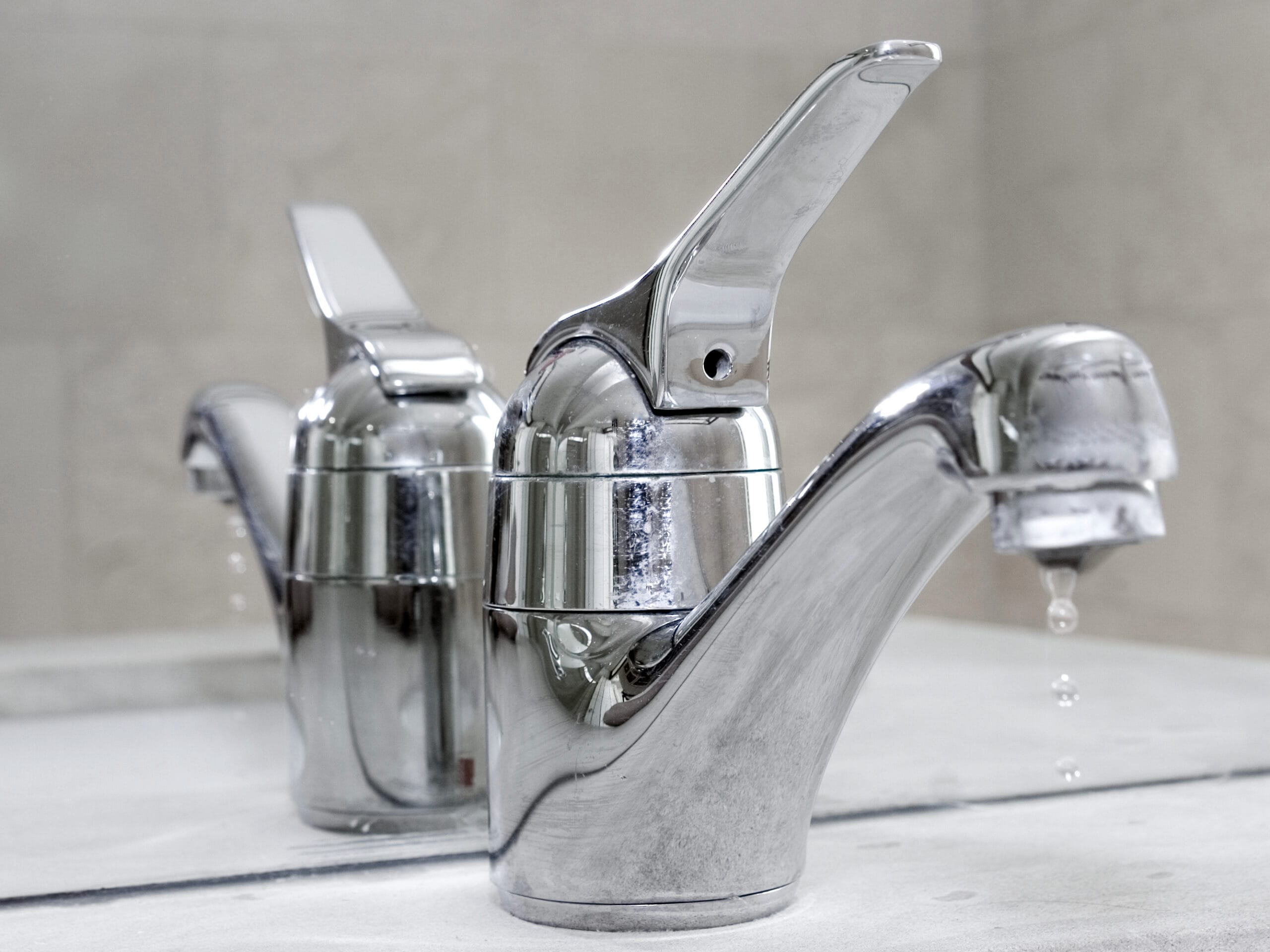
This is where most homeowners get a genuine shock. A tap that drips just once per second wastes approximately 31 litres of water per day. That adds up to around 11,000 litres per year — from a single tap. If you have two or three dripping taps in your home, that figure multiplies quickly.
To put it in perspective, the average Australian household uses roughly 200,000 litres of water per year for all purposes. A single dripping tap can add more than five percent to that total without you noticing. In areas like Bacchus Marsh, where water conservation is taken seriously and tariff rates are structured to encourage responsible usage, that kind of unnoticed waste can push you into a higher billing tier.
The Drip-Rate Breakdown
Not all leaking taps drip at the same rate. Here is a rough guide to how waste scales with drip frequency:
- 1 drip per second: approximately 31 litres per day, or 11,000 litres per year
- 2 drips per second: approximately 62 litres per day, or 22,600 litres per year
- A steady trickle (thin stream): can waste upwards of 200 litres per day, or 73,000 litres per year
- A moderate continuous flow: can exceed 400 litres per day, resulting in catastrophic water waste and bill increases
Even at the conservative end, the numbers are significant. And because most household taps run on metered supply, every litre wasted is a litre you pay for.
How Does a Leaking Tap Increase Your Water Bill?
South East Water, which services Bacchus Marsh and the broader Moorabool Shire, uses a tiered pricing structure. This means the more water your household uses within a billing period, the higher the rate you pay per kilolitre beyond certain thresholds. A leaking tap that pushes your usage into a higher tier does not just cost you for the wasted water — it raises the unit price you pay for every litre above that tier, including the water you actually intended to use.
The True Cost at Current Water Rates
Using South East Water’s general residential usage rates as a reference, consider what a slow drip at one drip per second costs over a year:
- 11,000 litres wasted annually equals approximately 11 kilolitres
- At current usage rates, that alone adds a meaningful amount to your annual bill
- If the drip pushes your household into the next billing tier, the cost on all water above the threshold increases further
- A faster drip or steady trickle can add hundreds of dollars per year to your water costs
The financial impact is real and ongoing. The longer a leaking tap goes unfixed, the more you pay — and the more water is wasted from Bacchus Marsh’s shared water supply.
Identifying an Unexpected Bill Spike
If your water bill has jumped without a clear explanation, a leaking tap is one of the first places to check. Other signs that a tap or internal plumbing issue is costing you include:
- The sound of running water when all taps are off
- Wet patches or moisture around the base of tapware or under sinks
- Mould or mildew forming in areas that should be dry
- Discolouration or staining on benchtops, cabinetry, or tiles near taps
- A water meter that continues ticking when no fixtures are in use
The meter test is the simplest starting point. Turn off every tap and water-using appliance in the house, then watch the meter for 15 to 30 minutes. If it moves, water is going somewhere it should not be.
What Causes a Tap to Leak?
Understanding why taps leak helps you know when to call a plumber and how urgent the situation is. Most tap leaks come down to a handful of common causes.
Worn or Damaged Washers
The washer is one of the most common culprits in older style tap bodies. Each time you use the tap, the washer is pressed against a valve seat to stop water flow. Over time, this repeated friction wears the washer down, preventing it from sealing properly. A worn washer is one of the most common reasons for a dripping tap at the spout.
- Compression-type taps (the traditional twist-handle style) are most susceptible to washer wear
- Washers can degrade faster if the tap is frequently overtightened
- Hot water taps tend to wear washers faster due to the thermal stress
- A simple washer replacement, done by a licensed plumber, is a quick and affordable fix
Damaged O-Rings
O-rings seal the spindle of the tap — the part that controls the flow of water. When an O-ring becomes worn, cracked, or deformed, it allows water to seep out around the handle or base of the tap rather than from the spout. This type of leak is often mistaken for a surface cleaning issue until the cabinetry or benchtop underneath starts to show water damage.
- O-ring leaks often appear as moisture or dripping around the tap handle or tap base
- They are more common in taps that have been installed for many years
- Replacing O-rings is a standard plumbing repair that should restore a proper seal
- Leaving an O-ring leak unaddressed can result in water damage to cabinetry and surrounding surfaces
Corroded Valve Seats
The valve seat connects the tap and the spout. If sediment accumulates in this area over time, it can cause the valve seat to corrode or become uneven, which prevents the washer from sealing properly even when it is in good condition. This is a less common but more serious issue that requires more involved repair work.
- Corrosion of the valve seat is more likely in areas with harder water or older plumbing systems
- Regular plumbing maintenance can catch valve seat wear before it leads to persistent leaks
- In some cases, the valve seat can be resurfaced; in others, tapware replacement is the better long-term solution
Loose or Worn Packing Nuts
The packing nut sits behind the handle of older-style taps and helps hold everything in place. If this nut loosens or the packing material inside degrades, water can leak around the stem of the tap. You may notice this as leaking from the handle area rather than the spout itself.
- Sometimes the fix is as simple as tightening the packing nut slightly
- In other cases, the packing material needs to be replaced
- A licensed plumber can assess whether tightening or replacement is needed
High Water Pressure
Excessive water pressure is an often-overlooked cause of tap leaks, particularly in areas undergoing residential development or where supply infrastructure varies. When water pressure exceeds recommended levels, it can cause water to force its way past seals and fittings, creating leaks or causing existing minor leaks to worsen rapidly.
- Normal residential water pressure is typically between 200 and 500 kilopascals (kPa)
- If pressure consistently exceeds 500 kPa, a pressure limiting valve may be needed
- High pressure affects not just taps but also toilet cisterns, appliance connections, and pipe joints
- A plumber can measure your water pressure quickly and advise on whether a regulator is required
Why You Should Not Ignore a Leaking Tap
Beyond the water bill, a leaking tap left unaddressed can lead to a cascade of more expensive problems in your home. What starts as a worn washer can progress into structural water damage if the leak worsens or goes undetected in a concealed location.
Water Damage to Cabinetry and Surfaces
A dripping tap under a kitchen or bathroom sink may seem minor, but even slow, consistent moisture causes timber cabinetry to swell, warp, and rot over time. Replacing damaged cabinetry costs significantly more than fixing the original tap.
Mould and Mildew Growth
Persistent moisture from a leaking tap creates the ideal conditions for mould to grow inside cabinets, walls, or floor cavities. Mould remediation is costly and, in some cases, can affect the health of household members, particularly those with respiratory sensitivities.
Worsening of the Underlying Problem
Minor tap issues rarely resolve themselves. A slow drip that could be fixed with a washer replacement can progress to a fully failed tap body or a cracked fitting if left alone. Addressing the problem early is almost always cheaper than dealing with the consequences of delay.
Environmental Responsibility
Bacchus Marsh and the Moorabool Shire region depends on sustainable water management. Every litre wasted through a leaking tap is drawn from the same shared supply the broader community relies on. Prompt repairs are both a financial and environmental responsibility.
Can I Fix a Leaking Tap Myself?
In Victoria, plumbing work is regulated under the Plumbing and Drainage Act. While it is not illegal to replace a washer yourself in some basic situations, any work involving water supply lines, connections, or more than basic tapware maintenance must be carried out by a licensed plumber. Attempting repairs beyond your competency can void home insurance, create liability issues, and often makes the problem worse.
The safest and most cost-effective approach is to have a licensed plumber assess and repair a leaking tap, particularly when the cause is unclear. What looks like a simple washer issue can sometimes indicate a wider problem with water pressure, corroded fittings, or aging tapware that needs to be identified properly.
Frequently Asked Questions
How much does it cost to fix a leaking tap?
The cost of fixing a leaking tap depends on the cause and the type of tapware involved. A basic washer or O-ring replacement is typically a straightforward job for a licensed plumber and one of the more affordable call-out repairs. More complex issues, such as corroded valve seats or high-pressure problems requiring additional components, will cost more. Getting a quote upfront is always the best approach.
How do I know if my water bill is high because of a leaking tap?
Compare your current bill with previous bills from the same period in prior years. If your usage has increased noticeably without a change in household habits, a leak is likely. The water meter test — turning everything off and watching whether the meter continues to move — is the most reliable quick check.
How long does it take to fix a leaking tap?
Most standard tap repairs can be completed within 30 to 60 minutes, depending on the cause and accessibility of the tapware. More complex repairs or replacements of older tapware may take longer. A plumber will be able to give you a better time estimate once they have assessed the situation on site.
Conclusion
A leaking tap is never just a cosmetic problem. It is a slow, ongoing drain on your household budget and a source of unnecessary water waste. The good news is that tap repairs are among the most straightforward and affordable plumbing jobs available — provided you act before the issue escalates.
At New Image Plumbing & Gas, we service Bacchus Marsh and the wider Moorabool Shire with prompt, professional plumbing repairs. Whether it is a single dripping kitchen tap or multiple fixtures showing signs of wear, our licensed plumbers will assess the problem honestly, give you a clear quote, and fix it properly the first time. Do not wait until your next bill arrives to take action. Call us at 0489 246 667 or submit our online form today!