When most people think about plumbing problems, they picture burst pipes in winter or blocked drains in Melton after a heavy storm. But in the western suburbs of Melbourne, summer is its own kind of test for your plumbing system. Temperatures regularly push past 35 degrees Celsius, and in extreme years Melton has recorded days well above 40 degrees. That kind of sustained heat does things to pipes, seals, fittings, and hot water systems that most homeowners never consider, until something goes wrong.
Understanding how summer heat affects your plumbing puts you in a much stronger position to protect your home, avoid unexpected repair bills, and keep water flowing reliably through one of the busiest times of year for your household. This guide covers what actually happens to your plumbing in the heat and what you can do about it.
How Heat Affects the Pipes in Your Home
All materials expand when they are heated and contract when they cool. For your plumbing system, this is a constant cycle, but it becomes a genuine problem when temperature swings are extreme — exactly the kind Melton experiences during a hot summer, particularly when a run of scorching days is followed by a cooler change overnight.
Thermal Expansion in Pipes
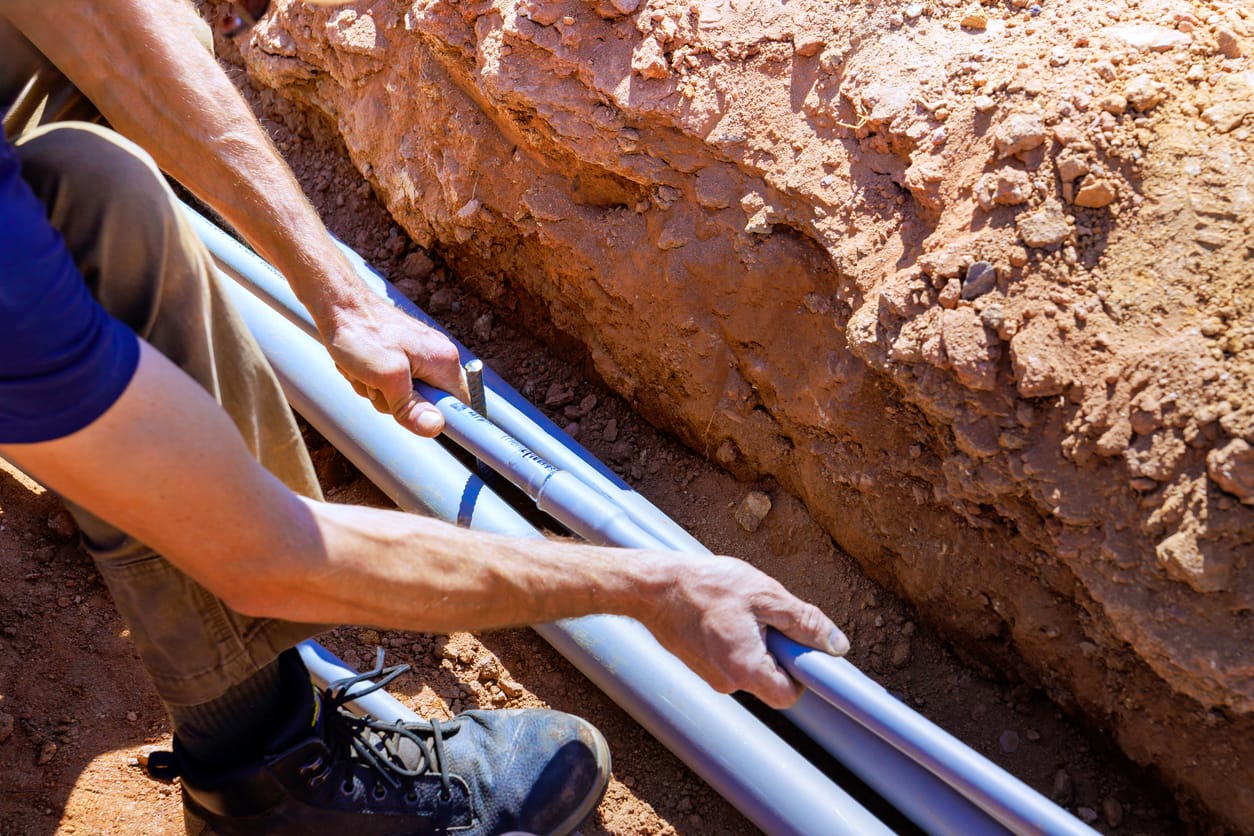
Both metal and plastic pipes expand when exposed to heat. In a well-designed plumbing system, this movement is accounted for through proper installation and adequate pipe support. But in older homes, or where pipes have been installed without adequate provision for thermal movement, repeated expansion and contraction can cause stress at joints and fittings over time.
- PVC and CPVC pipes are particularly susceptible to deformation if exposed to extreme heat in uninsulated spaces such as roof cavities
- Copper pipes handle heat better than plastic, but joints and solder points can weaken over many years of seasonal cycling
- Polyethylene (PE) pipes used in some outdoor applications can soften in direct sun if not buried or shaded adequately
- Pipes running through poorly ventilated roof cavities are at the highest risk of heat-related stress in Melton’s summer climate
Ground Movement and Underground Pipes
The clay-heavy soils common across much of Melton and the Melton South area are notably reactive to changes in moisture and temperature. During dry, hot summers, the ground contracts as moisture evaporates. This movement can shift underground pipes — particularly older clay or concrete sewer lines — causing cracks, joint separation, or partial blockages.
- Cracked underground pipes may allow ground water and root intrusion during subsequent wet periods
- Partial pipe displacement can create low spots where waste accumulates, leading to recurring slow drains or blockages
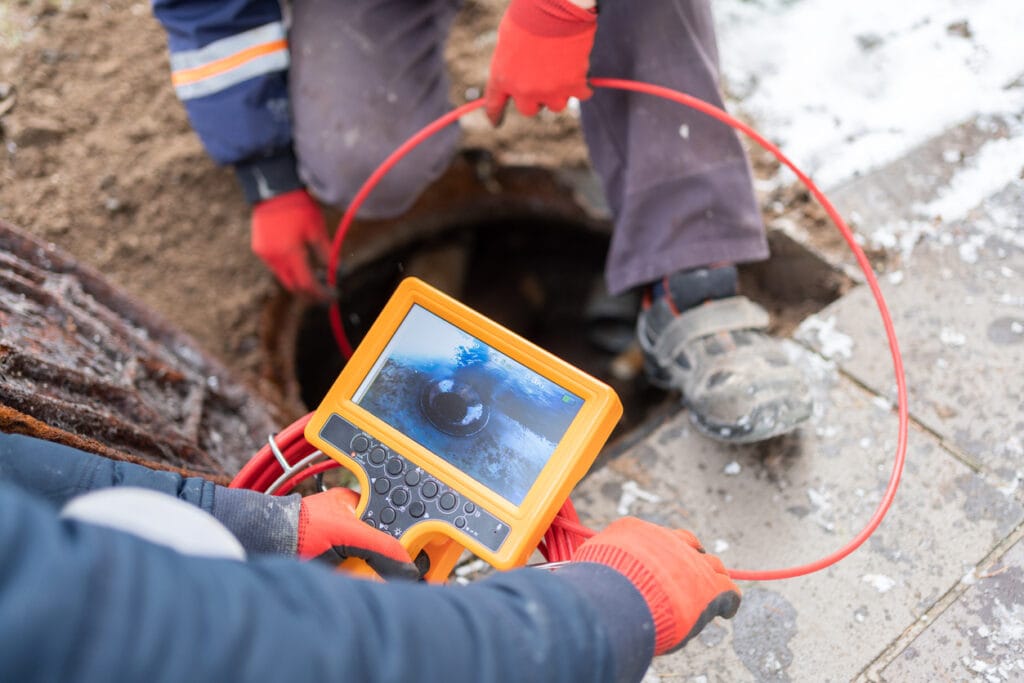
- CCTV drain inspection is the only reliable way to assess the internal condition of underground pipes without excavation
- Homes in newer estates on established clay ground are particularly vulnerable to this kind of movement
What Happens to Your Hot Water System in Summer
You might assume your hot water system has an easier time in summer — after all, the incoming cold water supply is already warmer than in winter. But the reality is more nuanced, and some hot water system types actually face additional stress during summer months.
Storage-Type Hot Water Systems
Electric and gas storage systems maintain water at a set temperature regardless of the ambient conditions outside. In summer, the unit’s thermostat and pressure relief valve (TPR valve) work harder as internal pressure builds more readily when ambient temperatures are higher. A TPR valve that is old or worn may release water more frequently in summer as a result — something many homeowners mistake for a fault when it is actually the valve doing its job.
- A TPR valve that is dripping or releasing water frequently should be assessed by a plumber Melton — it indicates excess pressure or a valve that needs replacing
- Storage systems in direct sun or unventilated locations experience greater ambient heat, which can stress the unit casing and connections
- Anode rods inside storage tanks degrade faster in warmer conditions, meaning tanks may require more frequent maintenance inspections
- Sediment build-up at the base of the tank accelerates in warmer water, potentially reducing efficiency and lifespan
Solar Hot Water Systems
Melton’s sunny summer climate is great for solar hot water production — but it can also be almost too much of a good thing. On extremely hot days with high solar gain, solar systems can overheat if the storage tank reaches maximum capacity and the household has not used enough hot water to draw down the temperature.
- Overheating can cause the system’s temperature and pressure relief valve to operate, which is normal but can be startling if unexpected
- Consistent overheating may indicate the system is oversized for the household or that the booster element is set too high
- Flat plate collectors should be checked for cracked glazing or degraded seals before each summer season
- Evacuated tube systems require minimal maintenance but should still be visually inspected for tube damage before the peak heat period
Outdoor Taps, Garden Hoses, and Irrigation Systems
In summer, outdoor plumbing gets far more use than at any other time of year. Gardens need watering, kids use the hose, and irrigation systems run more frequently. Summer heat also creates specific risks for outdoor fixtures that are exposed to the elements.
UV Degradation of Outdoor Fittings
Hose connectors, irrigation fittings, and exposed pipework made from rubber or lower-grade plastic are susceptible to ultraviolet degradation. After several summers of direct sun exposure, these components can become brittle and crack, particularly in a climate as intense as Melton’s west-facing properties.
- Replace rubber washers and hose connectors annually before the summer season to avoid unexpected failures
- Inspect irrigation drip lines and connectors for UV cracking or brittleness before increasing run times
- Outdoor tapware exposed to direct sun may have faded or cracked seals that need replacing
- Consider UV-rated components when replacing outdoor plumbing fittings in sunny, exposed locations
Increased Demand on Outdoor Taps and Hose Bibs
Garden hoses and outdoor taps used daily in summer are under repeated stress from connection and disconnection, water pressure changes, and heat. A leaking outdoor tap wastes significant water quickly and can go unnoticed if it drips at the connection point onto a garden bed or concrete that regularly gets wet from irrigation anyway.
- Check outdoor taps at the start of summer and ensure washers are in good condition
- Ensure hose fittings are fully seated to avoid leaks at the connection point
- If your outdoor tap is stiff or difficult to turn, it may need servicing — forcing it can damage the internal valve
Summer Drain and Sewer Issues
Summer brings a different pattern of drain use to households in Melton. Barbeques, outdoor entertaining, increased personal hygiene after outdoor activity, and kids home from school all change how much and what goes down the drains.
Grease and Fat Blockages
Summer entertaining often means more cooking, and with that comes a higher risk of grease and cooking fats entering the kitchen drain. In cooler months, these substances solidify quickly. In summer, they may remain liquid longer but can still accumulate on drain walls and eventually cause a slow or blocked drain.
- Never pour cooking oils, grease, or fats down the kitchen sink regardless of the season
- Run hot water and a small amount of dish soap down the drain after washing dishes to help clear residual grease
- A slow-draining kitchen sink at the end of summer is a common indicator of grease build-up that should be cleared professionally
Tree Root Intrusion During Dry Conditions
This is one of the most significant plumbing risks during a hot, dry Melton summer. As the ground dries out, tree and plant roots seek moisture. Older sewer pipes with any small crack or deteriorated joint become prime targets. Roots grow into those openings, initially causing slow drains before eventually blocking the pipe entirely.
- Properties with large established trees — particularly willows, fig trees, and eucalypts — are at the highest risk
- Slow drainage from multiple fixtures simultaneously is one of the key warning signs of a developing root intrusion
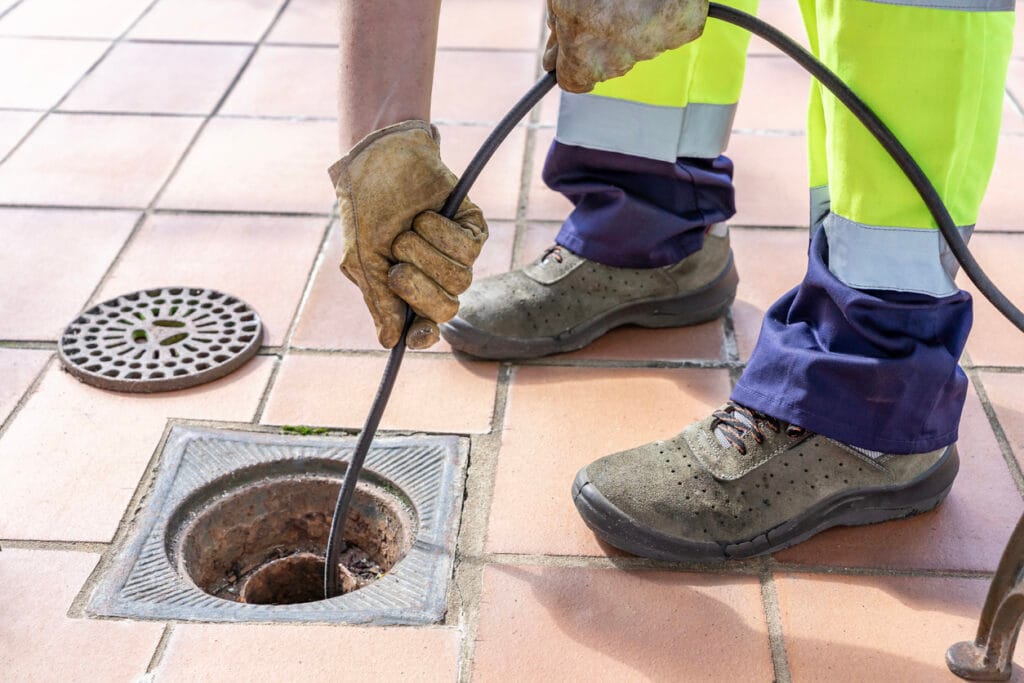
- High-pressure water jetting can clear root intrusions, and pipe relining can seal cracks to prevent re-entry
- CCTV inspection identifies the exact location and severity of intrusion before recommending a solution
Water Pressure Fluctuations in Summer
Summer in Melton places high demand on the local water supply network. Hot days drive up residential usage — garden watering, filling pools and spas, kids playing with hoses — and this increased system-wide demand can cause water pressure to fluctuate at the household level.
Low Pressure During Peak Times
If you notice noticeably weaker water flow from taps or the shower during mid-morning or early evening on hot days, this is often a sign of peak demand on the local supply network rather than a fault in your home plumbing. However, if low pressure is consistent or affects only certain areas of your home, it could indicate a blockage, a partially closed valve, or a failing pressure regulator.
- Check that your main stop tap is fully open if you have recently had any work done to the supply
- Blockages in hot water outlet pipes from sediment can create the impression of low pressure in hot water lines specifically
- A licensed plumber can test pressure at your meter versus at individual fixtures to diagnose the source
Pressure Spikes After High-Usage Periods
After periods of high network demand ease — for example, late at night — pressure in the supply line can spike. These spikes put stress on pressure limiting valves, tapware, and appliance connections. If your pressure limiting valve is ageing or undersized, a pressure spike can cause failure at the most vulnerable fitting in the system.
Frequently Asked Questions
Can extreme heat cause pipes to burst in Melton?
Yes, though it is less common than burst pipes from freezing, extreme heat can cause pipes to fail — particularly plastic pipes in uninsulated roof cavities or those that have already been weakened by years of thermal cycling. UV-exposed outdoor plastic pipes are also at risk of cracking during sustained heat events. Proper insulation and using appropriate pipe materials for exposed locations reduces this risk significantly.
Why does my hot water run out faster in summer?
Summer typically increases household hot water demand — more showers, more washing after outdoor activities, more guests if entertaining. If your system is struggling to keep up, it may be undersized for your current household, or the element or burner may need servicing. A plumber can assess whether a service, a thermostat adjustment, or a system upgrade is the right solution.
Conclusion
Your plumbing system works harder in summer than most homeowners realise. From thermal stress on pipes to increased demand on drains, hot water systems, and outdoor fixtures, the warmer months in Melton expose weaknesses in your plumbing before other seasons have a chance to. The best time to identify those weaknesses is before a problem develops, not in the middle of a 40-degree day when your hot water system fails or a burst pipe floods your garden.
New Image Plumbing & Gas services Melton and the surrounding western Melbourne suburbs with fast, professional plumbing inspections, maintenance, and emergency repairs. If you want your plumbing ready for summer, or if you have already noticed something that does not seem right, give us a call. We are available 24 hours a day, 7 days a week, and we back every job with a workmanship guarantee.
Do not leave your plumbing to chance this summer. Call us at 0489 246 667 or submit our online form. Reach out to us for a free quote or to book a pre-summer inspection.