A loud bang or hammering sound coming from your pipes is one of those plumbing problems that is easy to dismiss as a minor annoyance. That is until it happens every time you turn off a tap, or every time the washing machine finishes filling. This kind of noise is more common than many people realise, particularly in properties with older pipe systems or those connected to areas with higher mains water pressure. The good news is that it is diagnosable and fixable. This guide explains exactly what causes pipe hammering and banging, the factors that make it worse, and what a plumber Melton will do to resolve it properly.
What Is Water Hammer?
Water hammer is the technical name for the banging or thudding sound you hear when water flow is stopped suddenly inside a pipe. When water moves through your plumbing system, it carries momentum. When a tap or valve closes abruptly, that momentum has nowhere to go. The kinetic energy of the moving water converts into a pressure shockwave that travels through the pipework and slams against fittings, bends, and fixed points. The result is the characteristic bang you hear through walls and floors.
Water hammer is not just a noise issue. Repeated pressure shockwaves stress pipe joints, can crack older fittings, and over time contribute to leaks in the pipework itself. Appliances with solenoid valves — such as washing machines, dishwashers, and some refrigerators with water dispensers — are particularly common triggers because their valves close extremely fast, faster than any hand-operated tap.
What Causes Water Hammer?
Several different factors contribute to water hammer, and often more than one is present at the same time. Understanding which cause applies to your home is the starting point for the right fix.
High Mains Water Pressure
This is the most common contributing factor in Melton and Bacchus Marsh homes. The higher the water pressure inside your pipes, the greater the momentum of the water, and therefore the more violent the shockwave when that momentum is suddenly arrested. Australian plumbing standards recommend residential supply pressure be kept between 200 and 500 kPa. In many parts of Melbourne’s western growth corridor, mains pressure can exceed this range, particularly during off-peak hours when demand on the network is low and pressure rises.
- If your home’s water pressure regularly exceeds 500 kPa, a pressure-reducing valve (PRV) should be installed on the incoming supply line
- A PRV regulates the incoming pressure to a safe and steady level, which often eliminates water hammer entirely without any other intervention
- You can check whether pressure is the issue by having a licensed plumber test your supply pressure with a gauge — this takes only a few minutes on-site
- Homes built before the mid-1990s in Melton and Bacchus Marsh are less likely to have a PRV already fitted, as they were not always required under older building codes
Solenoid Valve Appliances
Solenoid valves are electrically operated valves used in washing machines, dishwashers, ice makers, and irrigation controllers. Unlike a hand-turned tap that closes gradually, a solenoid valve snaps shut in milliseconds when the appliance signals it to stop filling. This near-instantaneous closure is one of the most reliable triggers for water hammer.
- If the banging happens specifically when your washing machine finishes its fill cycle, the solenoid valve on the machine is almost certainly the trigger
- The same applies to dishwashers at the start and end of each water intake cycle
- Installing a water hammer arrestor (a small inline device that absorbs the pressure spike) on the supply lines to these appliances is often the most targeted fix
- Arrestors are relatively inexpensive and can be fitted by a licensed plumber at the same time as a pressure assessment
Loose or Inadequately Supported Pipes
When water hammer occurs, the pressure shockwave physically moves the pipe, even if only by a millimetre or two. In pipework that is properly clipped and secured, this movement is absorbed without generating much noise. When pipes are running loose through wall cavities, under floors, or through ceiling spaces without adequate clips, the movement is amplified and the pipe physically rattles against the surrounding structure.
- This is particularly common in older Melton homes where original pipe clips have corroded, or where extensions and renovations added pipe runs without sufficient support
- In slab-on-ground homes, pipework in the wall cavities is sometimes clipped only at intervals that exceed the recommended spacing for the pipe material
- Adding pipe clips or securing loose runs is a lower-cost intervention that can significantly reduce noise even when the underlying pressure issue is also present
- A plumber assessing a water hammer complaint will typically check pipe support as part of the inspection, not just pressure
Worn or Failing Tap Washers and Cartridges
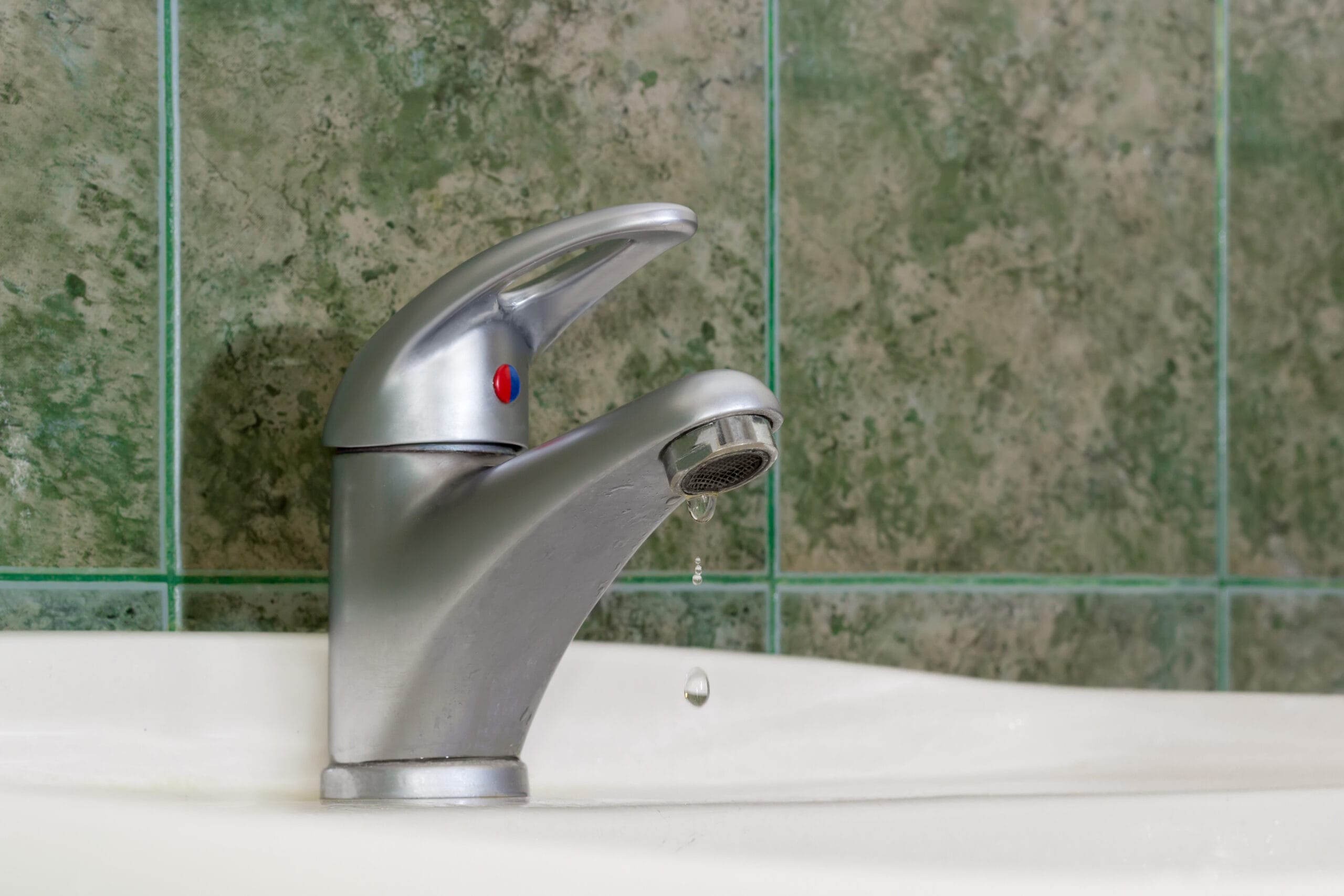
This cause produces a slightly different type of noise from classic water hammer, but it is often described the same way by homeowners. A worn washer or a degraded ceramic cartridge inside a tap can flutter and vibrate under the flow of water. This produces a hammering or chattering sound while the tap is running, rather than a single bang at the moment of closure.
- If the noise happens while the tap is open and flowing, rather than at the moment you turn it off, a worn washer or cartridge is the more likely cause
- Kitchen mixer taps and bathroom basin taps with ceramic disc cartridges are the most common culprits, particularly in properties where the tapware has not been serviced in several years
- Replacing a washer or cartridge is a straightforward repair that a plumber can complete in under an hour in most cases
- Bacchus Marsh homes with original tapware from the 1980s or 1990s are particularly prone to this, as rubber washers degrade significantly over that timeframe
Partially Closed Isolation Valves
Isolation valves, the small inline valves used to shut off supply to individual fixtures like toilets, washing machines, and under-sink connections, are sometimes inadvertently left in a partially open position. When water flows through a partially closed valve at high velocity, it creates turbulence and vibration that can generate a hammering or humming sound through the pipes.
- Check that all isolation valves in your home are fully open (handle aligned with the pipe) rather than partially turned
- Isolation valves that are old or stiff should be fully exercised open and closed by a plumber Bacchus Marsh to free up the mechanism, as forcing them yourself can cause the valve body to crack
- This is a quick and often overlooked check that can resolve a noise problem without any further work
Air Pockets in the Pipe System
Air trapped inside a pipe system can also produce banging and knocking sounds as water flow pushes the air pocket through bends and fittings. This type of noise often occurs intermittently rather than consistently with every tap operation, and it can be accompanied by sputtering flow from the tap before the water runs smoothly.
- Air pockets commonly enter the system after the water supply has been turned off for repairs, after work on the mains infrastructure in the street, or when a hot water system has been drained and refilled
- In most cases, air can be purged from the system by systematically opening all taps from the highest point in the house to the lowest and allowing air to bleed out
- If air pockets return repeatedly without an obvious explanation, it may indicate a small leak in the supply side that is drawing air in, which warrants further investigation
What Happens If Water Hammer Is Left Unaddressed?
Water hammer that is ignored does not stay at the same level indefinitely. The pressure spikes that cause the noise also cause gradual damage to the plumbing system. Over months and years, the following consequences become increasingly likely:
- Stress fractures develop at soldered copper joints, particularly in older Melbourne homes where the original solder connections are already aged
- Push-fit and compression fittings can loosen progressively under repeated shock, eventually leading to slow drips or sudden joint failures
- Solenoid valves in washing machines and dishwashers wear out prematurely due to the pressure spikes, shortening appliance lifespan
- Pressure relief valves on hot water systems can start to weep or discharge more frequently as they respond to the elevated peak pressures
- In worst-case scenarios, a severe water hammer event can cause a fitting to fail suddenly, resulting in a burst pipe inside a wall or under a slab
How Water Hammer Is Fixed
The right fix depends on the root cause, which is why a proper diagnosis comes before any recommendation. A licensed plumber will typically follow this process:
Pressure Assessment
- Static pressure at the incoming supply is measured with a gauge to determine whether it exceeds 500 kPa
- If pressure is the primary driver, a pressure-reducing valve is installed on the supply line as it enters the property
- PRVs are set to deliver a steady supply pressure, typically between 300 and 450 kPa, which eliminates the excess momentum responsible for the hammer effect
Water Hammer Arrestors
- Where specific appliances are triggering the problem, inline water hammer arrestors are fitted to the hot and cold supply lines serving that appliance
- An arrestor contains a sealed air chamber with a piston that compresses to absorb the pressure spike when the solenoid valve closes
- Unlike older-style air chambers (which were simply capped pipe sections), modern mechanical arrestors do not become waterlogged over time and require no maintenance
Pipe Securing
- Accessible pipe runs are checked for adequate clip spacing and support
- Where pipes are running loose in wall cavities or ceiling spaces, clips are added at the appropriate intervals for the pipe material and diameter
- Foam pipe lagging is sometimes used in addition to clips to further dampen noise transmission through the structure
Tapware Repair or Replacement
- Where worn washers or cartridges are identified as the cause, the internal components are replaced
- In tapware that is significantly aged, full replacement is sometimes more cost-effective than repeated washer replacements
- Your plumber will advise on whether a repair or replacement makes more sense given the age and condition of the tapware
How Quickly Can the Problem Be Fixed?
Most water hammer issues can be resolved in a single visit. A pressure assessment, PRV installation, and fitting of one or two water hammer arrestors is typically a two to three hour job. If the cause is a worn washer or cartridge, that can usually be handled in under an hour. Where pipe securing work is also needed, the total time will depend on how accessible the pipe runs are, but in most standard residential properties it remains a one-day job.
Conclusion
Banging pipes are not something you should have to live with, and they are definitely not something to ignore. If you are hearing water hammer in your home in Melton, Bacchus Marsh, or any of the surrounding areas, the team at New Image Plumbing and Gas can diagnose the cause and fix it properly. We carry pressure gauges, water hammer arrestors, and pressure-reducing valves on our vehicles so that in most cases we can complete the repair on the same visit as the assessment. Call us on 0468 125 098 for a fast response. Same-day service available for urgent issues.
Frequently Asked Questions
Is water hammer dangerous or just an annoyance?
Water hammer is both. The banging noise is disruptive, but the pressure spikes that cause it also stress pipe joints, crack fittings over time, and damage appliances with solenoid valves such as dishwashers and washing machines. In older properties with copper or galvanised pipes, repeated water hammer over years can lead to joint failures and leaks inside walls or under floors. It is worth fixing properly rather than waiting until secondary damage occurs.
Can I fix water hammer myself without calling a plumber?
You can check that all isolation valves are fully open and confirm appliances are not partially blocking supply lines — both of which are simple checks requiring no tools. However, installing a pressure-reducing valve or water hammer arrestor is licensed plumbing work in Victoria. Attempting to modify pressurised pipework yourself is unsafe and may void your home and contents insurance. The diagnosis alone is worth having a professional do, as the wrong fix wastes money without solving the problem.
What is the difference between water hammer and a vibrating or humming pipe?
Water hammer produces a sharp bang or series of bangs at the moment flow stops suddenly. A vibrating or humming pipe is usually caused by water flowing at high velocity through a partially closed valve or a worn washer that flutters under flow. The key difference is timing: water hammer happens when you turn a tap off; vibration or humming happens while the tap is running. Both need attention, but the causes and solutions are different, which is why an accurate diagnosis matters.
How long does it take a plumber to fix water hammer?
A pressure assessment and PRV installation, or the fitting of water hammer arrestors to appliance supply lines, is typically completed in two to three hours. Identifying the root cause is the critical first step, which a plumber will do before recommending any solution. Pipe clips can usually be added on the same visit. If tapware replacement is also needed, allow an additional hour or two depending on how many fixtures are involved.
Does high water pressure cause other problems beyond water hammer?
Yes. Consistently high supply pressure accelerates wear on tap washers and cartridges, shortens the lifespan of appliance hoses (dishwasher and washing machine hoses are particularly vulnerable to blowouts under high pressure), stresses toilet inlet valves, and causes pressure relief valves on hot water systems to discharge more frequently. Fitting a pressure-reducing valve is one of the single most cost-effective ways to reduce plumbing maintenance costs across the whole property, not just resolve the water hammer symptom.
My pipes only bang at night. Is that normal?
This is actually a strong indicator that high mains pressure is the primary cause. Water pressure in residential areas tends to be highest during off-peak hours, typically late at night and in the early morning, when household and commercial demand on the network is at its lowest. If your water hammer is noticeably worse between midnight and 6am, the mains pressure during those hours is almost certainly exceeding the recommended range, and a pressure-reducing valve is likely the appropriate solution.