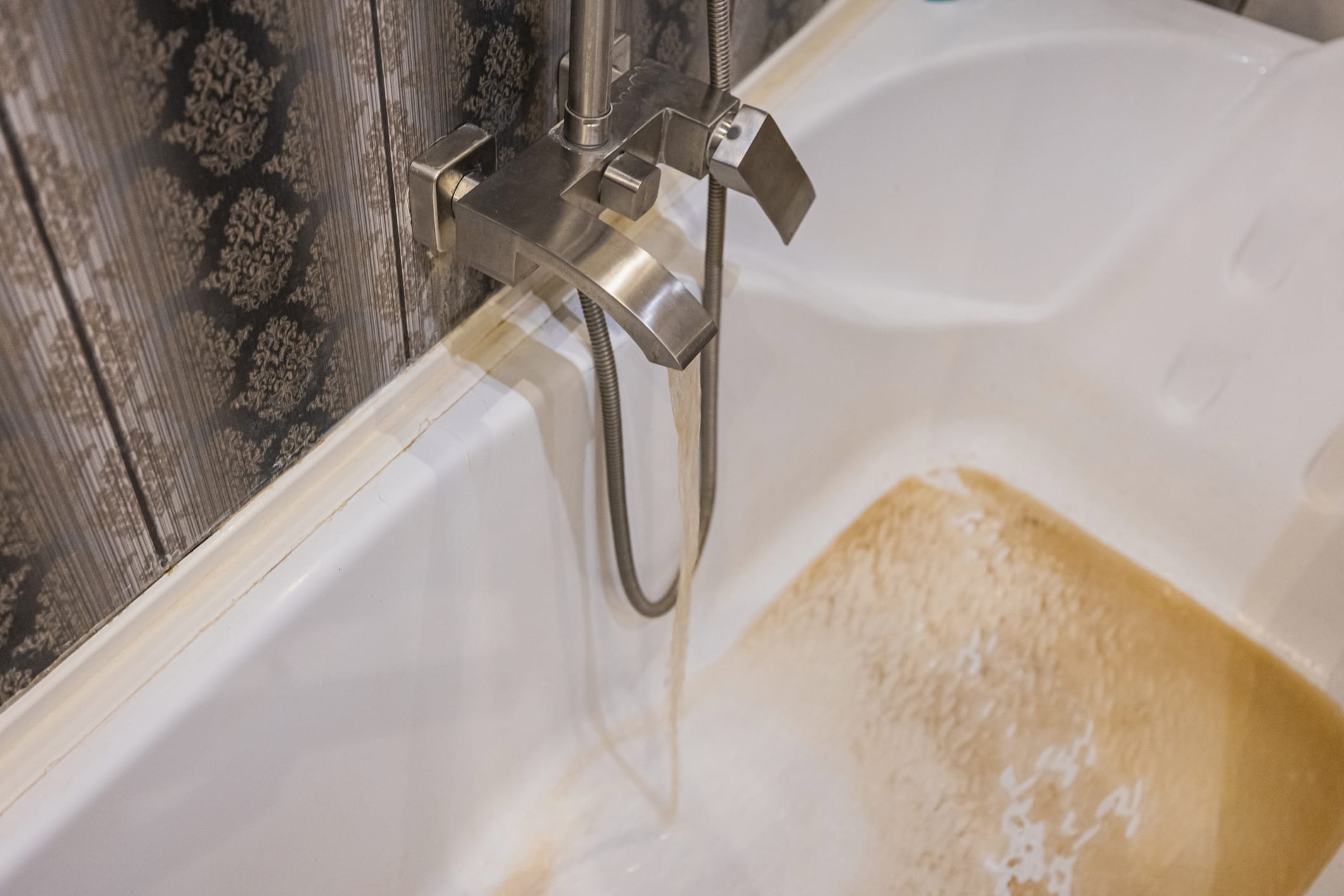
Turning on the hot tap to find brown, orange, or rust-coloured water coming through is one of those plumbing problems that stops you in your tracks. It looks alarming, and for good reason. Discoloured hot water is not a cosmetic issue or a water supply quirk you can ignore. It is a sign that something in your hot water system in Melton or the pipework connected to it is corroding. For homeowners in West Melbourne, understanding what is causing the problem determines both how urgently you need to act and what the fix actually looks like.
What Causes Brown or Rusty Hot Water?
The discolouration has to come from somewhere. In almost every case, it is either iron particles from corrosion inside a storage tank or rust from the interior walls of ageing galvanised pipes. Identifying the source correctly is the first step, because the solution is different depending on where the problem originates.
A Corroding Hot Water Tank
The most common cause of rusty hot water in Australian homes is corrosion inside the storage tank itself. Storage hot water systems, whether gas or electric, use a sacrificial anode rod to protect the steel lining of the tank from rusting. Understanding how this works helps explain why tanks corrode and what the warning signs mean.
- The sacrificial anode rod is the tank’s primary defence. It is a rod made from magnesium or aluminium that is inserted into the tank. Corrosive elements in the water attack the anode rod instead of the tank walls, gradually consuming the rod over time. When the rod is fully depleted, the tank itself becomes the target.
- Most manufacturers recommend replacing the anode every five years. Many homeowners have never heard of the anode rod, let alone had it replaced. In practice, a significant number of tanks currently in service are operating with a depleted or absent anode, which means the tank is actively corroding from the inside.
- Rust particles enter the water supply. As the tank wall corrodes, particles of rust break away and enter the water flowing through the system. These particles discolour the hot water, giving it that characteristic brown or orange tint.
- A corroding tank cannot be repaired. Once the internal steel lining has corroded to the point of producing rust in the water, the tank is past the point of no return. It will eventually develop a pinhole or seam failure and leak, often with very little warning. Replacement is the correct response, not a temporary fix.
- The failure timeline is unpredictable. A tank that is already producing rust particles may last another six months or another two years before it leaks. There is no reliable way to know which. Replacing it proactively, once rust is confirmed as the source, is far less disruptive than managing an emergency tank failure.
For Melton and Bacchus Marsh homeowners with an older hot water system, the presence of brown water from the hot tap is a clear signal to have the tank assessed sooner rather than later. Most residential storage tanks have a service life of 8 to 12 years. A tank beyond that age producing discoloured water is on borrowed time.
Old or Corroded Hot Water Pipes
Not all cases of rusty hot water come from the tank. Older homes that still have galvanised steel hot water supply pipes are a common secondary source of discolouration. Galvanised pipes were widely used in Australian residential construction up to the 1980s, and many are still in service today.
- Galvanised steel corrodes from the inside out. Water flowing through a galvanised pipe over decades gradually strips away the zinc coating and begins attacking the steel beneath. As the interior surface corrodes, rust particles and scale flake off into the water stream.
- The problem is most visible after the water has sat in the pipe. First thing in the morning, after the hot water system has been idle overnight, the rust that has settled in the pipe section near the tap is flushed through when the tap is first turned on. This produces a burst of brown water that may clear after a minute or two of running.
- Running the tap temporarily masks the problem. If the discolouration clears after running the tap for a while each morning, the source is almost certainly galvanised pipes rather than the tank. But the underlying corrosion in those pipes continues regardless, and the problem will worsen over time.
- Scale buildup reduces flow and can harbour bacteria. The rough interior surface of a corroding galvanised pipe accumulates mineral scale more readily than a smooth copper or PEX pipe. The resulting buildup reduces water flow and creates conditions that can support bacterial growth, including Legionella in hot water systems with poorly maintained temperatures.
- Corroding galvanised pipes eventually fail. As the wall thickness of the pipe is progressively consumed by corrosion, the risk of a pinhole leak or joint failure increases. Replacing corroded galvanised hot water pipes with copper or cross-linked polyethylene (PEX) is the definitive fix.
If you are finding that the hot water runs clear after you flush the pipe for a minute or two each morning but the discolouration returns daily, the most likely source is the hot water supply pipework rather than the tank. A licensed plumber Melton can confirm this during an inspection and advise on the extent of replumbing required.
Sediment Disturbance in the Tank
A third possible source of brown hot water is sediment that has accumulated at the bottom of the tank being disturbed and passing into the water supply. This tends to look slightly different from rust and has some distinct characteristics.
- Sediment accumulates naturally in storage tanks. Minerals dissolved in the water, particularly calcium carbonate in areas with harder water, settle and build up at the base of the tank over years of operation. This sediment layer is a normal byproduct of tank operation, but in older tanks it can become very thick.
- Disturbance produces brown or muddy-coloured water. When the sediment layer is disturbed by a sudden pressure change, an unusually high demand period, or a plumbing event nearby, particles can enter the hot water flow. The resulting discolouration tends to look more brown and muddy than the brighter orange-red of rust.
- It may be accompanied by gritty texture or unusual taste. Sediment passing through the tap can produce a gritty sensation or an earthy or mineral taste in the water. This is distinct from the metallic taste often associated with iron from pipe corrosion.
- Flushing the tank can help temporarily. A plumber can drain and flush the tank to remove accumulated sediment. However, in an older tank this should be done with care, as disturbing heavy sediment can also accelerate the deterioration of the tank lining.
Is Rusty Hot Water Safe to Use?
This is the question most homeowners ask first, and the answer matters. Brown or rusty hot water should not be used for drinking, cooking, or food preparation until the cause has been identified and resolved.
- Iron at low levels is not acutely toxic. Small concentrations of iron in water are not immediately harmful to most people. The Australian Drinking Water Guidelines set an aesthetic guideline (for taste and colour) of 0.3 mg/L for iron, but this is not a health-based limit.
- Corroding tanks can harbour bacteria. The more serious concern is that a degraded hot water system provides conditions where bacteria including Legionella can grow, particularly if the system is not maintaining adequate water temperature. Legionella requires water above 60°C to be reliably controlled; a malfunctioning system that is not reaching that temperature creates a genuine health risk.
- The source of the contamination is unknown until assessed. Until a licensed plumber has confirmed whether the source is rust, sediment, bacterial growth, or a combination of these, treating the water as unsafe for consumption is the correct approach.
- Do not use discoloured hot water for bathing or laundry either. Iron-stained water will discolour light clothing and can irritate sensitive skin. Until the source is resolved, use only cold water for activities where water quality matters.
How to Identify Where the Rust Is Coming From
Before calling a plumber Bacchus Marsh, there are a few simple checks that can help narrow down the source of the problem. These are observational only and do not replace a professional assessment, but they help you describe the problem accurately when you make the call.
- Check whether the cold tap runs clear. If the cold water from the same tap runs completely clear but only the hot tap produces discoloured water, the problem is in the hot water system or hot water supply pipes, not the mains supply.
- Check whether all hot taps are affected. If only one tap produces brown water, the issue may be localised to the pipework supplying that particular tap. If every hot tap in the house is affected, the problem is in the system or the main hot water supply line.
- Note whether the discolouration clears after running the tap. If the water runs clear after a minute or two and the discolouration only appears first thing in the morning, galvanised pipes are the likely cause. If the water never runs clear regardless of how long you run the tap, corrosion inside the tank is more likely.
- Check the age of the hot water system. If you know the system is more than 10 years old and has never had the anode rod replaced, the tank is the primary suspect. Most tanks have a data plate showing the installation date and sometimes the warranty period.
Hot Water System Types and Their Corrosion Risk
Different types of hot water systems have different exposure to corrosion risk. Understanding what type of system your home has helps set expectations about what is likely to go wrong and when.
- Gas storage systems are the most common type in many homes. They use a steel tank with an anode rod for protection. The typical service life is 8 to 12 years. Rust from a depleted anode is the most common cause of discoloured hot water in these systems.
- Electric storage systems operate similarly to gas storage systems in terms of corrosion risk. They also use an anode rod and have a similar service life. The anode in an electric system is often easier to access for replacement.
- Heat pump systems use a storage tank similar to electric storage systems and carry similar corrosion risks. The anode rod in a heat pump system requires the same regular replacement.
- Continuous flow (instantaneous) systems do not have a storage tank and therefore have no tank corrosion risk. However, they can still produce discoloured water if the cold water supply pipes or the internal heat exchanger have corroded. This is less common and typically indicates a pipe rather than a unit problem.
What to Do When You Find Brown Hot Water
Once you have noticed brown or rusty hot water, the steps to take are straightforward. Acting quickly protects both your health and your property from further damage.
- Stop using the hot water for drinking or cooking immediately. Use cold water or bottled water for all consumption until the issue is resolved.
- Run one hot tap briefly to check whether the discolouration is consistent. This helps establish whether it is a whole-system problem or localised, which is useful information for the plumber.
- Call a licensed plumber and describe what you are seeing. Tell them the colour and consistency of the water, whether both hot and cold are affected, whether it clears with running, and the age of the system if you know it. This helps them come prepared for the assessment.
- Do not attempt to drain or flush the tank yourself without guidance. Draining an older corroded tank incorrectly can accelerate failure or result in burns from hot water. This work should be done by a licensed plumber.
- If the tank is old and the rust is consistent, prepare for replacement. In most cases where an older storage tank is producing consistent rust-coloured water, replacement is the appropriate outcome. Getting quotes and understanding your options in advance helps you make the decision without pressure.
Choosing a Replacement Hot Water System
If the assessment confirms the tank needs replacing, the replacement is also an opportunity to evaluate whether the same type of system is still the best fit for your household.
- Gas storage systems remain the most common replacement choice for homes already connected to natural gas. They heat quickly, recover well, and have lower running costs than standard electric systems. Modern units have improved anode rod designs and longer warranty periods than older models.
- Heat pump systems are increasingly popular as a replacement because they are significantly more energy-efficient than both gas storage and electric storage systems. They are well suited to Melton and Bacchus Marsh climates and can reduce hot water running costs substantially.
- Continuous flow (instantaneous) gas systems eliminate the storage tank entirely, removing the corrosion risk at the tank level. They deliver hot water on demand without maintaining a stored volume. The upfront cost is higher than a storage system, but there is no tank to corrode or replace.
- Consider the number of occupants and peak demand. The right system size depends on how many people are in the household and when hot water demand peaks. A plumber can advise on the appropriate capacity for your situation.
Conclusion
Brown or rusty hot water is one of the clearest signals your plumbing can send you that something needs attention. In most cases, it means either the hot water tank has corroded past the point of continued safe use, or the galvanised pipes supplying the hot water are at the end of their effective life. Either way, the problem does not resolve itself and the risk of a more disruptive failure increases the longer it goes unaddressed.
New Image Plumbing and Gas handles hot water system assessments and replacements. If you are dealing with brown or rust-coloured hot water, do not keep running it through your home. Call us on 0489 246 667 or fill out our online form to arrange an assessment. We will identify the source, give you a clear picture of the system’s condition, and advise on the most practical next step.
Frequently Asked Questions
What is a sacrificial anode rod and why does it matter?
A sacrificial anode rod is a magnesium or aluminium rod fitted inside a storage hot water tank. Corrosive elements in the water attack the rod rather than the steel tank walls, gradually consuming the rod over time. When the anode rod is fully depleted, the tank wall itself begins to corrode. Most manufacturers recommend replacing the anode rod every five years. Many homeowners are unaware the rod exists, which is why corrosion-related failures are so common in older systems. Replacing the anode rod on schedule is the most cost-effective way to extend the life of a storage hot water system.
Can running the tap clear rusty hot water?
Running the tap for a minute or two may temporarily clear rust particles that have settled in galvanised pipes overnight, particularly if the discolouration only appears first thing in the morning. But this only masks the symptom. The underlying corrosion in the pipe continues, and the discolouration will return the next morning. If the water never runs fully clear regardless of how long you run the tap, or if the discolouration is present throughout the day, the tank itself is the more likely source. Either way, a professional assessment is needed to confirm and address the cause.
How do I know if the rust is coming from the tank or the pipes?
If only the hot tap produces brown water while the cold tap runs completely clear, the corrosion is in the hot water system or hot water supply pipes, not the mains supply. If the discolouration clears after running the tap for a minute or two and only appears first thing in the morning, galvanised hot water pipes are the likely cause. If the water remains discoloured regardless of how long the tap runs, or if the problem affects multiple taps across the house simultaneously, corrosion inside the storage tank is the more likely source. A plumber can confirm the origin during an inspection.
How long does a hot water storage tank typically last?
A well-maintained residential storage hot water tank, with the anode rod replaced on schedule, can last 12 to 15 years. Most tanks without regular anode replacement begin to show signs of corrosion much earlier, often in the 8 to 10 year range. Once a tank is producing rust particles in the water, it is past the point of repair. If your tank is more than 10 years old, has never had the anode rod replaced, and is producing discoloured water, replacement is almost certainly the right decision.