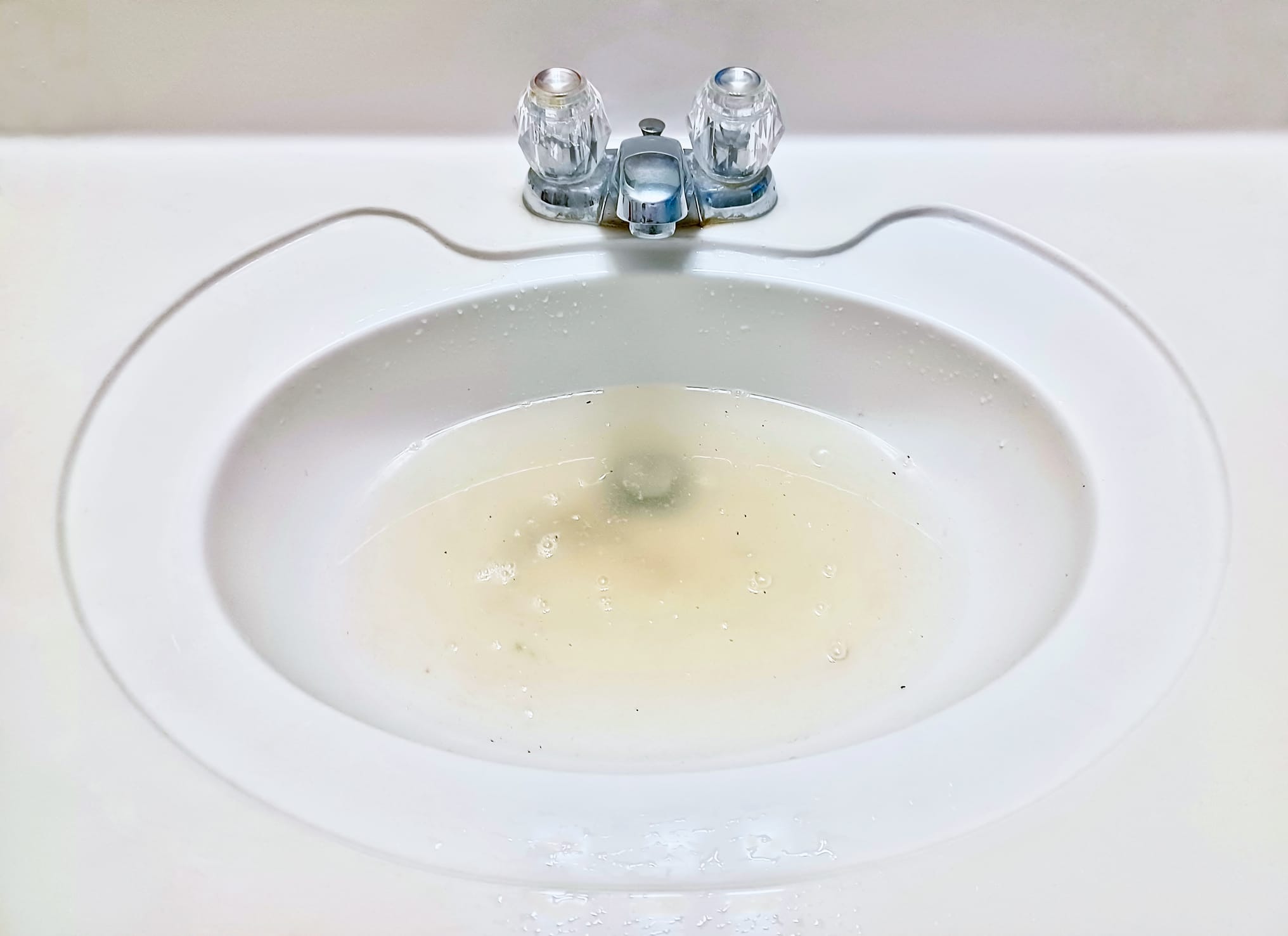
A drain that blocks once is frustrating. A drain that blocks every few weeks is telling you something more serious is going on. If you’re a Cairnlea homeowner dealing with recurring blockages, the answer isn’t another bottle of caustic soda or another rental drain snake. The answer is understanding why the drain is failing repeatedly, and then fixing that cause properly. Here’s what’s actually behind recurring blocked drains West Melbourne and how to get it sorted for good.
Why Recurring Blockages Are Different From One-Off Blockages
Not every drain blockage means something is seriously wrong. A one-off blockage caused by a foreign object, a heavy grease build-up after a renovation, or an unusually large amount of hair entering a shower drain is a single-event problem. Clear it, adjust habits, and you’re done.
A recurring blockage, defined as the same drain blocking more than twice in a 12-month period, is a different situation entirely. It means there is an underlying condition in the drain that persists after each clearing attempt. The water flow might be restored, but the condition causing the blockage has not been addressed. Without identifying and fixing that underlying condition, the blockage will return, usually within weeks to a few months.
Every time you pour chemicals down a drain or call a plumber Cairnlea for a clearing attempt only, you’re treating the symptom. Recurring blockages require diagnosis, not just clearing.
A Partial Blockage That Was Never Fully Cleared
The most common reason a drain keeps blocking is that it was never fully cleared in the first place. This is a surprisingly easy situation to end up in, because restoration of water flow and full removal of a blockage are not the same thing.
Chemical drain cleaners (caustic soda, enzymatic cleaners, and acid-based products) can dissolve enough of a blockage to restore partial flow, but they rarely penetrate deep grease accumulation, large root masses, or solid build-up on pipe walls. They clear a channel through the blockage rather than removing it. Once water is flowing again, the remaining material continues to accumulate material around it, and within weeks the drain is slow again, then blocked.
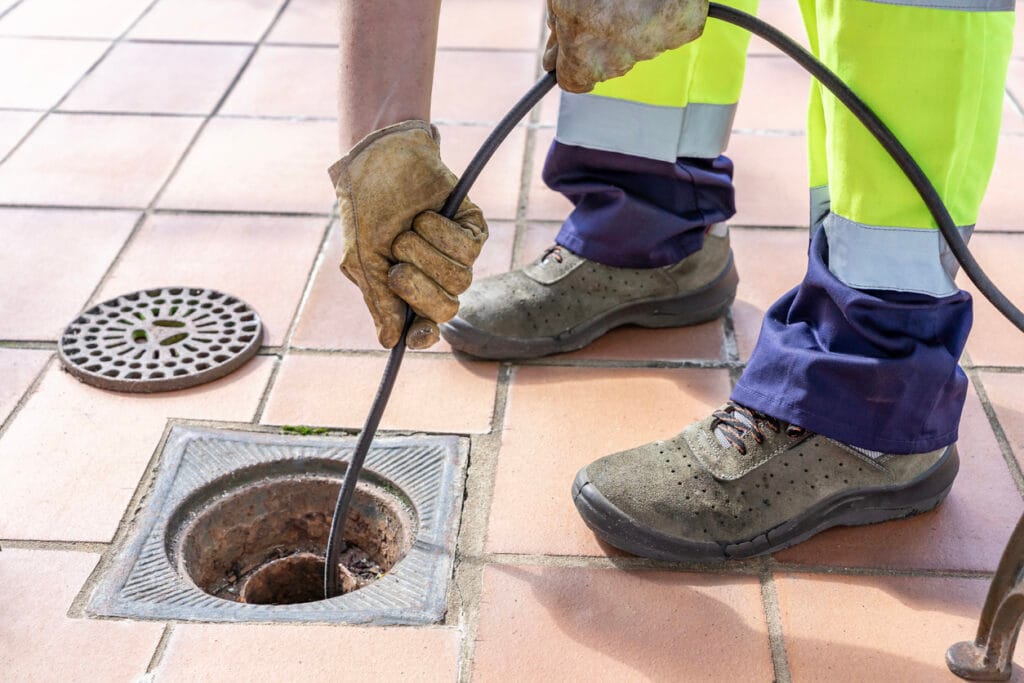
Drain snaking, or electric eel clearing, is more effective than chemicals but carries the same limitation. A snake punches a hole through a blockage and breaks it up enough to allow flow. It does not clean the pipe walls. Grease coating, mineral scale, root fragments, and soft debris clinging to the interior surface of the pipe remain after snaking, and the pipe is primed to build up another blockage quickly.
The only method that genuinely cleans a drain rather than just punching through it is high-pressure hydro jetting. Our blocked drain service uses purpose-built hydro jetting equipment that propels a high-pressure water stream through the pipe, stripping the interior walls of grease, scale, biofilm, and debris. After a hydro jetting service, the pipe interior is as close to clean as it can be without physical access — and a clean pipe takes significantly longer to re-block than one that was only partially cleared.
Tree Roots Growing Back Into the Pipe
Cairnlea is an established residential suburb, with housing stock dating back to the 1990s and early 2000s alongside older properties on the suburb’s boundaries. Mature trees, including street trees managed by Brimbank City Council, have had decades to extend their root systems. Tree roots are drawn to underground drainage pipes because the warm, humid environment inside a pipe is ideal for root growth. They enter through any available gap — a crack, a corroded joint, a pipe that has shifted slightly out of alignment.
Once inside, roots don’t stay small. A fine root fibre that enters a 100mm drain through a 2mm crack will grow. Within one to two years, that same root mass can partially or fully occlude the pipe. If left long enough, root intrusion can physically split PVC pipe sections or displace earthenware pipe joints.
The critical point for homeowners in Cairnlea: cutting roots out of a drain is not a permanent fix. Roots that are cut or jetted away will regrow. The remaining root system outside the pipe is still alive and actively growing. Within six to twelve months, the root mass will typically regenerate to the point where the drain begins to restrict again.
The only lasting solution for root intrusion is to repair or reline the pipe section where roots are entering. Pipe relining installs a new pipe liner inside the existing pipe, sealing every crack and joint from the inside and creating a continuous surface that roots cannot penetrate. A properly installed pipe liner eliminates root re-entry at the treated section without requiring excavation.
A Collapsed or Displaced Pipe Section
Ground movement is a real and ongoing factor in Melbourne’s western suburbs. Cairnlea and the surrounding Brimbank area sit on reactive clay soils — soils that expand when wet and contract when dry. This seasonal movement, known as soil heave and subsidence, exerts physical stress on underground pipe runs that cross or run through these soils. Over time, this movement can cause pipe sections to shift out of their original alignment, creating a low point where waste accumulates, or can cause complete pipe collapse where the pipe wall fails entirely.
A collapsed or significantly displaced pipe section creates a recurring blockage that no amount of clearing will fix. Even after hydro jetting, solid waste will continue to settle in the deformed section, and the drain will re-block. The waste has nowhere to go because the structural integrity of the pipe is compromised.
Root pressure compounds this problem. Roots growing into a PVC pipe joint apply gradual radial pressure that can displace the joint over time, and in earthenware (clay) pipes — common in older Cairnlea homes — root penetration can cause sections to crack and collapse completely.
A CCTV drain inspection is the only way to identify a collapsed or displaced pipe section. The camera travels through the pipe under live conditions, and the footage shows the exact location and nature of the structural failure. Once identified, repair options range from localised pipe relining to open excavation and pipe replacement, depending on the extent and location of the damage.
Inadequate Pipe Grading or Ventilation
Drainage pipes rely on gravity to carry waste to the sewer. Under the Australian Standard AS/NZS 3500 (the national plumbing and drainage standard), residential drain pipes must be installed with a minimum fall to ensure self-cleansing velocity — the minimum flow speed at which a drain carries solids rather than allowing them to settle. For a 100mm diameter drain, the required minimum fall is typically 1 in 40 (25mm fall per metre of horizontal run). A 150mm drain requires a minimum fall of 1 in 60.
In Cairnlea, as in many established western suburbs, properties have often had extensions, bathroom additions, laundry relocations, or alterations over the years. When drainage is extended during a renovation and the new drain run is not correctly graded — either because the tradesperson cut corners or because the site topography made correct fall difficult to achieve — the result is a flat or insufficiently graded section.
In a flat drain section, waste velocity drops below the self-cleansing threshold. Solids, grease, and debris settle on the pipe floor rather than being carried to the sewer. Over time this builds into a recurring blockage that keeps reforming in the same location regardless of how many times it’s cleared, because the hydraulic conditions that caused the settlement haven’t changed.
Ventilation problems, less common but worth understanding, occur when a drain loses its air seal due to a missing or failed vent stack or trap. A drain without proper ventilation creates negative pressure as water flows, which can siphon water from traps in adjacent fixtures, cause slow drainage across multiple rooms, and produce gurgling sounds at floor drains and basins. If your entire home’s drainage runs slowly after a blockage has been cleared, inadequate ventilation may be a contributing factor.
Build-Up From Specific Household Waste Sources
Some recurring blockages in Cairnlea homes are not caused by structural problems at all, but by predictable accumulation from household waste that a standard clearing job cannot address without also changing the disposal habits feeding the blockage.
Kitchen grease is the leading cause of recurring kitchen drain blockages. Hot cooking fats poured down the sink are liquid when they enter the drain, but solidify as they cool in the pipe. Over weeks and months, grease accumulates on the pipe walls, narrows the bore, and eventually blocks entirely. Clearing a grease blockage without addressing the source means it will re-form. A hydro jetting service strips the pipe walls clean, but if greasy cooking water continues to be discharged directly to the drain without a grease trap, the cycle continues.
Bathroom hair and soap scum combines to form a dense, sponge-like mass in shower and bath drains. Hair traps soap scum, which in turn traps more hair and debris. In a shared bathroom used by a family, this builds rapidly. A drain screen that captures hair before it enters the drain line is simple and effective prevention. Once a hair and soap mass is established deep in the drain, it typically requires mechanical or jet clearing to remove.
Wet wipes and paper products described as “flushable” do not break down in drains or sewer systems in the way toilet paper does. Studies by Water Services Australia have found that so-called flushable wipes remain intact after 10 minutes of agitation, while toilet paper disintegrates. Wipes accumulate in drain lines, snag on root fibres or pipe irregularities, and become anchoring points for larger blockages. If wet wipes are being flushed in the household, this is very likely a contributing factor to recurring toilet drain blockages.
How to Get Lasting Results in Cairnlea
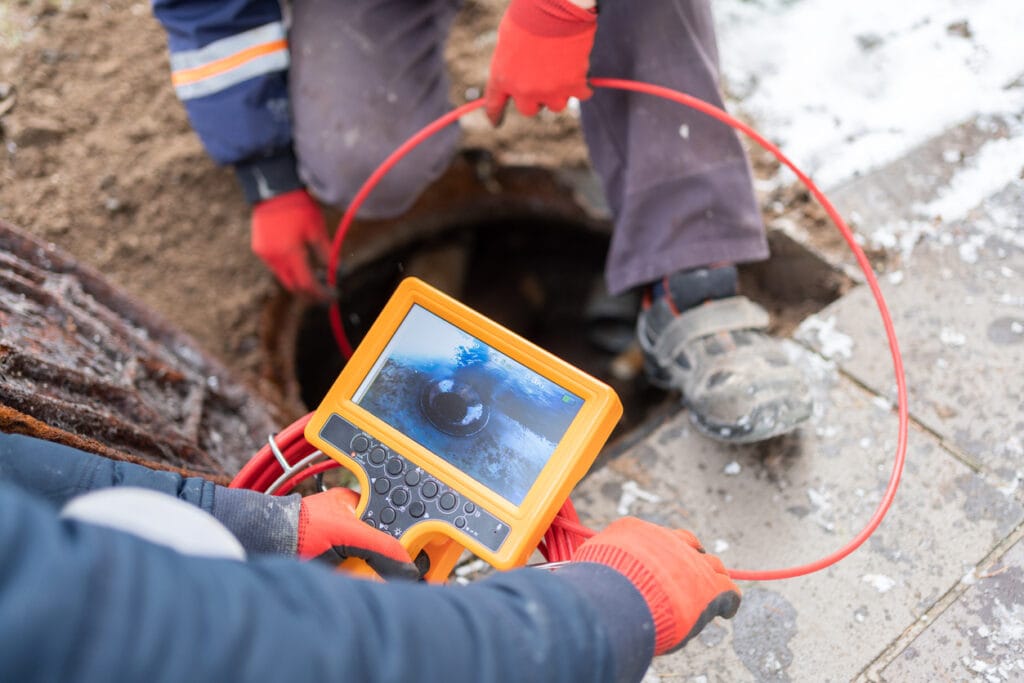
The only way to permanently resolve a recurring drain blockage is to identify its actual cause. That starts with a CCTV drain inspection — a camera run through the pipe that shows exactly what is happening inside. Without camera inspection, every clearing job is a guess at what’s causing the problem and whether the right method is being applied.
A CCTV inspection confirms or rules out: root intrusion and its extent; pipe collapse, displacement, or cracking; grading failures; joint separation; foreign object lodgement; and the nature and location of any build-up. With this information, the repair approach is targeted rather than trial and error.
Conclusion
Depending on what the inspection finds, the resolution might be a thorough hydro jetting service, a pipe relining job on one or more sections, or in cases of major structural failure, open excavation and pipe replacement. In all cases, fixing the cause is cheaper over a 3 to 5 year period than continuing to pay for clearing jobs that don’t last.
New Image Plumbing covers Cairnlea and the surrounding West Melbourne suburbs. Call us at 0489 246 667 to book a CCTV drain inspection. We will identify the actual cause of your recurring blockage and give you a clear plan to fix it.
Frequently Asked Questions
How often is too often for a drain to block?
If the same drain is blocking more than twice in a 12-month period, it indicates an underlying structural or root intrusion issue that is not being addressed by clearing alone. A single blockage from a foreign object or one-off grease event is normal. Recurring blockages in the same drain or across multiple drains simultaneously signal that diagnosis — not just clearing — is needed.
Will a CCTV inspection damage my pipes?
No. A drain camera is a flexible cable with a small waterproof camera head at the tip. It is guided through the pipe by the plumber and travels with the flow. The process is entirely non-invasive and requires no digging, cutting, or pipe access beyond the existing cleanout access point. It produces high-resolution footage of the pipe interior that the plumber reviews live and can show you directly.
What is hydro jetting and is it safe for older pipes?
Hydro jetting uses a specialised nozzle on a high-pressure water hose to clean the interior of drain pipes. The nozzle typically has forward-facing jets and rearward-facing jets — the rearward jets propel the hose down the pipe while simultaneously blasting the pipe walls. It removes grease, scale, root fragments, and biofilm from the pipe interior thoroughly. For older pipes, including clay earthenware and early-era PVC, a plumber will conduct a CCTV inspection first to assess structural condition before selecting the appropriate pressure setting — this is standard practice, not an extra precaution.
How long does pipe relining last?
Quality pipe relining systems installed under Australian Standards use a cured-in-place pipe (CIPP) liner bonded to the interior of the existing pipe using structural resin. Independent testing and manufacturer ratings for quality CIPP liners indicate a service life of 50 years or more. The liner is immune to root infiltration once cured, does not corrode, and maintains the pipe’s hydraulic performance because the bore diameter loss is minimal — typically 3 to 6mm on a 100mm pipe.
Are chemical drain cleaners damaging to my pipes?
Caustic soda and sulphuric acid-based chemical drain cleaners can cause damage to certain pipe materials with repeated use. PVC pipe joints and rubber seals can degrade over time with repeated acid exposure. Older clay earthenware pipes are relatively resistant to chemical damage, but the surrounding ground and any cast iron fittings are not. Beyond material concerns, chemical cleaners do not clean pipe walls — they only create a channel through soft blockages, meaning repeated use for a recurring blockage simply delays a proper diagnosis while potentially degrading your pipe system.