You hear a hiss. Or you notice a damp patch on the wall that wasn’t there yesterday. By the time you see the signs of a pipe that’s burst inside your walls, the damage has usually already been happening for a while. Burst pipes in Melton are one of the most disruptive plumbing emergencies a homeowner can face. Understanding why it happens is the first step to preventing it. And knowing what to do when it does happen can save you tens of thousands of dollars in structural repairs, mould remediation, and content damage.
What Are the Reasons Pipes Burst Inside Walls?
Pipes don’t burst randomly. There is always a cause, and in most cases it’s been developing for months or years before the visible failure. Understanding the mechanics behind each cause helps you identify your own home’s risk profile and take action before a burst forces your hand.
Corrosion in Older Pipe Materials
- Galvanised steel pipes were the standard in homes built before the 1980s and are still present in many older Melton and Bacchus Marsh properties
- The zinc coating on galvanised pipes corrodes from the inside out over decades, developing scale and rust deposits that thin the pipe wall until a weak point gives way
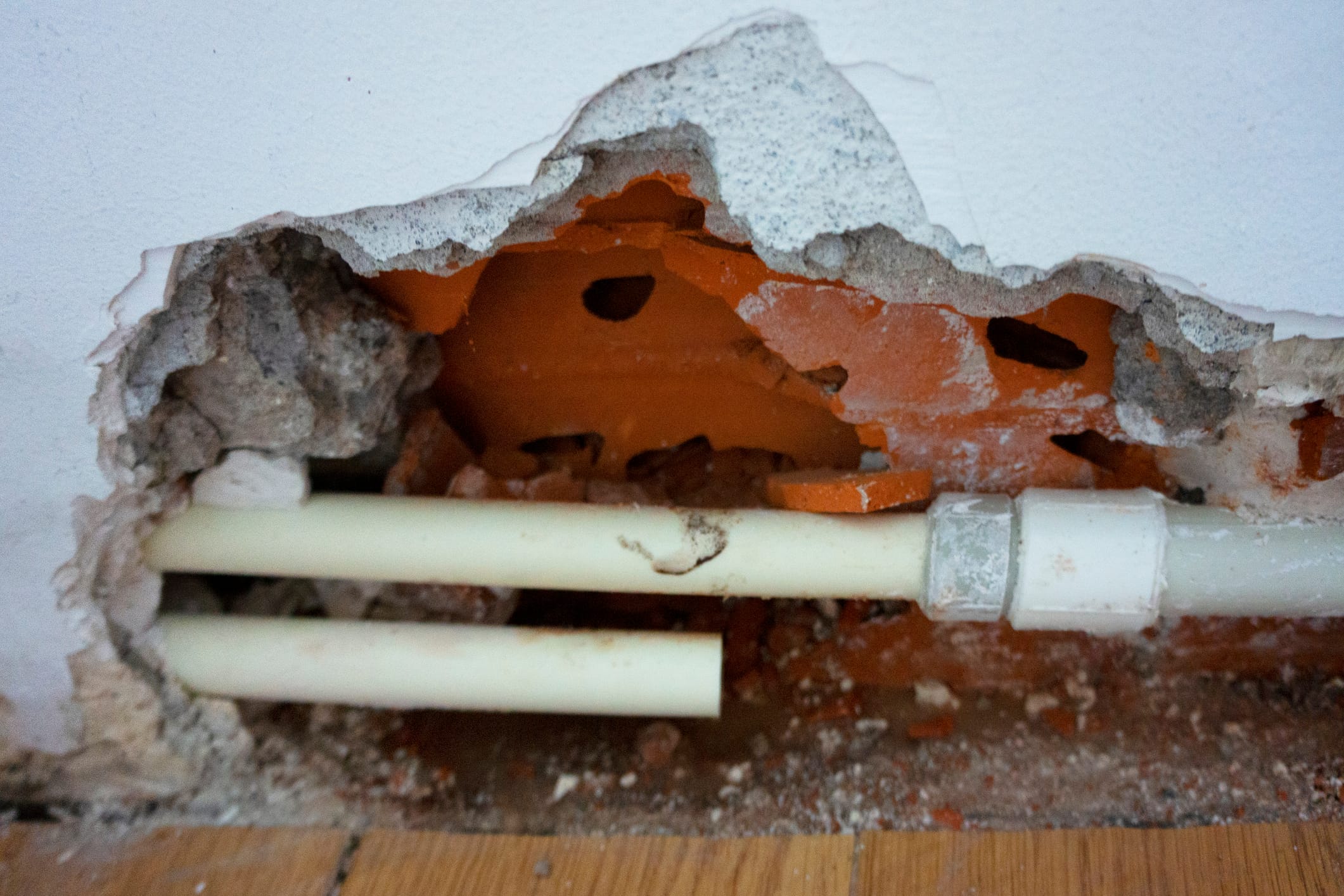
- Because these pipes run through wall cavities and under floors, the leak or burst has nowhere obvious to go — it saturates surrounding framing and plasterboard before any visible sign appears on the surface
- Copper pipes are more durable but not immune. Pinhole leaks develop when water chemistry, soil composition, or stray electrical currents attack the pipe wall over time
- In Melbourne’s clay-heavy western suburbs, copper joints are under constant stress from seasonal soil movement, which can accelerate joint deterioration
- Signs of corrosion include discoloured (brown or orange) water from specific taps, reduced flow despite open valves, and visible rust staining around fittings or on exposed pipework
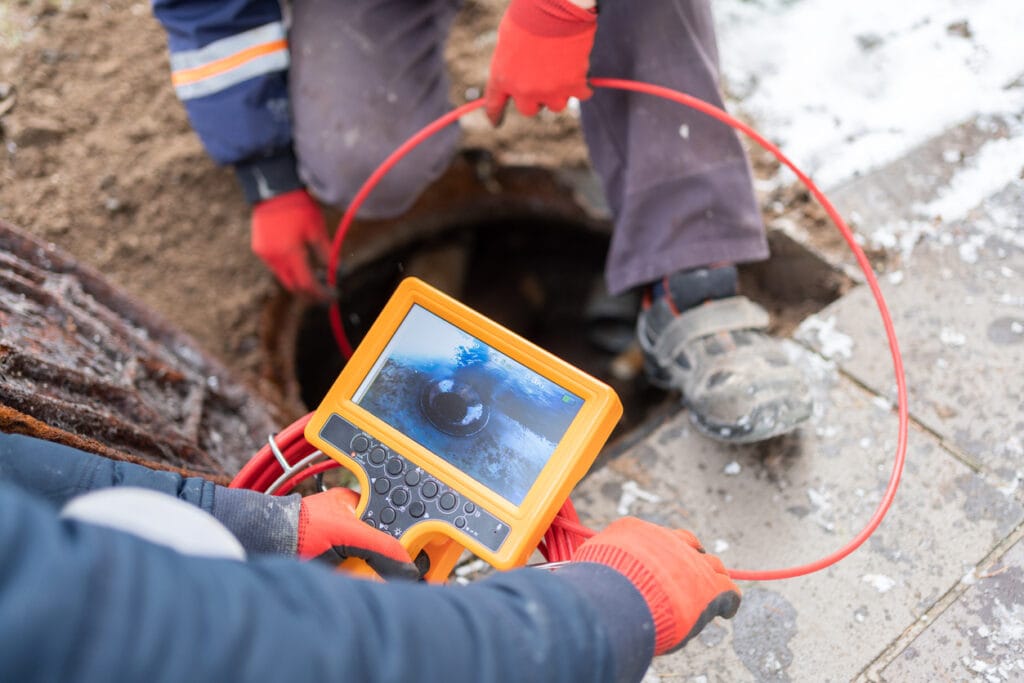
If your home in Melton or Bacchus Marsh was built before 1985 and has never had a plumbing assessment, the pipework inside your walls may already be well into the deterioration cycle. A camera inspection or pressure test can confirm the condition without opening a single wall.
High Water Pressure
- Residential plumbing in Australia is designed to operate between 200 and 500 kPa — water delivered above this range puts every fitting, joint, and flexible connection under excess stress every second of the day
- Water authorities in some Melton and Bacchus Marsh service areas deliver mains pressure above 500 kPa without a functioning pressure reducing valve (PRV) at the meter, every internal connection is exposed to that excess
- The damage is gradual — fittings weaken, joint seals compress and fail, and flexible braided hoses under sinks and behind toilets reach the end of their service life faster than expected
- Water hammer (banging pipes when taps are turned off), taps that drip repeatedly after being replaced, and prematurely failed flexible hose connections are all signs of excess water pressure
- A plumber Melton can test the pressure at the meter in minutes and install or adjust a PRV if needed — this is one of the most cost-effective preventive actions available to homeowners
- PRVs themselves have a service life of around 5 to 10 years and should be inspected periodically — a failed PRV provides no protection even if it was correctly installed
If you’re experiencing water hammer or regularly replacing flexible hose connections, get your pressure tested. It costs next to nothing and could prevent a burst that costs tens of thousands to repair.
Ground Movement and Soil Shift
- Melbourne’s western suburbs, including Melton and Bacchus Marsh, sit on expansive clay soils that swell significantly when wet and shrink when dry — sometimes moving several centimetres seasonally
- This movement applies stress to pipes embedded in slabs, running through subfloor spaces, and penetrating footings, causing microfractures at joints and bends over years of repeated cycling
- Homes built in the late 1990s and 2000s across Melton’s growth corridors were built quickly on reactive soils — the homes look relatively new, but the pipework has been under constant ground movement stress since day one
- Bacchus Marsh properties on older allotments near the creek systems or on modified fill sites may also have irregular subsoil conditions that create concentrated stress on pipe routes
- A slow-developing fracture in a supply line inside a wall cavity will run for weeks or months before it becomes severe enough to be obvious at the surface
- The risk is higher in years with extreme drought-to-rainfall cycles, where soils move more dramatically than in average years
Soil movement is not something you can eliminate, but you can reduce its impact on pipework by ensuring pipes are correctly supported, joints are in good condition, and any signs of soil movement affecting the slab or footings are assessed by a professional.
Poorly Supported or Inadequately Installed Pipes
- Pipes that aren’t properly clipped and supported vibrate when water moves through them, and over time this constant movement stresses joints and fittings
- In walls, where access is impossible without opening plasterboard, installation faults go undetected until something fails — there’s no opportunity for the homeowner to notice deterioration developing
- Improper installations are more common in extensions, renovations, and owner-builder structures where the work wasn’t done to standard or wasn’t inspected at completion
- Pipes run too close to sharp edges, screws, or structural timbers can be damaged over time by friction or contact as the building settles and moves
- Incorrect pipe sizing — too small a diameter for the required flow rate — increases velocity and pressure inside the pipe, accelerating wear at fittings and bends
- If your home has been added to or modified over the years without a final plumbing inspection, it’s worth having a licensed plumber in Melton assess the pipework in those sections
A Certificate of Compliance from a licensed plumber is the primary record that installed pipework was done to standard. If your renovation or extension didn’t produce one, the quality of the internal pipework is an open question.
Freezing Temperatures
- Melbourne doesn’t experience extreme freezing conditions, but overnight temperatures in Melton and Bacchus Marsh can drop below zero during winter months — cold enough to freeze water in pipes located in poorly insulated or exposed locations
- Roof spaces, external wall cavities, and pipes near uninsulated external walls are the most vulnerable locations for freeze-related damage in this climate
- When water inside a pipe freezes, it expands by approximately 9% in volume. The resulting internal pressure on the pipe wall can cause cracking, particularly in already-degraded pipework
- Pipes made from older or more brittle materials — particularly galvanised steel that has already been weakened by corrosion — are at greater risk of freeze failure than modern materials
- After a very cold night, if water flow drops significantly or stops at specific outlets, do not continue running taps and fixtures trying to restore flow
- Attempting to thaw frozen pipes with a heat gun or open flame risks causing a fire inside the wall cavity and can accelerate the failure of already-stressed pipework
If you suspect a pipe has frozen, turn off the water at the main stopcock and call a licensed plumber. Controlled thawing and a check of the pipe condition is far safer than improvised heat application.
Age and End of Service Life
- Every pipe material has a design life: galvanised steel lasts approximately 25 to 50 years depending on conditions; copper lasts 50 or more years with good water quality; CPVC and PVC can last 50 to 75 years
- The challenge is that most homeowners don’t know the age or material of their pipework, and the pipes don’t announce when they’re approaching the end of their service life
- In established suburbs of Melton and Bacchus Marsh, many homes are now at the age where original supply lines are reaching or exceeding their expected service life
- A plumbing assessment can determine pipe materials and estimated condition without major invasive work, particularly when combined with camera inspection for accessible drain lines
- Age-related failures tend to occur at joints and bends first, where stress concentrations are highest and corrosion is often most advanced
- Insurance policies generally cover sudden and accidental burst damage but may exclude gradual deterioration — an aged system that fails from end-of-life deterioration may be assessed differently by an insurer than one that burst unexpectedly
If your home is over 30 years old and has never had a plumbing assessment, scheduling one now is far cheaper than discovering your pipework’s age through a wall cavity flood.
How to Recognise a Pipe Burst Inside a Wall
Because the pipe is inside the wall, the signs are indirect. The water has no obvious path to an external drain, so it finds its way into the structure around it before it becomes visible to you. Here’s what to watch for, particularly in Melton and Bacchus Marsh homes where older pipework and reactive soils create elevated risk.
- An unexplained increase in your water bill without any change in usage habits
- Damp patches, bubbling paint, or soft plasterboard appearing on interior walls with no obvious external cause
- A persistent musty smell concentrated in one area of the house, particularly if it doesn’t correspond to any obvious source of moisture
- Mould appearing at mid-wall height rather than at floor level or around windows — mid-wall mould almost always indicates a pipe cavity source
- Warm or hot spots on flooring near hot water supply lines, which indicate hot water is escaping into the floor cavity
- The sound of running water when all fixtures and appliances are off
- The water meter moving when every tap, toilet, and appliance is confirmed to be off — this is the most definitive early diagnostic you can do yourself
If you notice any of these signs, run the water meter test immediately: turn off every fixture and appliance, then watch whether the meter dial is moving. If it is, water is escaping somewhere in the system. Call a licensed plumber and describe what you’re seeing. Modern acoustic detection and thermal imaging equipment can locate the source without unnecessary demolition.
What Happens If You Ignore It
A burst pipe inside a wall doesn’t pause while you weigh up your options. Every hour it runs, the damage compounds and the repair cost grows. Understanding exactly what happens to the structure around a leaking or burst pipe reinforces why speed matters.
- Plasterboard saturates within hours, losing structural integrity and crumbling. Once saturated it cannot be dried and reused — it must be replaced
- Timber framing absorbs moisture and begins to swell, warp, and eventually rot if the moisture exposure is sustained over days or weeks
- Insulation batts in the wall cavity absorb water and hold it, keeping the surrounding cavity permanently damp long after the pipe is repaired
- Within 24 to 48 hours of significant moisture exposure, mould spores can begin to establish themselves in the cavity — mould remediation on top of the plumbing repair adds significant cost
- In clay-soil areas like Melton, sustained moisture near a footing can affect the soil balance that supports the slab, creating a risk of structural movement over time
- Electrical systems in the affected area — wiring, power points, light switches — may be compromised by water contact, creating a safety hazard that requires an electrician to assess
- The longer the damage goes undetected, the more documentation your insurer will require to confirm the damage was sudden and accidental rather than gradual and neglected
Acting quickly isn’t just about the plumbing fix. It’s about limiting every layer of consequential damage that follows from delaying. An hour’s difference in response time can mean the difference between a single wall repair and a structural mould remediation project.
How to Prevent a Pipe Burst Inside a Wall
You can significantly reduce the risk. Most of the causes of burst pipes inside walls are predictable and addressable before failure. None of the preventive measures below are expensive relative to the cost of dealing with a burst.
- Have your water pressure tested — a PRV at the correct setting protects every fitting and joint in your home from excess stress. This should be done every five years or if you notice water hammer
- Replace galvanised steel supply lines if your home is over 30 years old and still has the original pipework — this is the single most impactful upgrade for an older Melton or Bacchus Marsh property
- Inspect flexible braided hose connections under sinks and behind toilets every two to three years. These are among the most common causes of sudden flooding inside homes and have a service life of approximately 10 years
- Know where your main stopcock is and confirm it operates freely — in a burst pipe emergency, stopping the water is the first action you need to take. A seized stopcock means you can’t
- Have a licensed plumber assess pipework in any sections of your home that were renovated or extended, particularly if you’re unsure whether the work was done to standard and inspected
- Schedule a plumbing assessment if your home is over 25 years old and has never had one — pipe condition can be assessed without opening walls in most cases
- In winter, ensure pipes in the roof space and near external walls in unheated rooms have appropriate insulation in locations where overnight temperatures may drop below zero
None of these are expensive or time-consuming. All of them are dramatically cheaper than dealing with the structural, mould, and content consequences of a burst pipe inside a wall.
What to Do Immediately When a Pipe Bursts Inside a Wall
Speed and sequence matter when a pipe bursts inside a wall. Every step below has a specific reason behind it and should be done in order.
- Turn off the water at the main stopcock immediately — in most Melton and Bacchus Marsh homes this is at the water meter near the street boundary. Turn it clockwise until it stops, or rotate the lever 90 degrees to perpendicular
- Turn off the hot water system at the power or gas supply — this stops it continuing to push hot water through the break and prevents it from running dry, which damages the element or burner
- Open taps throughout the house to drain remaining water from the lines — this reduces the volume continuing to leak from the burst section into the wall cavity
- If water is near power points, light switches, or any electrical fittings, turn off the power to the affected area at the switchboard before entering — water and electricity together are a genuine life-safety risk
- Document the visible damage with photographs before you move anything, remove any materials, or start drying. This documentation is important for your insurance claim
- Contact your insurer and report the damage as soon as possible — most policies require prompt notification and delay can affect your claim
- Call a licensed plumber — describe what you can see and hear. New Image Plumbing and Gas carries acoustic detection and thermal imaging equipment and can locate and repair most burst pipes in Melton and Bacchus Marsh in a single visit
Don’t wait to see if the damp patch stops growing before calling. The pipe won’t seal itself, and every additional hour of water movement into the cavity increases the structural and mould remediation cost.
Frequently Asked Questions
Will home insurance cover a pipe that bursts inside a wall?
Most home and contents insurance policies cover sudden and accidental water damage from a burst pipe. Gradual damage from a slow leak that could have been detected and repaired earlier is commonly excluded. The key factors are acting quickly, documenting the damage before anything is moved or cleaned, and contacting your insurer promptly. Keep the plumber’s invoice as evidence of the cause and scope of the repair. If the damage resulted from a slow undetected leak over a prolonged period, review your policy wording carefully with respect to gradual damage exclusions before assuming coverage.
How long does it take to repair a burst pipe inside a wall?
A straightforward repair to an accessible section of supply line typically takes two to four hours once the pipe is located and the relevant section of plasterboard is opened. More complex situations — a burst in a concrete slab, multiple failure points, or a heavily corroded section requiring re-piping — take longer and may require the water supply to remain off for most of a working day. Your plumber will give you an honest estimate once they’ve assessed the location and extent of the damage. Emergency call-outs in Melton and Bacchus Marsh are available seven days a week.
Conclusion
A burst pipe inside a wall is not a random event. In almost every case, it’s the endpoint of a process that’s been developing for months or years. Corroding pipework, excess water pressure, inadequate support, ground movement stress, and approaching end-of-life are all predictable and manageable when you catch them early. Waiting until something fails dramatically is always the most expensive option — in repair costs, in structural damage, and in the disruption to your household while the work is done.
If your home is over 20 years old, has galvanised steel supply lines, has sections that were renovated without a proper plumbing inspection, or has never had a professional pressure test, a plumbing assessment now costs a fraction of what a burst inside a wall will cost you later. That’s not a scare tactic. It’s simple arithmetic.
New Image Plumbing and Gas carries out pipe assessments, leak detection, pressure testing, and burst pipe repairs across Melton, Bacchus Marsh, and the wider western Melbourne region. Glenn and the team carry the detection equipment to find problems without unnecessary demolition, and carry out repairs to the standard required for a Certificate of Compliance where needed. Call 0489 246 667 or contact us through our online form to book a time. Don’t wait until water is running down your walls.