Hidden water leaks Melton are one of the most frustrating and costly problems a homeowner can face. Unlike a burst pipe or a dripping tap that announces itself immediately, hidden leaks work quietly in the background, sometimes for months or even years, before any visible sign appears at the surface. By the time you notice a stain on the ceiling, a soft patch in the floor, or an unexplained spike in your water bill, the damage is often already extensive.
For homeowners in Melton and Bacchus Marsh, understanding where hidden leaks most commonly occur gives you the best chance of spotting the early warning signs and acting before the damage compounds. This guide covers every hotspot in the typical Australian home where hidden water leaks develop, what causes them, and what the signs look like at each location.
Under Concrete Slabs
Slab leaks are among the most serious and costly hidden leak scenarios because of how difficult the pipes are to access. In most Australian homes, both hot and cold water supply pipes run through or beneath the concrete slab. When one of these pipes develops a fault, the water has nowhere visible to go and instead saturates the ground beneath the slab or wicks upward through it. Key details about slab leaks:
- Common causes. Pipe corrosion in older copper lines, joint failures due to ground movement, poor installation with insufficient bedding, and chemical reactions between the soil and the pipe material are all documented causes of slab leaks in Melbourne’s western suburbs.
- What you might notice. Warm or hot spots on tiled or hardwood floors (particularly if the leak is in a hot water pipe), damp patches on floor surfaces or skirting boards, the sound of running water when no taps are open, or a significant and unexplained increase in your water bill.
- Why clay soils make it worse. Victoria’s western suburbs are built predominantly on reactive clay soil that expands when wet and shrinks when dry. This seasonal movement stresses slab pipes far more than in areas with stable, sandy soils, making slab leaks more common here than in other parts of Melbourne.
- Detection method. Acoustic listening devices, thermal imaging cameras, and pressure isolation testing allow a licensed plumber Melton to pinpoint the exact location of a slab leak without breaking up the floor unnecessarily. The repair approach can then be targeted to the specific fault location.
Slab leaks left unaddressed can undermine the structural integrity of the concrete, damage floor coverings, and create conditions that lead to significant mould growth beneath the floor surface. Early detection is genuinely important here.
Inside Wall Cavities
Supply lines and drainage pipes run through wall cavities throughout every home. A leak inside a wall cavity has no visible outlet other than eventually soaking through to the surface, which can take considerable time. By then, the wall framing, plasterboard, and insulation are often thoroughly wet. Here’s what happens with wall cavity leaks:
- Common causes. A leaking joint between copper pipe sections, a pinhole leak in older copper pipe caused by corrosion from the inside out, a failed seal around a pipe penetration through a wall frame, or a cracked flexible hose connection behind a tap or toilet cistern.
- Warning signs. Bubbling or staining on painted plasterboard surfaces, paint that has begun to peel without obvious moisture contact, a soft or slightly bowed section of wall, a musty smell emanating from a wall cavity, or visible mould growth at the base of a wall where moisture has tracked down inside.
- How long before it becomes visible. This depends on the rate of the leak and the materials involved. A slow pinhole drip can remain invisible for six months or more before enough moisture accumulates to push through to the painted surface. A faster leak from a failed joint may show visible signs within days or weeks.
- Detection. Thermal imaging cameras detect the temperature differential between wet insulation or wet plasterboard and the surrounding dry material. This allows precise identification of the wet zone without having to open the entire wall.
The cost of repairing a wall cavity leak increases significantly with time, as what starts as a joint repair can grow into a project requiring complete wall lining replacement, mould remediation, and repainting across a large area.
Roof Space and Ceiling Cavities
Cold water supply lines often run through roof spaces in older homes, and it is also common for waste pipes from upstairs bathrooms or laundries to travel through ceiling cavities to reach external drainage points. Both create conditions for hidden leaks that are particularly damaging because of what they drip onto. Specific points about roof space leaks:
- Temperature extremes accelerate deterioration. Roof spaces experience extreme temperature swings between summer and winter, often exceeding 70 degrees Celsius difference across a year. Pipe joints, seals, and flexible connections expand and contract with these cycles, which accelerates material fatigue and failure over time.
- Ceiling insulation masks the leak. When a roof space pipe drips onto insulation batts, the insulation absorbs and holds the moisture. It can hold a surprising volume of water before any of it reaches the ceiling plasterboard, which is why roof space leaks are often only detected when the ceiling has already started to sag or discolour badly.
- Common sources. Failed saddle clamps where copper pipes pass through the roof truss framing, corroded joints in galvanised or copper pipe runs, cracked PVC waste lines caused by age-related brittleness, and occasionally a hot water system relief valve discharge pipe that has been incorrectly routed into the roof space instead of to an external drain.
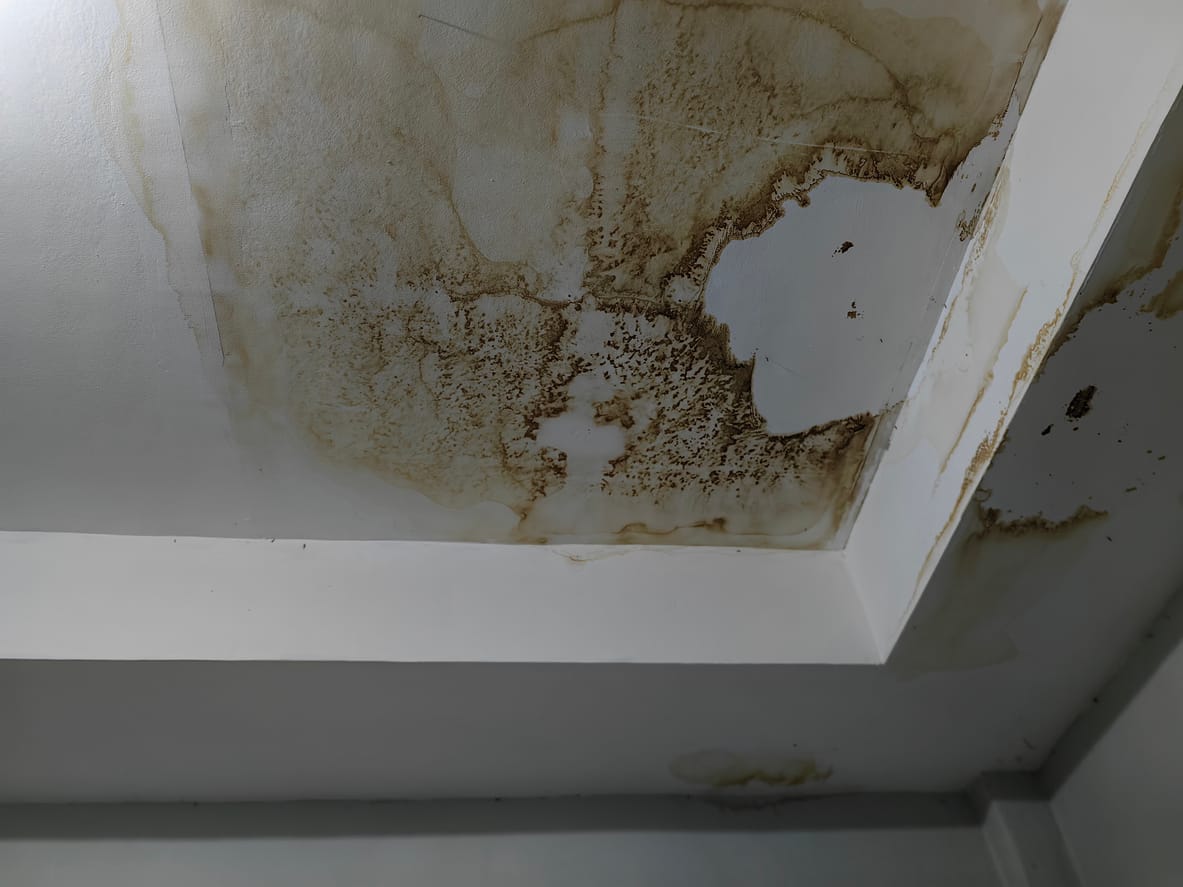
- Warning signs. Water staining on the ceiling that expands after rainfall (which is often mistaken for a roof leak rather than a plumbing leak), a soft or spongy ceiling surface, or a ceiling that bulges downward in an isolated area.
It’s worth noting that not every ceiling stain is a roof leak. Plumbing leaks in the roof space are frequently misdiagnosed as roof damage, which leads to unnecessary roofing work and leaves the actual cause unaddressed.
Bathrooms and Wet Areas
Bathrooms and wet areas are the single most common location for hidden water leaks in Australian homes, largely because they combine multiple potential leak sources in a small space with complex substrate construction. Leaks here often develop extremely slowly, which makes them particularly easy to miss. Key points:
- Waterproofing membrane failure. Australian standards require waterproofing membranes behind shower recesses and around baths and wet areas. These membranes degrade over time, particularly in showers that are used daily. Once the membrane fails, water penetrates the substrate beneath the tiles with every shower, migrating outward and downward.
- Grout failure. Grout is not waterproof. It is the membrane behind the tiles that prevents water ingress. When grout cracks or begins to erode, water reaches the tile bed and then the substrate beneath. This commonly occurs around shower floor edges, in wall corners, and along the base of the shower screen.
- Shower screen seals. The seal between the glass screen and the shower floor and wall tiles fails with age and use. Water channelled along the inside of the screen can escape at the base if this seal is cracked or missing.
- Signs of a wet area leak. Tiles that sound hollow when tapped (indicating the tile bed beneath has deteriorated), a soft or bouncy bathroom floor, discolouration or mould at the base of a wall adjacent to the shower, damp patches appearing on the ceiling of the room directly below the bathroom, or a persistent musty smell in the bathroom that doesn’t clear after ventilation.
- Timeline. Wet area leaks can run for years before becoming externally visible. A leaking shower in a first-floor bathroom can cause significant damage to the ceiling of the room below before the occupants even register a problem in the bathroom itself.
Wet area leaks in homes built in the 1980s and 1990s are particularly prevalent because the original waterproofing membranes in many of those homes are now reaching the end of their serviceable life. A bathroom renovation is an opportunity to bring the waterproofing up to current standards, but it can also be addressed independently as a targeted repair.
Around Hot Water Systems
The area around a storage hot water system is a concentrated cluster of potential leak points. Multiple pipe connections, a temperature and pressure relief valve, and the tank itself all represent failure points that can develop slow leaks before obvious puddles form. Here’s the breakdown:
- Pressure relief valve (PRV) weeping. Every storage hot water system has a temperature and pressure relief valve that opens if the system pressure or temperature exceeds safe limits. A PRV that is partially stuck open or beginning to fail will weep water continuously into its discharge pipe. Because this discharge runs to a drain, the leak is often invisible. The only clue is a water meter that never fully stops moving or a drain that is always slightly wet.
- Inlet and outlet connections. The flexible hose connections where the cold supply enters and the hot supply leaves the system are common failure points, particularly on systems older than 10 years. These fittings corrode and the hoses crack and blister with age, eventually developing pinhole or larger leaks.
- Tank corrosion on older systems. Storage hot water tanks have a sacrificial anode rod inside them that protects the steel tank from corrosion. When the anode is depleted and not replaced, the tank itself begins to corrode and will eventually develop leaks through the tank wall. This is more common in systems beyond 10 to 12 years old that have not been serviced.
- Signs to watch for. Rust-coloured water when the hot tap is first turned on, a gurgling or rumbling sound from the tank as sediment builds up, small amounts of rust or sediment in the tray beneath the system, or a PRV that is visibly dripping or has left a scale or rust stain on the wall behind the system.
Regular hot water system servicing, including anode rod inspection and PRV testing, can identify these developing faults before they become leaks. The team at New Image Plumbing and Gas services and replaces hot water systems throughout Melton and Bacchus Marsh.
Underground Supply Lines
The pipe running from the street water meter to the house is the main supply line for the entire property and runs underground, usually beneath the front yard or garden. Leaks on this section of pipe are entirely invisible from above the surface and can run for a significant time before showing any external signs. Key details:
- Common causes. Corrosion in older galvanised steel or copper mains, tree root damage where roots have grown around or through the pipe, ground movement cracking older pipe sections, and mechanical damage from excavation or building work on or near the property.
- Signs of an underground leak. A section of grass or garden that stays wet or green long after rain has stopped, a soft or spongy patch of soil in the front yard, the sound of water running when all taps are turned off, or a water meter that continues to move even when the property is fully shut down.
- The meter test. Turn off every tap, appliance, and valve connected to water in the home. Then watch the water meter (typically located near the front boundary) for 15 minutes. If the dial continues to move, water is escaping somewhere between the meter and your fixtures, which means there is a leak on the supply line or within the home.
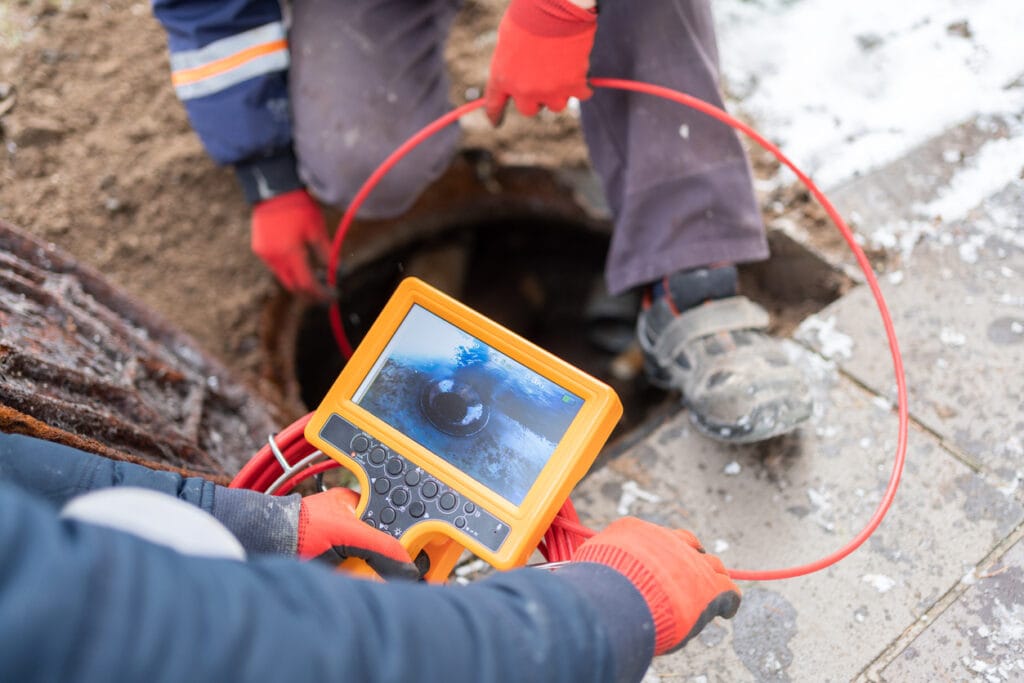
- Detection technology. Acoustic leak detection equipment allows a plumber Bacchus Marsh to listen through the soil for the signature sound of water escaping under mains pressure. This technology can pinpoint the location of an underground leak to within a metre, significantly reducing the amount of excavation required to access and repair it.
Underground supply line leaks are more common than in many other suburbs due to the reactive clay soil and the age of the pipe infrastructure in older established areas. Any unexplained increase in your water bill warrants a meter test as the first step.
Conclusion
Hidden water leaks are not a problem that stabilises on their own. Every day a leak runs undetected, the damage to your property compounds. Saturated insulation, wet wall framing, mould colonies in wall cavities, and undermined concrete slabs all get progressively worse the longer the water runs. The good news is that modern leak detection technology means we no longer need to open up walls, break up floors, or dig up yards to find where a leak is. The work of finding it is now fast, accurate, and minimally invasive.
If you have noticed any of the warning signs described above, or if your water bill is higher than it should be for your household size and usage, the team at New Image Plumbing and Gas can locate and confirm any hidden leak at your property. We use thermal imaging, acoustic detection equipment, and pressure testing to find leaks with precision. Call us on 0468 125 098 or submit our online form to book a leak inspection. Finding it early is the cheapest outcome. Find it now.
Frequently Asked Questions
Can a hot water system cause a hidden leak inside the walls?
Yes. The pressure relief valve on a storage hot water system discharges to a drain pipe, and if the PRV develops a fault it can weep or run continuously without any visible pooling at the system itself. More commonly, the copper pipes connecting the hot water system to your tapware are a well-documented source of pinhole leaks inside walls, particularly in homes 20 or more years old where the copper has been subject to corrosion over an extended period. A plumber servicing your hot water system will check both the PRV and the visible connection fittings for early signs of failure.
Are hidden leaks under a concrete slab covered by home insurance?
Coverage varies significantly between policies. Most home and contents insurers in Australia cover sudden and accidental water damage but specifically exclude gradual or slow leaks that have been running over time without being reported. If the leak has been detectable for some time and you have not acted, many insurers will not cover the resulting damage. It is worth reading your policy’s water damage and gradual damage exclusion clauses carefully before any repair work begins. Some insurers also require a licensed plumber’s report confirming the nature and likely duration of the leak before they will assess a claim. Always call your insurer before starting significant repair work to understand what documentation they need.
What detection methods do plumbers use to find hidden leaks without breaking walls or floors?
Licensed plumbers with leak detection training use several non-destructive methods. Acoustic listening devices detect the specific sound signature of water escaping under pressure through the pipe wall, which is distinct from the sound of normal water flow. Thermal imaging cameras detect surface temperature variations caused by wet materials, which appear as cooler zones on the camera’s display. Pressure isolation testing involves blocking off sections of the pipe network and monitoring pressure loss to identify which section contains the fault. These methods, used in combination, allow the leak location to be confirmed to within a short section of pipe without unnecessary demolition.