One of the most common questions homeowners ask before committing to pipe relining Melton is whether it will actually work on the pipes they have. It’s a fair question, because no two properties are exactly alike. The good news is that modern relining technology is compatible with the vast majority of residential and commercial pipe types. Here’s a thorough breakdown of what can be relined, what the limitations are, and what to expect from the process.
Pipe Materials That Can Be Relined
The epoxy liner used in modern pipe relining bonds to the interior surface of the existing host pipe regardless of what that pipe is made from, as long as the pipe still holds its general structure. The following materials are all suitable for relining:
Clay and Earthenware
Clay pipes are among the most common materials found in older Melbourne homes, including established properties throughout Bacchus Marsh. Clay was the standard for sewer and stormwater drainage from the early 1900s through to the 1970s. While clay is durable, it is brittle, prone to cracking under ground movement, and highly susceptible to tree root intrusion at the joints. Provided the pipe holds its general shape and has not collapsed, clay is one of the most straightforward materials to reline — the epoxy liner bonds well to the interior surface and seals root entry points and cracks in a single process.
Concrete
Concrete pipes are often found in older commercial properties, industrial sites, and larger diameter stormwater systems. Like clay, concrete can develop cracks, spalling on the internal surface, and joint failures over time. Pipe relining restores the internal surface and seals joints without the disruption of excavating and replacing the concrete pipe — which can be embedded deep underground or beneath paved areas.
Cast Iron
Cast iron was widely used for waste pipes and drains in Australian homes built from the late 1800s through to the mid-20th century. Over time, cast iron pipes corrode internally, and the rough corroded surface accelerates the build-up of scale and blockages. Relining a cast iron drain with an epoxy liner not only seals any cracks or corrosion points, it also creates a smooth internal surface that significantly improves flow and reduces future blockage risk.
Galvanised Steel
Galvanised steel was used extensively for water supply pipes in homes built prior to the 1970s. Over decades, the galvanising layer breaks down from the inside out, and the internal pipe surface becomes rough with rust and scale that restricts flow and can discolour water. Where galvanised steel is used in drainage applications rather than supply, relining is a viable solution to extend pipe life without the disruption of a full replacement.
Copper
Copper is more commonly a supply pipe material than a drain material, but it does appear in some waste applications. Copper can develop pinhole corrosion, particularly in areas with aggressive water chemistry. Where copper drainage or waste pipes have developed corrosion-related failures, relining can be an option depending on the pipe diameter and configuration.
PVC
PVC has been the standard pipe material for residential drainage since the 1970s and remains in use today. While PVC is generally more durable than older materials, it can crack under point loading, suffer joint failures, or sustain physical damage from digging or ground movement. When a section of PVC drain is cracked or a joint has failed, relining that section avoids the need to excavate and replace what is otherwise serviceable pipe.
Pipe Sizes and Diameters
Pipe relining is not limited to large diameter pipes. Modern relining equipment covers a broad range of diameters to suit different applications:
- 50mm to 65mm: Smaller diameter lines including bathroom waste outlets, kitchen waste pipes, and hand basin outlets. Modern relining equipment can work at these diameters, covering most standard household waste configurations
- 100mm: The standard residential sewer drain diameter in Australian homes. This is the most common application for residential pipe relining and is well within the standard operating range of all modern relining systems
- 150mm: Larger residential sewer mains and some commercial drainage applications. Very common in properties where several fixtures discharge to a single main
- 225mm to 450mm and larger: Commercial and infrastructure applications including stormwater mains, council drains, and industrial waste pipes. These larger diameter jobs typically use a different liner delivery method but the process is otherwise identical
For Melton and Bacchus Marsh homeowners, the most common residential applications fall in the 100mm to 150mm range, which is well within the standard scope of most relining operations.
Bends, Junctions, and Complex Pipe Geometry
One of the most common assumptions homeowners make is that relining won’t work if the pipe has bends or junctions. This is understandable — the idea of inserting a rigid liner around a corner seems counterintuitive. In practice, modern relining systems are designed to navigate the layouts found in real residential plumbing:
Bends and Elbows
Flexible liner material can navigate standard 45-degree and 90-degree bends within a pipe run. The liner is pulled or pushed through the pipe in a collapsed or folded state, then inflated to press against the pipe wall, where it cures in the shape of the host pipe including any bends. The CCTV camera inspection beforehand identifies the location and angle of all bends in the run and confirms whether the liner equipment can navigate them.
Junctions
Pipe junctions — where a branch drain meets a main — are a common failure point because the joint between the two pipes creates an entry point for tree roots and a stress concentration where cracking can begin. Junction relining seals the connection between the branch and the main, restoring the integrity of both pipes at their meeting point. This is a more involved process than straight-run relining but is widely available and commonly used in residential drainage repair.
Multiple Connected Sections
For longer drain runs with multiple bends and junctions, the relining is typically planned in sections based on the CCTV footage. The plumber Melton identifies which sections are damaged and which are serviceable, and the relining is targeted accordingly. This means you pay to repair what actually needs repairing rather than relining the entire run.
When Pipe Condition Matters More Than Material
The material of the host pipe is rarely the limiting factor in whether relining is viable. What matters more is the overall condition of the pipe at the time of assessment. Here’s how the condition affects suitability:
- Cracked but intact: A pipe with longitudinal or circumferential cracks that still holds its general cylindrical shape is a good candidate for relining. The liner spans the crack, bonds to the intact pipe wall on either side, and restores structural integrity
- Root intruded: Root intrusion is one of the most common reasons for relining in established suburbs. The roots are first removed using a high-pressure water jetter or mechanical root cutter, the pipe interior is cleaned, and then the liner is installed to seal all root entry points permanently
- Partially collapsed: A pipe with a partial deformation — where it has been squeezed or dented but not fully closed — may still be relineable if the minimum diameter for the liner equipment can be maintained through the deformed section. This is confirmed during the CCTV inspection
- Fully collapsed or missing sections: A pipe that has fully collapsed, has sections missing entirely, or has severe offset joints where one pipe section no longer connects to the next cannot be relined. Excavation and replacement is required for these sections
- Severely offset joints: Where soil movement has caused pipe sections to shift significantly out of alignment, the joint between sections may be too far offset for the liner to bridge. Minor offset can sometimes be accommodated; severe offset cannot
This is why the CCTV camera inspection is non-negotiable before any relining quote is given. It’s not a sales step — it’s the only accurate way to assess whether relining is the right solution for your specific pipe, and it prevents you from paying for a reline that won’t work.
Point Relining: When Only a Section Has Failed
Full-length pipe relining addresses the entire run between two access points, but it is not always necessary or cost-effective. When the CCTV inspection reveals that only a specific section of a pipe has failed — a single cracked joint, a localised root intrusion point, or an isolated crack — point relining (also called spot repair or patch lining) can address just that section.
- A short liner section, typically 300mm to 1,000mm in length, is positioned over the damaged area
- The liner is inflated and cured in the same way as a full-length reline
- The result is a sealed, structurally reinforced repair at that specific point, leaving the rest of the pipe undisturbed
- Point relining is typically significantly cheaper than full-length relining when the damage is truly localised
- If the inspection shows multiple damage points spread throughout the run, full-length relining is usually more economical than multiple spot repairs
How the Relining Process Works, Step by Step
Understanding what actually happens during a pipe reline helps homeowners in Melton and Bacchus Marsh know what to expect on the day:
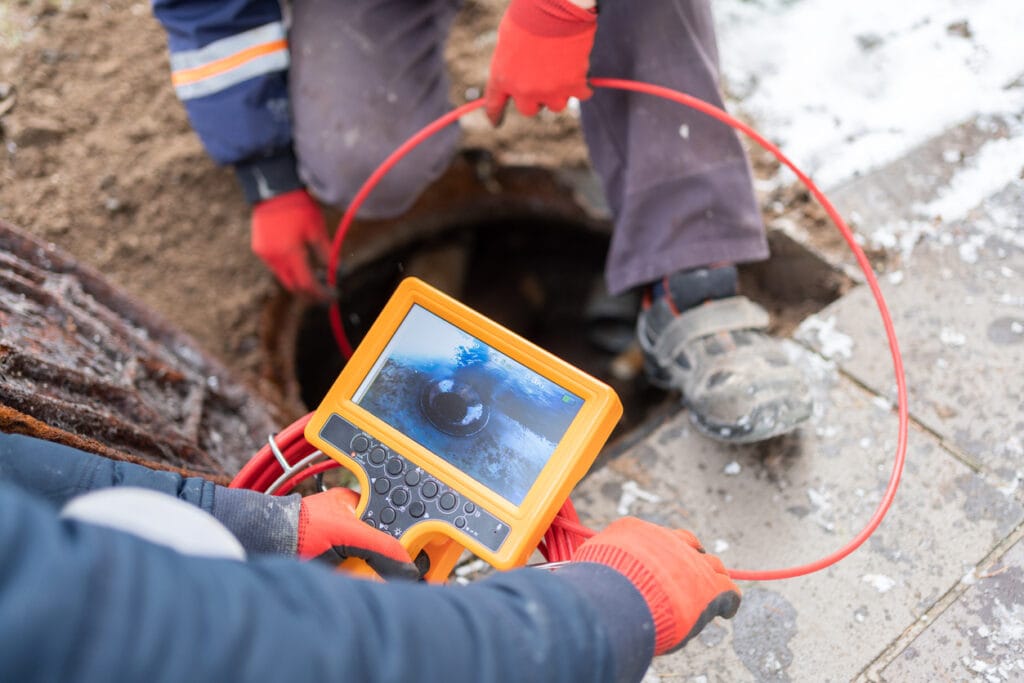
- Step 1 — CCTV inspection: A camera is fed through the drain to assess the pipe material, diameter, condition, and geometry. This footage determines whether relining is viable and where the liner needs to be positioned
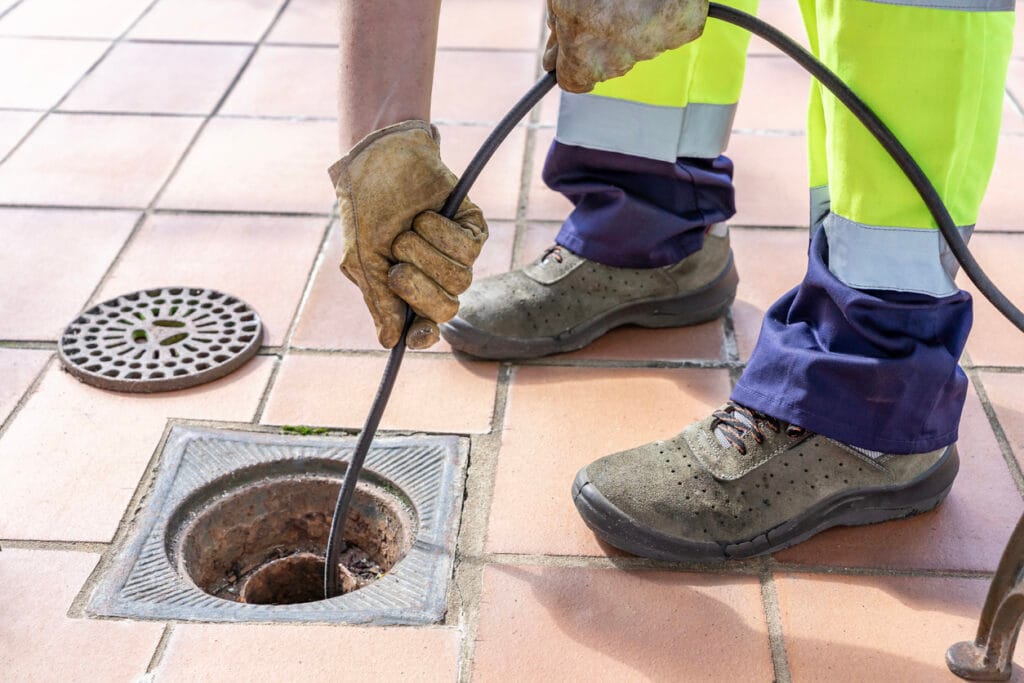
- Step 2 — Drain cleaning: The pipe is cleared of all debris, root intrusion, and scale using high-pressure water jetting. The liner will not bond properly to a dirty or root-filled pipe surface
- Step 3 — Liner preparation: A felt or fibreglass liner tube is saturated with two-part epoxy resin and prepared for insertion. The liner is sized to the specific diameter of the host pipe
- Step 4 — Liner insertion: The resin-saturated liner is inserted into the pipe using either an inversion drum (which pushes the liner inside-out through the pipe) or a pull-in-place method depending on the pipe configuration
- Step 5 — Curing: An inflated bladder holds the liner pressed against the pipe wall while the epoxy cures. Curing time varies from 30 minutes to several hours depending on the epoxy formulation and ambient temperature
- Step 6 — Bladder removal and inspection: The bladder is deflated and removed. A final CCTV inspection confirms the liner has cured correctly, is smooth, and has no voids or disbonds
- Step 7 — Junction reinstatement: If branch connections were covered by the liner, a robotic cutter reinstates the opening to restore flow from the branch pipe
Conclusion
Pipe relining works on nearly every common pipe material found in homes. The limiting factor is almost never the material; it’s the condition. A CCTV inspection is the only way to give you a definitive answer about whether your pipes are suitable, and it’s the starting point for every relining job.
If you’re dealing with recurring blocked drains, slow drainage, or you’ve been told your pipes need replacing, relining may save you thousands of dollars and avoid weeks of disruption to your property. Call New Image Plumbing and Gas on 0468 125 098 to book a CCTV camera inspection. Our plumbers Bacchus Marsh give you an honest assessment of what’s in your pipes and what it will take to fix it properly.
Frequently Asked Questions
Does pipe relining affect water flow inside the pipe?
The liner does reduce the internal diameter slightly — typically by a few millimetres. However, the smooth, seamless surface of the cured epoxy liner actually improves flow performance compared to the rough, corroded, or root-intruded interior of an old pipe. In practice, most homeowners notice better drainage performance after relining rather than any reduction in flow capacity.
How long does the pipe relining process take from inspection to completion?
A straightforward residential reline can often be completed in a single day once the inspection confirms suitability. The drain is cleared and cleaned, the liner is inserted and inflated, the epoxy cures (usually two to four hours), and the drain is inspected by camera again to confirm the result. More complex jobs involving multiple junctions, longer pipe runs, or pipes that require significant cleaning before lining may take two days. Your plumber will give you a time estimate after reviewing the CCTV footage.
Is pipe relining available for both sewer drains and stormwater pipes?
Yes. Relining works for both sewer waste pipes and stormwater drainage pipes, as long as the pipe material and condition meet the suitability criteria established during the camera inspection. The process is the same for both systems. If you have repeated blockages or visible cracking in either type of drain, a camera inspection is the right starting point.
How long does a pipe reline last?
A correctly installed epoxy pipe liner is generally rated to last 50 years or more under normal operating conditions. The cured epoxy is resistant to tree root intrusion, corrosion, and chemical attack from standard household waste. The liner essentially becomes a structural pipe within a pipe, and because it is smooth and jointless, it removes the vulnerability points that caused the original pipe to fail. Most relining products used in residential applications come with a 35-year product warranty as a minimum.
Do I need council approval for pipe relining in Melton or Bacchus Marsh?
In most cases, residential pipe relining on private property does not require a council planning permit, as it is a repair to existing infrastructure rather than new construction. However, a licensed plumber is required to carry out the work under Victorian plumbing regulations, and a compliance certificate (Certificate of Compliance — Plumbing) is issued upon completion. If the work involves connecting to or repairing a council-owned drain or the section between the property and the sewer main, the requirements may differ. Your licensed plumber will advise you on any approvals required before work begins.