When a drain blocks, most people want the same thing: get the water flowing again as quickly as possible. But clearing a blockage and understanding what caused it are two different things — and without knowing the cause, the same problem often returns weeks or months later. A drain inspection camera changes that. It gives a licensed plumber Melton a clear, real-time view of the inside of your pipes, allowing them to see exactly what is happening before a single piece of clearing equipment is used.
For homeowners and businesses in Melton, drain inspection cameras are one of the most useful diagnostic tools available. Whether you are dealing with a recurring blockage, buying a property and wanting to understand the condition of the drainage, or simply trying to figure out why your drain smells despite appearing to flow freely, a CCTV drain inspection provides answers that no amount of guesswork can deliver.
What Is a Drain Inspection Camera?
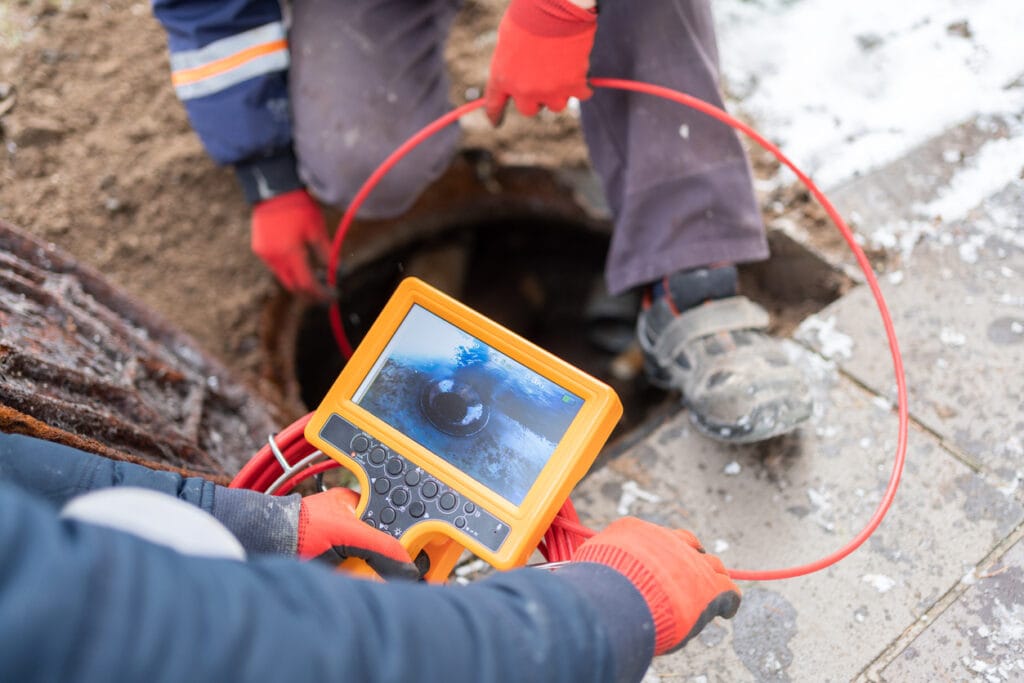
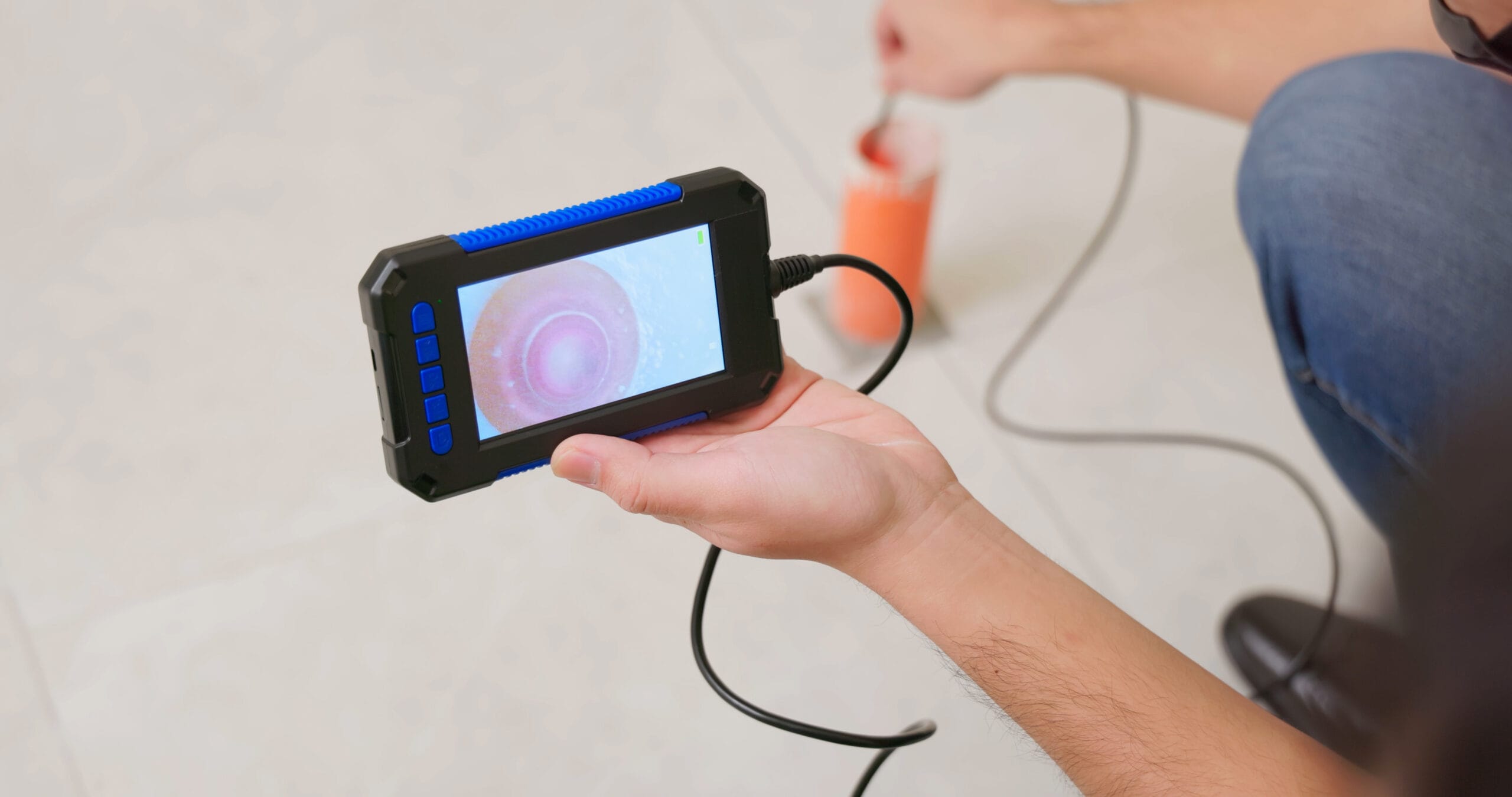
A drain inspection camera — also referred to as a CCTV drain camera or sewer camera — is a waterproof, high-definition camera mounted on the end of a flexible fibre-optic cable. The camera is connected to a monitor and recording unit above ground, which displays live footage from inside the pipe as the camera is pushed or pulled through the drain.
Key Components of a Drain Inspection Camera System
- The camera head: A small, self-levelling waterproof camera that continuously orients itself to keep the image upright regardless of how the cable twists through bends and junctions. Modern camera heads range from 25mm to 75mm in diameter to suit different pipe sizes.
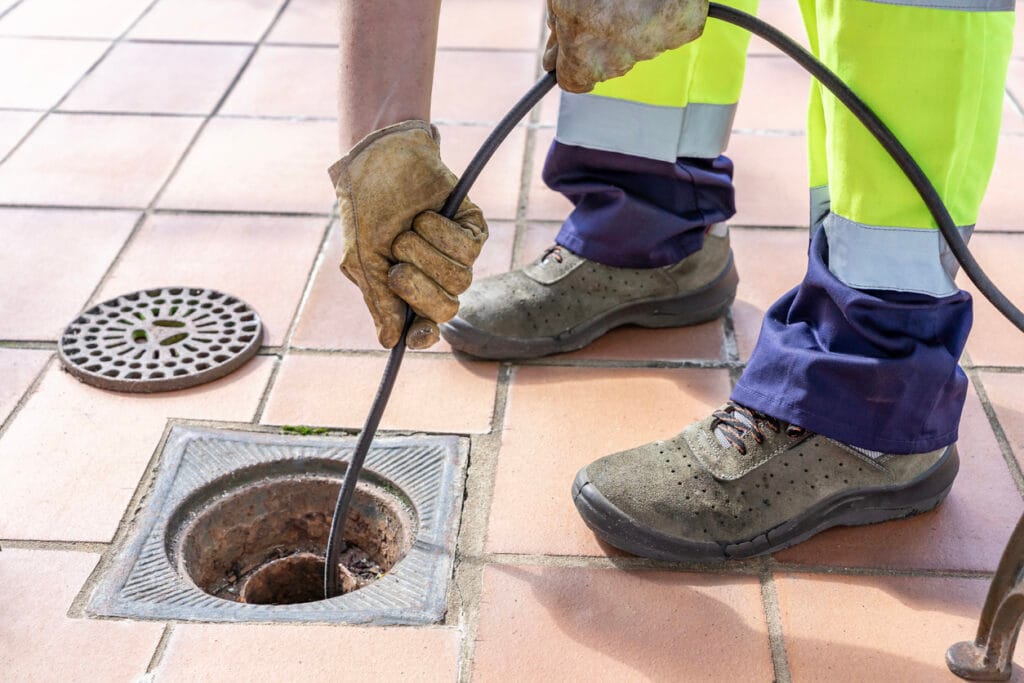
- The push cable or crawler: A flexible, semi-rigid cable that transmits power and signal to the camera head. For inspection of longer runs or larger-diameter pipes, self-propelled crawler units are used that can travel hundreds of metres through a drain independently.
- LED lighting: Built-in LED lighting illuminates the pipe interior ahead of the camera. Without adequate lighting, a drain interior is completely dark and would produce no useful footage.
- The monitor and recording unit: Displays the live camera feed in real time and records the footage for later review and reporting. Modern units often include on-screen distance measurement so the plumber can note exactly how far along the pipe a defect or blockage is located.
- Sonde locator (optional): A transmitter in the camera head emits a signal that a receiver above ground can detect, allowing the plumber to pinpoint the exact surface location of a buried pipe defect without digging.
What Pipe Sizes Can Be Inspected?
- Standard residential sewer and stormwater drains are typically 100mm, 150mm, or 225mm in diameter — all within the range of conventional push-camera systems.
- Smaller pipes, such as 50mm bathroom waste pipes, can be inspected with micro-cameras designed specifically for tight access.
- Larger commercial and council infrastructure pipes can be inspected with crawler-mounted cameras designed for 300mm and larger diameters.
- The camera used must match the pipe size — too small a camera in a large pipe produces poor footage; too large a camera cannot navigate bends in a small pipe.
What Does a Drain Inspection Camera Find?
A CCTV drain inspection is capable of identifying a wide range of pipe conditions and defects, many of which would be impossible to detect any other way without excavation. Here is what a trained plumber looks for when reviewing camera footage from a Melton residential or commercial property.
Tree Root Intrusion
- Tree roots are one of the most commonly identified findings in CCTV drain inspections across Melton, particularly in properties with established gum trees, willows, poplars, or ornamental trees planted within a few metres of the sewer line.
- Camera footage reveals exactly where roots have entered the pipe — which joint, which crack, and how extensively the root mass has grown inside the drain.
- The footage also shows whether roots are fine and hair-like (early stage, easier to remove) or thick and established (requiring cutting before clearing and relining to prevent re-entry).
- Without camera inspection, root intrusion is virtually impossible to confirm or locate precisely from the surface.
Cracked or Fractured Pipe
- Hairline cracks, longitudinal fractures, and circumferential breaks in the pipe wall are clearly visible in camera footage and are immediately distinguishable from sound pipe.
- The camera can identify whether a crack is superficial (affecting only the outer surface) or whether it has broken fully through the pipe wall, creating an opening for soil ingress, groundwater entry, or sewage exfiltration.
- Cracked pipes in older Melton properties are commonly associated with soil movement — the area sits on reactive clay soils that expand and contract significantly with moisture changes across the season, placing ongoing stress on buried pipe sections.
- Identifying a cracked section allows the plumber to recommend targeted relining or spot repair rather than blanket excavation along the full length of the drain.
Pipe Collapse or Deformation
- In severe cases, a section of pipe has collapsed entirely — the pipe wall has caved inward, reducing or blocking the internal profile. Camera footage shows this as a narrowing or complete closure of the circular opening.
- Partially collapsed sections are sometimes the result of gradual deterioration under soil and traffic load; sudden collapses can result from major root intrusion, soil erosion beneath the pipe, or ground disturbance from nearby works.
- A partially collapsed section cannot be relined if the deformation is severe enough to prevent liner insertion — this finding typically leads to a recommendation for targeted excavation and replacement of the affected section only.
Joint Displacement and Offset
- Over decades of soil movement, the individual sections of a clay or concrete pipe can shift relative to each other — creating steps, lips, or gaps at the joints where sections no longer align perfectly.
- Minor offsets create ledges inside the pipe that catch toilet paper, wet wipes, and debris, contributing to chronic blockages.
- Major offsets can physically obstruct the camera cable and prevent inspection of the pipe beyond that point — telling the plumber that the offset is severe enough to require mechanical intervention before any further inspection is possible.
- Joint offsets are clearly visible on camera as misalignments in the circular pipe profile and are recorded with their distance from the access point for accurate location.
Blockages and Their Composition
- A camera inspection reveals not only that a blockage exists but what it is made of — grease, hair, root mass, accumulated debris, foreign objects, or sediment.
- Knowing the composition of a blockage before clearing begins allows the plumber to select the right tool and method first time, rather than trialling different approaches.
- Foreign objects — children’s toys, sanitary products, construction debris — are immediately identifiable on camera and can be targeted for mechanical retrieval rather than pushed further into the system by jetting.
- The camera also reveals whether a blockage is a single discrete mass or a long section of scale, grease, and accumulated build-up requiring extended jetting treatment.
Scale and Tuberculation
- In areas with hard water or older cast-iron pipes, mineral deposits called scale or tuberculation can build up on the pipe interior over decades, significantly reducing the effective bore of the drain.
- Camera footage reveals the extent and distribution of scale, and whether it is soft enough to be removed by jetting or hard enough to require mechanical descaling.
- Heavy scale is not just a blockage risk — it also increases the likelihood of bacterial growth and corrosion in the areas of stagnant water that form behind scale deposits.
Sagging Pipe Sections (Bellying)
- A “belly” in a drain occurs when a section of pipe sags below the general grade of the run, creating a low point where liquid flow slows and solids settle out rather than being carried forward.
- On camera, a belly appears as a pool of standing water sitting in the pipe between inspection points — the camera pushes through the water and confirms the sagged profile of the pipe behind it.
- Bellies are a common cause of chronic slow-draining problems and recurring solid blockages, because the low point accumulates waste with every flush even if the pipe above and below it is clear.
- Bellies generally cannot be corrected by relining — they require excavation and re-laying the affected section with correct fall restored.
Incorrect Pipe Connections and Crossovers
- A drain camera inspection sometimes reveals that a stormwater drain has been incorrectly connected to the sewer system (or vice versa) — a cross-connection that can cause pollution, flooding, and regulatory compliance issues.
- Illegal or incorrect connections made during DIY plumbing work or older installations that pre-date current standards can be identified and documented for remediation.
- In properties that have been extended or renovated over the years, camera inspection can also reveal abandoned pipe sections, incorrectly capped junctions, or drainage layouts that differ from what any available as-built drawings show.
When Should You Get a Drain Inspection Camera Done?
A CCTV drain inspection is not just for emergencies. There are a number of situations where proactively arranging an inspection is the most cost-effective decision a Melton property owner can make.
Before Buying a Property
- A standard building inspection does not include a drain camera assessment. The drainage system is entirely underground and invisible to any surface inspection.
- A pre-purchase CCTV inspection reveals the condition of the drainage before settlement, allowing buyers to negotiate on price, request repairs, or make an informed decision about whether the property is right for them.
- In Melton, where a significant proportion of the housing stock dates from the 1980s through to the 2000s, drain systems can range from original clay with decades of use to early PVC installations that may have been laid with incorrect fall or by non-trade contractors during the construction boom.
After Recurring Blockages
- If the same drain has been cleared more than once in a 12-month period, a camera inspection is the logical next step.
- Clearing a blockage treats the symptom. A camera inspection identifies the underlying cause — root intrusion, pipe defect, incorrect grade — so that the cause can be addressed and the recurring problem resolved.
Before a Renovation or Extension
- Adding a bathroom, extending a kitchen, or building a second storey increases the load on the existing drainage system. Knowing the condition of the drain before the additional demand is placed on it is far better than discovering a failing pipe after the renovation is complete.
- A camera inspection before works commence also creates a documented record of the drain condition that can protect against disputes about responsibility for any damage that occurs during construction.
When Drainage Layout Is Unknown
- Many older Melton properties do not have current, accurate drainage plans. Where a drain runs, what connects to it, and where inspection access points are located may be unknown.
- A CCTV inspection, combined with a sonde locator, can map the drainage layout to a level of accuracy that informs future maintenance, renovation planning, and council connection applications.
Frequently Asked Questions
Does a drain inspection camera damage the pipes?
No. A drain inspection camera is completely non-invasive. The camera head and cable are pushed gently through the existing pipe without applying any force to the pipe walls. In very deteriorated pipes where sections are partially collapsed or joints are severely offset, the camera may not be able to navigate past certain points — but this is a reflection of the pipe’s existing condition, not any damage caused by the inspection. The camera identifies problems; it does not create them.
Can a drain camera find a leak?
A drain camera can identify the structural defects — cracks, open joints, pipe perforations — that cause or allow a drain to leak, but it cannot directly detect the flow of liquid escaping from a pipe the way an acoustic or tracer gas leak detection system can. If the crack or gap is visible to the camera, the plumber can determine that leakage from that point is likely. For buried pipe leaks that are causing wet spots, water ingress into subfloor areas, or subsidence, a combination of CCTV inspection and other leak detection methods is often the most comprehensive approach.
Will I get a copy of the footage?
At New Image Plumbing and Gas, we record every CCTV drain inspection and can provide footage to the client on request. Having a copy of the inspection recording is useful for insurance claims, pre-purchase negotiations, future maintenance planning, or simply understanding what is happening inside your own drainage system. We also provide a written report identifying all defects found, their distance from the access point, and our recommended course of action for each finding.
How long does a drain camera inspection take?
The duration of a CCTV drain inspection depends on the length of pipe to be inspected and the number of access points available. For a standard residential property in Melton, inspecting the sewer lateral from the house to the boundary typically takes between 30 and 60 minutes, including setting up equipment, running the camera, and reviewing the footage. Larger properties, or properties where access points need to be located or excavated before the inspection can begin, may take longer. Your plumber will give you an estimated duration when the scope of inspection is discussed prior to the visit.
Conclusion
A drain inspection camera does what no amount of guesswork can — it shows you exactly what is happening inside your pipes in real time, without any digging. For Melton homeowners and businesses dealing with blocked drains Melton, recurring problems, unexplained odours, or drainage concerns before a property purchase, a CCTV inspection is one of the most cost-effective diagnostic tools available. It turns a problem that is out of sight and out of mind into something clearly visible, precisely located, and actionable.
The difference between a plumber who clears a blockage and a plumber who understands what caused it — and can prevent it from happening again — often comes down to whether a camera was used. At New Image Plumbing and Gas, our team uses professional CCTV drain inspection equipment on every job where the cause of a problem is not immediately obvious. We believe in showing our clients what we find and giving honest, evidence-based advice on what to do about it.
If you have a drain that keeps blocking, a property you are about to buy, or simply want peace of mind about the condition of your drainage, call the team at New Image Plumbing and Gas on 0489 246 667 or contact us through our online form. We serve Melton, the western suburbs, and surrounds — with same-day service available for urgent drain problems.