A drain that empties slowly is easy to overlook, but in Deanside homes it is rarely just a minor inconvenience. Slow drainage is almost always a sign that something is building up inside your pipe and will eventually become a full blockage if left untreated. The cause matters, because identifying it correctly determines whether the fix is a simple clean or something that needs a camera inspection and clearing by a plumber Deanside. Here is a breakdown of the most common culprits and what to do about each one.
Hair and Soap Scum in Bathroom Drains
This is the most common cause of slow bathroom drains and one of the easiest to address early. Hair and soap residue accumulate just inside the drain opening or in the P-trap below the basin. Left alone, the buildup gradually narrows the opening until water backs up completely. The good news is it is largely preventable with the right habits in place.
What to know and what to do
- Where it builds up: Hair and soap scum most commonly collect at the drain cover, the strainer basket, and the P-trap immediately below the drain. These are the first points to check when a drain slows.
- Prevention: A simple mesh drain strainer catches hair before it enters the pipe. Clean it after every shower and you will largely prevent this problem from developing.
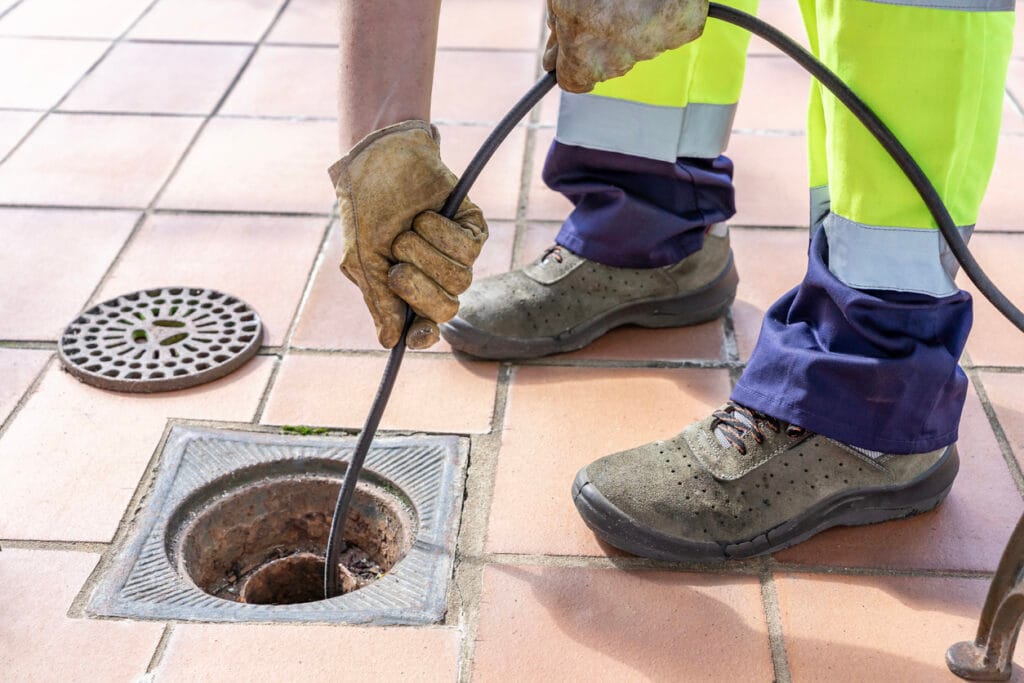
- If the buildup is further in: A drain snake can reach deeper accumulations in the P-trap and the pipe beyond. For stubborn or recurring buildup, high-pressure hydro jetting clears the pipe walls thoroughly rather than just creating a temporary passage.
- When to call a plumber: If clearing the visible trap does not resolve the slow drain, or if the drain slows again within a few weeks, the buildup has progressed further into the line and needs professional assessment.
Grease Accumulation in Kitchen Drains
Kitchen drains are the most common site for grease-related blockages in Deanside homes. Cooking fat and oil poured down the sink may flow easily in hot water, but as soon as it cools inside the pipe it solidifies and adheres to the pipe wall. Over months, this layer builds up, trapping food particles and progressively narrowing the bore of the pipe. A slow or gurgling kitchen drain after washing up is almost always the early stage of a grease blockage in progress.
How grease blockages develop and how to deal with them
- How fat enters the pipe: Cooking oil poured directly down the sink, fatty residue rinsed from pans, and food scraps containing grease all contribute. The fat travels partway down the line before cooling and sticking.
- Signs of a developing grease blockage: A drain that drains slowly after washing greasy pans, a gurgling sound after the sink empties, or a faint food odour coming from the drain opening.
- Prevention: Never pour cooking fat or oil down the sink. Let it cool in the pan, then scrape it into the bin. Rinse dishes with hot water before washing, and avoid rinsing fatty food scraps directly into the drain. A monthly flush with boiling water can help slow early grease accumulation.
- If the blockage has already formed: Hydro jetting is the most effective solution. It removes the hardened grease coating from the full circumference of the pipe rather than just punching a hole through the centre of the blockage.
- Drain cleaning products: Chemical drain cleaners can dissolve some grease but are not suitable for regular use in residential plumbing, and they do not address the full blockage the way professional jetting does.
Tree Root Intrusion in Older or Settled Pipes
Even in newer Deanside properties, recently planted trees and established garden shrubs grow roots quickly toward moisture, and drainage pipes are a reliable moisture source. Roots enter through the smallest joint gaps or hairline cracks in a pipe and, once inside, expand rapidly. A drain that was clearing normally and then progressively slows without any obvious household cause is often showing early signs of root intrusion.
Identifying and resolving root intrusion
- How roots enter: Tree and shrub roots follow the moisture gradient toward drainage pipes. They penetrate through rubber seals at pipe joints, through small cracks, or through any point where the pipe has shifted and opened a gap.
- What happens once inside: Roots expand to fill the available space inside the pipe, catching debris and restricting flow. A partial root intrusion can progress to a complete blockage within months.
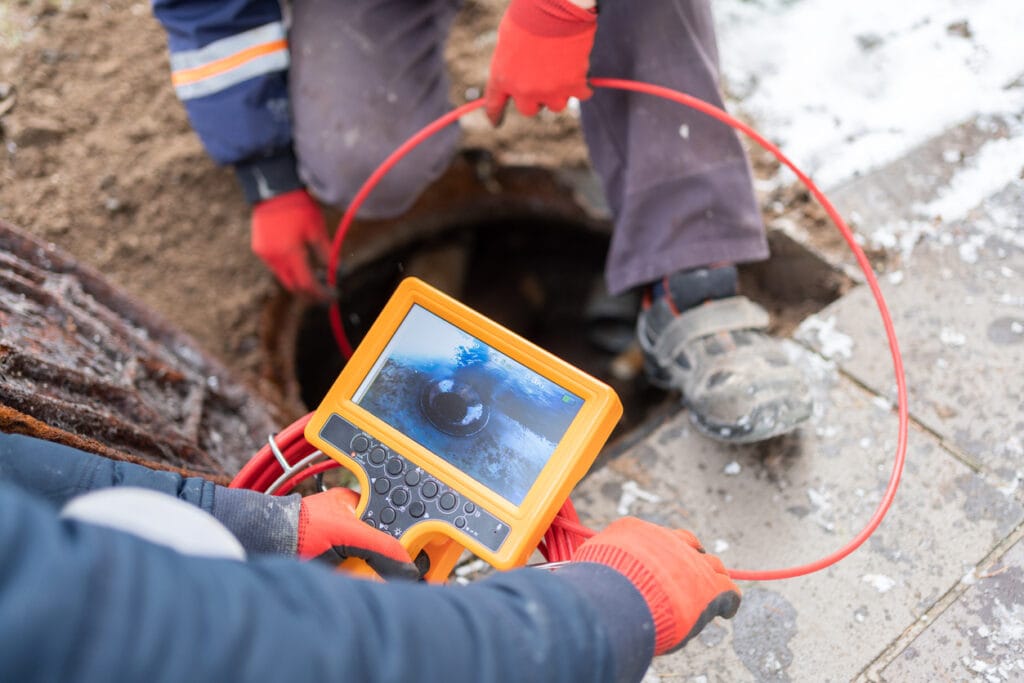
- Detection: A CCTV drain inspection shows root intrusion clearly on camera and lets the plumber assess the extent before recommending a fix.
- Fix options: Hydro jetting with a root-cutting head clears the immediate obstruction. Pipe relining is the most effective permanent solution, creating a new pipe wall inside the existing one and sealing out future root intrusion without excavation.
- Trees to watch: Eucalyptus, willow, fig, and bottlebrush species have particularly aggressive root systems and should not be planted near drainage lines.
Partial Blockage from Construction Debris
In recently built Deanside homes, sand, plaster residue, and concrete slurry can settle inside drainage pipes during the build. This material does not always cause an immediate blockage. It can sit inside the pipe in a semi-liquid state and gradually compact and harden over the first one to three years as water passes through. If your drains have been marginally slow since you moved in, this is the most likely explanation and it is worth investigating before the partial blockage becomes a complete one.
What construction debris looks like and how to deal with it
- Common materials left behind: Concrete slurry from footings, plaster residue from wet areas, sand from concreting work, and fine aggregate that enters pipes through uncapped openings during the build.
- Why it is not always obvious immediately: The material can remain partially fluid and allow water to pass initially, then harden as more water flows through and the fine particles compact together.
- How a CCTV inspection identifies it: The camera shows partial obstructions, reduced pipe diameter from internal buildup, and any sections where debris has hardened against the pipe wall.
- Clearance method: High-pressure hydro jetting breaks up and flushes the debris from the system. In some cases where the material has hardened significantly, mechanical cutting may be needed first.
- Builder warranty consideration: If construction debris is confirmed in a newly built property, this may be raiseable as a defect under your builder’s statutory warranty. A written CCTV inspection report from a licensed plumber provides the evidence needed.
Venting Issues Causing Slow Drainage
Drainage systems require more than just clear pipes to function correctly. They also rely on a network of vent pipes that allow air into the system as water flows out. Without adequate ventilation, moving water creates a partial vacuum behind it that resists the flow. If you have cleaned the drain and the slow drainage or gurgling persists, a venting problem should be investigated as a potential cause.
Signs of a venting issue and what causes it
- Gurgling sounds from a drain that is not blocked: If the pipe is clear but gurgling continues, the drainage system is struggling to move air as water flows. This is the classic symptom of a venting restriction.
- Slow drainage in multiple fixtures without a shared blockage: If drains throughout the house slow at the same time but a camera inspection finds no blockage, venting is worth investigating.
- Common causes of vent blockages: Birds nesting in roof vent openings, leaves and debris blocking the vent pipe cap, or a vent pipe incorrectly terminated during construction.
- Incorrect vent installation: In some newer builds, vent pipes are terminated in the wrong location or at insufficient height, creating ongoing negative pressure in the drainage system.
- Diagnosis: A licensed plumber can assess the vent configuration and clear or correct the vent pipe if it is blocked or incorrectly installed. Do not attempt to clear roof vent pipes yourself.
When Slow Drains Need Professional Attention
Not every slow drain requires a plumber on the same day, but certain combinations of symptoms should prompt a call without delay. When slow drainage is accompanied by other signs, the problem is almost always deeper in the main sewer line rather than a localised trap or fitting issue. Acting on these signs early is considerably cheaper than dealing with a sewage overflow or a backed-up system.
Signs that require prompt professional attention
- Multiple fixtures slow at the same time: If the kitchen sink, bathroom basin, and shower drain are all slow simultaneously, the blockage is in the main sewer line, not in individual branch drains.
- Water backing up into other fixtures: Water appearing in the shower when you flush the toilet, or in the laundry trough when the dishwasher drains, means the main line is blocked or severely restricted.
- Bad smells from multiple drains: Sewer gas coming from more than one drain suggests a significant blockage or a venting failure that is allowing gas to travel back through the system.
- Gurgling that does not stop after clearing a trap: Persistent gurgling after cleaning the drain opening points to a blockage further in the line.
- Any slow drain that returns within days of clearing: A blockage that reforms quickly indicates an underlying structural issue such as poor grading, root intrusion, or a partially collapsed pipe rather than a simple accumulation of debris.
Conclusion
The cause of slow drains can range from everyday buildup to problems deeper within the drainage pipes. Identifying the cause early can help prevent the issue from getting worse.
New Image Plumbing covers Deanside and the surrounding area. If you are seeing any of these signs, call us at 0489 246 667 to book a drain inspection. Catching the issue early is always simpler and less expensive than waiting until you have a completely blocked drain West Melbourne.
Frequently Asked Questions
Can I fix a slow drain myself?
A drain strainer and regular cleaning can prevent slow drains caused by hair and soap scum. A plunger can sometimes shift a minor localised blockage. For anything beyond the drain opening, particularly recurring or multi-fixture slowness, a licensed plumber with a drain snake or hydro jet is the right call.
Why does my kitchen drain gurgle after washing up?
Gurgling after use is usually a sign that air is struggling to move through a partially blocked pipe, or that the drainage vent is restricted. It indicates a buildup of grease, food debris, or a partial blockage that is close to becoming a full one. Have it inspected before it completely blocks.
How do I prevent grease from blocking my kitchen drain?
Never pour cooking fat, oil, or grease down the sink. Let it cool in the pan and scrape it into the bin. Rinse dishes with hot water before putting them in the sink, and avoid washing fatty food scraps directly down the drain. A monthly flush with boiling water can also help clear early grease deposits.
What is hydro jetting and does it damage pipes?
Hydro jetting uses a high-pressure water stream to thoroughly clean the inside of drain pipes, removing grease, scale, and debris. The pressure is adjusted based on pipe material and condition, so it is safe for most residential plumbing. A licensed plumber will assess pipe condition before using this method.