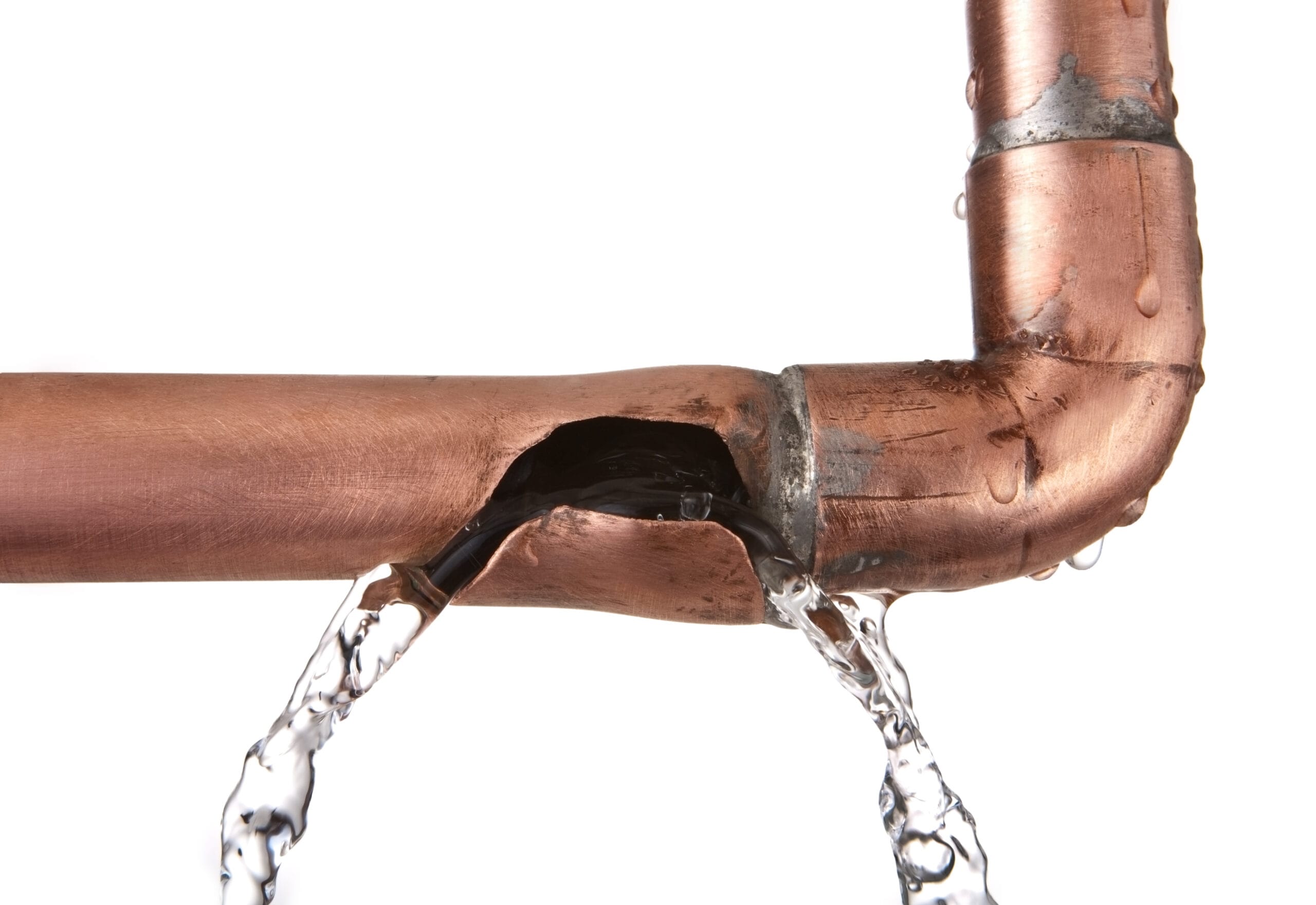
A burst pipe Melton is one of the most damaging plumbing events a home can experience. Water escaping under pressure inside a wall, under a slab, or in a roof space can cause structural damage, mould, ruined flooring, and very expensive repair bills in a short period of time. While some failures appear to happen without warning, the reality is that most burst pipes are the result of conditions that have been building up for months or years. Understanding what those conditions are gives you the opportunity to take preventative action before the break occurs.
Below is a detailed breakdown of the most common causes of burst pipes in Australian homes, what each one looks like in practice, how to spot the warning signs early, and what to do when you find them.
High Water Pressure
Why it causes burst pipes
Water pressure that exceeds the safe operating range for a residential plumbing system is one of the leading causes of burst pipes in Australian homes. The recommended range for residential properties under Australian standards is between 200 and 500 kPa. Pressure above this threshold does not cause an immediate failure in most cases, but it creates constant mechanical stress on every pipe, fitting, joint, and washer in the system. Over time, the weakest points in the system give way under that sustained load.
What high pressure looks like in a home
- Taps and shower heads that feel noticeably forceful or aggressive
- Taps that make a hammering or banging noise when turned off quickly (water hammer)
- Appliances such as washing machines and dishwashers that develop leaks or seal failures more frequently than expected
- Toilet fill valves that make a high-pitched hissing sound after flushing
- Flexi hoses under sinks or behind toilets that have failed or are showing signs of stress at the fittings
What to do
A licensed plumber Melton can test the static and dynamic pressure at your meter and at internal points in the system. If pressure is above the safe range, a pressure reducing valve (PRV) can be installed on the main supply line. A PRV brings the pressure down to the correct operating range and significantly reduces wear on every component in the system. This is one of the most cost-effective preventative measures available to homeowners with older plumbing.
Corrosion
How corrosion leads to a burst
Metal pipes corrode from the inside out over time. The rate of corrosion depends on the pipe material, the mineral content of the local water supply, and the pH of the water passing through the system. As the internal wall of the pipe thins, its ability to hold pressure decreases. Eventually the wall becomes thin enough that normal operating pressure is sufficient to cause a failure.
Which pipe materials are most at risk
- Galvanised steel pipes, common in homes built before the 1970s, corrode from the inside and develop a rough, scaled internal surface that both restricts flow and thins the pipe wall. These pipes often fail with minimal warning once the corrosion reaches a critical point
- Copper pipes, common in homes from the 1970s through to the early 2000s, can develop pinhole leaks through a process called pitting corrosion. This is driven by a combination of water chemistry, pressure, and velocity of flow inside the pipe. Pinholes often appear first at solder joints or at bends where turbulence is higher
- Early CPVC and older plastic pipe systems can become brittle with age, particularly in roof spaces where UV exposure and temperature extremes accelerate degradation
Warning signs of corroding pipes
- Discoloured or rusty water, particularly after the system has not been used overnight
- A metallic taste in the tap water
- Small damp patches appearing on walls, ceilings, or under cupboards without an obvious source
- Reduced flow rate from specific fixtures despite normal pressure elsewhere in the home
- Visible green or blue-green staining around copper fittings or joints
What to do
If your home was built before 1990 and has not had its plumbing assessed recently, a pipe condition inspection is worthwhile. A plumber can assess the visible sections of pipework and use pressure testing to identify compromised sections before a failure occurs. In many cases, a targeted repiping of the most vulnerable sections is far less disruptive and expensive than dealing with a burst inside a wall.
Tree Root Intrusion
How roots enter and damage pipes
Tree roots are drawn to moisture and the nutrients found in wastewater. Sewer and stormwater pipes are particularly vulnerable because they carry both of these attractants in large quantities. Roots enter pipes through small cracks at joints, through deteriorated rubber seals, or through any point where the pipe material has slightly separated. Once inside, the root grows and expands, applying outward pressure on the pipe from the inside.
What makes this a burst risk
- As a root mass grows inside a pipe, it progressively restricts flow and creates a buildup of pressure behind the blockage
- The mechanical force exerted by root growth over months and years is sufficient to crack concrete, split clay pipes, and fracture older PVC joints
- Root intrusion in pressure pipes (as opposed to gravity drain lines) is less common but does occur, particularly where landscaping has been planted directly over supply lines
- Clay and concrete sewer pipes, common in established Melbourne suburbs, are the most vulnerable because their joints are mortar-sealed rather than rubber-gasketed
Warning signs and prevention
- Recurring blockages in the same external drain or sewer inspection opening
- Gurgling sounds from multiple fixtures simultaneously
- Unusually lush or green grass directly above where a sewer line runs through the yard
- Slow drainage across multiple fixtures that is not explained by a single internal blockage
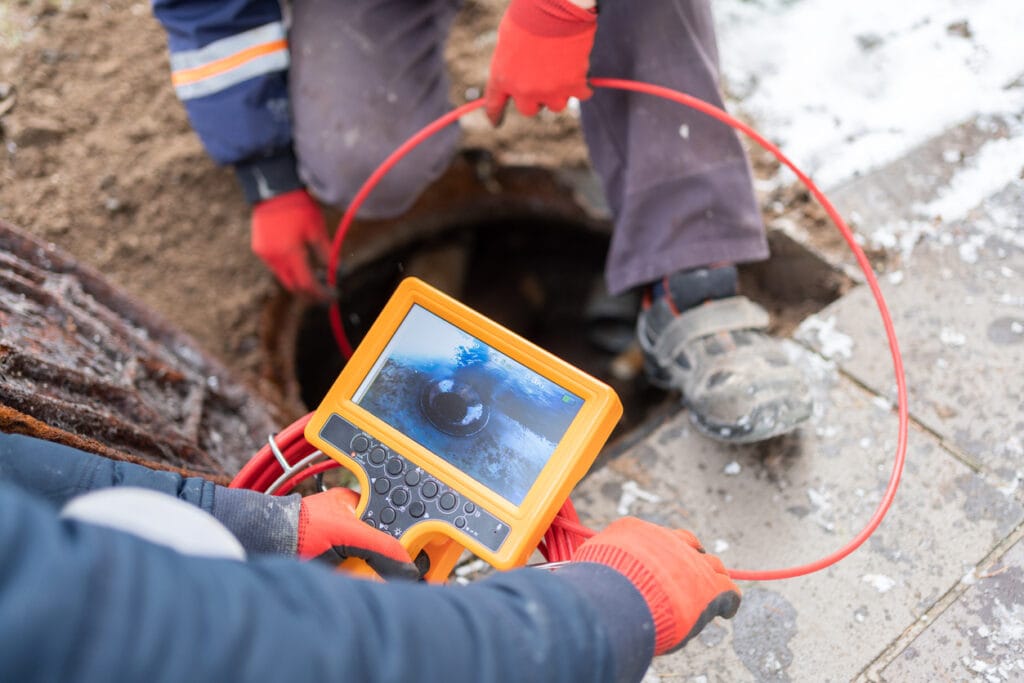
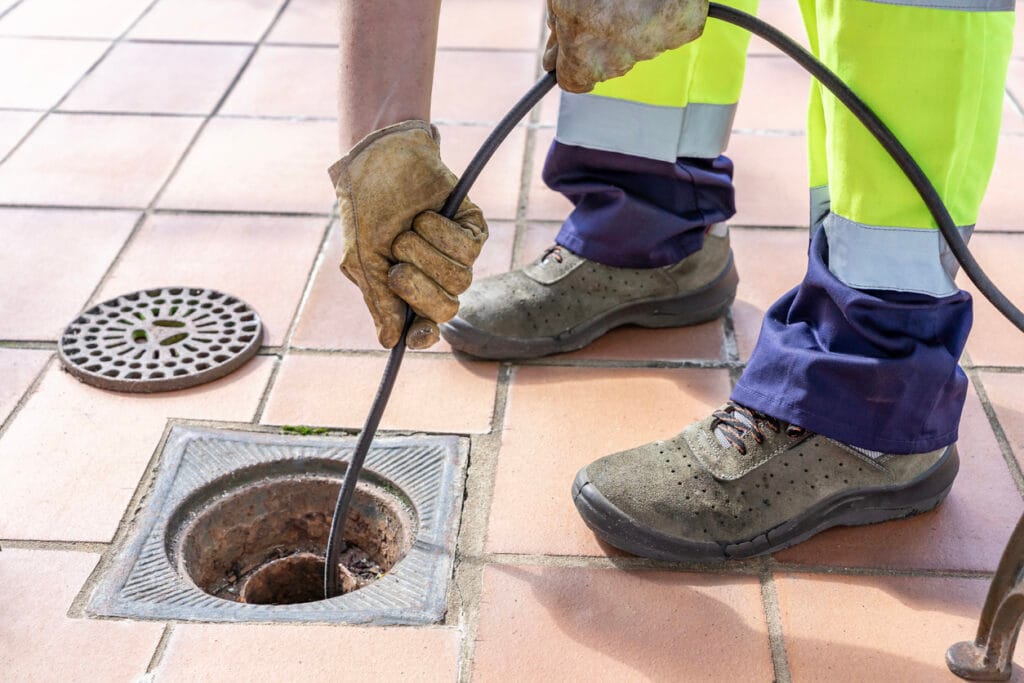
A CCTV camera inspection of the sewer line will show whether roots are present and how far they have progressed. Early-stage root intrusion can be cleared with high-pressure jetting. Advanced intrusion may require pipe relining or replacement of the affected section.
Ground Movement
Why ground movement is a significant risk in Melbourne’s west
The soils across Melbourne’s western suburbs and growth corridors including Melton, Bacchus Marsh, Caroline Springs, Tarneit, and Truganina contain a high proportion of reactive clay. Reactive clay soils expand significantly when wet and contract significantly when dry. This seasonal movement, which can involve several centimetres of vertical displacement in some areas, applies mechanical stress to underground pipes, particularly at joints and bends where movement cannot be absorbed along the pipe’s length.
How this causes pipe failures
- Underground pipes can be displaced at joints, creating gaps that allow root entry or allow soil to enter the pipe and cause blockages
- Repeated seasonal flexing causes fatigue cracking at fittings and bends
- New housing in growth areas like Melton can experience ground settlement in the years after construction, which shifts pipes that were correctly installed and aligned when the home was built
- Properties that have had significant landscaping changes, pool installations, or large tree removals nearby are particularly susceptible, as these alter the local moisture profile of the soil significantly
What to do
Ground movement damage is generally not visible until a failure occurs. The best protection is periodic inspection of external drainage lines using a CCTV camera, particularly in homes that are more than 15 years old in areas known for reactive soils. Plumbers familiar with the local geology in Melbourne’s west understand these risks and can advise on inspection frequency.
Physical Damage During Renovation or Construction
How it happens
Pipes running through walls, under concrete slabs, and underground are not always where a tradie or homeowner expects them to be. Renovation work, landscaping, fence post installation, deck building, and excavation for extensions all carry the risk of damaging existing pipe runs. A pipe that has been nicked, cracked, or partially crushed during building work may not fail immediately. The damage may not even be visible from the outside. But a compromised pipe wall becomes progressively weaker under normal water pressure and will eventually fail at the damaged point.
Signs that physical damage may have occurred
- A drop in water pressure that appeared shortly after renovation or construction work on or near the property
- Damp patches on internal walls or flooring that appeared after a building project
- A water meter that is running when all fixtures are off, indicating a concealed leak
- Soft or discoloured patches on a concrete slab or paved surface above a pipe run
Prevention
- Before any excavation or significant ground-breaking work, request that a plumber mark the location of underground pipes on the property
- Engage a licensed plumber to inspect the pipework after any major renovation that involved work near walls, floors, or the ground
- Do not assume that a pipe is undamaged just because water is still flowing normally — a hairline crack may take months to develop into a visible leak
Freezing Temperatures
When freezing is a real risk in Melbourne
Melbourne’s climate is generally mild enough that frozen pipes are not a widespread concern, but they are not impossible, particularly during cold snaps in winter when overnight temperatures drop below zero. The pipes most at risk are those in exposed or uninsulated locations: roof spaces, external wall cavities, pipes running along the outside of the building, and outdoor hot water system supply lines.
Why freezing causes pipes to burst
- Water expands by approximately 9% in volume when it freezes. Inside a sealed pipe, this expansion has nowhere to go, so it generates significant internal pressure
- The burst typically does not occur at the frozen section itself but downstream of it, where pressure builds between the ice blockage and a closed tap or fitting
- Copper pipes are more susceptible to freeze damage than PVC because copper transmits cold more efficiently and has less flexibility to absorb expansion
- Pipes that have been partially frozen and thawed without bursting may have developed microfractures that cause them to fail at a later date under normal operating conditions
Preventative steps
- Insulate pipes in roof spaces and external locations before winter
- During extended cold snaps, leave a slow drip running from the most distant tap to keep water moving through the system
- If a tap stops flowing during cold weather, do not attempt to thaw the pipe with a naked flame. Use warm water or a heat gun on a low setting, working from the tap end backward toward the frozen section
What to Do When a Pipe Bursts
Knowing what to do in the first few minutes after a burst pipe can significantly limit the damage. The steps below apply regardless of where the burst has occurred or what caused it.
Immediate steps
- Turn off the mains water supply immediately. The mains isolation valve is typically located at the water meter, usually at the front of the property near the boundary. Turning it off stops water from continuing to flow into the system and limits how much water escapes
- Turn off the hot water system if it is electric. Running an electric hot water system without water in the tank can damage the element
- If water has reached light fittings, power outlets, or the fuse box, turn off the electricity at the switchboard and do not re-enter that section of the property until it has been assessed as safe
- Open taps to relieve residual pressure in the system and drain as much water as possible from the pipes
- Document the damage with photos before any cleanup begins, as this will be required for an insurance claim
- Call a licensed plumber immediately. Do not wait to see if the situation stabilises
Conclusion
If you are concerned about the condition of your pipework or have noticed any of the warning signs described above, having a licensed plumber Bacchus Marsh assess the system before something fails is always the better outcome. New Image Plumbing and Gas handles burst pipe repairs across West Melbourne. Homeowners can call us at 0489 246 667 or submit our online form.
Frequently Asked Questions
What pipe material is most prone to burst pipes?
Galvanised steel and older copper pipes are the most prone to failure in established Melbourne homes. Galvanised steel corrodes from the inside over decades, thinning the pipe wall until it fails under normal pressure. Copper pipes can develop pinhole leaks from a combination of pitting corrosion, sustained high pressure, and the mineral content of the local water supply. Both are common in homes built before the 1990s and should be assessed if they have not been inspected in recent years.
Does a burst pipe always cause immediate flooding?
Not always. A small pinhole or hairline crack in a pipe may produce a slow weep rather than an immediate flood. These slow leaks can go undetected for weeks or months, causing gradual structural damage, mould growth, and elevated water bills. The most dramatic failure, a sudden large burst, usually occurs at a joint, fitting, or at a corrosion point that has been progressively weakening over time. The pressure simply finds the weakest point and pushes through it.
Can high water pressure cause a pipe to burst without any prior warning?
High water pressure causes gradual wear rather than sudden failure in most cases. Over years of excessive pressure, joints, fittings, and washers deteriorate faster than they should. When a burst eventually occurs, it is usually at a point that has been weakened progressively. The pressure is the contributing factor that accelerates the deterioration, and the burst is the end result of that process rather than an instantaneous event triggered by pressure alone.
Is it safe to stay in the house after a pipe bursts?
It depends on the extent and location of the burst. If water has reached electrical outlets, ceiling lights, or the fuse box, you should leave that part of the property and turn off the power at the switchboard. Do not re-enter until a licensed electrician has confirmed it is safe. If the burst was contained to a single area with no electrical risk, you can typically remain in the property while waiting for the plumber, but you should minimise water use and ventilate the affected area to begin limiting moisture damage.
Can a burst pipe inside a wall be repaired without removing the wall?
In some cases, yes. Pipe relining technology can repair certain types of damage inside existing pipes without requiring full excavation or wall removal. However, the suitability of relining depends on the pipe material, the nature of the damage, and the accessibility of the pipe run. A licensed plumber will assess the situation and advise whether a no-dig repair is appropriate or whether physical access to the pipe is necessary. Not all burst pipe repairs can be done without some degree of wall or floor access.