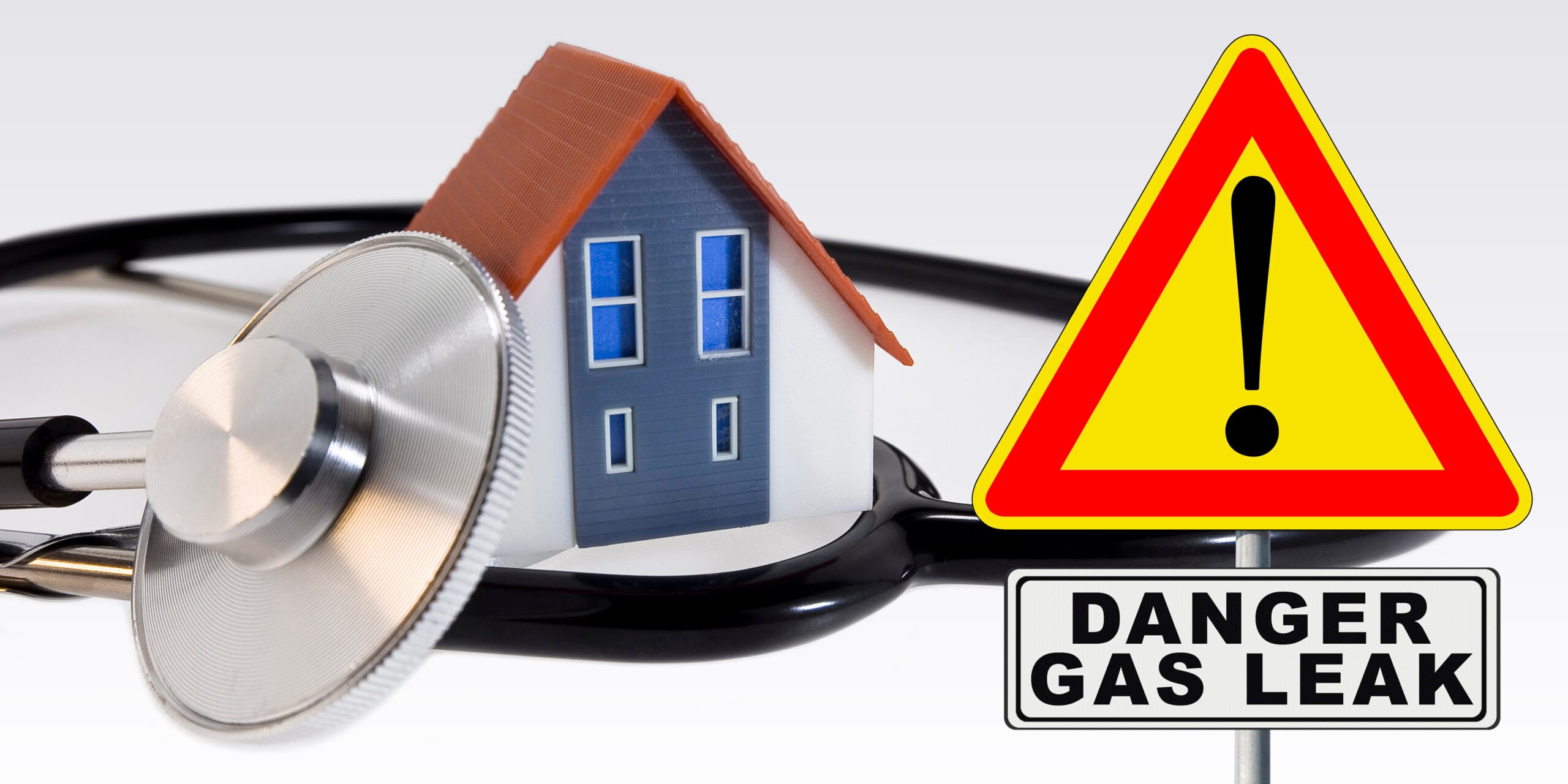
Natural gas is one of the most common energy sources used in Australian homes for heating, cooking, and hot water. When it is contained within a properly maintained gas system, it is safe and efficient. But when gas escapes from a pipe, appliance, or fitting — even in small quantities — the consequences can range from mild illness to life-threatening emergency. A gas leak Melton is never a problem to dismiss or investigate casually. For homeowners and renters, understanding what a gas leak does to the human body, how to recognise the symptoms, and what to do if you suspect a leak could genuinely save lives. This guide covers the health effects of gas exposure in plain, practical terms — and explains when you need to act immediately.
Health Effects of Gas Exposure
Headaches and Dizziness
Headaches are one of the earliest and most commonly reported symptoms when a person is exposed to low-level gas or the byproducts of a poorly combusting gas appliance.
- Exposure to even small reductions in oxygen concentration in a room — caused by gas displacing air — can produce headaches, lightheadedness, and a general feeling of being unwell.
- Low-level carbon monoxide from a malfunctioning gas heater or stove is a particularly common cause of persistent, unexplained headaches in otherwise healthy people.
- Headaches that resolve quickly when a person leaves the home and return when they come back inside are a significant indicator that something is wrong with the indoor air quality — potentially linked to a gas appliance or leak.
- Dizziness and a feeling of disorientation or cognitive slowness accompany headaches when the exposure is more sustained or the concentration is slightly higher.
Nausea and Vomiting
As gas concentration increases or exposure duration lengthens, gastrointestinal symptoms become more pronounced and can be accompanied by a general feeling of illness that is easily mistaken for a viral infection.
- Nausea is a common early-stage symptom of both low-level gas inhalation and mild carbon monoxide poisoning.
- Household members who are all experiencing similar nausea at the same time — particularly in winter when heaters are running and windows are closed — should consider a gas or carbon monoxide issue as a potential cause.
- Vomiting, if it occurs, usually signals moderate to significant exposure and requires immediate action.
Shortness of Breath and Chest Pain
When natural gas displaces enough oxygen from an enclosed space, the body begins to respond to reduced oxygen availability with respiratory distress. This can present similarly to a cardiac or respiratory medical event, which is why gas leaks in enclosed spaces are genuine medical emergencies.
- Shortness of breath in a room that is otherwise comfortable, without exertion, and not attributable to a known respiratory condition can indicate reduced oxygen in the environment.
- Chest tightness and chest pain are associated with both significant oxygen depletion and with carbon monoxide poisoning, which affects the blood’s ability to carry oxygen to the heart and tissues.
- In high concentrations, natural gas can cause breathing to become rapidly laboured as oxygen levels fall to dangerous levels in an enclosed space.
Drowsiness, Fatigue, and Confusion
The brain is extraordinarily sensitive to changes in oxygen concentration. Even a modest reduction in available oxygen — or the presence of carbon monoxide, which binds to haemoglobin and prevents oxygen transport in the blood — can rapidly impair cognitive function.
- Unusual drowsiness or fatigue, particularly when other members of the household are experiencing the same symptoms at the same time, should be taken seriously as a potential indicator of gas or carbon monoxide exposure.
- Confusion, difficulty concentrating, memory lapses, and slurred speech are signs of more significant oxygen deprivation or carbon monoxide poisoning and indicate an urgent need to exit the building and call emergency services.
- The insidious danger of carbon monoxide specifically is that its effects can progress from drowsiness to unconsciousness very rapidly, particularly in sleeping occupants who are not awake to recognise the early symptoms.
Eye and Throat Irritation
The additive chemicals in natural gas — primarily mercaptan — can be irritating to mucous membranes even at low concentrations that are not dangerous in terms of oxygen displacement or flammability.
- Watering or stinging eyes without an allergic cause, combined with a persistent sore or dry throat, can indicate low-level gas exposure, particularly if symptoms resolve when the person is outside the home.
- Nasal irritation and a burning sensation in the airways are also associated with mercaptan exposure at higher concentrations.
- These symptoms tend to be less dramatic than other effects of gas exposure but serve as an important early warning that something is present in the air that should not be.
Carbon Monoxide Poisoning
This deserves special mention because it is the most serious and potentially fatal health consequence associated with gas appliances in the home, and it can occur without any smell of gas whatsoever.
- Carbon monoxide (CO) is produced when natural gas combusts incompletely — typically because of a faulty, poorly maintained, or inadequately ventilated gas appliance such as a heater, stove, or hot water system.
- CO is colourless and odourless. There is no smell to warn you of its presence — the only way to detect it without a CO alarm is through its physiological effects, by which point significant exposure may already have occurred.
- CO binds to haemoglobin in the blood approximately 200 times more effectively than oxygen, displacing it and causing cells throughout the body to be starved of oxygen even though the lungs are still breathing.
- At moderate concentrations, CO causes severe headaches, vomiting, disorientation, and loss of motor control. At high concentrations, it can cause loss of consciousness and death within minutes.
- Pets — particularly birds and smaller animals — are more sensitive to CO than humans and may show symptoms before people do. A bird that has become lethargic or a dog that is unusually unwell in the home should be taken seriously as a warning sign.
- Carbon monoxide alarms are inexpensive, widely available, and strongly recommended for every home that uses gas appliances. In Victoria, it is particularly important in homes with ducted gas heating, wall furnaces, or gas water heaters in enclosed spaces.
Risk of Fire and Explosion
Beyond the direct health effects of gas inhalation, the flammability of natural gas presents a secondary but acute danger whenever a leak is present in an enclosed space.
- Natural gas is flammable at concentrations between approximately 5% and 15% by volume in air (this range is called the flammable limits or explosive range).
- A spark from a light switch, an electrical appliance, a phone charger, or even a doorbell can ignite a gas-air mixture within the flammable range.
- This is why standard guidance when a gas smell is detected is to avoid turning on or off any electrical switches, not use a mobile phone inside the building, not light a flame of any kind, and evacuate immediately.
- An explosion resulting from an ignited gas-air mixture in an enclosed space can cause severe burn injuries, blast injuries, and structural collapse — all of which carry significant morbidity and mortality risk for anyone nearby.
Who Is Most Vulnerable to Gas Leak Health Effects?
While anyone can be affected by gas exposure, certain groups face a higher risk of serious harm and require particular consideration.
Children
- Children have higher respiratory rates than adults, meaning they inhale a proportionally greater volume of air — and any gas or CO present in it — relative to their body weight.
- They are also less able to recognise and respond to symptoms of gas exposure, making early detection by adults in the household critical to their safety.
Elderly People
- Older adults may have a reduced sense of smell and may not detect even high concentrations of mercaptan as readily as younger people — reducing their primary warning signal for a gas leak.
- Pre-existing cardiac or respiratory conditions increase the risk of serious harm from even relatively low-level oxygen depletion or CO exposure.
Pregnant Women
- Carbon monoxide exposure during pregnancy is particularly dangerous because CO crosses the placental barrier and can affect the developing foetus, even when the mother’s own symptoms are relatively mild.
- Any suspected CO exposure during pregnancy should be treated as a medical emergency.
People with Heart or Lung Conditions
- Individuals with asthma, COPD, heart disease, or anaemia are at significantly greater risk of serious harm from any reduction in blood oxygen levels, as their systems have less reserve capacity to compensate.
What to Do If You Smell Gas in Your Home
If you detect the smell of gas inside your home, the correct response is immediate and non-negotiable. Do not investigate or attempt to locate the source yourself.
- Do not turn on or off any electrical switches, including light switches, fans, appliances, or the stove ignition. Any spark could ignite the gas.
- Do not use your mobile phone inside the building — take it outside before making any calls.
- Open windows and doors as you move through the home to ventilate the space, but do not linger inside — evacuate promptly.
- Turn off the gas supply at the meter if it is safe to do so and you can reach it quickly as you exit. The meter is typically located outside the property near the front boundary.
- Once outside and at a safe distance from the building, call the gas emergency line (in Victoria, this is 132 771 for Multinet Gas or your relevant gas distributor), followed by 000 if you believe any occupant is unwell or if the gas smell is very strong.
- Do not re-enter the property until a licensed gas fitter or emergency responder has confirmed it is safe to do so.
- After the immediate emergency is resolved, arrange for a licensed gas plumber to locate the source of the leak, carry out the repair, and test the entire system before gas is restored.
Gas Safety Maintenance for Homes
Prevention is far better than emergency response. Regular gas safety checks protect your household from both the health effects of gas exposure and the financial consequences of emergency call-outs and repair work.
Annual Gas Appliance Servicing
- Gas heaters, hot water systems, stoves, and ovens should be inspected and serviced by a licensed gas fitter annually or as recommended by the manufacturer.
- Servicing checks burner operation, heat exchanger integrity, flue condition and clearance, seals, and gas pressure — all of which can affect whether combustion is complete and byproducts are safely vented.
Install Carbon Monoxide Alarms
- Carbon monoxide alarms should be installed in any room that contains or is adjacent to a gas appliance, as well as in bedrooms — particularly in homes with ducted gas heating that runs at night.
- Replace CO alarms according to the manufacturer’s recommended schedule, typically every five to seven years, as the sensors degrade over time.
Check Flexible Gas Connectors
- The flexible connectors linking gas appliances to the fixed gas pipework can corrode, crack, or develop micro-leaks over time. Have a licensed gas fitter inspect and replace them on the recommended schedule, typically every five years.
- Never use appliances with visibly damaged or kinked flexible connectors.
Ensure Adequate Ventilation
- Gas appliances that rely on combustion require adequate fresh air to operate safely and completely. Never block vents, airbricks, or fixed ventilation openings near gas appliances.
- In well-sealed modern homes, gas heaters should be either flued (externally vented) or the home should have a mechanical ventilation strategy to ensure sufficient air exchange.
Frequently Asked Questions About Gas Leaks and Health
How long does it take for a gas leak to make you sick?
The timeline depends on the concentration of gas or carbon monoxide present and the size of the enclosed space. At low concentrations in a large, ventilated room, symptoms may develop gradually over hours. In a small, poorly ventilated space with a significant leak, symptoms can appear within minutes and progress rapidly to unconsciousness. There is no safe threshold for prolonged exposure — if you can smell gas or your CO alarm is sounding, treat it as an emergency regardless of whether anyone feels unwell yet.
Can a small gas leak harm you if you can only faintly smell it?
Yes. Mercaptan — the additive that gives gas its smell — is detectable by the human nose at concentrations well below the levels at which natural gas becomes immediately dangerous. If you can smell gas, even faintly, there is an active leak. Faint smells that come and go, or that are only detectable in one area of the home, indicate a small but real leak that needs to be found and fixed. Small leaks can also escalate quickly if the source is disturbed or if conditions change.
What should I do if my carbon monoxide alarm goes off?
If your CO alarm sounds: get everyone out of the home immediately, including pets. Do not stop to investigate, gather belongings, or try to identify the source. Once outside, call 000 and your gas emergency line. Do not re-enter until emergency responders confirm it is safe. Anyone who is unwell, confused, or has lost consciousness should be treated as a medical emergency and assessed by paramedics. Even after the immediate danger has passed, have a licensed gas fitter inspect and test all gas appliances before using them again.
How do licensed plumbers check for gas leaks?
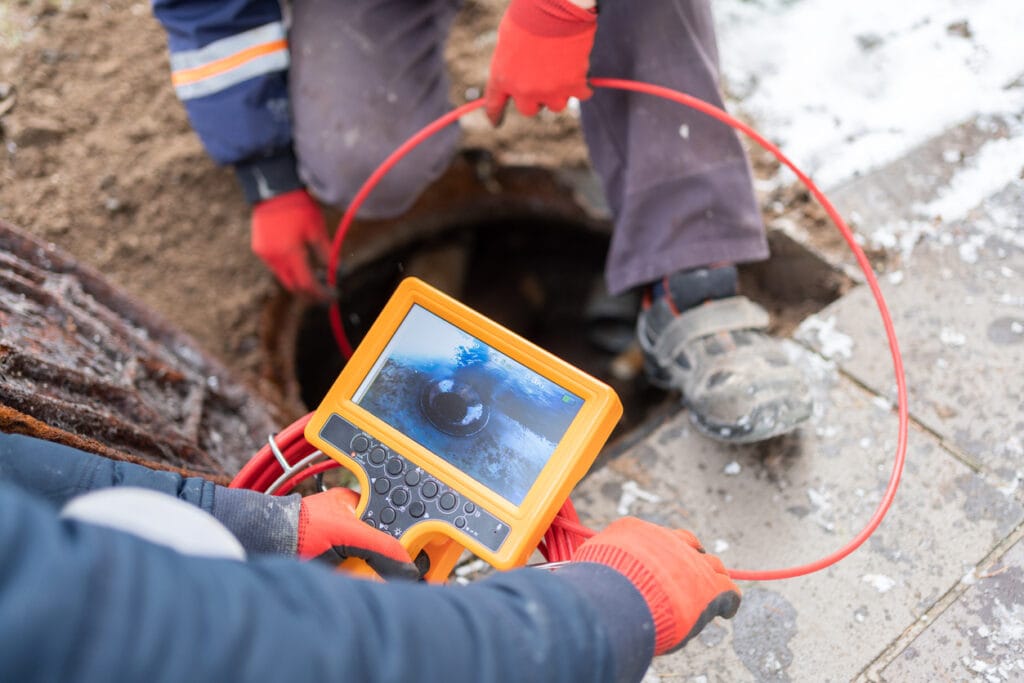
Licensed gas fitters use electronic gas detectors — highly sensitive instruments that can detect gas concentrations far below what the human nose can register — to scan pipework, fittings, appliance connections, and flexible connectors. They can also conduct pressure testing of the gas system by isolating sections and checking whether pressure holds. CCTV is not typically used for gas line inspection the way it is for drains, but pressure decay testing can identify exactly where in the system a leak is occurring, even when it is too small to smell.
Conclusion
A gas leak is not something to approach cautiously or investigate yourself. The health effects — from headaches and nausea through to carbon monoxide poisoning, unconsciousness, and the risk of explosion — are serious enough that the only appropriate response is evacuation first and professional intervention second. No repair, no financial consideration, and no inconvenience is worth risking the safety of your household.
At New Image Plumbing and Gas, we are fully licensed gas plumbers Melton, Bacchus Marsh, and the surrounding western suburbs. We respond to gas leak calls with urgency, use electronic gas detection equipment to find leaks precisely, and carry out all repairs in accordance with current Victorian gas safety regulations. We also offer routine gas safety inspections and appliance servicing to keep your home safe year-round.
If you smell gas, hear a hiss from your gas pipework, or simply want your gas system checked for peace of mind, call New Image Plumbing and Gas on 0489 246 667 or get in touch through our online form. We are available 24 hours a day, 7 days a week for gas emergencies, because when it comes to gas safety, there is no such thing as a convenient time to wait.