When a plumber Melton tells you a pipe is damaged, your next question is almost always: what’s this going to cost me? The answer depends largely on whether the pipe can be relined or whether it needs to be fully replaced. These are two very different jobs with very different price tags, timelines, and outcomes.
What Is Pipe Relining?
Pipe relining is a trenchless repair method. A resin-saturated liner is inserted into the damaged pipe and expanded to fit the interior. Once it cures, it forms a smooth, hard new pipe inside the old one. No digging. No excavation. The original pipe stays in the ground and the liner does the work from the inside.
What Is Pipe Replacement?
Traditional pipe replacement involves excavating around the damaged section, physically removing the old pipe, and laying new pipe in its place. Depending on where the pipe runs, this can mean breaking up driveways, removing garden beds, or cutting through concrete slabs.
When Is Relining the Better Option?
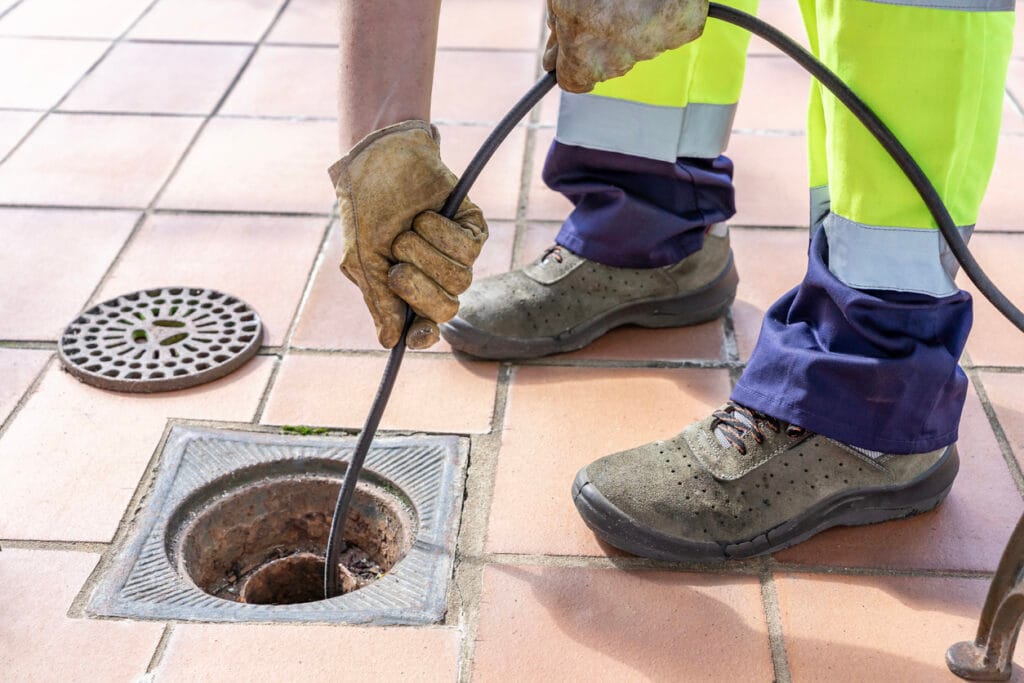
Pipe relining works well when the structural integrity of the pipe is still reasonable but there are cracks, root intrusions, or joint failures. If the pipe hasn’t collapsed or deformed beyond a certain point, relining is typically faster, less disruptive, and more cost-effective than replacement. It’s also the obvious choice when the pipe runs under a driveway or through a tiled floor where excavation would cause major additional damage.
When Does Replacement Make More Sense?
If a pipe has completely collapsed, is severely offset at the joints, or has deteriorated beyond what a liner can bond to, replacement is the only real option. The same applies when the pipe material itself has failed across a long section. Relining can’t fix what isn’t there to fix.
Cost Comparison
Relining is generally more expensive per metre of pipe than the pipe material itself. However, when you factor in the labour and restoration costs of excavation, relining often comes out cheaper overall. Breaking up and reinstating a driveway alone can add thousands of dollars to a replacement job.
Conclusion
A properly installed pipe liner is rated to last 50 years or more. That compares favourably with new PVC pipe, which carries a similar life expectancy. In most cases, a relined pipe won’t need to be touched again within the lifetime of the property.
If you’re dealing with damaged drains, the team at New Image Plumbing and Gas can assess whether pipe relining in West Melbourne is the right solution for your situation. Homeowners in Melton can call us at 0489 246 667 or submit our online form to get in touch for an honest assessment. We’ll tell you what the pipe actually needs, not just what’s easier to sell.
Frequently Asked Questions
Is pipe relining more expensive than full replacement?
The material cost per metre of relining is higher than new pipe. However, when you factor in excavation, reinstatement of driveways and gardens, and the labour involved in full replacement, relining often works out cheaper overall. The key savings come from avoiding the dig.
Does pipe relining work on bends and junctions?
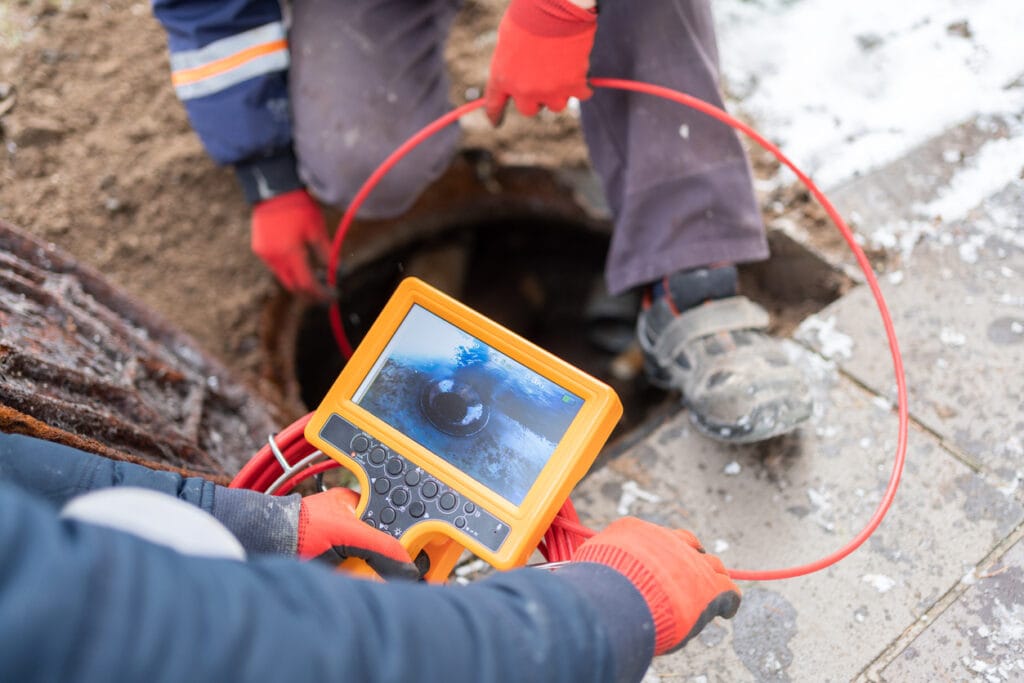
Yes. Modern relining systems can navigate bends within a pipe run and junction relining products are available to seal connection points. The pre-relining CCTV inspection confirms whether the geometry of your specific pipe run is suitable for the relining equipment.
How long does pipe relining take compared to replacement?
A relining job typically takes one to two days from start to finish, including the CCTV inspection, jetting, installation, and curing. Full pipe replacement involving excavation can take several days to a week, plus additional time for any surface reinstatement work.
Can I use my drains while waiting for pipe relining?
In most cases yes, if the pipe is still functional before relining begins. On the day of the relining procedure itself, the drains being relined will need to be out of use while the liner cures. Your plumber will advise you on the specific timeframe for your job.
What happens if the pipe is too damaged to reline?
If the CCTV inspection shows collapsed sections, severe joint offsets, or missing pipe wall material, relining may not be viable for those sections. Your plumber will advise on whether targeted excavation and replacement of those sections is required before or instead of relining.