A dripping tap is one of those problems that’s easy to live with for a while. It’s not urgent in the way a burst pipe is, and it’s tempting to put off dealing with it. But a dripping tap wastes a significant amount of water over time, the internal wear causing the drip will only get worse, and in Victoria, the repair is legally required to be done by a licensed plumber Melton. Here’s exactly what’s causing it, what the fix involves, and what to expect when a plumber comes out.
Why Do Taps Drip?
All taps work on the same fundamental principle: a sealing component is pressed against a valve seat to stop the flow of water when the tap is turned off. When that sealing component wears out, it can no longer form a complete, watertight seal, and water continues to pass through even with the tap fully closed. The specific component that fails depends on the type of tap you have.
- Traditional washer taps: Use a rubber washer pressed against a brass valve seat to stop the flow.
- Ceramic disc mixer taps: Use a ceramic disc cartridge that rotates to open and close the water path.
- Ball valve taps: Use a rotating ball with a hole through it to control flow; less common in Australian homes but found in some imported fixtures.
- Compression taps: Work by compressing a washer down onto a seat each time the tap is closed; these are the most common type in older Australian homes.
Identifying your tap type matters because the repair method and parts required differ significantly between them. A plumber will identify the tap type on arrival and know which components need to be sourced.
Worn Washer (Traditional Compression Taps)
The worn washer is the most classic cause of a dripping tap and the one most people are familiar with. It’s most common in older-style compression taps, which are still found throughout older homes in Melton and Bacchus Marsh.
- How it works: Each time the tap is turned off, the rubber washer is pressed firmly against the brass valve seat. Over thousands of cycles, this compression gradually wears the rubber down. Eventually the washer can no longer form a complete seal, and water drips through even when the tap is closed.
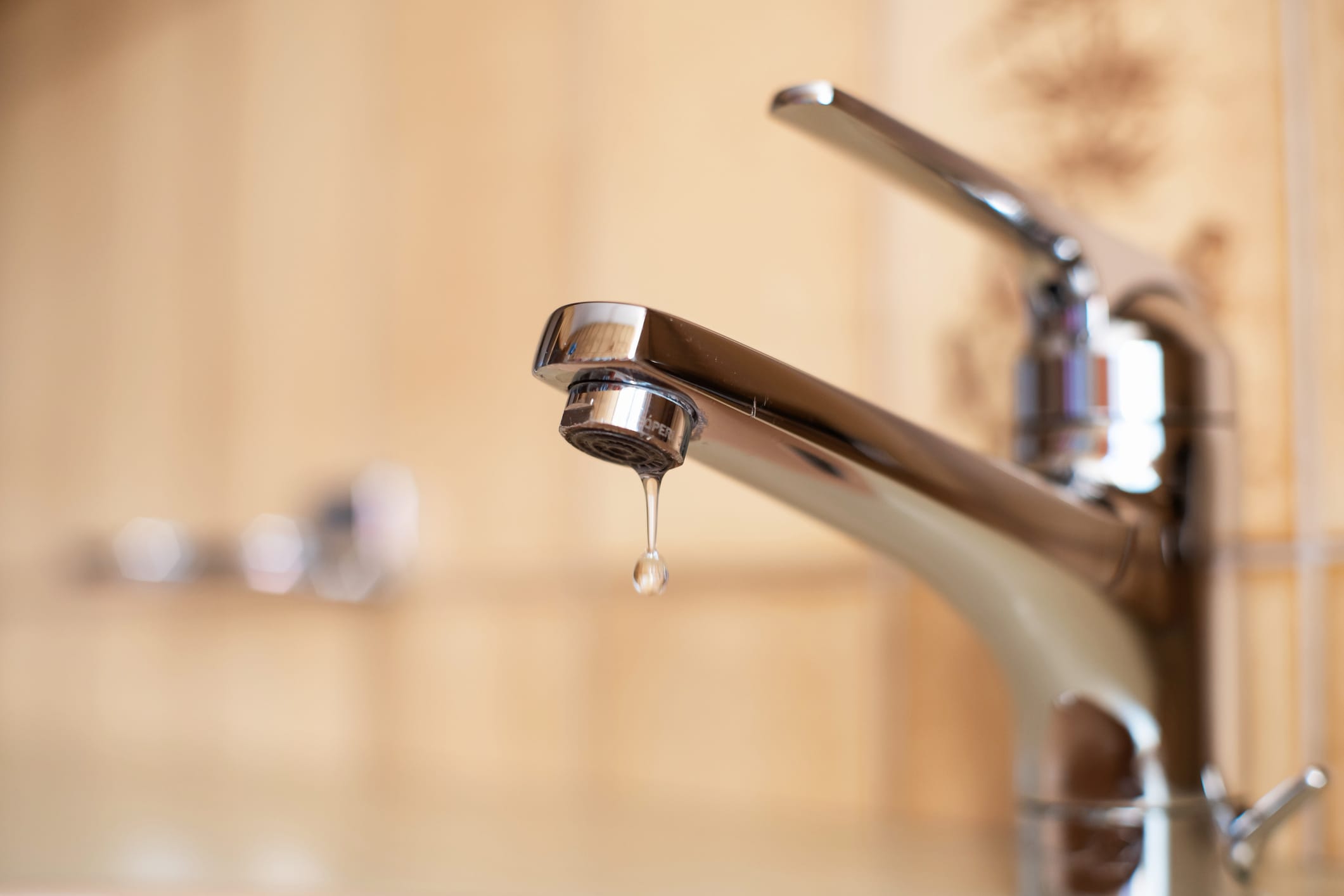
- Where the drip appears: A worn washer causes the drip from the tip of the spout. If you see water coming from the end of the tap when it’s turned off, a worn washer is the most likely cause.
- The valve seat: The brass seat that the washer presses against can also become damaged or scored over time, particularly if a worn washer has been left too long. A damaged seat means a new washer won’t seal properly either. A plumber will resurface the seat or replace the tap if the seat is beyond resurfacing.
- The fix: The tap is isolated by turning off the water at the isolation valve under the sink or at the meter. The tap body is disassembled, the old washer removed and replaced, the seat inspected and resurfaced if needed, and the tap reassembled. A standard washer replacement on an accessible tap is usually completed quickly.
- Parts availability: Washers are inexpensive and widely available. The cost of a washer repair is mainly labour. If the tap body is very old and the thread is damaged, replacement of the whole tap may be recommended.
Failed Ceramic Disc Cartridge (Modern Mixer Taps)
Modern mixer taps use a ceramic disc cartridge instead of a rubber washer. Two ceramic discs sit against each other inside the cartridge; rotating the tap handle moves the discs to align or block the water ports. Ceramic is significantly harder and more durable than rubber, which is why mixer taps can last longer between repairs, but the cartridges do eventually fail.
- What causes cartridge failure: Grit or particles in the water supply can scratch the ceramic disc surfaces, breaking down the seal over time. Extended heavy use eventually wears the discs themselves. In areas with higher mineral content in the water supply, scale can build up around the cartridge, affecting how the discs align.
- Where the drip appears: A failed ceramic cartridge typically causes a drip from the spout when the tap is in the off position, similar to a worn washer. It can also cause the tap to feel stiff or difficult to operate as the cartridge degrades.
- Brand and model matching: This is the key difference from a washer replacement. Ceramic cartridges are not universal. Each tap brand and model uses a specific cartridge, and fitting the wrong one will not seal correctly. A plumber needs to identify the tap brand and model before sourcing the correct replacement. Obscure brands or older discontinued models can sometimes make cartridge sourcing difficult.
- Cartridge replacement: The process involves isolating the water, removing the tap handle and relevant components to access the cartridge, removing the failed cartridge as a unit, and fitting the correct replacement. It’s a cleaner repair than a washer job in many respects, but sourcing the right part is the critical step.
- When to consider full tap replacement: If the correct cartridge is no longer available, the tap itself may need to be replaced. This is also a good point to consider whether the existing tapware style meets your current needs or whether an upgrade makes sense while the plumber is already on site.
Failed O-Rings
O-rings are rubber seals used throughout tap internals to prevent water from leaking around the body of the tap rather than through the spout. They are used in multiple locations within the tap assembly and fail through a different mechanism to washers and cartridges.
- Where o-rings fail: The most common failure points are around the cartridge body, around the stem of the tap spindle, and around the spout connection to the body of the tap. Over time, rubber o-rings dry out, harden, and crack, losing their ability to seal.
- Identifying an o-ring failure: Unlike a spout drip caused by a worn washer or cartridge, an o-ring failure tends to show as water weeping from around the base of the spout, from around the handle or body of the tap, or from underneath the tap when it’s in use. If water is appearing at the base of the spout rather than dripping from the tip, an o-ring is the more likely culprit.
- The repair: O-ring replacement requires the tap to be partially or fully disassembled to reach the relevant seal. Depending on the tap design, this may mean removing the spout from the deck or wall mount to access the o-rings on the spout tail. The process is more involved than it looks from the outside and requires the right tools and a methodical approach to avoid damaging tap components.
- Multiple failures at once: When a tap is disassembled for an o-ring repair, a plumber will typically inspect the washer or cartridge at the same time. If both the o-ring and the washer are showing wear, replacing both during the same visit avoids a repeat call-out for the second component shortly after.
High Water Pressure Causing Dripping
An often-overlooked cause of a dripping tap is excessively high mains water pressure. In Melton and parts of Bacchus Marsh, mains water pressure can exceed the recommended operating range for residential tap fittings.
- How pressure causes dripping: When mains pressure is too high, it can force water past a washer or cartridge that is otherwise in reasonable condition. The tap drips not because the internal component has fully failed, but because the pressure is overcoming the seal.
- Pressure reducing valve (PRV): A pressure reducing valve installed on the mains water inlet to the property reduces the pressure to a safe operating range before it reaches the taps and appliances. Australian standards recommend a maximum of 500 kPa at the point of use; many homes operate comfortably between 300 and 400 kPa.
- Signs of high pressure beyond dripping: Noisy pipes when taps are opened or closed (water hammer), taps that spray rather than flow smoothly, and reduced lifespan of washing machine hoses and tap components are all indicators that mains pressure may be too high.
- What a plumber checks: If a plumber suspects high pressure is contributing to tap dripping, they will check the mains pressure with a pressure gauge and recommend a PRV installation if pressure is above the recommended range. Replacing the tap washer without addressing high pressure often results in the washer failing again prematurely.
Can You Fix a Dripping Tap Yourself in Victoria?
This is one of the most common questions plumbers get asked about dripping taps. The answer in Victoria is clear: plumbing work, including tap washer replacement and cartridge changes, must be carried out by a licensed plumber Bacchus Marsh under the Plumbing Industry Commission (PIC) regulations. This applies regardless of how simple the job looks.
- The legal position: The Plumbing and Drainage Act 2014 (Vic) defines plumbing work broadly. Washer replacement and tap cartridge replacement fall within the definition of plumbing work. Unlicensed plumbing work is an offence.
- Warranty implications: Attempting tap repairs yourself can void the tap manufacturer’s warranty. If a self-repair causes damage, the manufacturer has grounds to reject any warranty claim.
- Insurance implications: If a self-repair fails and causes water damage to the property, your home insurer may decline the claim on the basis that unlicensed work caused the damage. The cost of replacing damaged cabinetry, flooring, or ceilings typically far exceeds the cost of the original plumber call-out.
- What a plumber does beyond the basic repair: A licensed plumber doesn’t just replace the failing component. They check the valve seat condition, inspect the isolation valve under the sink, check the flexi hose for signs of swelling or corrosion, assess the water pressure, and check the surrounding cabinetry for signs of existing moisture damage. This broader inspection catches problems before they become expensive.
Conclusion
A dripping tap is one of those problems that seems small until it isn’t. The water waste adds up, the internal wear progresses, and what should be a quick washer or cartridge replacement can turn into a full tap replacement if the valve seat gets damaged in the meantime. In Victoria, the repair legally needs to go through a licensed plumber anyway, so there’s no reason to put it off. Getting it done properly the first time protects your tap, your cabinetry, and your water bill.
New Image Plumbing and Gas covers Melton, Bacchus Marsh, and the surrounding western suburbs. If you’ve got a tap that won’t stop dripping, call us at 0489 246 667 or get in touch through the online form. We’ll identify exactly what’s failing, fix it properly, and check the rest of the tapware while we’re there so you’re not back to square one in a few months.
Frequently Asked Questions
How much water does a dripping tap actually waste?
A tap dripping at one drop per second wastes approximately 10,000 litres of water per year. A faster drip or multiple dripping taps compounds this significantly. Beyond the water bill impact, constant moisture around the tap base and under the sink can damage cabinetry, sealants, and the cabinet structure over time. What looks like a minor annoyance has a real cost attached to it.
Why does my tap drip only sometimes and not all the time?
Intermittent dripping typically indicates that the washer or cartridge is partially worn rather than fully failed. The seal is degraded enough that it can’t hold under certain conditions, but it occasionally manages to seat properly. Temperature is a factor: rubber washers expand and contract slightly with temperature changes, which is why some taps drip more at night when temperatures drop, or more noticeably after hot water has been run through the line. The component still needs replacing regardless of whether the dripping is constant or occasional.
My tap drips from the base of the spout, not the tip. Does that change what’s wrong with it?
Yes, it does. A drip from the tip of the spout when the tap is off almost always points to a worn washer or failed cartridge inside the tap body. A leak from around the base of the spout, from around the handle, or from the body of the tap when it’s in use typically points to a failed o-ring rather than the washer or cartridge. Both are repairable, but they involve different components and different parts of the tap assembly. A plumber will inspect both areas when they assess the tap.
How do I know if my tap needs repair or full replacement?
In most cases, an internal repair is the right call and is more cost-effective than a full replacement. Replacement becomes the better option if the tap body itself is cracked or physically damaged, the thread or stem is so corroded it can’t be reassembled reliably, the correct cartridge or washer for that model is no longer available, or the tap is so old that the cost of repairs is approaching the cost of a new fitting. A plumber will advise on this after inspecting the tap. In some situations, a replacement is also a good opportunity to upgrade tapware to a more water-efficient rating, which reduces running costs.