Moving into a new home is exciting, but it comes with a long list of things to understand about the property before you start renovating, landscaping, or even hanging something heavy on a wall. One of the most important and most overlooked pieces of knowledge is knowing where your water lines run.
Locating water lines underground and inside your walls is not just useful for plumbers in Melton and Bacchus Marsh. It is essential knowledge for any homeowner who wants to avoid drilling into a pipe, accidentally damaging a supply line during a garden project, or spending weeks chasing an unexplained water leak. Whether you have just bought a home or you have lived in your property for years and never thought about it, this guide walks you through every practical method for pipe location, from simple DIY checks to professional detection services.
Why Locating Water Lines Is So Important
Your water lines are the veins of your home. They carry fresh water to every tap, toilet, shower, and appliance, and they carry wastewater safely away. When you do not know where they run, even minor projects carry real risk.
- Avoiding accidental damage: Drilling into a pressurised water line can cause immediate flooding inside a wall cavity or under a concrete slab. Repairs for this kind of damage in Melton and Bacchus Marsh homes can run into thousands of dollars, particularly when the pipe is under a tiled floor or behind finished walls.
- Faster leak identification: When you know roughly where your supply lines run, spotting damp patches, soft soil in the garden, or unexplained drops in water pressure becomes much easier to diagnose and point your plumber towards the right area.
- Smoother renovations: Bathroom and kitchen renovations, garden landscaping, fence installations, and driveway work all carry the risk of disturbing underground pipes. Knowing your pipe layout before starting any of these projects keeps the job running on schedule and avoids costly emergency callouts.
- Compliance with building regulations: In Victoria, any work that involves excavating near existing services — including water pipes — requires you to confirm pipe locations first. This applies to both licensed trades and owner-builders.
- Protecting property value: Undetected pipe damage underneath a slab or inside a wall can cause long-term structural issues including subsidence, mould, and rot. Finding your pipes and maintaining them proactively protects the long-term condition of your home.
Method 1: Check the Building Plans
The most reliable starting point for locating water lines in any home is the original building documentation. Most homes in Melton, Bacchus Marsh, and surrounding western Melbourne suburbs were built with approved council plans that include plumbing layouts.
- Where to find them: Ask your builder or developer if you are in a newer estate. If you bought an established property, contact Moorabool Shire Council (for Bacchus Marsh) or Melton City Council (for Melton) to request copies of approved plans. Some plans are held by the original certifier rather than the council.
- What the plans show: Approved plumbing plans typically mark the entry and exit points of water supply lines, the position of sewer and stormwater drains, connection points to the water main, and the general routing of internal pipes through walls and under slabs.
- Limitations: Plans may not reflect changes made during construction or subsequent renovations. Always treat plans as a guide rather than a definitive map, particularly in older properties that have been altered over time.
Method 2: Read the Visual Clues Inside the House
Even without plans, your home itself provides clear hints about where water lines are running. Pipes are not placed randomly — they follow logical routes between fixtures and connection points. Learning to read these clues saves time and helps you map the system without any special equipment.
- Follow your fixtures: Water supply pipes run to every tap, toilet cistern, shower, dishwasher, washing machine, and hot water system in your home. In most cases, pipes take the most direct route between the supply entry point and each fixture. Tracing a straight line between fixtures gives you a reasonable idea of where pipes likely travel through walls or under floors.
- Access panels and boxed sections: Many bathrooms, laundries, and kitchens have small access panels built into walls or cabinetry. These are placed deliberately to allow access to shut-off valves or pipe connections. Where there is an access panel, there is almost certainly a pipe nearby.
- Hot water system location: Your hot water unit is directly connected to both the cold water supply main and the hot water distribution lines running to each fixture. In Melton and Bacchus Marsh homes, hot water systems are typically positioned in a side passage, garage, or outdoor utility area, and the pipe routes from here are often traceable through the wall cavity above.
- Wall chases and bulkheads: Tiled bulkheads, raised floors, or boxed sections in kitchens and bathrooms almost always conceal pipes. Where builders have gone to the trouble of boxing something in, it is worth investigating what runs behind it.
Method 3: Inspect the Outside of the Property
The exterior of your property is often just as informative as the interior when it comes to pipe location. Several visible features at ground level and along the property boundary directly indicate where underground lines run.
- The water meter: In Melton and Bacchus Marsh, water meters are generally located near the front property boundary, usually close to the footpath. The supply line from the meter runs directly into the house — typically in a straight line toward the laundry, bathroom, or hot water system. Finding the meter gives you a strong starting point for tracing the main supply line underground.
- Outdoor taps: Garden taps are connected to the cold water supply line and their positioning can indicate where the main supply pipe branches off inside the wall. If you have an outdoor tap on the side of your house, a supply pipe is running behind that wall at roughly tap height.
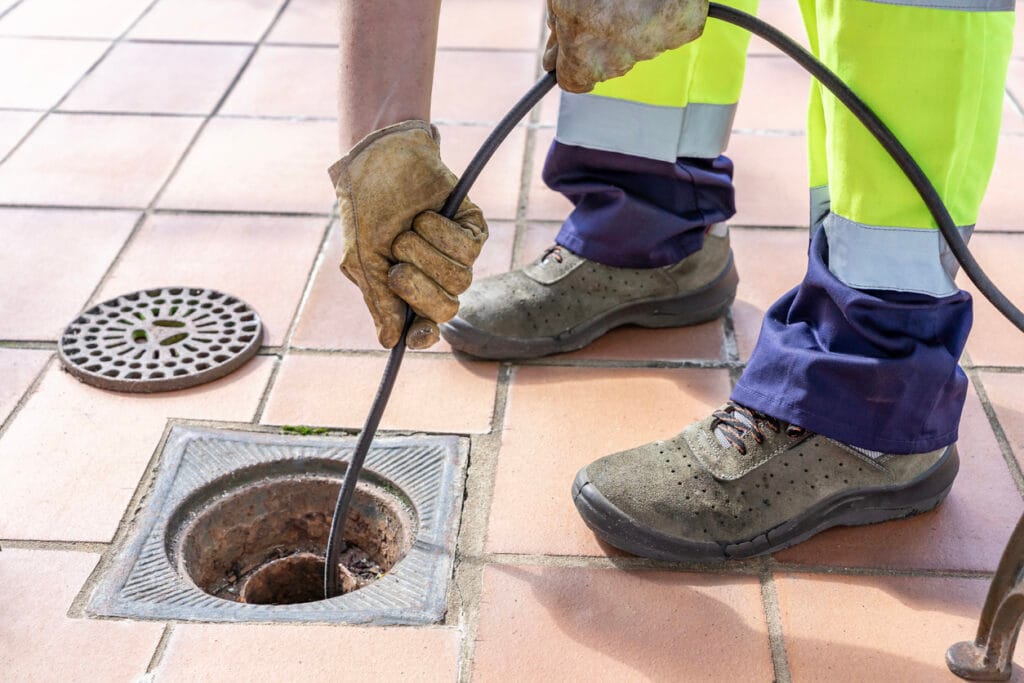
- Sewer inspection openings: Square or rectangular metal or plastic covers set into the ground mark sewer inspection points. These are legally required at regular intervals along the sewer line and at direction changes. Locating these points gives you the path of your sewer drain underground, which in most properties runs parallel to or close to the main stormwater drain.
- Downpipes and stormwater drains: Stormwater drains connect to the downpipes from your gutters and run underground to the street or a detention system. Their position helps you understand one part of the underground drainage network and avoid confusing stormwater lines with water supply pipes when digging.
Method 4: Use a Pipe Locator Tool
When visual clues and plans are not enough, pipe locator tools can help you detect pipes beneath walls, floors, and soil without breaking anything open. These devices are available for DIY use and are also used in far more sophisticated forms by professional plumbers.
- Metal pipe detectors: These work similarly to a stud finder and detect ferrous (iron or steel) pipes through walls and floors. They are effective for older homes with metal pipework but will not reliably detect plastic pipes, which are used in most homes built in Melton and Bacchus Marsh from the 1990s onward.
- Electromagnetic pipe locators: More advanced units transmit a signal through the pipe (using a clamp attached to a metal section or a signal injected through the water) and detect the return signal above ground. These are far more accurate and can locate both metallic and non-metallic pipes underground.
- Ground penetrating radar (GPR): GPR is a professional-grade technology used for deep underground detection. It sends radar pulses into the ground and maps what is below the surface, including pipes, cables, and voids. This is the most accurate method for locating water lines underground but requires trained operators and specialist equipment.
- DIY limitations: Consumer-grade pipe locators available from hardware stores are useful for basic checks but they lack the sensitivity and accuracy of professional tools. They work best in simple situations — locating a single pipe behind a single layer of plasterboard, for example — and are not reliable for underground detection or for complex multi-layer wall constructions.
Method 5: Listen and Feel for Water Flow
This is a low-tech technique that can provide useful supporting information when combined with other methods. It is particularly helpful for narrowing down which wall or floor section a pipe is running through before you commit to opening anything up.
- Turn taps on and listen: With the house quiet, turn on a tap and press your ear against the wall in areas where you suspect pipes run. The sound of flowing water is often audible through plasterboard and timber framing, particularly in older construction where insulation is limited.
- Feel for vibration: Place your palm flat against the wall surface and have someone turn a tap on and off. The vibration from a flowing pipe can sometimes be felt through the wall, particularly if the pipe is copper or runs close to the surface.
- Check for temperature differences: Hot water pipes in operation will slightly warm the wall surface above them. In cooler weather, pressing your hand against the wall above a suspected hot water line after someone has used hot water can sometimes reveal its location.
- Use this as a supplement, not a primary method: Acoustic detection is not reliable enough to use on its own for anything beyond a rough indication. Use it alongside visual inspection and, where needed, professional pipe location services to confirm what you find.
Method 6: Book a Professional Pipe Location Service
When you need a definitive answer — for a renovation, a persistent leak, or before any digging — a professional pipe location service is the most reliable option. Licensed plumbers use a combination of electronic locating equipment and CCTV drain cameras to give you an accurate picture of your entire plumbing network.
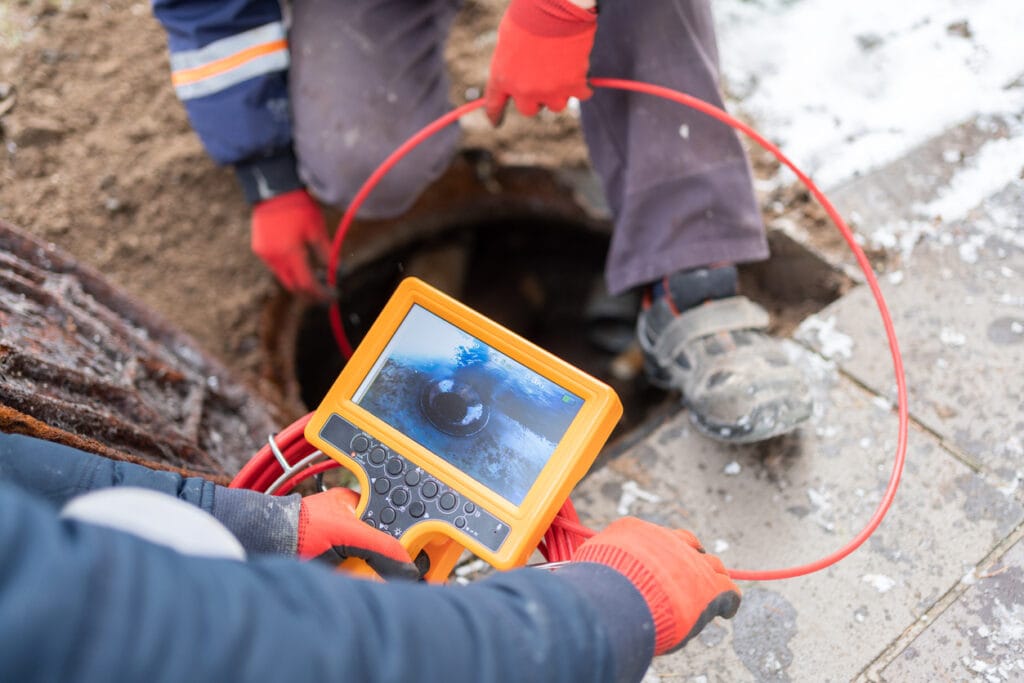
- CCTV drain inspection: A small waterproof camera is fed through the drain or pipe while transmitting live video. This confirms the exact location, depth, and condition of your underground pipes. It will also reveal any blockages, cracks, or root intrusion that may not yet be causing symptoms.
- Electronic pipe tracing: A signal is transmitted through the pipe and detected above ground using a handheld receiver. The plumber marks the pipe’s path on the ground surface so you know exactly where it runs before excavation begins.
- Full plumbing report: Many licensed plumbers who provide pipe location services will produce a written report marking the location of water supply lines, sewer lines, and stormwater drains on a simple site plan. This document is invaluable for future renovations and can be kept with your property records.
- When to book this service: Call a professional for pipe location before any digging, trenching, fence post installation, or slab cutting. Also book this service if you are experiencing recurring low water pressure, unexplained damp patches, soil subsidence, or a water bill that has spiked without a clear reason.
What Are the Most Common Challenges When Locating Water Lines?
Even in relatively new homes, pipe location is not always straightforward. Several factors can make it harder to get an accurate picture of where your water lines run.
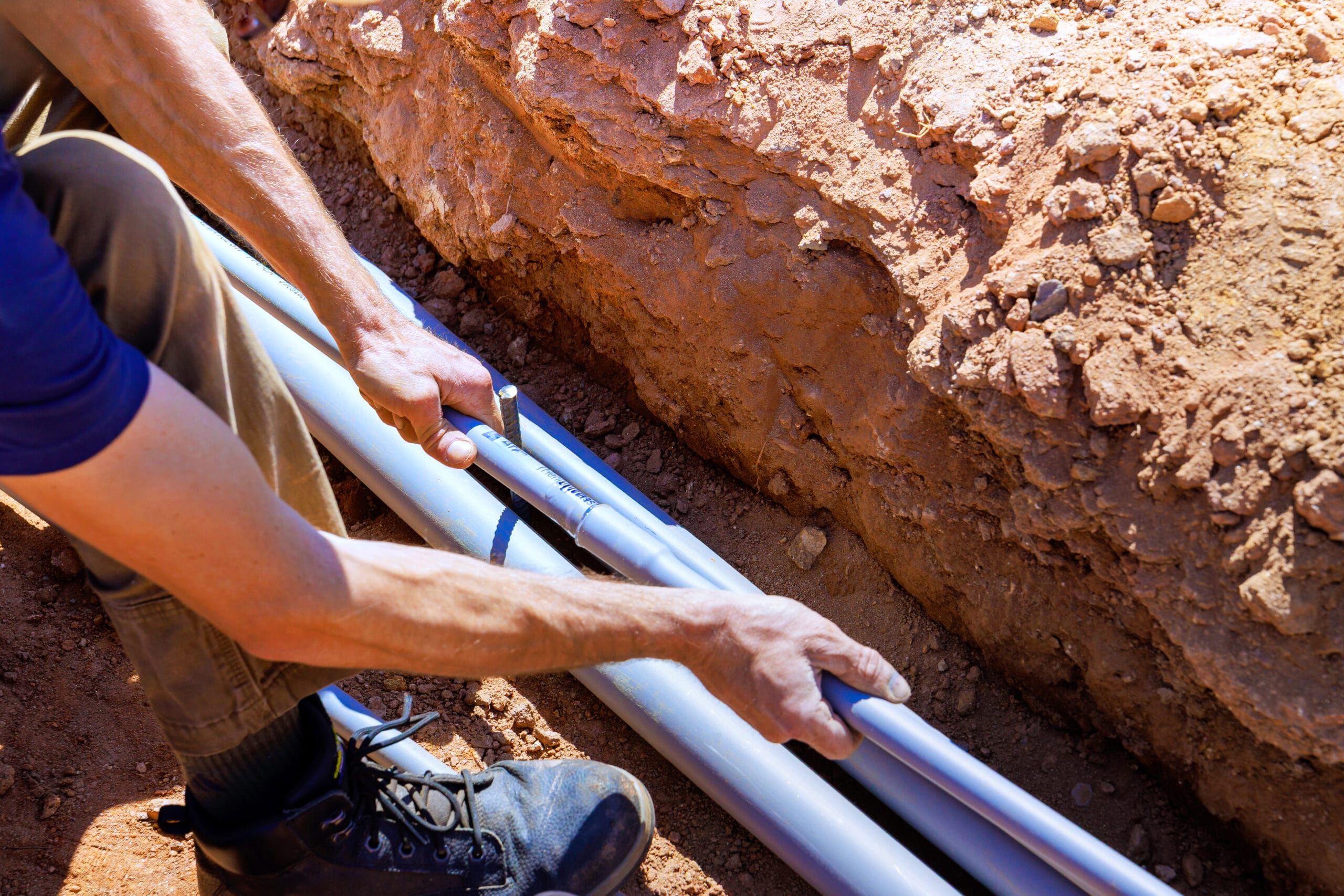
- Pipes in concrete slabs: Many homes in Melton and Bacchus Marsh estates are built on concrete slabs, with both water supply and drainage pipes running beneath the slab. These are completely invisible from the surface and can only be reliably located using professional electronic detection or GPR.
- Post-construction alterations: If a previous owner has added a bathroom, extended the kitchen, or installed additional outdoor plumbing, the original plans will not reflect these changes. New lines may have been added in unexpected locations.
- Mixed pipe materials: Older sections of some Bacchus Marsh properties may use copper or galvanised steel pipe from the original construction, while later additions use polyethylene (poly) or PVC. Metal-detecting tools will only find the metal sections, leaving the plastic runs undetected.
- Shared infrastructure: Townhouses and duplexes in newer Melton estates often share sewer and stormwater infrastructure between properties. The shared pipe may run across a section of your land that you did not expect, and any excavation in that area requires extra caution.
What Not to Do When Searching for Water Lines
Understanding what to avoid is just as important as knowing the right methods. These are the most common mistakes homeowners make when attempting to locate pipes themselves.
- Do not dig blindly: Digging without first locating underground services is dangerous and potentially illegal. Water pipes, sewer lines, gas pipes, and electrical cables can all run underground in the same area. Always confirm locations before any excavation, no matter how shallow.
- Do not drill through walls without checking: Even a small drill bit through a plasterboard wall can pierce a plastic water line or pierce insulation around a pipe, causing a slow leak inside the wall cavity that may not show itself for months.
- Do not rely on assumptions: Just because a pipe appears to run in one direction based on the fixture position does not mean it actually does. Builders sometimes route pipes at angles or through unexpected paths to avoid structural elements or previous modifications.
- Do not skip the Dial Before You Dig check: In Australia, the free Dial Before You Dig service (1100) provides information about underground utility locations registered with local authorities and utility providers. This is an essential first step before any excavation on your property.
Frequently Asked Questions
Can I locate water pipes myself without any equipment?
You can narrow down the likely location of pipes using building plans, visual clues, and the listening method described above. However, for anything beyond a general idea — particularly underground pipes or pipes inside concrete slabs — you will need specialist equipment or a professional service to get an accurate result.
How deep are water supply pipes buried underground?
Water supply pipes in residential properties are typically buried between 300 and 600 millimetres below the surface, though this varies depending on when the home was built and local soil conditions. Pipes under driveways and vehicle crossings are usually buried deeper to protect them from load. Sewer pipes are generally buried deeper still, often between 600 millimetres and 1.5 metres depending on the fall required.
What is the Dial Before You Dig service and do I have to use it?
Dial Before You Dig (1100) is a free national service in Australia that provides information about the location of registered underground utilities including water mains, gas lines, electrical cables, and telecommunications infrastructure. While using the service is not legally mandatory for all private property work, it is strongly recommended and in some cases required by council or contractor conditions. It is free to use and can prevent serious accidents.
How much does a professional pipe location service cost?
The cost of a professional pipe location service in the Melton and Bacchus Marsh area varies depending on the scope of work. A basic pipe location for a single line before a fence or garden project is typically a straightforward callout. A full CCTV drain inspection with a site report covering multiple lines will cost more. Contact New Image Plumbing for a free quote specific to your property and what you need to locate.
What happens if a contractor damages a water pipe on my property?
If a licensed contractor damages a water pipe while working on your property, the repair costs are generally the contractor’s responsibility, provided you had not withheld information about known pipe locations. This is why professional pipe location before any excavation protects both parties. For private DIY damage on your own property, the repair cost falls to you as the homeowner. South East Water and other local providers may charge separately for any damage to the supply main on the street side of the water meter.
Conclusion
Knowing where your water lines run is one of the most practical things a homeowner can do, and it becomes especially important before renovations, landscaping, or any work that involves digging or drilling. The DIY methods in this guide are a strong starting point, but for accurate, reliable results, particularly for underground lines and in-slab pipes — there is no substitute for professional equipment and a licensed plumber Bacchus Marsh or Melton who knows what to look for.
At New Image Plumbing and Gas, we provide pipe location services. We use electronic locating equipment and CCTV drain cameras to give you a clear picture of your plumbing layout before you start any project. No guesswork, no costly mistakes, just accurate information so you can move forward with confidence.
Call us on 0489 246 667 or get in touch via our online form for a free quote. We offer same-day service for urgent situations.