If your shower is running too hot, your taps are barely warm, or your water temperature seems unpredictable from one day to the next, there is a good chance the issue is sitting right next to your hot water unit. The tempering valve is one of the most important and most overlooked components in any hot water system in Melton and Bacchus Marsh. It is a small device that does a critical job every single day, and when it is even slightly out of adjustment, the whole household feels it.
This guide explains what a tempering valve actually does, how hot water tempering valve adjustment works in practice, what tools and process are involved, and what Australian regulations say about who is legally permitted to carry out this work. If you are in West Melbourne and your hot water temperature is off, this is the information you need before picking up the phone.
What Is a Tempering Valve and Why Does It Matter?
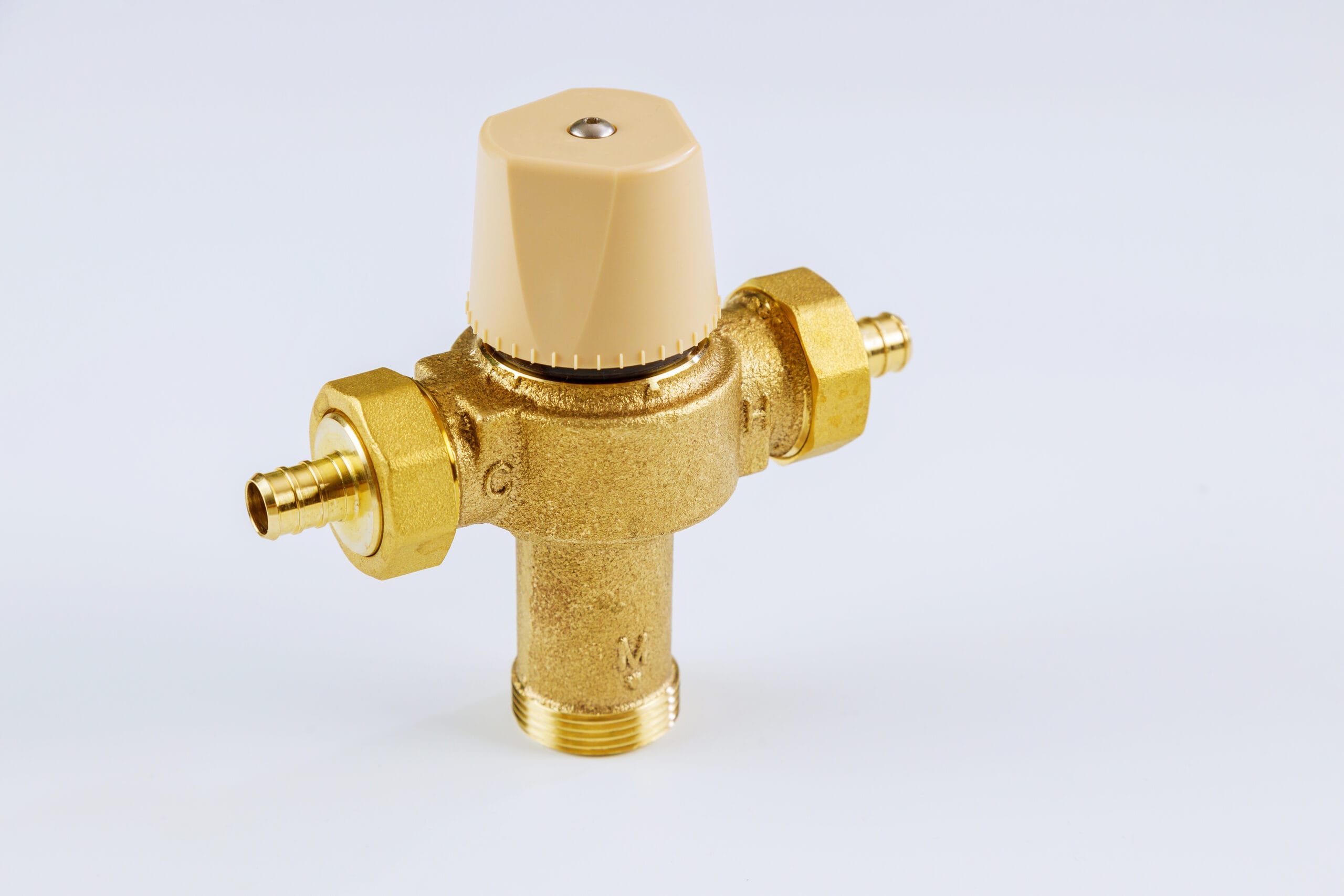
A tempering valve (also called a hot water mixing valve or anti-scald valve) is a thermostatic device installed on the outlet pipework of your hot water system. Its job is to blend hot water from the storage tank with cold water from the mains supply, delivering a consistent, safe temperature to your taps, showers, and basins.
Here is why that matters. Your hot water tank needs to store water at a minimum of 60°C to prevent the growth of Legionella bacteria, a serious waterborne health risk. But water at 60°C can cause a serious burn in under five seconds. The tempering valve solves both problems at once: the tank stays hot enough to kill bacteria, while the water at your tap is delivered at a safe, regulated temperature.
What Temperature Should a Tempering Valve Be Set To?
Under Australian Standard AS/NZS 3500.4 and the Plumbing Code of Australia, the maximum delivery temperature at bathroom outlets (taps, showers, basins) is 50°C. In practice, most licensed plumbers Melton set tempering valves between 45°C and 50°C, with 50°C being the legal ceiling.
- Hot water storage tank: minimum 60°C (to prevent Legionella)
- Hot water outlet at bathroom taps: maximum 50°C
- Adjustment range on most valves: 35°C to 50°C
- Tolerance: most tempering valves are accurate to within ±3°C
- For aged care, early childhood centres, and disability accommodation: the legal maximum is 45°C, and a thermostatic mixing valve (TMV) is required instead of a standard tempering valve
Is a Tempering Valve Required by Law in Victoria?
Yes. In Victoria, tempering valves are mandatory under the Plumbing Code of Australia for most new and replacement hot water system installations. If your hot water system was professionally installed or replaced after approximately 2013, it almost certainly has a tempering valve already fitted. If you are unsure, a licensed plumber can inspect your system and confirm compliance.
- Required for: storage hot water systems (gas, electric, solar, heat pump) in residential properties
- Exemptions may apply to: some continuous flow (instantaneous) systems that are factory-preset to deliver water at 50°C or below
- Installation and adjustment: must be carried out by a licensed plumber under Victorian regulations
Signs Your Tempering Valve Needs Adjusting
Tempering valves do not last forever and they do not always fail dramatically. Often, adjustment is needed gradually over time as the internal thermostatic element wears, mineral deposits build up, or the system conditions change. Knowing what to look for means you can call a plumber before the problem gets worse.
Water Running Too Hot
If your tap or shower is delivering water that feels uncomfortably hot or close to scalding, the tempering valve is not blending enough cold water into the mix. This is the most urgent sign because water above 55°C can cause a serious burn in under 15 seconds. Do not ignore it.
- Water that feels noticeably hotter than it used to
- Shower temperature that fluctuates wildly between uses
- Tap water that needs significant cold water added before it is comfortable
- Any outlet delivering water clearly above 50°C (you can test this with a simple kitchen thermometer)
Water Running Too Cold or Lukewarm
If your hot water is consistently underwhelming despite the tank working properly, the valve may be allowing too much cold water into the blend, or the internal element may be failing. This is a frustrating but also a compliance issue, because a valve delivering below 40°C may indicate a fault.
- Showers that never get hot enough regardless of how far you turn the tap
- Hot water that runs out faster than it used to
- Lukewarm water even when the hot water system is full and working
- No hot water at some outlets while others run fine
Inconsistent or Fluctuating Temperature
A healthy tempering valve delivers water at a consistent temperature every time. If the temperature is unpredictable, the internal thermostatic element is likely worn and struggling to maintain a stable blend. This is a strong indicator that adjustment alone may not be enough and the valve may need replacing.
- Temperature that swings significantly during a single shower
- Hot water that starts warm then goes lukewarm without explanation
- Different temperatures at different outlets fed by the same system
- Unusual noises from the valve area during water use
The Valve Is Over Five Years Old
The average lifespan of a tempering valve under normal residential use is approximately five years. In areas with harder water, such as parts of the Melton growth corridor where mineral content can be higher, wear can occur sooner. Even if the valve appears to be working, a valve approaching or past this age should be inspected and tested by a licensed plumber as part of routine hot water system maintenance.
The Process of Hot Water Tempering Valve Adjustment
This section explains how a hot water tempering valve adjustment is actually carried out. Understanding the process helps you know what to expect when a plumber attends your property and why each step is necessary.
Step 1: Isolate the Hot Water System
Before anything is touched, the plumber will isolate the hot water system safely. For a gas system, the gas supply is shut off. For an electric system, the power is isolated at the circuit breaker. The cold water inlet valve feeding the hot water unit is also closed. This removes pressure from the system and creates a safe working environment.
- Gas systems: gas supply valve closed at the meter or service line
- Electric systems: circuit breaker switched off at the switchboard
- Cold water: isolation valve on the inlet pipe turned off
- The area around the valve is inspected for corrosion, leaks, or damage before proceeding
Step 2: Locate and Access the Tempering Valve
The tempering valve is located on the outlet pipework of your hot water system, usually just above or beside the unit itself. It sits between the hot water tank outlet and the pipework that runs to your bathroom fixtures. The valve is identifiable by its colour-coded protective cap:
- Red or grey cap: standard gas or electric hot water systems
- Orange cap: solar or heat pump systems, where water temperatures can reach higher levels
- Black cap: low-pressure gravity-feed or large-capacity systems
The protective cap is removed carefully to expose the internal adjustment mechanism underneath.
Step 3: Use the Tempering Valve Adjustment Tool
Most tempering valves have an internal adjustment spindle or screw that controls the blend ratio between hot and cold water. This is what gets turned during a tempering valve adjustment. The specific tempering valve adjustment tool required depends on the brand and model of the valve. Common options include:
- A flat-blade screwdriver for older or simpler valves with a slotted screw adjustment
- A hex key (Allen key) in specific sizes for valves with a recessed hex spindle, typically 3mm, 4mm, or 5mm depending on the brand
- A proprietary adjustment tool for branded valves such as Reliance, Honeywell, or Watts, which use a keyed or splined spindle unique to that manufacturer
- A calibrated digital thermometer, which is not used on the valve itself but is essential for verifying the outlet temperature after adjustment
The adjustment is made in small increments. Turning the spindle clockwise typically reduces the outlet temperature by allowing more cold water into the blend. Turning it anticlockwise raises the temperature. Even a small turn of a quarter or half a revolution can move the delivery temperature by several degrees, which is why careful, incremental adjustments followed by testing are essential.
Step 4: Restore Water Flow and Test the Outlet Temperature
Once the initial adjustment is made, the isolation valve is slowly reopened and the hot water system is restored. The plumber then runs the hot tap at the closest outlet to the hot water unit for a minimum of 60 seconds to flush the line and allow the tempering valve to stabilise.
- The outlet must be running at a minimum flow rate of 4 litres per minute for the tempering valve to operate correctly
- A calibrated digital thermometer is placed in the water stream at the outlet to measure the actual delivery temperature
- The legal delivery range is 40°C to 50°C at bathroom outlets
- The measurement must not exceed 50°C at any personal hygiene outlet under the Plumbing Code of Australia
- If the temperature is outside the acceptable range, further incremental adjustments are made and the test is repeated
Step 5: Secure the Valve and Document the Work
Once the correct temperature is confirmed, the protective cap is replaced and secured on the valve. For compliance purposes, a licensed plumber will document the adjustment, the measured outlet temperature, and the date of the work. In Victoria, any plumbing work on a hot water system is required to meet the Plumbing Code of Australia, and documentation supports compliance and insurance requirements.
Can You Adjust a Tempering Valve Yourself in Australia?
This is the question most homeowners have, and the honest answer is: in Victoria, adjusting a tempering valve is regulated plumbing work. Under the Plumbing Code of Australia and Victorian regulations, any adjustment or servicing of a hot water system’s safety devices must be carried out by a licensed plumber. This is not a technicality. It exists for good reason.
Why the Regulation Exists
A tempering valve is not a tap washer or a garden hose fitting. It is a safety-critical device. Getting the adjustment wrong has real consequences:
- Set too high: outlet water above 50°C creates a genuine scalding risk, particularly for children, elderly residents, and anyone with reduced sensitivity
- Set too low: if the tank temperature is also reduced, you risk Legionella bacteria growth in the stored water, which is a serious health hazard
- Incorrect adjustment: can void the manufacturer’s warranty on both the valve and the hot water system
- DIY work: may void your home insurance if a scalding injury or water damage occurs as a result
- Non-compliance: can result in penalties and liability issues, particularly for landlords and property managers
What Homeowners Can Do Themselves
While adjustment itself requires a licensed plumber, there are things you can safely do as a homeowner to monitor your tempering valve’s performance:
- Test your outlet water temperature with a kitchen thermometer and note whether it is within a comfortable and safe range
- Monitor for signs of fluctuating temperature, unusual noises near the hot water unit, or visible corrosion around the valve
- Check the age of your hot water system and ask a plumber when the tempering valve was last tested or replaced
- Call a licensed plumber in Bacchus Marsh promptly if you live in the area and notice any of the warning signs listed above
When to Replace Rather Than Adjust
Not every temperature issue can be fixed with a simple hot water tempering valve adjustment. In some cases, the valve has reached the end of its serviceable life and needs to be replaced entirely. A licensed plumber can diagnose the difference during an inspection, but here are the signs that replacement is more likely than adjustment:
Signs the Valve Needs Replacing, Not Just Adjusting
- The valve is more than five to seven years old and has never been serviced
- Visible corrosion, mineral scale, or physical damage on the valve body
- The outlet temperature is wildly inconsistent even after adjustment
- The valve is leaking from the body or around the cap
- A plumber has adjusted the valve to its full range but the temperature is still outside the acceptable window
- The internal thermostatic element has failed and the valve no longer responds to adjustment
Replacing a tempering valve is a straightforward job for a licensed plumber. The cost of the valve itself is relatively modest, and supply and installation in the Melton and Bacchus Marsh area typically takes less than an hour for a standard residential system. It is a far smaller expense than dealing with a scalding injury or a failed hot water system.
Tempering Valve Adjustment vs Thermostatic Mixing Valve: What Is the Difference?
You may have heard of thermostatic mixing valves (TMVs) and wondered how they differ from standard tempering valves. They serve a similar purpose but operate to a higher standard of precision.
Tempering Valve
- Designed for standard residential use
- Delivers water within approximately ±3°C of the set temperature
- Required for most household bathroom outlets in Australia
- More affordable and straightforward to service
Thermostatic Mixing Valve (TMV)
- More precise than a standard tempering valve
- Delivers water within approximately ±1°C of the set temperature
- Legally required for high-risk environments including aged care, early childhood centres, and facilities for people with a disability
- Set to a maximum of 45°C in these environments
- A TMV cannot be substituted with a standard tempering valve in locations where a TMV is specifically mandated
For most standard homes in Melton and Bacchus Marsh, a correctly adjusted tempering valve is all that is required. If you are a landlord with tenants who have specific vulnerability needs, speak to a licensed plumber about whether a TMV is appropriate for your property.
Frequently Asked Questions
How often should a tempering valve be serviced or tested?
Most plumbers and manufacturers recommend having your tempering valve inspected and tested every two to three years as part of general hot water system maintenance. Given that the average lifespan of the valve itself is around five years, regular testing helps catch any drift in performance before it becomes a safety issue. If your system is in a hard water area, annual testing is worth considering.
What does a tempering valve adjustment cost in Australia?
The cost of a tempering valve adjustment by a licensed plumber typically covers a call-out and service fee, the time spent testing and adjusting the valve, and the provision of any compliance documentation. For a straightforward hot water tempering valve adjustment on a standard residential system, the job is usually completed within the standard call-out and first-hour rate. If the valve needs replacing, supply and installation of a new valve is a modest additional cost. A licensed plumber can provide a clear quote before starting any work.
Can I use any tool to adjust my tempering valve?
No. Different tempering valve brands use different adjustment mechanisms, and using the wrong tempering valve adjustment tool can damage the valve spindle or cap, making it impossible to adjust correctly. A licensed plumber carries the appropriate tools for the most common valve brands used in Australia, including Reliance, Honeywell, and Watts valves, and will use a calibrated thermometer to verify the outcome after any adjustment is made.
Why is my hot water inconsistent even though my tempering valve was recently adjusted?
A few things can cause this. If the valve was adjusted recently but temperatures are still inconsistent, the internal thermostatic element may be worn or partially failed and no longer holds a stable mix. Mineral scale buildup inside the valve can also cause erratic performance. In some cases, the issue is not the tempering valve at all but a related problem with the hot water system itself, such as a failing thermostat or a faulty pressure relief valve. A licensed plumber can diagnose the root cause.
Is adjusting a tempering valve legal to do yourself in Victoria?
In Victoria, adjusting or servicing a tempering valve on a hot water system is regulated plumbing work under the Plumbing Code of Australia. Only a licensed plumber is legally permitted to carry out this work. Attempting DIY adjustment can create a safety hazard, void your insurance, and result in non-compliance with Australian Standard AS/NZS 3500.4. If your hot water temperature is off, the correct step is to call a licensed local plumber.
How do I know if my home has a tempering valve installed?
Look at the pipework coming out of your hot water system, just above or beside the unit. A tempering valve is a compact fitting with a coloured plastic cap on top, with two inlets (hot and cold) and one outlet running to the house. If your hot water system was professionally installed or replaced after around 2013, it almost certainly has one. If you cannot locate it or are unsure, a licensed plumber can inspect your system and confirm whether one is installed and correctly set.
Conclusion
A tempering valve is a small component that plays an enormous role in your household’s safety and comfort every single day. When it is working correctly, you do not notice it. When it is not, the whole house knows about it. Whether your hot water is running too hot, too cold, or just unpredictably, a hot water tempering valve adjustment is not a job to put off or attempt yourself. It requires the right tools, the right process, and a licensed plumber who knows Australian standards inside out.
At New Image Plumbing and Gas, we service, adjust, and replace tempering valves across Melton, Bacchus Marsh, and the surrounding western suburbs every day. We show up on time, give you a straight quote, and make sure your hot water system is safe and compliant before we leave. No guesswork, no shortcuts.
Call us on 0489 246 667 or get in touch via our online form for a free quote. Same-day service is available for urgent hot water issues.