Not every gas leak is obvious. Some leaks are too slow or too small to produce a detectable smell, particularly if they are in a well-ventilated area or outdoors. Others occur in crawl spaces, behind walls, or in buried external lines where any gas that escapes dissipates before it reaches anyone. A licensed gas plumber does not rely on smell alone. They carry a range of specialist tools and apply a systematic method for gas leak detection West Melbourne.
Electronic Gas Leak Detectors
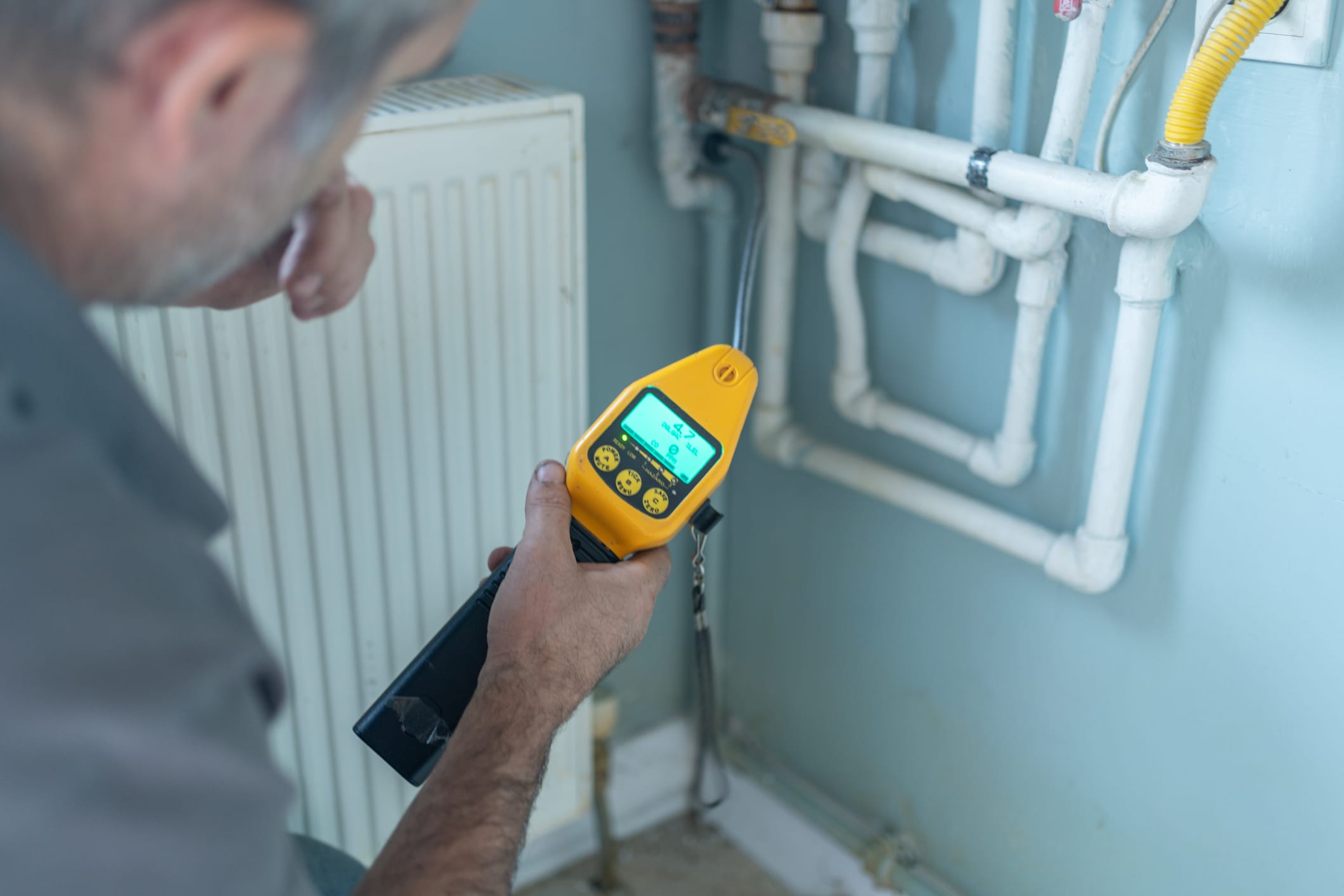
Electronic gas detectors are the first tool most plumbers reach for on a suspected gas leak inspection. These handheld devices are calibrated to detect natural gas and LPG at concentrations far below what the human nose can register, making them effective even when there is no discernible smell. The plumber works methodically through the property, passing the probe along gas lines, at appliance connections, around fittings, and at the meter installation.
How electronic detection works in practice
- Sensitivity: A quality electronic gas detector can identify gas concentrations well below the lower explosive limit, meaning it detects leaks long before they reach a dangerous concentration. This is the key advantage over smell-based detection alone.
- What the plumber checks: All visible gas fittings and joints, flexible connectors at every appliance, the gas meter connections, any exposed pipework in the roof or under the house, and around penetrations where pipes pass through walls or floors.
- How the reading is used: When the detector registers gas, it alerts with sound and light. The plumber moves the probe across the area in tighter passes to identify the specific point where the reading peaks, narrowing the source down to a particular fitting, joint, or section of pipe.
- Limitations: Electronic detection identifies the presence and approximate location of gas but cannot quantify the size of the leak or confirm that all leaks have been found. Pressure testing is required to confirm the system is fully sealed after any repair.
- Supplement to smell-based detection: Electronic detectors do not replace the mercaptan smell-based safety system built into the gas supply. They provide an additional layer of detection, particularly useful in areas with high airflow or where the occupant has reduced olfactory sensitivity.
Pressure Testing
Pressure testing is the most thorough and definitive method for confirming whether a gas system has a leak and isolating exactly where it is. Unlike electronic detection, which identifies the presence of gas that has already escaped, pressure testing tells the plumber Melton whether the system is holding pressure correctly before any gas is released into the environment. This method is required by the gas regulations in Victoria before gas service can be restored after any leak event or system repair.
The pressure testing process step by step
- Isolation: The gas supply is shut off at the meter and all appliances are isolated. The internal gas system is now a sealed volume.
- Pressurisation: The plumber connects a calibrated pressure gauge to the system and applies a controlled test pressure to the gas lines, typically above normal operating pressure.
- Monitoring: The gauge reading is monitored over a set period. If the reading remains stable, the system is holding pressure and there are no leaks in the sealed section. If the pressure drops, gas is escaping somewhere in the system.
- Isolation of sections: If a pressure drop is detected, the plumber systematically closes off sections of the system to identify which part is losing pressure. This narrows the leak’s location to a specific zone of pipework.
- Confirmation after repair: Once the leak is found and repaired, the pressure test is repeated to confirm the fix has fully sealed the system before gas is restored.
- Victorian regulatory requirement: Under the Gas Safety (Gas Installation) Regulations, a licensed gasfitter must carry out a pressure test and confirm the system is safe before restoring gas supply following any leak or significant repair.
Soap Solution Testing
Soap solution testing is one of the simplest and most reliable methods for confirming a gas leak at a specific fitting or connection point. It is typically used after pressure testing has identified an affected section of the system, as a way of pinpointing the exact joint or fitting that is losing gas. It can also be used as a rapid first check at any accessible fitting where a leak is suspected.
How soap testing is applied and what it confirms
- The method: A soapy solution is applied to fittings, joints, threaded connections, and flexible connector ends while the gas is under pressure. If gas is escaping at that point, it produces bubbles in the soap film.
- What it identifies: The specific joint or fitting that is leaking. Bubble size and rate of production give an indication of the leak rate at that point.
- Where it is most useful: At accessible fittings, appliance connections, and meter installations. Any connection point that can be reached with the probe or brush.
- Where it cannot be used: On buried pipework, inside walls, or under slabs. For concealed or underground leaks, electronic detection and pressure testing are used to locate the affected section before any surface is opened.
- After repair: Soap testing is also used to confirm that a newly tightened or replaced fitting is fully sealed before the area is covered or the gas supply is restored.
Why You Should Not Try to Find It Yourself
The presence of gas means the risk of ignition is real at every step of a leak investigation. This is not a situation where careful DIY is a reasonable option. Any electrical spark from a device being switched on or off, including a mobile phone, can ignite accumulated gas. Licensed plumbers and gasfitters are trained to work safely around live gas systems, carry calibrated specialist equipment, and follow a systematic process specifically designed to manage the ignition risk throughout the inspection.
Why professional detection is the only safe approach
- Ignition risk at every step: Testing for a gas leak involves working in close proximity to the source while gas may still be present. Only trained and licensed gasfitters are equipped to manage this safely with appropriate equipment and protocols.
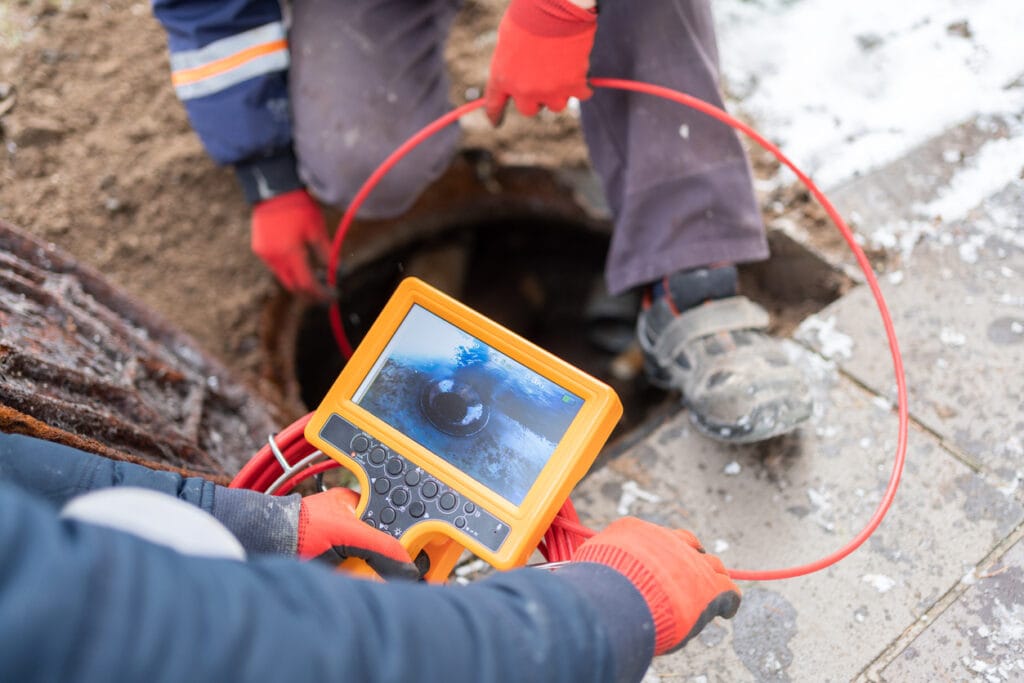
- Equipment you cannot replicate at home: Electronic gas detectors, calibrated pressure gauges, and CCTV equipment are specialist tools that are not available to the general public and require training to use correctly.
- Legal requirements: Under Victorian law, gas fitting work including leak detection, repair, and restoration of supply must be carried out by a licensed gasfitter. Restoring gas yourself after a leak event is illegal and dangerous.
- The risk of partial detection: A DIY check might identify one obvious leak point but miss a second, smaller leak elsewhere in the system. A licensed plumber conducts a systematic whole-system assessment to ensure every leak point is found before gas is restored.
- Insurance implications: Damage resulting from a gas incident where unlicensed work was carried out may not be covered by home and contents insurance. Professional detection and repair with documentation protects your claim.
Conclusion
If you suspect a hidden gas leak anywhere on your property, do not attempt to investigate it yourself. Evacuate, turn off the gas at the meter if it is safely accessible without going back inside, and call the emergency line for your gas network operator. Once the immediate situation is safe, New Image Plumbing and Gas provides professional gas leak detection across West Melbourne and Melton. Call us at 0489 246 667, and we will locate the leak and make your property safe.
Frequently Asked Questions
Can electronic gas detectors replace the smell-based detection system?
Electronic detectors are a valuable supplement to mercaptan detection, not a replacement. They provide a second layer of protection, particularly in areas where airflow might dissipate gas before it reaches your nose, or where occupants have reduced olfactory sensitivity. Using both systems together gives the best overall protection.
How does a plumber pressure test a gas system?
The plumber isolates the gas supply and applies controlled test pressure to the internal gas lines using a specialised gauge. They monitor the gauge over a set period. If the pressure drops, gas is escaping somewhere in the system. They then work through the system methodically, checking each section and connection, to isolate exactly where the loss is occurring.
Is it safe to stay in the house while a plumber locates a gas leak?
This depends on the size and nature of the leak. For a suspected active gas leak, you should evacuate and not return until the gas company or emergency services have made the property safe. For a suspected minor historical leak where the gas has been turned off, a licensed plumber can work safely to investigate and locate the source.
Does soap solution testing actually work for finding gas leaks?
Yes. Applying soapy water to a fitting or joint will produce bubbles if gas is escaping at that point. It is a simple and reliable method for confirming gas escaping at specific connection points and is commonly used after pressure testing has identified the affected section. It is not suitable for locating leaks in buried lines or inside walls.
Can a gas plumber also service gas appliances?
Yes. A licensed gasfitter can service, repair, and commission gas appliances including heaters, hot water systems, cooktops, and ovens. Servicing appliances regularly, particularly gas heaters, is one of the most effective ways to prevent both gas leaks and carbon monoxide incidents in a home.