Deer Park is an established West Melbourne suburb with a mix of older homes and newer developments. Plumbing problems here range from ageing infrastructure in older properties to the typical growing pains of newer builds. The challenge is knowing when something is a minor nuisance you can monitor and when it is a warning sign of a larger problem already developing. Here is a guide to the key indicators that tell you a licensed plumber Deer Park needs to be called.
Your Water Bill Has Gone Up Without Explanation
An unexplained spike in your water bill is one of the most reliable early indicators that something is wrong. Water bills that rise without any corresponding change in household usage are almost always caused by water escaping somewhere it should not be. The increase can be gradual enough to dismiss as seasonal variation, which is why many homeowners miss this sign for months before the underlying cause becomes obvious.
Common causes and how to check
- Running toilet: A toilet with a worn inlet valve or flapper can waste between 200 and 500 litres per day. Add food colouring to the cistern tank and do not flush. If colour appears in the bowl within 15 minutes, the cistern is leaking into the bowl continuously.
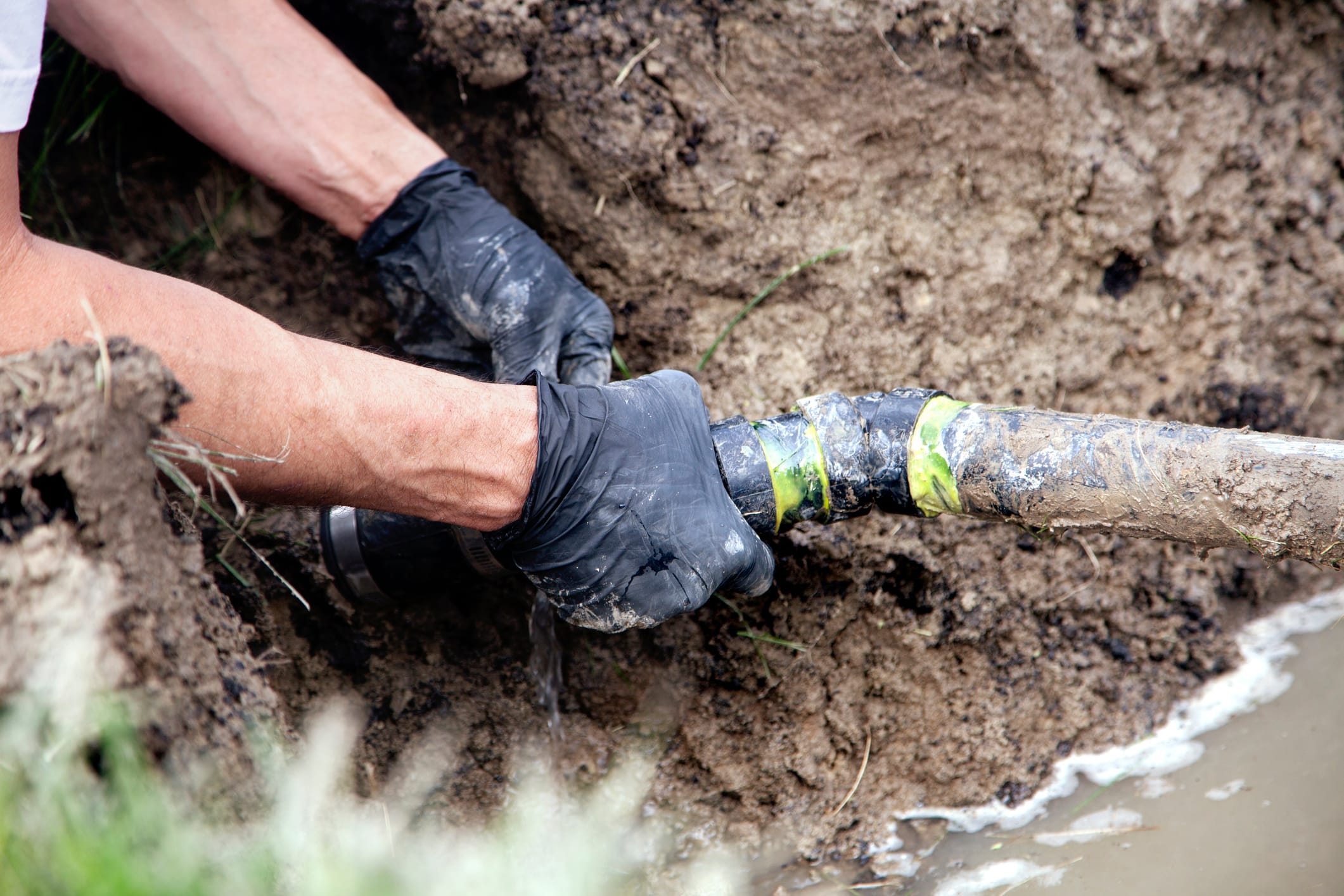
- Hidden supply pipe leak: A slow leak in a supply pipe behind a wall or under a slab may produce no visible water at all but will show up clearly on the meter. Turn off all taps and appliances, note the meter reading, wait 30 minutes, and check again. If it has moved, water is escaping somewhere.
- Dripping tapware: A tap dripping at one drop per second wastes approximately 30 litres per day. Faster drips and multiple leaking taps add up quickly on a quarterly bill.
- Irrigation system faults: A cracked irrigation pipe or a stuck-open solenoid valve can run water continuously underground without any visible pooling on the surface.
- When to call: If the meter test confirms movement and you cannot identify an obvious source, call a licensed plumber for a leak detection inspection before the damage compounds.
Multiple Drains Are Slow or Backing Up
A single slow drain in one room is usually a localised issue at that fitting or in the branch drain serving it. When multiple fixtures across the house slow down or back up at the same time, the problem is in the main sewer line that all of them share. This is an important distinction because the fix is completely different, and attempting to clear individual drains when the problem is in the main line will not solve it.
How to identify whether it is one drain or the main line
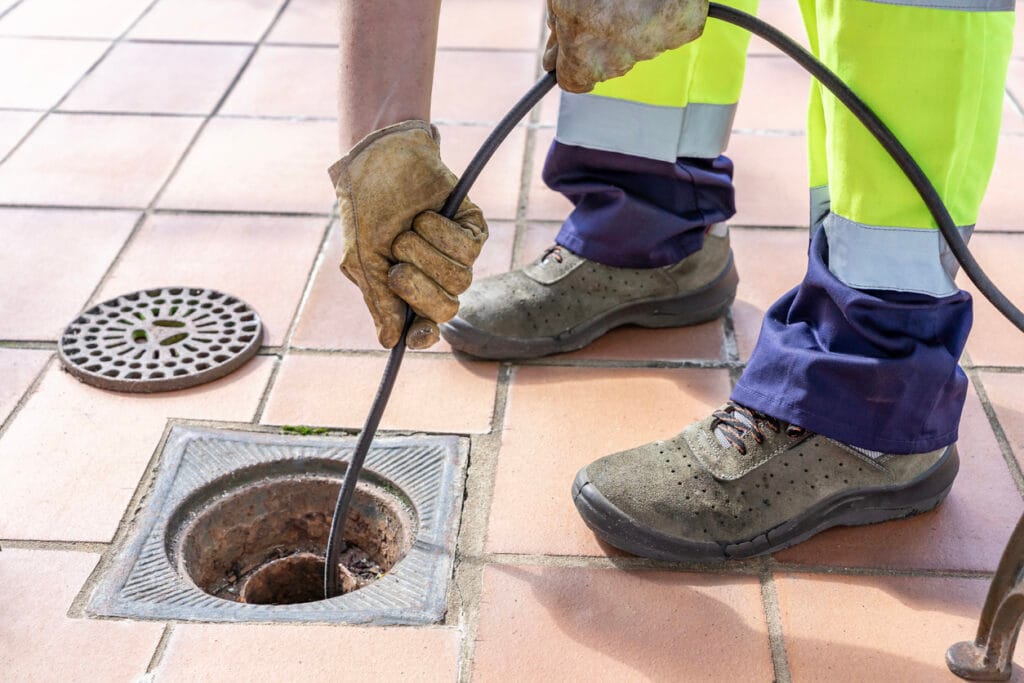
- Single drain slow: Usually caused by hair, soap scum, grease buildup, or a localised blockage at the trap or in the branch drain serving that fixture. Can often be addressed with a drain snake or hydro jetting at that point.
- Multiple drains slow simultaneously: Points to a main sewer line blockage or restriction. All branch drains connect to the main line, so a blockage there affects every fixture in the house.
- Water backing up into other fixtures: If flushing the toilet causes water to appear in the shower, or running the washing machine causes the laundry trough to fill, the main sewer line is blocked. This is an urgent situation.
- Gurgling from drains not in use: Gurgling sounds from the shower while the kitchen sink is running suggests air is being forced through the only available passage in a partially blocked main line.
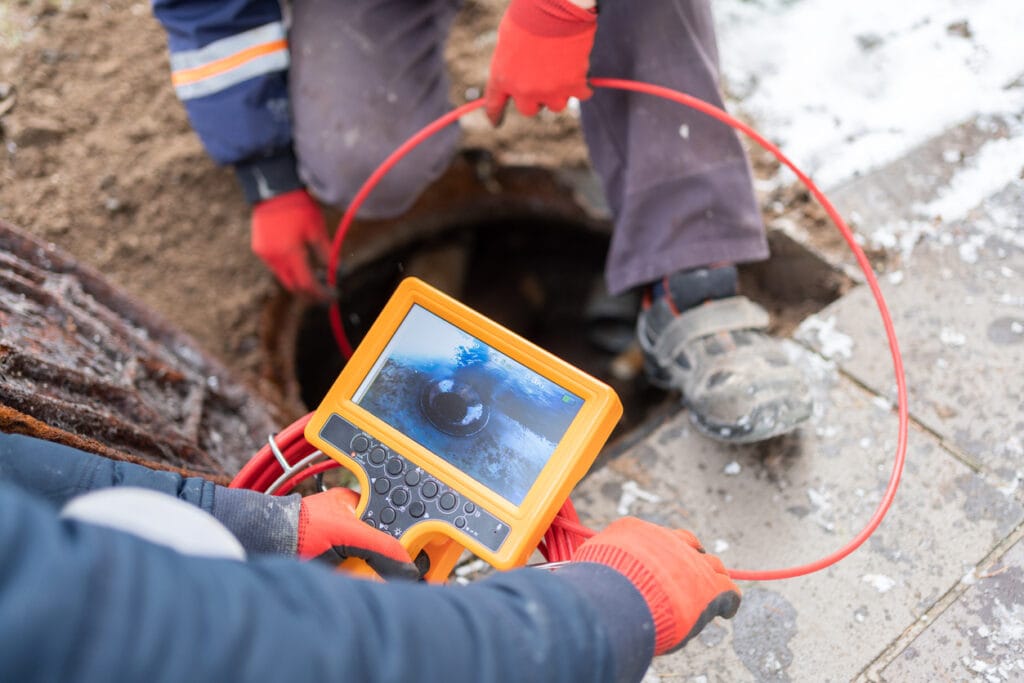
- What is needed: A CCTV drain inspection of the main sewer line to locate the blockage, followed by high-pressure jetting or pipe relining depending on the cause. This is not a DIY fix.
Low Water Pressure Across the Whole House
Low pressure at a single tap usually means the aerator on that fitting is clogged or the isolating valve for that fitting is partially closed. Low pressure at every tap throughout the house is a different situation entirely and points to a problem upstream of all your internal fittings. In Deer Park, where some homes have ageing infrastructure, this is a sign worth investigating promptly rather than adjusting to.
What causes whole-house low pressure and how it is diagnosed
- Check the stop valve first: The main stop valve at the front boundary of the property controls supply to the entire house. If it has been partially closed during maintenance work and not fully reopened, this is the simplest explanation and the first thing to check.
- Pressure limiting valve (PLV) failure: The PLV reduces mains pressure to a safe level for household plumbing. Most PLVs last 8 to 10 years. A failed or incorrectly set PLV causes consistent low pressure throughout the house. A licensed plumber can test and replace it in a single visit.
- Hidden pipe leak: A significant leak in the main supply line between the meter and the house loses pressure before water reaches any of your taps. This is confirmed by the meter test described above.
- Partially blocked or corroded supply pipe: In older Deer Park properties, galvanised steel supply pipes can corrode from the inside and progressively restrict flow over many years. Pressure drops gradually and homeowners often normalise it before it becomes severe enough to investigate.
- Mains supply issue: If neighbours also report low pressure at the same time, the issue is with the street main rather than your property. Contact Western Water to report it.
Your Hot Water Is Inconsistent or Has Stopped
A hot water system that was working reliably and then begins showing performance issues is giving you advance warning that something needs attention. Most systems give clear signals weeks or months before they fail completely, and catching these signs early means you can plan a replacement rather than dealing with an emergency callout when the unit fails overnight or on a weekend.
Warning signs that your hot water system needs assessment
- Longer heat recovery time: If the system takes noticeably longer to reheat after use than it used to, the heating element (electric) or burner (gas) is losing efficiency, or sediment has built up in the tank and is insulating the element from the water.
- Running out of hot water faster than before: A reduction in effective capacity usually points to sediment accumulation in the tank, a failing element, or in the case of a continuous flow system, a pressure or gas supply issue.
- Discoloured water: Rusty or brown hot water indicates internal corrosion of the tank, which means the anode rod has been fully consumed and the tank wall itself is corroding. This is a late-stage warning sign.
- Rumbling or popping sounds from the tank: These sounds are caused by water heating through a thick layer of sediment on the tank floor. They indicate the system is working significantly harder than it should be and is at elevated risk of failure.
- Moisture or corrosion at the base of the unit: Any visible water pooling or rust staining at the base of the unit points to a weeping tank or a leaking connection, both of which will worsen over time.
- System age: Most electric and gas storage hot water systems have a service life of 8 to 12 years. If your unit is approaching or past this range and showing any of the above symptoms, an assessment and planned replacement makes sense.
You Can Hear Running Water When Nothing Is On
The sound of running or dripping water when all taps, appliances, and the toilet are confirmed off is one of the clearest possible indicators of a hidden pipe leak. This sound is most commonly heard inside walls, under floors, or in ceiling cavities, and in many cases is only audible in a quiet house. Do not dismiss it or wait to see if it goes away. Hidden leaks cause timber damage, mould growth, and in serious cases can compromise structural elements before they are ever detected visually.
How hidden leaks are located and what happens if they go unaddressed
- Confirm with the meter test: Turn off everything, note the meter reading, wait 30 minutes, check again. If it has moved, the sound you are hearing is real and there is a leak on the property.
- Detection method: Licensed plumbers West Melbourne use acoustic listening equipment and thermal imaging cameras to locate leaks inside walls and under slabs without opening up the surface until the exact location is confirmed. This avoids unnecessary demolition.
- Common locations for hidden leaks: Hot water service connections behind walls, flexible supply hoses under vanities and sinks, slab-embedded supply pipes (common in slab-on-ground construction), and irrigation lines in the garden.
- What happens if left: Continuous moisture inside a wall cavity causes timber rot, plaster damage, and mould that can spread through the wall cavity and into the room. A slow leak running for three to six months can cause damage that costs far more to repair than the plumbing fault itself.
- When to call: As soon as you hear the sound and the meter test confirms a leak. Do not wait to see if the sound stops. It will not stop on its own.
Your Toilet Runs Between Flushes
A toilet that continues to run after flushing, or that starts and stops on its own between uses, is wasting a significant amount of water every day. The fault is almost always a worn inlet valve or a deteriorated flapper that is no longer sealing the outlet at the bottom of the cistern. It is a straightforward repair but one that many households put off, often because the sound of running water becomes so familiar it stops registering as abnormal.
Diagnosing and fixing a running toilet
- How much water it wastes: A toilet with a worn inlet valve or flapper wastes between 200 and 500 litres per day depending on the severity of the fault. Over a quarter, this adds up to a significant and entirely avoidable water bill increase.
- The food colouring test: Add food colouring to the cistern tank without flushing. If colour appears in the bowl within 15 minutes, the flapper is not sealing and water is constantly trickling from the cistern into the bowl and down the drain.
- Running between flushes: If the toilet refills itself periodically when nobody has used it, the water level in the cistern is dropping below the fill line through a slow leak at the flapper, triggering the inlet valve to refill.
- Inlet valve vs flapper: Both are common failure points. A worn flapper allows water to escape through the outlet. A faulty inlet valve may overfill the cistern, causing water to run continuously into the overflow tube. Both are straightforward to replace.
- Fix timeline: This is a single-visit repair in most cases. The longer it is left, the more water is wasted and the more the fault can worsen, sometimes to the point where the valve requires a full replacement rather than a simple washer change.
Conclusion
Knowing when to call a plumber can help prevent a plumbing issue from becoming a larger and more expensive problem. Getting the problems mentioned above checked early can help identify the cause and keep your plumbing system working properly.
New Image Plumbing covers Deer Park and the broader West Melbourne area. If you notice any of the warning signs, call us at 0489 246 667 or submit our online form to book an inspection. We can identify the issue and fix it during the same visit.
Frequently Asked Questions
How do I check if I have a water leak at home?
Turn off all taps, appliances, and toilet supply valves. Check your water meter. If the dial or digital reading is still moving, water is escaping somewhere on your property. Note the reading, wait 30 minutes, and check again to confirm. Then call a licensed plumber for a leak detection inspection.
What is a pressure limiting valve and when does it need replacing?
A pressure limiting valve (PLV) reduces mains water pressure to a safe operating level for your internal plumbing. Most PLVs last 8 to 10 years. When they fail or are set too low, pressure drops noticeably across the whole house. A licensed plumber can test and replace it quickly.
Is a running toilet really that wasteful?
Yes. A toilet with a worn inlet valve or flapper can waste anywhere from 200 to over 500 litres per day depending on the fault. Over a year, that adds up to a significant water bill increase and a lot of unnecessary water waste. It is worth fixing promptly.
Can I tell if my hot water system is about to fail before it does?
Common warning signs include inconsistent water temperature, longer heat recovery times, popping or rumbling from the tank, rust-coloured water, and moisture or corrosion visible around the base of the unit. If you notice any of these, have the system assessed before it fails completely and potentially causes a water leak.