Cobblebank is one of the fastest-growing residential estates in Melbourne’s west, located within the City of Melton and attracting first home buyers and young families looking for affordable new builds within a reasonable commute of the city. What many new Cobblebank homeowners discover, often within the first few years, is that new construction does not automatically mean a trouble-free plumbing system. Understanding the issues that most commonly affect new homes in this area and knowing when to call a plumber in Cobblebank means you can catch problems early, before they become expensive repairs.
Construction Debris Left in Drainage Pipes
This is the single most reported plumbing issue in new residential estates across Melbourne’s western growth corridor, including Cobblebank. During the construction phase, drainage pipes are open to the building site for extended periods and construction materials can enter them from multiple sources.
Why this happens and what to watch for
- How debris enters: Sand, cement slurry, concrete residue, and other materials enter pipes through open ends, from hosing down concrete, or through contact with wet materials during the build.
- Why it is not always immediate: Debris can sit inside the pipe in a semi-liquid state, then gradually compact and harden over months or years as more water passes through. You will not see a full blockage on day one.
- First warning sign: A drain that seems slightly slower than it should be for a brand-new home. Do not dismiss this as normal.
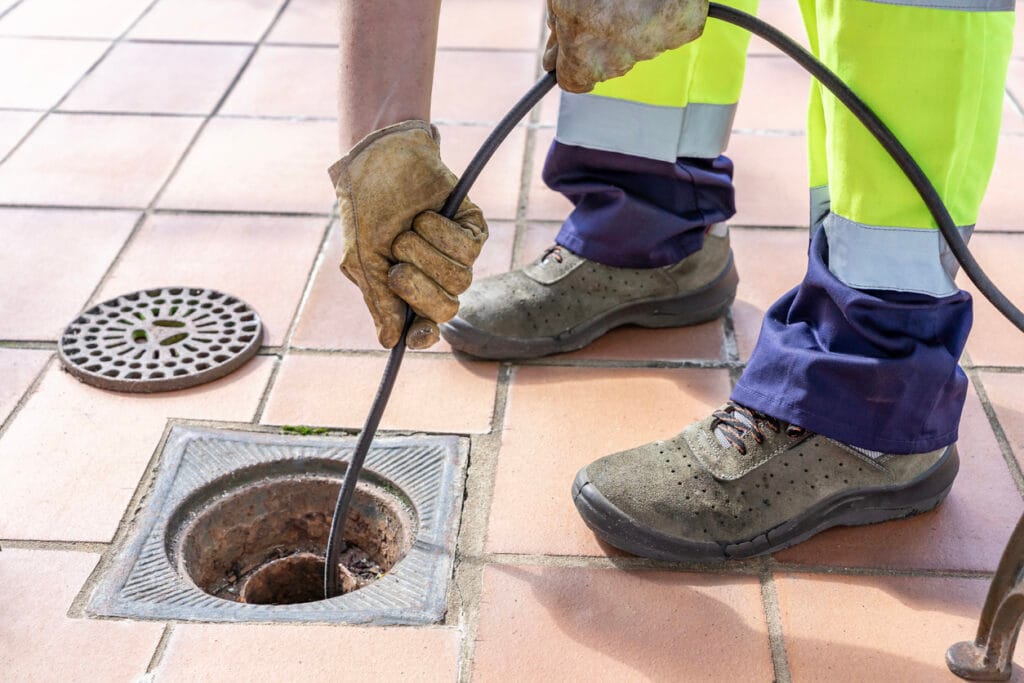
- If left unaddressed: Builds into a full blockage requiring high-pressure jetting to clear and, in severe cases, pipe relining or excavation if the material has hardened to the point where jetting alone is insufficient.
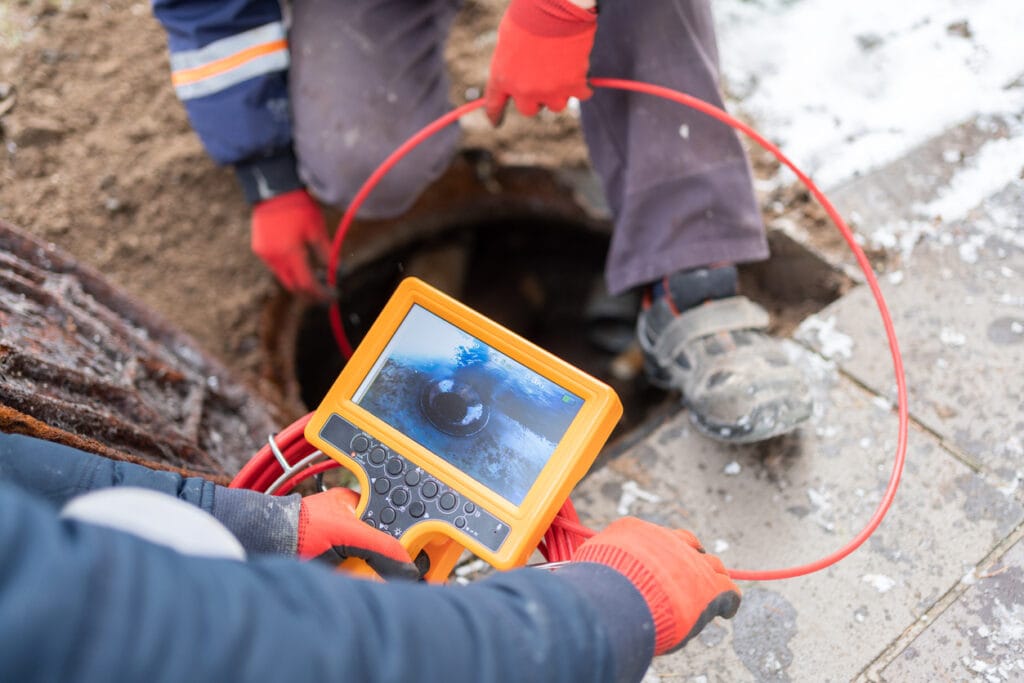
- Solution: A CCTV drain inspection within the first 12 to 24 months of moving in. A licensed plumber runs a camera through the lines in real time — debris is cleared if present, or you have documented confirmation the pipes are clean.
Incorrect Pipe Grading
Drainage systems rely entirely on gravity to function correctly. Australian Standard AS/NZS 3500 specifies a minimum fall of 1 in 60 for sanitary drainage pipes — meaning the pipe must drop at least one unit of height for every 60 units of horizontal length. When this is not achieved during construction, problems follow.
How to identify a grading problem
- Recurring blockages at the same point: This is the clearest sign. A simple blockage clears once; a grading issue re-forms every time because waste settles at the same low point regardless of how often the drain is cleared.
- Two or three professional clearings with no lasting fix: If you have paid to have the same drain cleared multiple times in quick succession, grading is likely the cause rather than household usage.
- How it is fixed: A CCTV inspection precisely locates the affected section, followed by excavation and re-laying of the pipe to the correct fall. Pipe relining may offer an alternative if the issue is minor.
- Warranty implications: Incorrect pipe grading is a construction defect. You may be able to raise it with your builder under the statutory warranty before the relevant period expires.
Hot Water System Undersized for the Household
New Cobblebank homes are commonly fitted with a standard-specification hot water system chosen by the builder as a cost-effective inclusions option. The problem is that capacity is not always matched to the size of the household moving in.
Signs your system is the wrong size and what to do about it
- Running out of hot water during consecutive morning showers — the most common complaint from families in new builds.
- Long recovery time between uses — if the system takes an unusually long time to reheat after use, it is working at or beyond its capacity.
- Inconsistent water temperatures during high-demand periods such as mornings or evenings.
- A 125-litre electric storage system is adequate for one or two people but will fall short for a family of four or five.
- A continuous flow gas system sized for two outlets may struggle when multiple showers, a dishwasher, and a laundry run simultaneously.
- Solutions: Upgrade to a larger storage tank, switch to a continuous flow gas system if there is a gas connection, or install a heat pump hot water system — highly efficient and well-suited to the climate of Melbourne’s west. A licensed plumber can assess your usage and recommend the most cost-effective option.
Leaking Tapware or Fittings From Day One
It is more common than many people expect for a brand-new home to have minor leaks at tapware or fitting connections from the day they move in. This typically happens when connections are not fully tightened during the installation rush of the build’s final stages.
Where leaks hide and how to find them
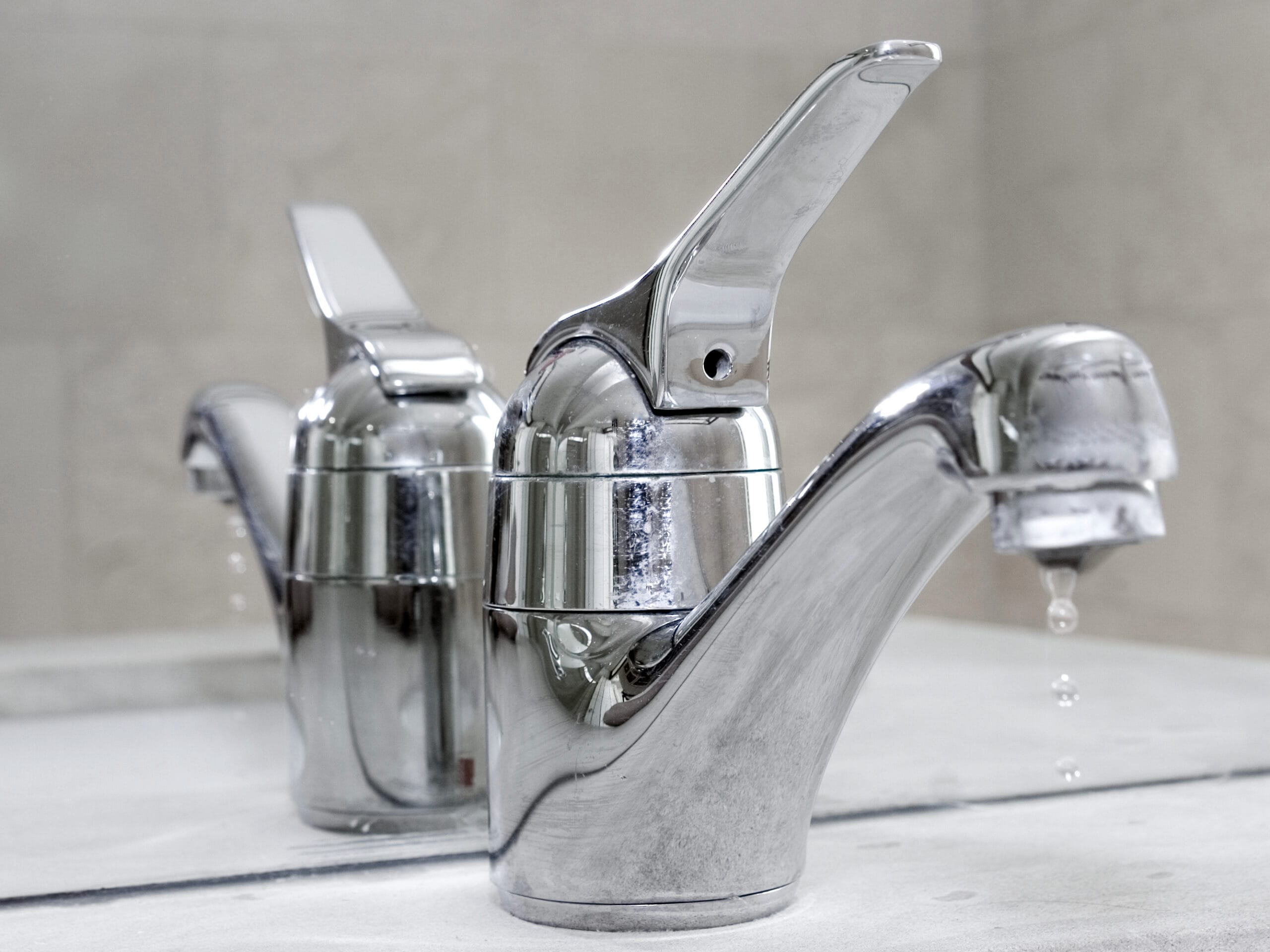
- Most common problem points: Flexible supply hoses under sinks, tap base seals, and waste trap connections.
- Why small leaks cause big damage: A slow drip under a kitchen sink or bathroom vanity happens inside a closed cabinet — out of sight. By the time moisture is visible on the cabinet base, the leak may have been running for months, causing mould growth and structural damage to cabinetry and flooring.
- Monthly check routine: Open the cabinet under every sink, look for moisture, discolouration, or dripping. Run the tap fully for 30 seconds and check again while water is flowing.
- If you find moisture: Call a licensed plumber promptly. A slow drip will not resolve on its own — it will only get worse.
Water Pressure Issues From the Estate’s Mains
Cobblebank and the surrounding Melton growth corridor are among the fastest-developing residential areas in Victoria. The supply infrastructure is progressively extended as the population grows, but there can be periods where demand runs ahead of capacity.
Estate pressure vs. a property-side fault: how to tell the difference
- Estate-wide pressure drop at peak hours: Common in rapidly developing areas during morning usage windows when hundreds of households shower and run appliances simultaneously. This is managed by Western Water, the relevant utility for Cobblebank.
- Consistently low pressure throughout the day: Not normal — likely indicates a fault on your side of the meter.
- Property-side causes to investigate: A pressure limiting valve (PLV) set too low, a partially closed stop valve, a faulty tap body causing restriction, or a slow leak draining pressure before it reaches your fixtures.
- How to diagnose it: A licensed plumber can test pressure at your meter and at your fixtures. If adequate pressure at the meter but low at fixtures, the problem is on your property. If low at the meter, report it to Western Water.
Gas Connections Needing Verification
A significant proportion of new Cobblebank homes have natural gas connections for cooking, hot water, and space heating. New homes are often completed under time pressure and the final verification of appliance connections is not always as thorough as it should be.
What a pre-occupancy gas check involves
- Pressure test of the entire gas system to confirm there are no leaks anywhere on the property.
- Visual inspection of all accessible pipework and connections.
- Functional test of each gas appliance to verify it is operating correctly and safely.
- The check takes a couple of hours for a standard residential property and gives you confidence the gas system is safe before your family begins using the appliances regularly.
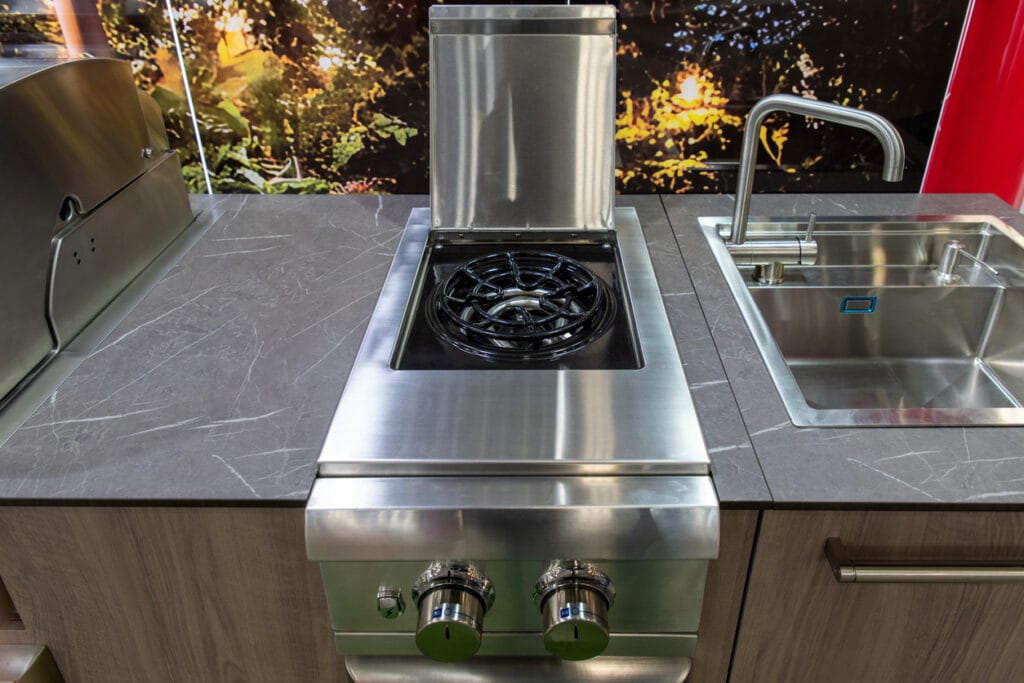
- Ongoing warning signs to watch for: Orange or yellow flames on a burner that should burn blue, a smell of gas near any appliance, pilot lights that go out and need repeated relighting, or appliances that take longer than expected to heat up.
All gas work must be carried out by a licensed gas fitter in West Melbourne. Do not attempt to adjust or inspect gas connections yourself.
Stormwater and Drainage Around the Property
Cobblebank and the Melton growth corridor receive most of their annual rainfall during autumn and winter, with occasional summer thunderstorms delivering significant rainfall in short periods. For new builds, stormwater drainage is designed to handle these events, but issues arise when design is not correctly implemented or landscaping has altered natural water flow.
Common stormwater problems and how to spot them
- Pooling against the house foundation: Water that consistently sits against the slab edge or foundation wall can cause moisture to ingress into the structure over time, leading to efflorescence, cracking, and in severe cases structural movement.
- Downpipes discharging onto ground surface: Downpipes should connect to the stormwater drainage system, not discharge freely onto soil next to the house.
- Garden beds or raised lawn areas directing water toward the house: Landscaping changes after handover sometimes inadvertently create drainage paths toward the structure.
- How to check: After heavy rain, walk around the perimeter of the property and observe where water flows and where it pools. Any point where water consistently collects against the house or fails to drain away within a reasonable time should be investigated.
- Solutions: Connecting downpipes to the stormwater system, installing aggi drains along problem areas, or reshaping garden beds to redirect surface flow away from the structure.
Conclusion
New homes in Cobblebank can still develop plumbing problems. Keeping an eye out for warning signs and arranging an inspection can help identify these problems before they become costly repairs.
If you have noticed a plumbing issue in your home, New Image Plumbing and Gas can help. We service Cobblebank and surrounding West Melbourne suburbs, with 24/7 availability. Call 0489 246 667 or submit our online form for a free quote or to book an appointment.
Frequently Asked Questions
Should I get a plumbing inspection when I move into a new build?
Yes, particularly in the first 12 months. A post-build plumbing inspection checks for construction debris in drainage pipes, verifies pipe grading, tests water pressure, confirms hot water system operation, and checks all gas connections are secure and leak-free. It is far cheaper to identify and fix issues early than to deal with damage from an undetected problem. An inspection also documents the system’s condition, which is useful if a warranty claim becomes necessary later.
Why is my hot water running out quickly in a new home?
New homes are sometimes fitted with a standard-specification storage system that does not match the household size. A 125-litre electric storage system suits one or two people but is unlikely to be sufficient for a family of four or five. A plumber can assess your usage requirements and recommend the correct size and system type, including larger electric or gas storage, a continuous flow gas system, or a heat pump system.
Is low water pressure in a new estate normal?
Some variation in pressure during peak morning usage hours is a known characteristic of rapidly developing estates where the supply network is still being upgraded. However, consistently low pressure throughout the day is not normal and may indicate a fault on your property such as a pressure limiting valve set too low, a partially closed stop valve, or a restriction in a tap body. A licensed plumber can test pressure at the meter and at the fixtures to identify where the problem lies.
How do I check for hidden leaks under my sink?
Open the cabinet under your sink and look for moisture on the cabinet base, water staining, discolouration, soft or swollen particle board, or mould growth. Run the tap fully for 30 seconds and check again while water is flowing, paying attention to the waste trap connections, the flexible supply hoses, and the tap body itself. Even a slow drip can cause significant mould and structural damage in a new home if left unaddressed. If you find any moisture, call a licensed plumber promptly.
What are my rights if I find a plumbing defect in a new build?
Under the Domestic Building Contracts Act 1995 in Victoria, new residential buildings carry a statutory warranty covering major defects for ten years from the date the building permit was issued, and minor defects for two years. Plumbing defects resulting from defective workmanship or materials fall under this warranty. Document the problem with photos and notes, engage a licensed plumber to inspect and provide a written report, then notify your builder in writing. If the builder does not respond appropriately, escalate to the Victorian Building Authority.