Chartwell is a newer residential community situated within Melbourne’s western growth corridor, close to Melton and Rockbank. Like many of the master-planned estates that have developed rapidly across this part of Victoria, Chartwell attracts families buying into brand-new properties with modern fixtures, fresh plumbing, and a builder’s warranty. What many of those homeowners discover over time is that new does not mean problem-free. Plumbing issues in newer estates can take a few years to surface, so knowing what to watch for and having a plumber Chartwell inspect potential issues early can help save you money and disruption down the track.
Know Where Your Stop Valve Is
Your main water stop valve is the single most important piece of information to have about your property. In an emergency, being able to shut off the water supply in seconds can mean the difference between a minor inconvenience and tens of thousands of dollars in structural damage.
What to locate and check
- Main stop valve: In most Chartwell homes, located near the water meter at the front boundary. Some properties have it at the side of the house or near the front garden tap. Take a few minutes to find it and confirm it turns freely.
- Individual isolation valves: Located under sinks, behind toilets, and near the hot water unit. These let you shut off supply to a single fitting without cutting water to the entire house.
- Seized valves: Valves that have not been operated in years can seize. Test each one so you know they work before you need them in an emergency.
Make sure all household members know where the main stop valve is and how to use it.
Schedule Regular Drain Inspections
New estates like Chartwell can accumulate construction debris inside drainage pipes during the build process. Sand, cement slurry, and fine construction materials enter drainage lines at various stages and may not cause obvious blockages immediately. Over one to three years, this material can compact and harden, creating partial obstructions that gradually restrict flow.
What a CCTV drain inspection covers
- Construction debris: Sand, plaster residue, and concrete slurry are visible on camera before they cause a full blockage, allowing early clearance.
- Poor pipe grading: Sections of pipe laid without sufficient fall cause recurring blockages at the same point regardless of how often the drain is cleared.
- Root intrusion: Street trees and garden plantings in Chartwell are young but growing actively. Tree roots enter drain pipes through the smallest joint gaps and expand rapidly. Early detection prevents pipe damage that requires relining.
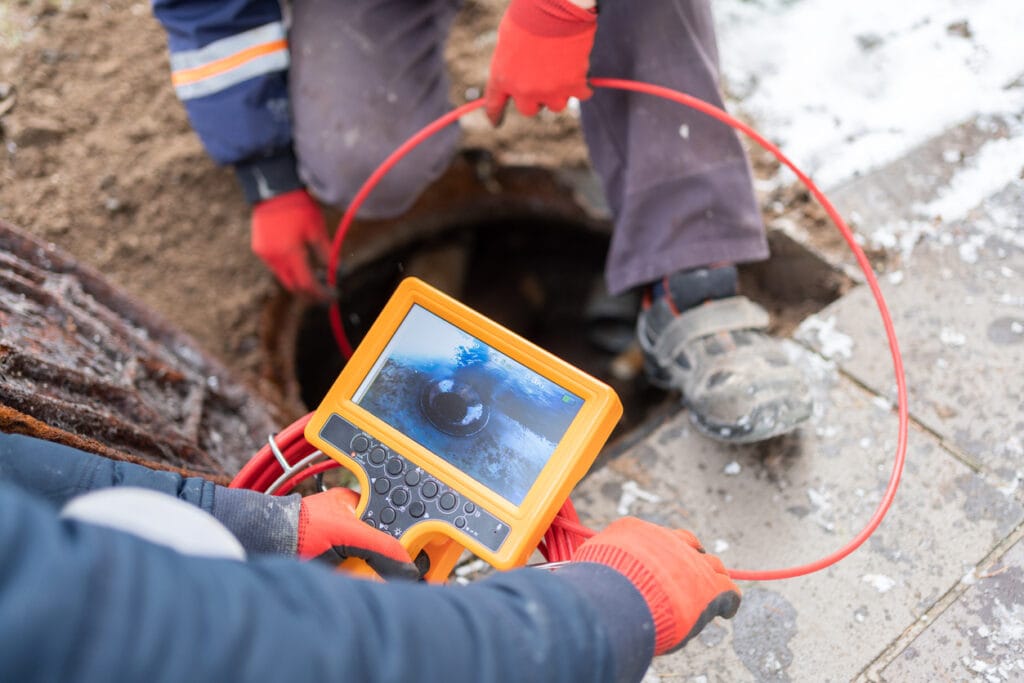
- How it works: A licensed plumber inserts a small camera at an access point and transmits a live video feed to a monitor. The inspection takes less than an hour and causes no disruption to your property.
A periodic CCTV inspection every two to three years is sensible for newer properties. If you have trees near drainage lines or notice slow drains, book sooner.
Monitor Your Water Meter
The water meter test is the simplest and most reliable way to check for a hidden leak anywhere on your property. Hidden leaks behind walls, under slabs, or in irrigation systems can run for months before being noticed, causing significant structural damage to a new build in that time.
How to run the meter test
- Turn off all taps, appliances, the dishwasher, washing machine, and garden irrigation system.
- Go to the water meter at the front boundary and note the current reading.
- Wait at least 30 minutes without using any water in the house, then check the meter again.
- If the reading has moved, water is escaping somewhere on your property — call a licensed plumber for a leak detection inspection.
- Run this test every couple of months as a habit.
- Also monitor bills from Yarra Valley Water or Western Water for unexplained increases — a significant rise without a change in usage is a common sign of a slow, undetected leak.
Service Your Hot Water System
Hot water systems in newer Chartwell homes work hard year-round. The type varies by builder: electric storage, gas storage, or heat pump systems installed under National Construction Code energy efficiency requirements. Regardless of type, periodic hot water service in West Melbourne prevents sudden failure and extends the system’s life.
Key components to have inspected
- Sacrificial anode rod: A metal rod inside the tank that corrodes in preference to the tank itself, protecting the inner lining. When fully consumed, the tank begins to corrode from the inside. Manufacturers recommend inspection every five years and replacement when deterioration is significant.
- Temperature and pressure relief (TPR) valve: A safety device that releases water if pressure or temperature inside the tank exceeds safe limits. This valve can seize if not tested for several years — a licensed plumber can test and replace it as part of a routine service call.
- Connections and fittings: Visible corrosion or moisture around the unit’s pipework connections can indicate a slow leak that will worsen over time.
Having a system inspected proactively is far less disruptive and expensive than dealing with a failed unit and resulting water damage. Most electric and gas storage systems last 8 to 12 years.
Fix Small Leaks Before They Become Big Problems
A dripping tap might seem minor, but the water loss adds up quickly. A tap dripping at one drip per second wastes approximately 30 litres per day — around 11,000 litres per year. Beyond the water bill impact, an unattended drip at a fitting causes ongoing moisture damage to cabinetry and structural elements.
What to check regularly around the home
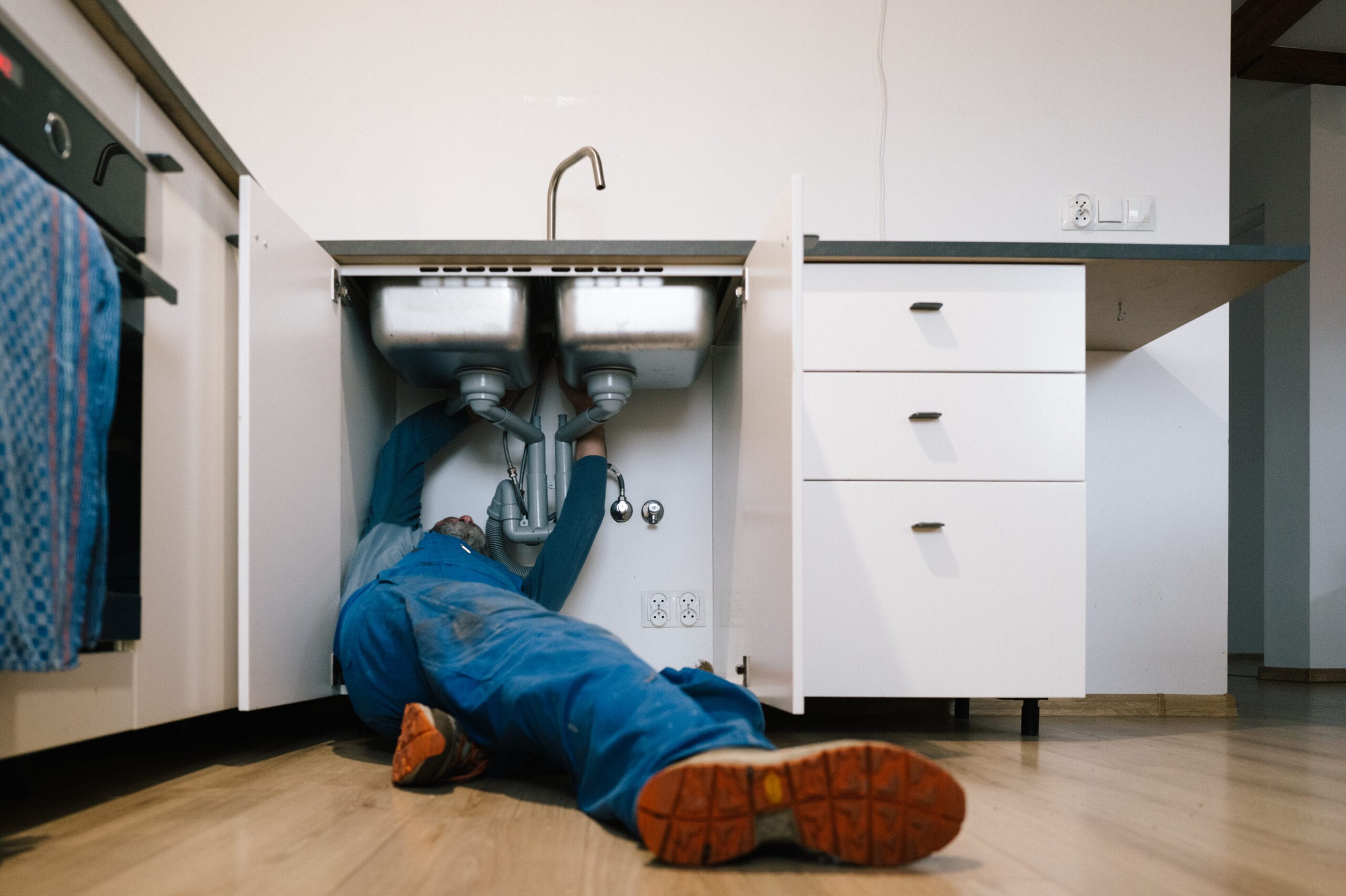
- Under every sink: Open the cabinet and look for moisture, discolouration on the cabinet base, mould growth, or dripping from waste connections or supply lines. New homes occasionally have fitting connections that were not fully tightened during installation.
- Toilets: A toilet that continues to run between flushes, takes an unusually long time to refill, or can be heard trickling when not in use likely has a faulty inlet valve, worn cistern seal, or float assembly needing adjustment. These are straightforward repairs, always cheaper than the cumulative water waste.
- Hot water unit surroundings: Check the area around the hot water system regularly for pooling water or moisture on the ground.
If you find any moisture under a sink or around a fitting, call a licensed plumber promptly. A slow drip behind cabinetry can cause mould and timber damage over months before it is noticed.
Be Careful What Goes Down Your Drains
Drain blockages in Chartwell homes are most commonly caused by things that should never have entered the drain in the first place. Prevention costs nothing and avoids the disruption and expense of a professional clearing.
The main culprits and how to avoid them
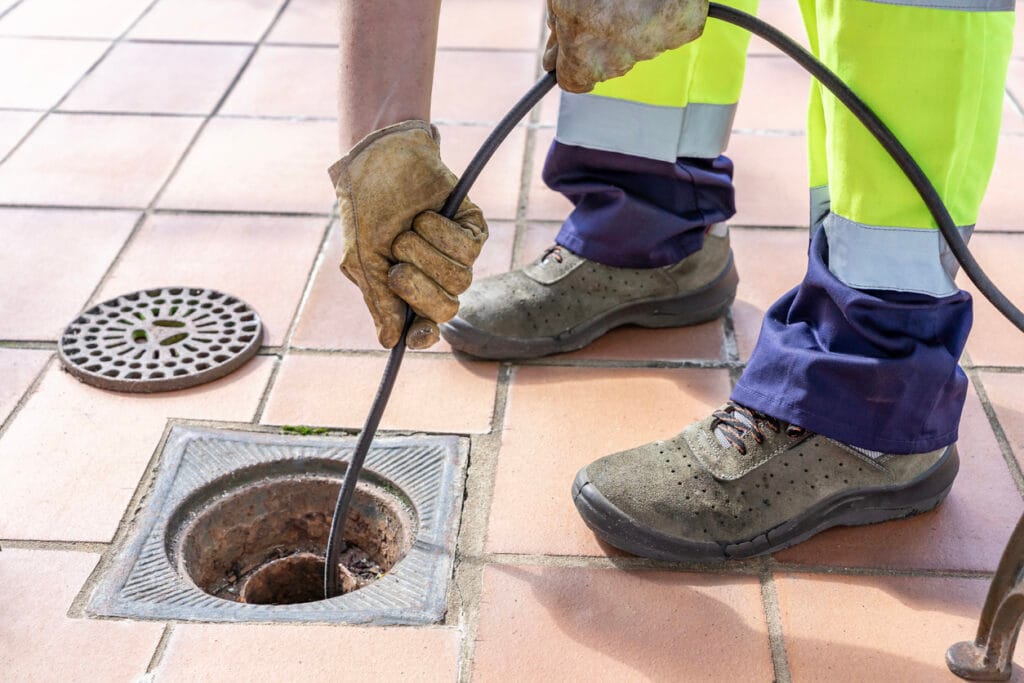
- Kitchen grease: Hot cooking oil or fat is liquid when it goes down the sink but cools and solidifies in the pipe, accumulating and narrowing the flow path over time. Let fat cool and solidify, then scrape it into the bin.
- Wet wipes: One of the biggest causes of sewer blockages across Australia. Despite some products being labelled “flushable,” wet wipes do not break down like toilet paper and can combine with other materials in the sewer to form blockages. Only flush toilet paper — everything else goes in the bin.
- Sanitary products, cotton buds, and paper towels: None of these belong in the toilet. They cause persistent blockages in private drain lines and the broader sewer network.
- Coffee grounds and food scraps: Fit a drain strainer over the kitchen sink waste to catch debris before it enters the pipe.
- Hair: A strainer over shower and bath wastes catches hair, which is a major contributor to bathroom drain blockages.
Understand Your Builder’s Warranty and When It Ends
In Victoria, new residential buildings come with a statutory warranty under the Domestic Building Contracts Act. Understanding this warranty and acting before it expires is important for Chartwell homeowners.
What the warranty covers and how to use it
- Major defects: Covered for ten years from the date the building permit was issued. This includes structural plumbing defects resulting from defective workmanship or materials.
- Minor defects: Covered for two years. Plumbing defects from construction fall under this category depending on severity.
- Delayed problems: Some plumbing issues take time to develop — a poorly graded drain may not show blockage problems for two or three years. Book a plumbing inspection before your warranty period expires so defects are identified and documented while protection is still in place.
- Making a claim: Document the problem with photographs and written notes. Engage a licensed plumber to inspect and provide a written report. Contact your builder in writing with the report attached, requesting rectification. If the builder does not respond appropriately, escalate to the Victorian Building Authority.
Outdoor Plumbing and Irrigation
Many Chartwell properties have automatic irrigation systems installed as part of the initial landscaping package. These can develop leaks at connection points, sprinkler heads, or along drip lines without being immediately visible, particularly if set to run in the early morning.
How to check your irrigation system each season
- Look for wet patches in the lawn during dry periods — these indicate an underground leak or a broken drip line.
- Check for sprinkler heads that are angled incorrectly or not retracting after the cycle.
- Look for drip lines that have been disturbed by garden maintenance or digging.
- Turn the system on manually and walk the entire garden while it is running, verifying each zone and checking all connection points for visible leaks.
- A leaking irrigation system is one of the most common causes of unexplained water meter movement and elevated water bills in newer estates.
Conclusion
Protecting your home in Chartwell from plumbing damage starts with simple checks and regular maintenance. Keep an eye out for leaks, look after your drains, service your hot water system and arrange inspections when needed. Taking care of small issues early can help prevent bigger and more expensive plumbing problems later.
New Image Plumbing and Gas services Chartwell and surrounding suburbs across Melbourne’s west. From routine maintenance to urgent repairs, call 0489 246 667 or submit our online form for a free quote or to book an inspection.
Frequently Asked Questions
How often should I have my plumbing inspected in a new home?
A general plumbing inspection every two to three years is sensible for newer properties. If you have trees near drainage lines or have noticed any slow drains, book an inspection sooner. It is also worth booking before your builder’s statutory warranty period expires so any defects are identified and documented while the protection is still in place.
What is the most common plumbing problem in new estates?
Construction debris left inside drainage pipes during the build is the most commonly reported issue. Sand, plaster residue, and concrete slurry settle inside drain pipes and compact over time, causing partial blockages that worsen progressively. A CCTV drain inspection is the most effective way to identify and clear this early. Root intrusion from young but fast-growing garden trees is the second most common issue.
How do I check if my water meter is moving when nothing is on?
Turn off all taps, appliances, and toilet supply valves. Write down the current meter reading and wait at least 30 minutes without using any water. If the reading has changed, there is a leak on the property. Call a licensed plumber for a leak detection inspection using thermal imaging and acoustic detection equipment to locate the source without unnecessary excavation.
How long does a hot water system last in West Melbourne conditions?
Most electric and gas storage hot water systems last between 8 and 12 years. Heat pump systems can last longer with proper maintenance. Regular servicing, including anode rod inspection and TPR valve testing, extends the lifespan and helps identify problems before the unit fails completely. If your system is approaching 8 to 10 years of age and has not been serviced, get it assessed.
What should I do if I suspect a plumbing defect from my builder?
Document the problem thoroughly with photographs and written notes, including when you first noticed it and how it has progressed. Engage a licensed plumber to inspect and provide a written report. Then contact your builder in writing with the report attached, requesting rectification under the statutory warranty. If the builder does not respond appropriately, escalate a complaint to the Victorian Building Authority. An independent plumber’s report is essential to supporting any formal claim.