Caroline Springs is one of West Melbourne’s largest and most established residential communities, with housing density that has grown significantly since the suburb’s development began in the late 1990s. It is home to thousands of families in a mix of houses, townhouses, and medium-density developments. When something goes wrong with a plumbing system in a home this size, in a suburb this densely populated, it rarely stays a small problem. Plumbing emergencies escalate quickly, and knowing what you’re dealing with and when to call a plumber in Caroline Springs can be the difference between a manageable repair and thousands of dollars in property damage.
Understanding What Qualifies as a Plumbing Emergency
Not every plumbing issue is an emergency. A dripping tap, a slow shower drain, or a toilet that runs constantly are problems worth fixing, but they can usually wait for a scheduled appointment. A plumbing emergency is any situation where active water or gas is causing immediate damage, posing a health risk, or creating an unsafe environment in or around your home.
The most critical things to know before any emergency occurs: the location of your main water stop valve (usually in the front garden near the boundary, below a small cover, or inside the property at the meter) and your gas isolation valve (at the gas meter, typically on the side of the property). Being able to shut these off within 60 seconds of identifying a problem dramatically limits the damage any plumbing emergency can cause. Every adult in the household should know where these are.
Burst Pipes
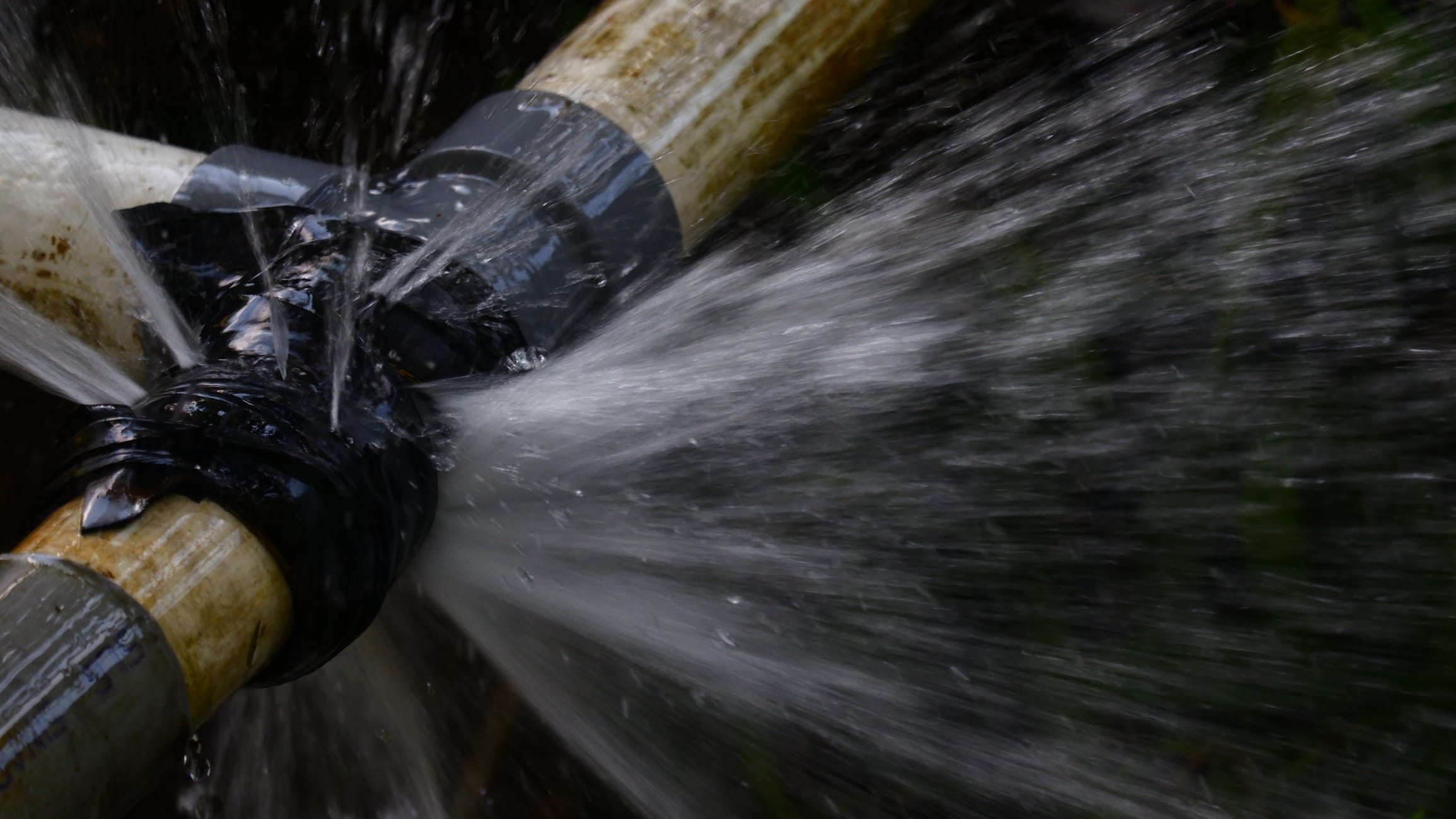
A burst pipe in West Melbourne is one of the most destructive plumbing emergencies a homeowner can face. Water escaping under mains pressure can discharge at hundreds of litres per hour, saturating wall cavities, subfloor spaces, and ceiling plasterboard within minutes. In Caroline Springs, ground movement during dry summers and wet winters puts cyclic stress on supply lines, particularly in older sections of the suburb where pipe runs have been in the ground for 20 or more years.
Polybutylene (PB) pipes were used in residential plumbing in Victoria from the 1980s through to the early 2000s. Homes built in Caroline Springs during that period may still have PB pipe runs for cold water supply. PB pipe has a known failure mode: it becomes brittle and prone to cracking over time, particularly when exposed to chlorine in treated mains water and to UV light near meter boxes. If your home was built in this era and has not had plumbing updates, it is worth asking a plumber to inspect what pipe material is in use.
The moment you notice flooding inside the property, a significant water stain on a ceiling or wall that wasn’t there before, water pooling in the yard without recent rain, or a sudden and unexplained spike in your water meter reading, shut off the mains and call a plumber immediately. Do not wait to see if the problem resolves. It won’t.
Blocked Drains Causing Sewage Backup
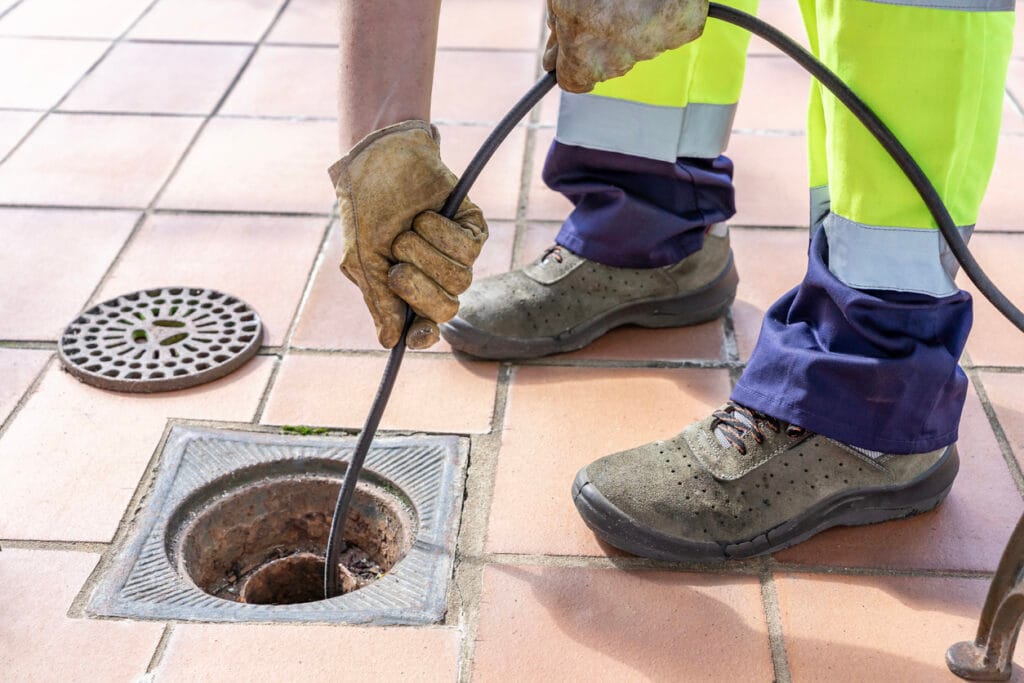
A blocked drain at the single-fixture level is an inconvenience. A sewage backup into multiple fixtures across the home is a health emergency. When a toilet, floor drain, or shower backs up with sewage, it means the blockage is in the main sewer line downstream from where all the home’s fixtures connect. The system has nowhere to discharge, so waste reverses through the path of least resistance — which is usually the lowest fixture in the home, typically a ground-floor toilet or laundry floor drain.
Sewage backup is classified as a Category 3 water intrusion event — contaminated water that poses a serious infection risk from bacteria, viruses, and pathogens including E. coli and Salmonella. Do not attempt to clean it up with household equipment. Stop using all water fixtures in the home immediately, as any water discharged into the drain system will continue to back up and spread the contamination. Call a licensed plumber with sewage remediation capability.
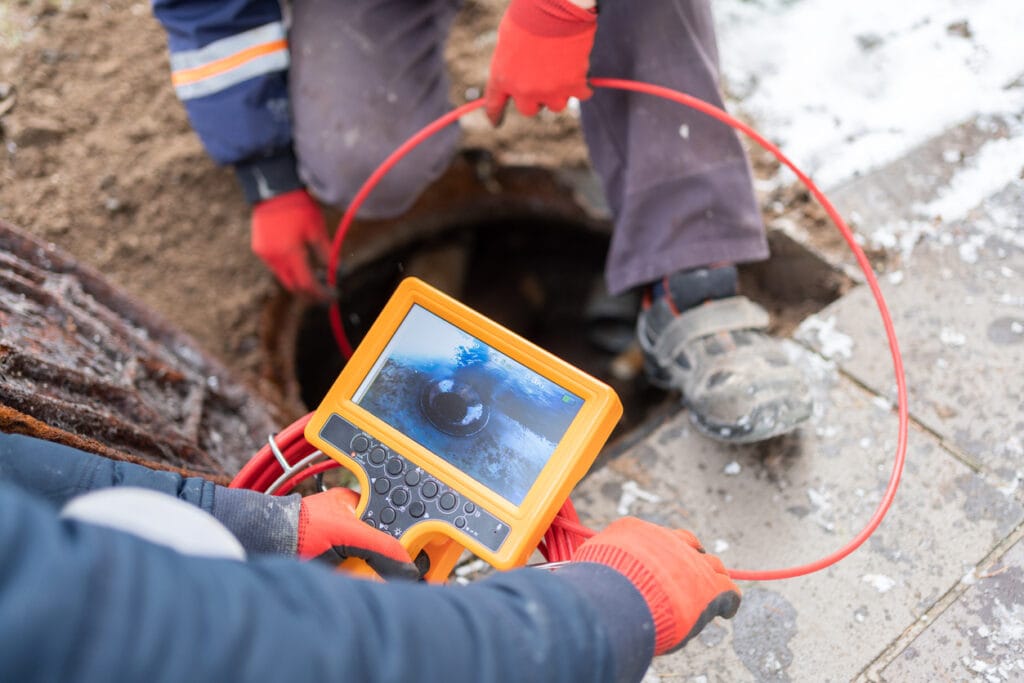
In Caroline Springs, the most common causes of main sewer line blockages are tree root intrusion from mature street trees and garden plantings, accumulated grease and debris in lines that have not been maintained, and collapsed or displaced pipe sections in properties that have undergone soil movement. A CCTV inspection identifies the cause and location immediately, allowing the correct repair to be scoped rather than guessed at.
Hot Water System Failure
A leaking or failed hot water system is one of the more common plumbing emergencies in Caroline Springs, partly because many homes in the suburb are now approaching the age at which their original systems need replacement. Storage hot water systems, both electric and gas, have a typical service life of 8 to 12 years for standard units and 10 to 15 years for premium models, depending on maintenance history and water quality.
A leaking tank is an urgent issue for two reasons. First, the volume of water that can escape from a leaking storage unit is significant. A 250-litre tank that fails overnight can discharge its entire contents before anyone wakes, causing floor damage and potential subfloor saturation. Second, a tank leaking at or near the pressure relief valve (also called the T&P valve or temperature and pressure relief valve) may indicate that the unit is overheating and that the relief valve is discharging as designed. This is a safety condition, not just a leak, and it means the unit needs immediate attention.
Warning signs that your hot water system needs urgent attention include: water pooling around the base of the unit; rust-coloured or discoloured water from hot taps; loud popping, rumbling, or cracking sounds during heating (caused by sediment build-up on the tank floor reacting with the heating element); a hot water system that is not producing hot water at all despite being powered; or water leaking from the pressure relief valve discharge pipe, which exits through an external wall or to the ground outside. Any of these signs warrant a same-day service call.
Gas Leaks
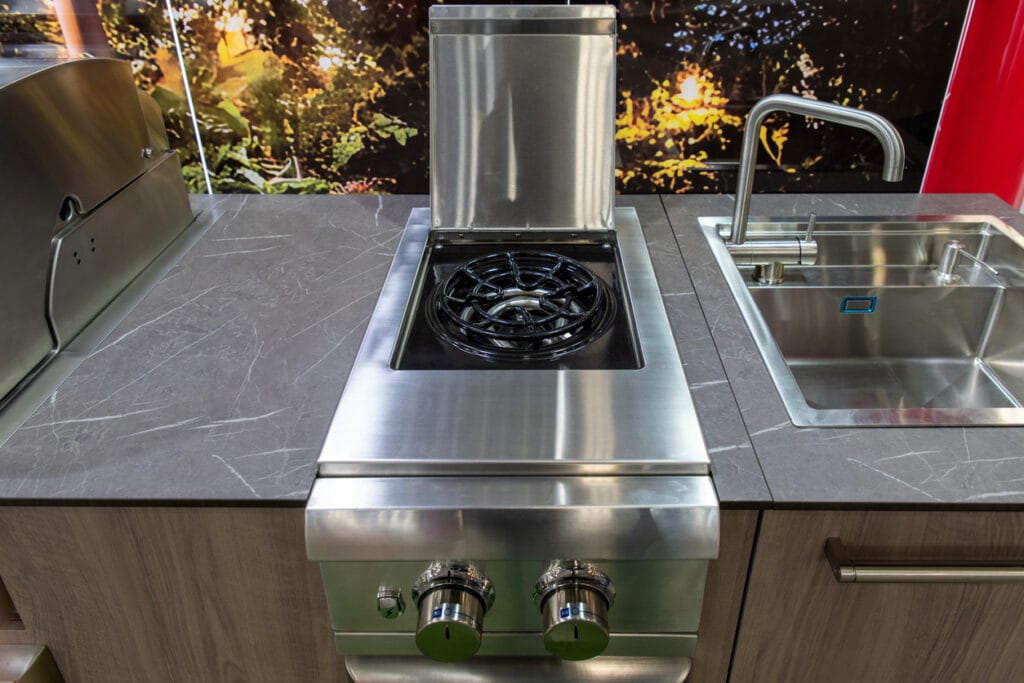
A gas leak is the most dangerous plumbing emergency a homeowner can encounter, and the correct response is non-negotiable. Caroline Springs has a high density of gas-connected homes. Natural gas is used for heating (ducted gas heating and wall furnaces), hot water, and cooking throughout the suburb.
Natural gas in Australia is odourised with ethyl mercaptan to produce the distinctive sulphur or rotten-egg smell associated with gas leaks. If you smell this odour near a stove, heater, hot water unit, or gas meter: do not touch any electrical switches (including lights, fans, or appliances); do not use your mobile phone inside the property; do not light any matches or open flames; leave the property immediately via the nearest exit; and from a safe distance outside, call your gas provider’s emergency line. In Victoria, APA Group manages natural gas distribution and operates an emergency line. After calling the gas provider, contact a licensed gasfitter.
Gas accumulates in enclosed spaces and can reach explosive concentrations quickly. Even a small leak into a poorly ventilated room, cavity wall, or subfloor space represents a genuine explosion risk. Our gas leak detection team uses calibrated combustible gas detectors to locate leaks precisely, including leaks that are not detectable by smell — low-level or slowly accumulating leaks that have not yet reached odour threshold concentrations.
After a gas leak is repaired and the system is recommissioned, the gas provider must inspect and restore supply. Your gasfitter will coordinate this process. Do not attempt to restore gas supply yourself at the meter.
Hidden Water Leaks Causing Structural Damage
Not all plumbing emergencies announce themselves with flooding or an obvious failure. A slow water leak inside a wall cavity, ceiling, or subfloor can run undetected for months. The water follows the path of least resistance — soaking into structural timbers, saturating insulation batts, and creating the warm, damp conditions ideal for mould growth. By the time a water stain appears on a wall surface or a ceiling begins to sag, significant structural damage has typically already occurred.
The clearest early warning sign of a hidden leak is an unexplained increase in your water meter reading. Melbourne Water and your retailer bill you based on consumption recorded at the meter. If your usage spikes with no change to household occupancy or behaviour, there is likely water going somewhere it shouldn’t be. You can check this yourself by turning off all fixtures in the home and watching the meter dial — if it continues to move, water is flowing through the supply system somewhere.
Other indicators include: damp or discoloured patches on walls or ceilings that are not explained by weather; soft or springy flooring over the subfloor in certain areas; a persistent musty smell in a room or corridor; or visible mould growth on surfaces that are not in humid rooms. Any of these warrant a leak detection inspection before the damage compounds further.
Modern leak detection uses thermal imaging cameras to detect temperature differentials in wall and ceiling surfaces caused by water presence, combined with acoustic listening equipment that detects the sound signature of pressurised water escaping from a pipe. This allows accurate location of leaks without requiring the walls to be opened speculatively. Once the leak is located, the repair is surgical rather than exploratory.
Toilet Failures
Toilet emergencies come in two main forms: a toilet that won’t stop running, and a toilet that won’t flush. A constantly running toilet wastes a significant amount of water — a faulty fill valve or flush valve can discharge 200 to 500 litres per day directly to the sewer. At Melbourne Water’s current residential water rates, a running toilet costs real money daily, in addition to wasting a scarce resource. It also creates ongoing moisture around the cistern from condensation, which can cause cistern cracking over time.
The most common causes of a running toilet are a deteriorated flapper valve (the rubber seal that closes the flush outlet), a faulty fill valve that does not shut off correctly once the cistern is full, or a float set too high that causes the cistern to overflow into the overflow tube continuously. All of these are quickly resolved by our toilet repair team in a single visit.
A toilet that won’t flush is a more urgent problem in a family home with limited bathroom facilities. If the toilet flushes weakly but water enters the bowl, the issue is typically a low flush volume (a partially closed supply valve, a deteriorated fill valve, or a cistern not filling fully) or a partial blockage in the trap or drain. If water rises in the bowl when the toilet is flushed and does not drain, there is a blockage in the drain line — and if multiple fixtures in the home are also backing up, the issue is the main sewer line, not an isolated blockage.
Conclusion
Plumbing emergencies can cause serious damage if they are not dealt with promptly. All issues mentioned above need quick attention to reduce the risk of further problems. That is why it’s important to contact a team of professionals as soon as possible.
New Image Plumbing provides 24-hour emergency plumbing services across Caroline Springs and the wider West Melbourne region. Call us at 0489 246 667 any time you need emergency plumbing assistance, and we will be on our way.
Frequently Asked Questions
What should I do first when a plumbing emergency happens at home?
Shut off your main water supply valve immediately to stop water flow, and the gas meter valve if the emergency involves gas. The water stop valve is typically located at the boundary of your property (below a small cover in the front garden) or at the meter box. If the emergency involves gas, leave the property without touching any electrical switches, and call your gas provider’s emergency line from outside. Once the immediate risk is contained, call a licensed plumber. Knowing the location of these valves before an emergency occurs saves critical minutes when it matters.
How do I know if my sewer is blocked or just a single drain?
If only one fixture is slow or blocked — a single basin, shower, or toilet — the issue is most likely localised to that drain or its trap. If multiple fixtures across the home are backing up simultaneously, particularly if a ground-floor toilet or floor drain is overflowing when water is run elsewhere in the house, the blockage is in the main sewer line. This is a significant emergency that requires stopping all water use immediately and calling a licensed plumber, as continued use forces more sewage back into the property.
Are plumbing emergencies covered by home insurance in Australia?
Most Australian home and contents insurance policies cover sudden and accidental water damage, including burst pipes and burst flexible hoses, subject to your policy terms and excess. Damage from gradual or slow leaks that you were aware of and did not act on is typically excluded — insurers treat this as maintenance neglect. Gas leak damage is usually covered under the home building policy. Document everything as soon as it is safe to do so: photograph the damage, keep all repair invoices, and notify your insurer promptly. Your plumber can provide a written report on the cause of the emergency to support your claim.
How quickly can New Image Plumbing respond to an emergency in Caroline Springs?
We provide 24-hour emergency plumbing and gas services across Caroline Springs and the surrounding West Melbourne suburbs. Response time for urgent emergencies such as burst pipes, sewage backup, or gas leaks depends on our current job load and proximity, but we prioritise genuine emergencies and dispatch as quickly as possible. Call 0489 246 667 directly for the fastest response — do not rely on web forms or email for emergencies.
Can I use my toilet and taps while waiting for a plumber?
It depends on the nature of the emergency. For a burst pipe or sewage backup into multiple fixtures, you must stop using all water-consuming fixtures immediately — flushing toilets, running taps, or using the washing machine will worsen the situation. For a single blocked drain with no backup in other fixtures, the rest of the home’s plumbing is generally still safe to use. For a gas leak, leave the property and do not use any appliances. If you’re uncertain, err on the side of caution and call for advice — a licensed plumber can talk you through the safe steps for your specific situation.
What causes hot water to suddenly go cold in a Caroline Springs home?
Sudden complete loss of hot water is most often caused by a failed heating element (in electric storage systems), a faulty thermostat, a tripped circuit breaker or blown fuse in the hot water circuit, or a failed gas valve or igniter (in gas systems). In gas continuous flow systems, a loss of gas supply to the unit — either from a supply interruption or a faulty solenoid — will also cause immediate cold-water output. If your hot water system is more than 10 years old and fails suddenly, it may be at end of life and require replacement rather than repair. A plumber can assess this quickly and advise on the most cost-effective path forward.