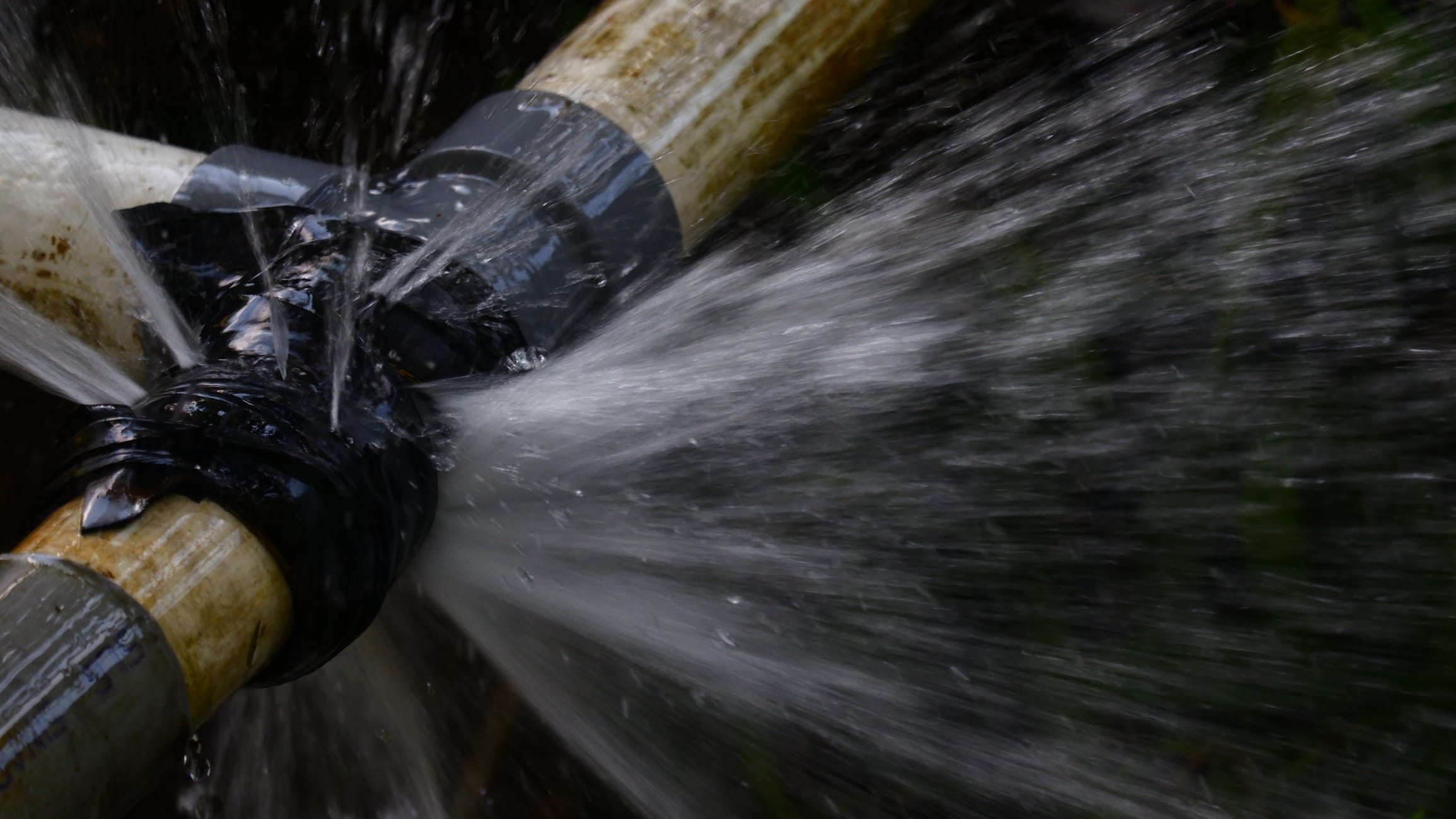
A burst pipe in Melton is one of the most stressful plumbing emergencies a homeowner can face. Water pours into your home at the same rate it normally flows through your taps and appliances. Every second the pipe runs unchecked, the damage compounds: waterlogged floors, saturated walls, ruined possessions, and a potential mould problem that follows weeks later. The difference between a manageable repair and a catastrophic insurance claim is often how quickly you can cut the water supply.
Most homeowners have never needed to shut off their water in an emergency and would not know where to start if they did. This guide gives you everything you need to know before an emergency happens so that if it does, you act confidently in the first 60 seconds instead of losing precious minutes searching for answers.
Why the First 60 Seconds Matter
A standard residential water supply in Australia delivers water at a flow rate of between 15 and 25 litres per minute depending on pipe size and mains pressure. In practical terms, a fully burst pipe left running for just five minutes can discharge between 75 and 125 litres of water into your home. That is enough to saturate a standard floor covering across several rooms.
- Water damage to structural timbers, plasterboard, insulation, and flooring accelerates with every additional minute the pipe runs.
- Electrical hazards are created almost immediately if water reaches power points, junction boxes, light fittings, or any other electrical infrastructure.
- The drying process for water-saturated plasterboard and framing typically takes 3 to 7 days with professional drying equipment, and longer if the water sat for an extended period before being stopped.
- Mould can begin to establish in wet building materials within 24 to 48 hours of exposure, significantly increasing the cost and complexity of the restoration.
- Every 60 seconds you save in stopping the water flow translates directly into reduced repair costs and less structural damage.
Knowing where your shutoffs are and how to operate them is not just a handy thing to know. In a burst pipe situation, it is one of the most practical, protective things you can do for your home and your family.
Finding Your Mains Water Shutoff
In most Australian homes, the main water shutoff is located at the water meter at the front of the property, near the street boundary.
- Look for a small rectangular concrete or plastic lid set flush with the ground or footpath near your front fence or property boundary.
- In newer estates, the meter box is often a larger plastic housing that may also contain your gas meter. It is typically located near the street-facing side of the property.
- Lift the lid and you will see the water meter, which records your usage, and the shutoff valve, which controls flow from the street main into your property.
- In some cases, especially in older properties, the meter may be located inside the property boundary, sometimes in a garden bed or near the front fence line. Check both sides of the boundary if you cannot find it near the street.
- If you cannot locate your water meter, contact your water retailer. For properties in the Melton and Bacchus Marsh area, this is typically City West Water or Western Water depending on your exact address.
Do this check today, before you ever need it. Walk to the front of your property, locate the meter box, lift the lid, and confirm the shutoff valve is accessible and looks operational. This 60-second task could save you thousands of dollars.
How to Operate the Mains Shutoff Valve
There are two types of shutoff valve commonly found at Australian water meters. Knowing which type you have before an emergency means you will not lose time figuring it out under pressure.
- Wheel valve: a circular valve that looks like a small steering wheel. Turn it clockwise, which is the same direction as tightening a screw, to close the valve and stop water flow. Turn it until it stops. Do not over-tighten.
- Lever valve: a straight bar handle that pivots. When the lever is parallel to the pipe, the valve is open and water is flowing. Turn the lever 90 degrees so it sits perpendicular to the pipe to close the valve and stop water flow.
- If the valve feels stiff or resistant, apply firm, steady pressure in the closing direction. Do not use tools to force it. A cracked meter fitting or a snapped valve stem creates a second emergency on top of the burst pipe.
- If the valve will not move at all due to corrosion or disuse, call your water retailer’s emergency line immediately. They can isolate supply from the street side while you wait for the plumber. For Melton area properties, City West Water’s 24-hour emergency line is 13 44 99. For Bacchus Marsh and surrounding areas serviced by Western Water, the 24-hour number is 1800 069 069.
- After the emergency is resolved, have a licensed plumber service or replace a stiff or corroded shutoff valve so it operates freely before the next time you need it.
Internal Isolation Valves
In addition to the mains shutoff at the front of the property, most Australian homes have one or more internal isolation valves that cut water supply inside the house without needing to go to the street.
- The main internal stop tap is most commonly located under the kitchen sink, inside a meter box on an internal wall, or near the hot water system at the side or rear of the property.
- In newer homes, isolation valves are often built into a wall cabinet or utility area. Check near the laundry, bathroom, or any purpose-built plumbing access panel.
- Individual fixtures such as toilets, washing machines, and dishwashers typically have their own isolation valves on the supply line directly behind or beneath the appliance. Turning these off isolates only that fixture, not the whole house.
- The hot water system has its own isolation valve on the cold water inlet, usually located within a metre of the unit itself. Turning this off stops the supply of cold water entering the system, which in turn stops hot water production.
- If you know the burst pipe is on an internal hot water line, turning off the hot water system isolation valve and the mains internal stop tap will often stop the flooding while you wait for the plumber Melton to arrive.
Walk through your home and locate every isolation valve. Know which valve controls which fixture or zone. This knowledge is invaluable in an emergency when you need to act fast.
Electrical Safety Before Entering a Flooded Area
Water and electricity are a serious and potentially fatal combination. Before you enter any area of your home where water has pooled or flooded following a burst pipe, the electrical safety check must come first.
- Locate your main switchboard, which is usually a metal panel box mounted on the wall in the garage, laundry, or near the front door. In Melton and Bacchus Marsh homes, it is often in the garage or an internal hallway.
- If water is visible near power points, light switches, downlights, ceiling fans, or any other electrical fitting, turn off the power to the affected area at the switchboard before entering.
- If you are unsure which circuit breaker controls the affected area, turn off the main switch that controls power to the whole property. You can identify where the water has gone after the power is off.
- Do not assume a power point is safe because it does not look wet. Water travels along wall cavities and can reach electrical fittings inside the wall without being visible on the surface.
- If you have any doubt about whether the area is electrically safe, stay out and wait for emergency services or a licensed electrician to declare it safe before entering.
What to Do After Shutting Off the Water
Once the water supply is isolated and you have confirmed the electrical safety of the affected area, work through these steps in order:
- Open taps throughout the house to drain the water remaining in the pipes. This reduces the volume continuing to flow from the burst section and relieves residual pressure in the system. Turn on both hot and cold taps including any outdoor taps.
- Turn off the hot water system at its power source, gas valve, or circuit breaker as appropriate for your system type. This prevents the system from attempting to heat water it cannot deliver and reduces the risk of additional component damage.
- Move what you can. Furniture, rugs, electronics, and personal items removed from the affected area quickly are far less likely to be a total loss. Even moving items to a dry room or covered outdoor area helps.
- Document the damage with photos and video before any cleanup begins. Comprehensive photographic evidence of the damage in its original state is critical for an insurance claim. Photograph the burst pipe, all affected surfaces, and every item that has been damaged.
- Call your insurer. Most home and contents insurance policies cover burst pipe damage. Call your insurer to notify them and ask about their approved restoration contractors, which may need to be used to preserve your claim.
- Call a licensed plumber. A burst pipe repair is not a DIY job. The repair must be carried out by a licensed plumber Bacchus Marsh who can also identify why the pipe failed, whether it is a one-off event or a symptom of a wider pipe network issue.
What Are the Common Causes of Burst Pipes?
Understanding why pipes burst helps you take steps to reduce the risk. The causes most commonly encountered in residential properties across the Melton and Bacchus Marsh area include:
- Corrosion and age. Older copper and galvanised steel pipes corrode from the outside and inside over decades of use. Pinhole leaks are often the first sign, and these can rapidly develop into full bursts.
- High mains pressure. Water mains pressure in some parts of Melbourne’s western suburbs can be higher than the standard residential operating range. Without a correctly set pressure reducing valve, pipe fittings and joints are under constant excess stress and are more likely to fail.
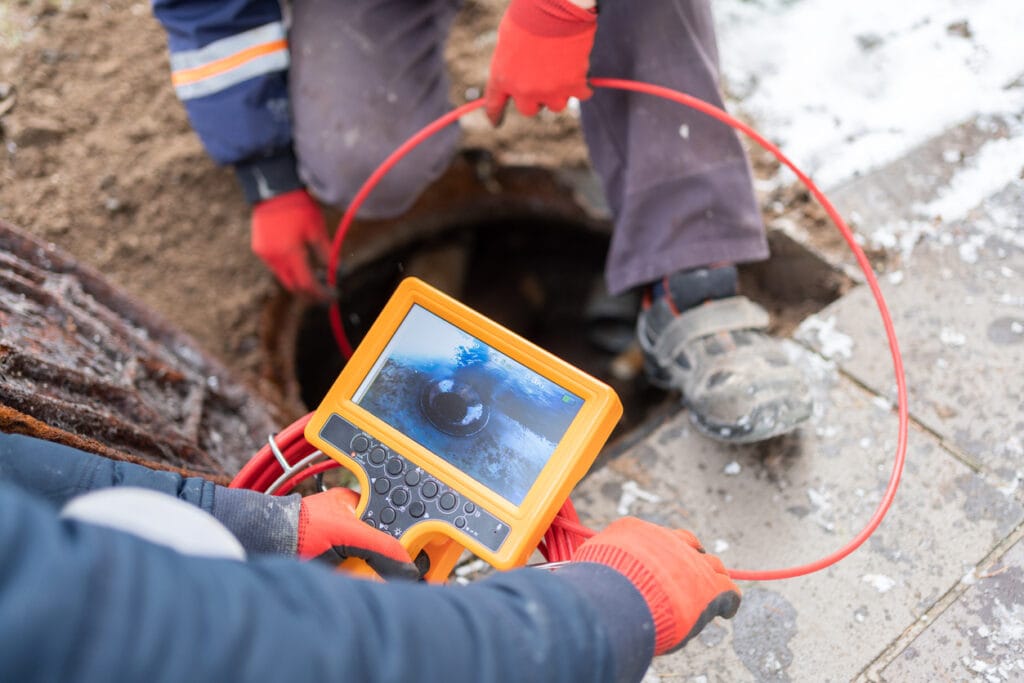
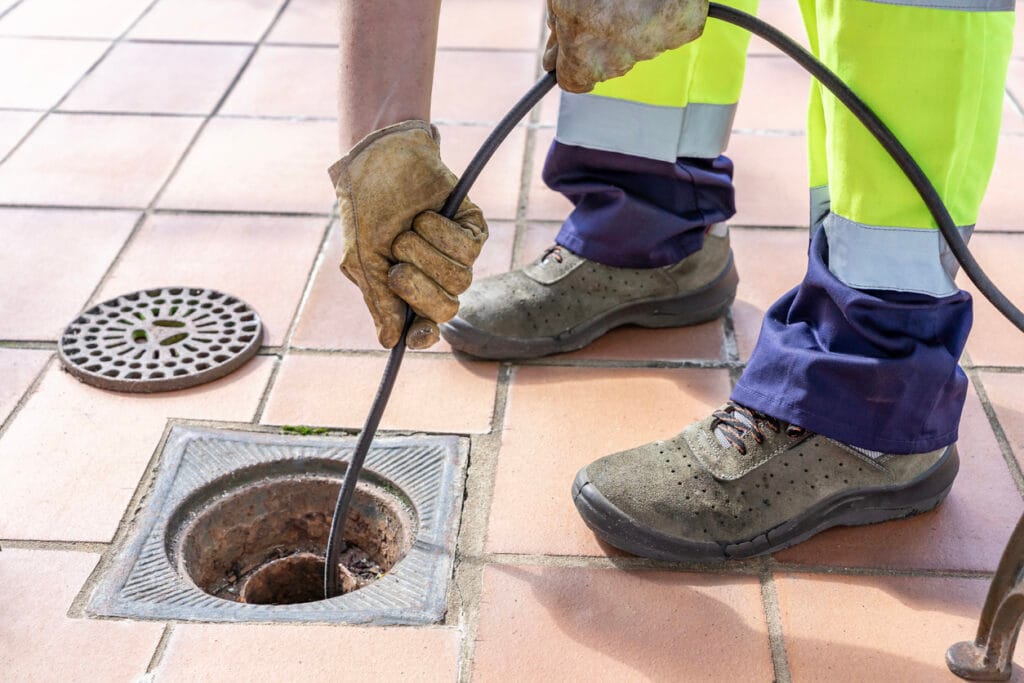
- Tree root intrusion. Roots that have grown into sewer or stormwater pipes create pressure on the pipe walls from the inside and can eventually cause the pipe to crack or collapse.
- Ground movement. Melbourne’s western suburbs are built on reactive clay soils that expand in wet conditions and contract in dry conditions. This movement can shift pipes relative to each other at joints and couplings, eventually causing leaks or fractures.
- Impact and excavation damage. Pipes damaged during landscaping, construction, or digging near the property may develop delayed failures weeks or months after the initial impact.
- Freezing in cold snaps. While less common in Melbourne than in alpine areas, extended cold periods can freeze water in exposed outdoor pipes or pipes in uninsulated roof spaces, causing expansion and eventual rupture.
Prepare Before You Need It: A Simple Household Checklist
The best time to prepare for a plumbing emergency is when you are not in one. Run through this checklist now and make sure every adult in the household knows what to do.
- Locate the water meter and mains shutoff at the front of the property. Confirm the lid is accessible and the valve is not seized.
- Identify the main internal stop tap and confirm it operates freely.
- Locate the hot water system isolation valve and confirm it operates freely.
- Find and label any individual fixture isolation valves under sinks, behind toilets, and at the washing machine and dishwasher.
- Find the main electrical switchboard and confirm you know which breakers control which areas of the house.
- Save the New Image Plumbing and Gas emergency number in your phone now: 0489 246 667.
- Save your water retailer’s 24-hour emergency number: City West Water 13 44 99 or Western Water 1800 069 069.
Conclusion
A burst pipe emergency is not the moment to start reading instructions. The preparation you do today, spending ten minutes locating your shutoff valves and walking every adult in your household through the process, directly determines how quickly and calmly you respond when water is flooding your home at two in the morning.
Homeowners can rely on New Image Plumbing and Gas for fast, professional burst pipe response 24 hours a day, 7 days a week. Once you have shut off the water and checked the electrical safety of the area, we are the call to make. We carry the materials and equipment needed for most residential burst pipe repairs on the same visit, and we will tell you honestly what caused the failure and what you can do to prevent it happening again.
Call us on 0489 246 667 for 24/7 emergency response, or book via our online form for non-emergency plumbing work across Melton, Bacchus Marsh, and Melbourne’s western suburbs.
Frequently Asked Questions
Where is the main water shutoff valve in most homes?
In most properties across Melton and Bacchus Marsh, the main water shutoff is at the water meter located at the front of the property near the street boundary. It sits under a small concrete or plastic lid set flush with the ground or footpath. The valve is either a wheel type, which you turn clockwise to close, or a lever type, which you rotate 90 degrees so it sits perpendicular to the pipe. Every adult in the household should know where it is and verify it operates freely before an emergency. For Melton area properties, your water retailer is typically City West Water (13 44 99). For Bacchus Marsh, it is Western Water (1800 069 069).
What should I do if the mains shutoff valve is stiff or will not turn?
Apply firm, steady pressure in the closing direction but do not use tools to force it. A cracked meter fitting or snapped valve stem creates a second problem on top of the burst pipe. If the valve will not move, call your water retailer’s emergency line immediately: City West Water on 13 44 99 for most of the Melton area, or Western Water on 1800 069 069 for Bacchus Marsh and surrounds. They can isolate the supply from the street side while you wait for a plumber. Once the emergency is over, have a licensed plumber replace the seized valve so it operates freely before you next need it.
Is it safe to enter a flooded room after a burst pipe?
Not until you have checked for electrical hazards. If water has reached power points, light switches, downlights, or any other electrical fitting, turn off the power to the affected area or the entire property at the main switchboard before entering. Water can travel along wall cavities and reach electrical fittings inside the wall without being visible on the surface. If you are uncertain whether the area is electrically safe, stay out and wait for emergency services or a licensed electrician. Once the power is confirmed off and the water supply is isolated, photograph all the damage before any cleanup for your insurance claim.
Should I open the taps after turning off the water mains?
Yes. Once the mains shutoff is closed, open taps throughout the house to drain the water remaining in the pipes. This reduces the volume continuing to flow from the burst section, speeds up drainage, and relieves residual pressure in the system. Turn on both hot and cold taps including any outdoor taps. If water continues flowing strongly several minutes after you have closed the mains valve, the valve may not be fully seated or you may have closed the wrong valve. Confirm the correct valve is fully shut.
How can I reduce the risk of burst pipes at my property?
Several factors increase burst pipe risk in Melbourne’s western suburbs. Have a licensed plumber check your mains pressure reducing valve if your property is older or has never had one installed, as high mains pressure is a leading cause of pipe joint and fitting failures. If your property has mature trees near sewer lines, a CCTV drain inspection every few years will catch root intrusion before it causes a major failure. Properties built on reactive clay soils, which are common throughout Melton and Bacchus Marsh, should have visible pipe fittings and joints checked periodically for signs of stress cracking. Call New Image Plumbing and Gas on 0489 246 667 to arrange a property plumbing inspection.