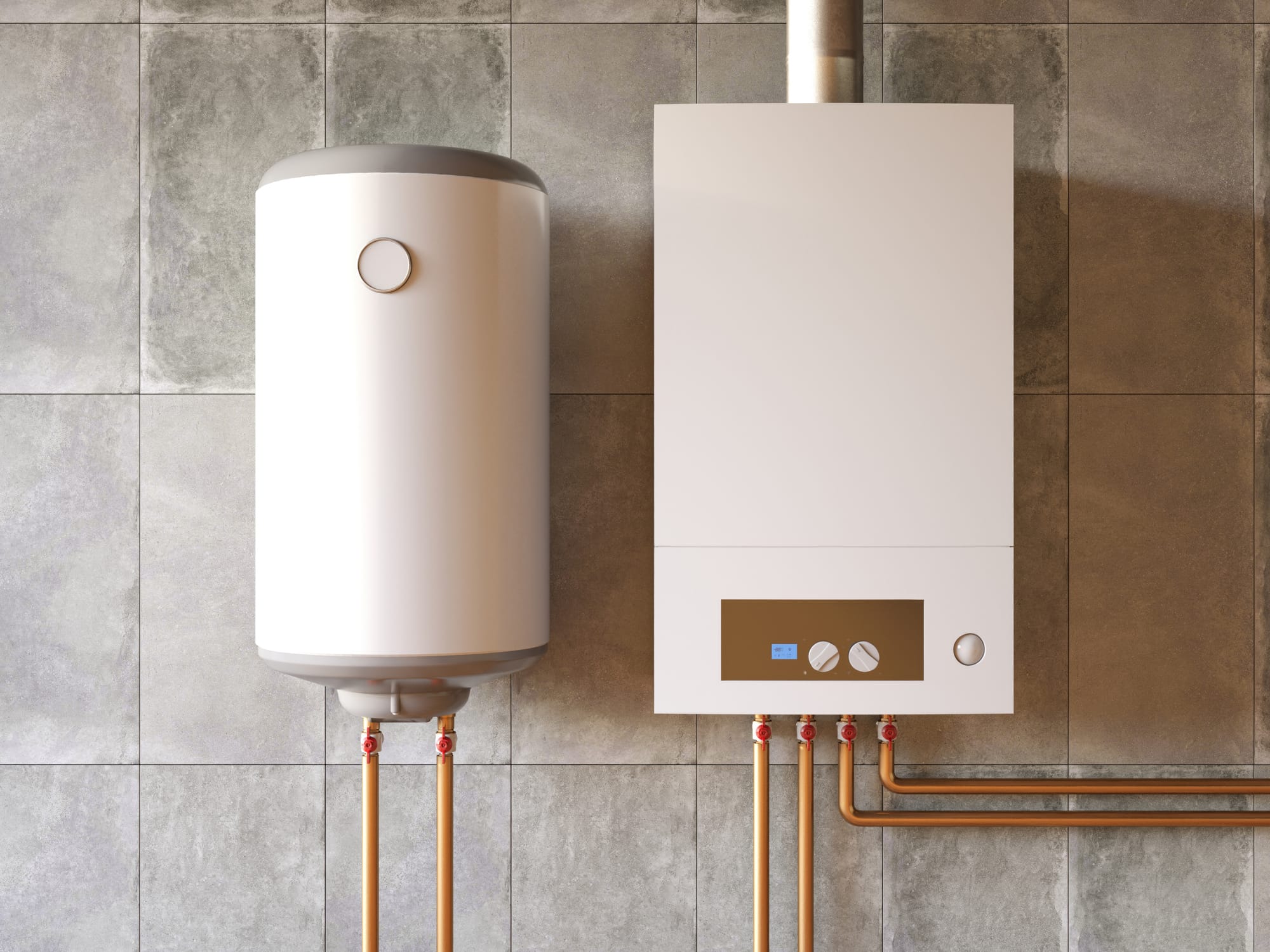
There are few household frustrations more disruptive than jumping into the shower only to find the hot water running out mid-rinse, or watching the temperature swing unpredictably between scalding and freezing. For homeowners in West Melbourne, where winter mornings can be genuinely cold, a hot water problem is not just an inconvenience — it is something that needs diagnosing and fixing properly. The cause is rarely obvious at first glance, and it depends heavily on the type of system you have installed. This guide breaks down every common reason your hot water system in Melton and Bacchus Marsh keeps going cold, so you know exactly what you’re dealing with and what to do about it.
Understanding the Two Main Hot Water System Types
Before diagnosing why your hot water keeps going cold, it helps to understand the fundamental difference between the two main system types found in Australian homes. Each has its own failure modes and behaves differently when something goes wrong.
Storage Hot Water Systems
A storage system heats a fixed volume of water in an insulated tank and keeps it ready for use. Common capacities for residential systems range from 80 to 400 litres. When you draw hot water from the tank, cold mains water enters from the bottom to replace it. Once the heated water in the tank is exhausted, you get cold water until the tank reheats. The key things to know about storage systems:
- They run on electricity, gas, or solar energy (with a gas or electric booster)
- Recovery time after exhaustion varies — electric systems can take 1 to 2 hours; gas systems recover faster
- The thermostat is typically set to 60°C to prevent Legionella growth, with a tempering valve bringing it down to a safe delivery temperature of around 50°C
- Tank size must be matched to the household’s peak demand
Continuous Flow (Instantaneous) Hot Water Systems
Continuous flow systems — also called instantaneous or tankless systems — heat water on demand using a gas burner or electric element. They do not store hot water; instead, they activate when you open a tap and heat the water as it passes through a heat exchanger. Key characteristics of continuous flow systems:
- They require a minimum flow rate to activate the burner (typically 2 to 3 litres per minute)
- They can supply hot water indefinitely, as long as demand does not exceed the unit’s capacity
- Multiple simultaneous outlets can overwhelm a smaller unit
- Gas-powered units are by far the most common in Australian homes
Running Out of Hot Water: Storage System Causes
If you have a storage system and you’re regularly running out of hot water, there are several possible explanations. The problem may be with demand, with the system’s ability to heat, or with the physical condition of the tank. Each cause has its own solution.
Increased Household Demand
A tank that was adequate for your household two years ago may not be sufficient today. If more people are living at the property, if shower durations have increased, or if a new appliance like a large spa bath has been added, the existing tank capacity may simply no longer meet your needs. Signs this is the cause:
- Hot water ran out fine until recent changes in household size or habits
- Hot water consistently runs out after a set number of consecutive showers
- The tank reheats and holds its temperature, but exhausts during peak use periods
Thermostat Set Too Low or Faulty
The thermostat controls the temperature the element or burner heats the water to inside the tank. Australian standards require storage systems to heat to at least 60°C to prevent Legionella bacterial growth. If the thermostat has drifted downward — a common occurrence as thermostats age — the tank may be heating to only 45°C or 50°C. This means:
- Less usable hot water per tank volume (lower temperature water mixes with cold sooner)
- Hot water that feels warm rather than genuinely hot at the tap
- Faster apparent exhaustion of the tank’s supply
- Increased risk of bacterial contamination in the tank
Sediment Buildup in the Tank
Over time, naturally occurring minerals — particularly calcium carbonate — settle out of the water supply and accumulate as sediment at the bottom of the storage tank. In areas like Bacchus Marsh and the broader western corridor, where water hardness can vary, sediment accumulation is a real and common issue. The consequences of sediment buildup:
- The sediment layer sits between the heating element and the water, reducing heating efficiency
- The effective capacity of the tank is reduced as sediment takes up space
- The element has to work harder and longer, increasing energy costs
- Sediment can eventually block the drain valve and cause element failure
Failing Heating Element
Electric storage systems typically use one or two immersion elements to heat the water. A partially failed element — one that is still drawing power but not heating efficiently — will cause the tank to heat slowly or incompletely. Symptoms of a failing element include:
- The tank takes much longer than normal to recover after use
- Hot water is available but only for a very short time
- Electricity bills have increased without explanation
- The element trips the circuit breaker intermittently
Dip Tube Failure
The dip tube is a plastic tube inside the tank that directs incoming cold water to the bottom, so it gets heated before rising to the top where the hot water outlet sits. If the dip tube cracks or breaks off, cold water entering the tank mixes directly with the hot water near the outlet rather than sinking to the bottom to be heated first. The result is a sudden and unexplained reduction in the hot water supply, even though the tank is full and the element is working correctly.
Fluctuating Temperature: Continuous Flow System Causes
Continuous flow systems don’t run out of hot water in the same way storage systems do. Instead, they produce temperature fluctuations — the water suddenly goes cold, or oscillates between hot and cold. These issues have distinct causes that are specific to how instantaneous heaters work.
Flow Rate Below the Activation Threshold
Every continuous flow unit has a minimum flow rate that must be achieved before the burner ignites. Typically this is around 2 to 3 litres per minute. If the tap is opened at a very low flow — such as when adjusting a shower mixer to a lower pressure setting — the unit may not activate at all, delivering only cold water. Causes of insufficient flow:
- A blocked or partially closed inlet filter on the unit itself
- Low mains water pressure at the property
- A pressure-limiting valve that has been set too conservatively
- Scale buildup inside the unit’s heat exchanger reducing flow
The “Cold Sandwich” Effect
This is a well-documented and almost universal characteristic of continuous flow systems. It occurs when you turn the tap off briefly and then back on again — such as when rinsing shampoo, adjusting temperature, or pausing to soap up. When the tap is turned off, the burner shuts down. The hot water already in the pipe between the unit and the showerhead continues to flow for a few seconds, then stops. When you reopen the tap, the cold water sitting in the supply pipe reaches you before the unit reactivates and reheats. You get a brief blast of cold water — the “cold sandwich” — before hot water resumes. This is normal behaviour for an instantaneous system and is not a fault, though if the cold period lasts more than a few seconds, the unit should be inspected.
Scale Buildup in the Heat Exchanger
The heat exchanger in a continuous flow unit is a series of fine copper tubes through which water passes while a burner heats them. In areas with mineral-rich water, scale gradually builds up on the inside of these tubes, narrowing the passage and reducing both flow rate and heat transfer efficiency. Over time, the unit delivers lower temperatures and may intermittently cut out. Signs of scale buildup in a continuous flow unit:
- Gradual reduction in output temperature despite the same settings
- Reduced flow from the hot water outlets even when the tap is fully open
- Burner cycling on and off during a continuous draw
- The unit has not been serviced in several years
Competing Simultaneous Demand
Every continuous flow unit is rated for a maximum simultaneous flow at a given temperature rise. A 16-litre-per-minute unit can comfortably supply one shower in a Melton winter. But if two showers are running simultaneously, or the dishwasher and a shower are running at the same time, the unit’s output is split between outlets. The temperature at each outlet drops, because the same amount of heat energy is being distributed across a larger volume of water. Solutions include installing a larger-capacity unit or fitting a second unit to service specific areas of the home.
Failing Burner Assembly or Gas Supply Issue
A burner that is failing — due to a dirty or cracked burner, a faulty ignition system, or a failing gas valve — will intermittently cut out during operation. The result is temperature fluctuation mid-shower. If your continuous flow unit is clicking repeatedly without igniting, producing a yellow or irregular flame, or cutting out mid-use, the burner assembly needs inspection by a licensed gasfitter.
Mixing Valve Issues
Thermostatic mixing valves (TMVs) are devices installed between the hot water system and the tap outlets to blend hot and cold water to a safe, consistent delivery temperature. Under Australian standards, storage hot water systems must heat to 60°C, but AS/NZS 3500 requires that water at certain fixtures — particularly showers — be delivered at no more than 50°C. The TMV is what makes this possible. When a TMV fails, the symptoms can mimic a hot water system fault:
- Hot water that arrives cooler than expected even when the system thermostat is correctly set
- Temperature that varies significantly between different positions of the shower handle
- One area of the house delivering inconsistent temperature while others are fine
- Sudden changes in delivery temperature even when nothing else has changed
TMVs have a finite service life and should be inspected and tested every 12 months under Australian standard AS 4032.3. A plumber Bacchus Marsh can test the valve’s output temperature and replace it if it has failed. This is a relatively simple repair and far cheaper than a full system replacement.
Shower Pressure Fluctuation
Sometimes what feels like a hot water problem is actually a pressure problem. When someone flushes a toilet or runs a cold tap elsewhere in the house while you are in the shower, it momentarily draws cold water from the mains. If the shower valve does not compensate for this, the balance between hot and cold water at the showerhead shifts, and the temperature changes — usually becoming hotter as the cold supply pressure drops. This is not a fault with the hot water system itself; it is a characteristic of homes without pressure-compensating (thermostatic) shower valves. Upgrading to a thermostatic shower valve eliminates this problem entirely by maintaining a constant mix ratio regardless of pressure fluctuations upstream.
When Should You Call a Plumber?
Some hot water problems are straightforward to identify and diagnose. Others, particularly those involving gas components, internal element failures, or TMV faults, require a licensed plumber Melton or gasfitter. Call a professional if you notice any of the following:
- Hot water has gone cold suddenly with no obvious change in household usage
- The system is making unfamiliar noises — banging, popping, or rumbling from the tank
- There is water pooling around the base of the hot water unit
- The pressure relief valve is dripping or discharging regularly
- The hot water smells unusual (rotten egg odour can indicate anode rod failure)
- The system is more than 10 years old and performance has declined noticeably
- You have a gas continuous flow system with ignition problems
Conclusion
A hot water problem doesn’t fix itself. Whether it’s a failing element, a scaled heat exchanger, a drifted thermostat, or a faulty mixing valve, every day the underlying issue goes unaddressed is another day of wasted energy, disrupted mornings, and the potential for a more serious and expensive failure down the track. Cold showers in winter are not something any household should have to put up with.
New Image Plumbing and Gas services hot water systems across Melton, Bacchus Marsh, Caroline Springs, and the wider western suburbs. We diagnose the real cause of the problem — not just the symptom — and give you honest advice on whether a repair, a component replacement, or a full system upgrade is the right move for your situation. Call us on 0489 246 667 or fill out our contact form to book a hot water assessment at a time that suits you.
Frequently Asked Questions
Why does my hot water go cold after a few minutes in the shower?
For storage systems, this usually means the tank has run out of heated water. This can happen because the tank is undersized for current demand, the thermostat is set too low, a heating element is partially failing, or sediment buildup has reduced the effective capacity of the tank. For continuous flow systems, it can indicate the heat exchanger is scaling up, the burner is intermittently cutting out, or the flow rate is dropping below the unit’s activation threshold. A plumber can diagnose which applies to your system and recommend the appropriate repair or upgrade.
What does the “cold sandwich” effect mean in a continuous flow system?
The cold sandwich is a brief burst of cold water that occurs mid-shower when you momentarily reduce or stop the flow — for example, when adjusting the temperature or pausing while showering. When the flow drops below the activation threshold, the burner shuts off. The hot water already in the pipe finishes flowing, then cold water from the supply reaches the showerhead before the unit reactivates. It is a known characteristic of instantaneous systems and is not a fault. However, if the cold period lasts more than a few seconds or happens randomly without a flow change, the unit’s burner assembly or activation threshold should be checked by a licensed plumber.
Can a thermostat fault cause hot water to go cold?
Yes. In electric and gas storage systems, a thermostat that has drifted or partially failed may not trigger the heating cycle correctly, causing the tank to heat to a lower temperature than set. The result is hot water that runs out faster than expected or arrives at the tap noticeably cooler than usual. A plumber can test the thermostat with a calibrated thermometer and replace it if the output temperature does not match the setpoint. This is one of the more affordable hot water repairs and is often overlooked as a cause of apparent performance decline.
Could a mixing valve be making my hot water go cold?
Yes. Thermostatic mixing valves blend hot and cold water to a set output temperature. A failing mixing valve can allow the cold side to dominate, producing fluctuating or consistently cool output even when the hot water system itself is working correctly. If hot water temperature varies in one area of the house but not another, a mixing valve serving that zone is a very likely cause. Under AS 4032.3, TMVs should be tested annually. A plumber can check the valve’s output temperature against its setpoint and replace it if it has failed.
How long should a hot water system last?
A well-maintained gas storage system typically lasts 10 to 15 years. Electric storage systems can last 10 to 12 years on average. Continuous flow (instantaneous) gas units have a longer life expectancy — often 15 to 20 years — with proper annual servicing. Solar systems vary depending on the collector type and booster configuration. If your system is approaching or past these ages and is experiencing performance issues, repair may still be cost-effective, but replacement should be factored into your planning. A plumber can give you an honest assessment of whether repair or replacement makes more financial sense for your situation.