Most blocked drains in Melton and Bacchus Marsh homes are entirely preventable. The problem is rarely a mysterious pipe fault or an ageing sewer line. In the majority of cases, it comes down to what households are putting down their drains every single day. Understanding what causes blockages and why certain items cause so much damage inside your pipes is the fastest, cheapest way to protect your plumbing system from unnecessary call-outs and costly repairs.
This guide covers the most common drain-blocking culprits found in Australian homes, what happens inside your pipes when they enter the system, and what you can do right now to prevent problems before they start.
Things You Should Stop Putting Down Your Drains
Cooking Oil and Grease
Cooking oil and grease are the number one cause of kitchen sink blockages in Australian homes. It is one of the most common reasons New Image Plumbing and Gas gets called out to Melton and Bacchus Marsh properties, and it is almost entirely avoidable.
Here is what actually happens inside the pipe:
- Hot cooking oil or fat poured down the drain is liquid at the time, which gives homeowners a false sense that it has safely cleared the system.
- As it travels through the cooler sections of the drain pipe, the fat begins to solidify and cling to the inner walls of the pipe.
- Each time more oil is poured down, it layers on top of the existing residue, progressively narrowing the internal diameter of the pipe.
- Food particles, soap, and other debris begin sticking to the greasy lining, accelerating the rate at which the blockage develops.
- Over months or years, this layer hardens into a dense, waxy plug that high-pressure water alone struggles to fully clear.
The correct disposal method is simple. Let oil and fat cool in the pan, then pour it into an old jar or tin, seal it, and place it in your general waste bin. For larger amounts of oil from deep frying, many councils including those servicing the Melton and Bacchus Marsh areas have cooking oil recycling drop-off points. Wipe the inside of pans with paper towel before rinsing to reduce the amount of residual fat entering the drain.
Wet Wipes and “Flushable” Wipes
This is one of the most damaging misconceptions in Australian households. Wet wipes, baby wipes, and products labelled “flushable” do not break down the way toilet paper does, regardless of what the packaging says.
What makes toilet paper safe to flush:
- Toilet paper is specifically engineered to disintegrate rapidly in water. It begins breaking apart within seconds of contact with water and is largely dissolved by the time it reaches the sewer main.
- Wet wipes, by contrast, are made from synthetic fibres, cellulose blends, or non-woven fabrics that retain their structural integrity in water for weeks.
- Even wipes marketed as “biodegradable” or “flushable” do not disintegrate fast enough to pass safely through residential drain systems.
- They accumulate in drain bends, at root intrusion points, and at pump stations where they form large, dense blockages known in the industry as “fatbergs” when combined with grease.
- Sydney Water, Melbourne Water, and water authorities across Australia have documented the enormous cost of wet wipe blockages in the sewer network, often attributing hundreds of thousands of dollars annually in maintenance to wipes alone.
The rule is simple: only toilet paper goes down the toilet. Everything else, regardless of what the label says, belongs in the bin.
Food Scraps
Even with a strainer in place, small food particles make their way into drain pipes every time dishes are rinsed. Over time, this accumulation becomes a significant source of blockages, particularly in kitchen drains.
The worst offenders in Australian kitchens:
- Coffee grounds do not dissolve in water. They clump together inside drain pipes and combine with grease to form a paste-like restriction.
- Rice and pasta continue to absorb water after cooking. Inside a drain pipe, they swell further and become sticky, catching other debris as it passes.
- Starchy foods such as potato peels and bread create a thick, gluey residue that coats pipe walls in the same way cooking oil does.
- Eggshells break into sharp, granular particles that mix with other debris and grease to create gritty blockages that are harder to clear with jetting.
- Fibrous vegetables such as celery, asparagus, and corn husks can wrap around drain components and create blockages that are particularly difficult to shift.
The most effective prevention is to scrape all plates, pots, and pans into the bin before rinsing. Use a quality drain strainer at the sink and clean it after every use. If you have a garbage disposal unit, run cold water for at least 30 seconds after use to flush the particles as far down the line as possible.
Hair
Hair blockages are the leading cause of slow-draining showers and bathroom basins in Melton and Bacchus Marsh homes. Unlike food particles, hair does not break down in water at all. It remains intact in the drain for months, forming a progressively denser plug that traps everything that follows it.
How hair causes blockages:
- Hair that enters the shower drain immediately begins to catch on any slight roughness or joint inside the pipe.
- Soap scum, which is a combination of soap and dissolved minerals in the water, coats the hair strands and binds them together.
- Body oils and conditioning products from shampoo and conditioner further bind the mass, making it stickier over time.
- The resulting plug grows denser with each shower until water can no longer pass through it at normal speed, and eventually cannot pass at all.
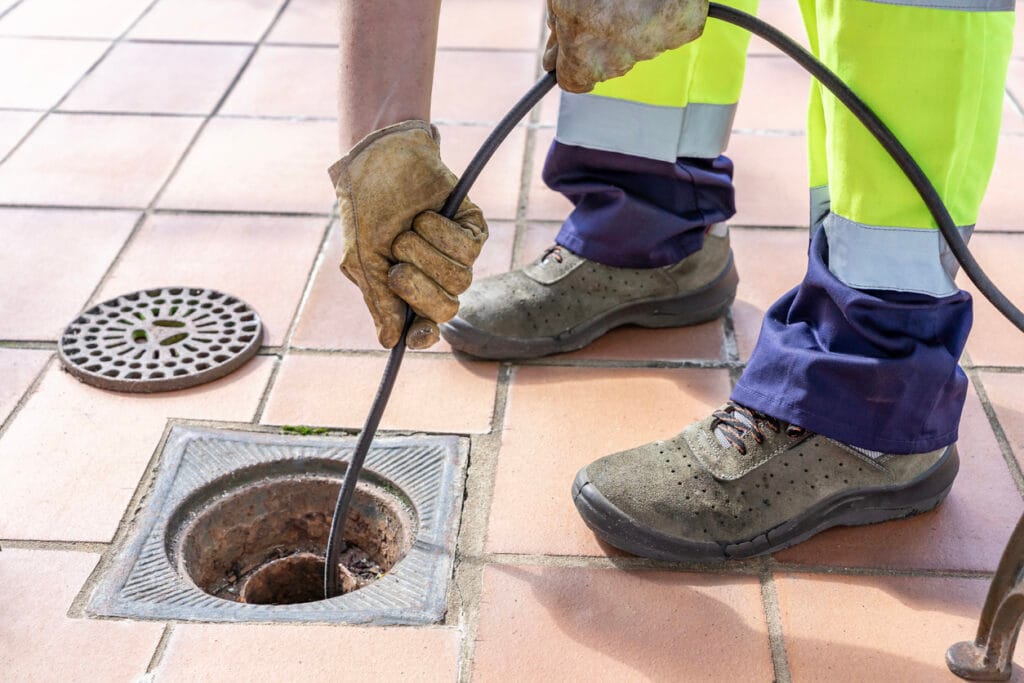
- The deeper the hair plug sits in the pipe, the harder it is to remove. Hair caught on a drain cover can be pulled out by hand in seconds; hair packed 30cm into the pipe requires a plumber’s drain snake or jetting equipment.
The solution is a hair catcher or drain guard that sits over the drain opening and intercepts loose hair before it enters the pipe. These are inexpensive, available at hardware stores, and require nothing more than a quick clean after each shower. It is one of the simplest maintenance habits a homeowner can adopt.
Cotton Pads, Cotton Tips, and Sanitary Products
These products are designed to absorb moisture, not to dissolve in it. When flushed, they absorb water and expand, and their structural integrity remains largely intact as they travel through the drain system.
Why these items are so problematic:
- Cotton pads and tips have a cotton core that does not break down in water. They catch on any restriction inside the drain, root intrusion, pipe joint irregularity, or existing debris, and build up quickly.
- Sanitary products, including pads and tampons, are specifically engineered to be highly absorbent. Inside a drain, they expand significantly and become a dense, solid mass.
- Condoms are made from latex, which does not dissolve in water and will travel through the drain system until they find a restriction to catch on.
- Paper towels and tissues, despite being paper-based, are engineered to resist moisture and do not disintegrate as quickly as toilet paper. They are not safe to flush.
Every single one of these items belongs in a bin. Bathrooms in Melton and Bacchus Marsh homes should have a small lidded bin within reach of the toilet so that disposal into the bin is the easy and natural choice rather than flushing.
Harsh Chemical Drain Cleaners
This one surprises most homeowners. Caustic chemical drain cleaners, the type sold in supermarkets and hardware stores across Melton, are often the go-to response to a slow drain. In practice, they create as many problems as they solve, and they are rarely effective against serious blockages.
The problems with chemical drain cleaners:
- They damage pipe materials. Caustic soda-based cleaners generate heat as they react with the blockage. In older PVC pipes, this heat can soften and warp the pipe walls. Repeated use degrades rubber seals and fittings over time, eventually causing leaks at joints.
- They are ineffective against the most common blockage types. Chemical cleaners work by dissolving organic material. They have no effect on root intrusion, structural pipe damage, collapsed pipe sections, or heavy grease and fat accumulations that have hardened over time.
- They are a safety hazard. Caustic drain cleaners are corrosive enough to cause serious burns to skin and eyes. When mixed with other household chemicals, including some other cleaners already in the drain, they can generate toxic fumes.
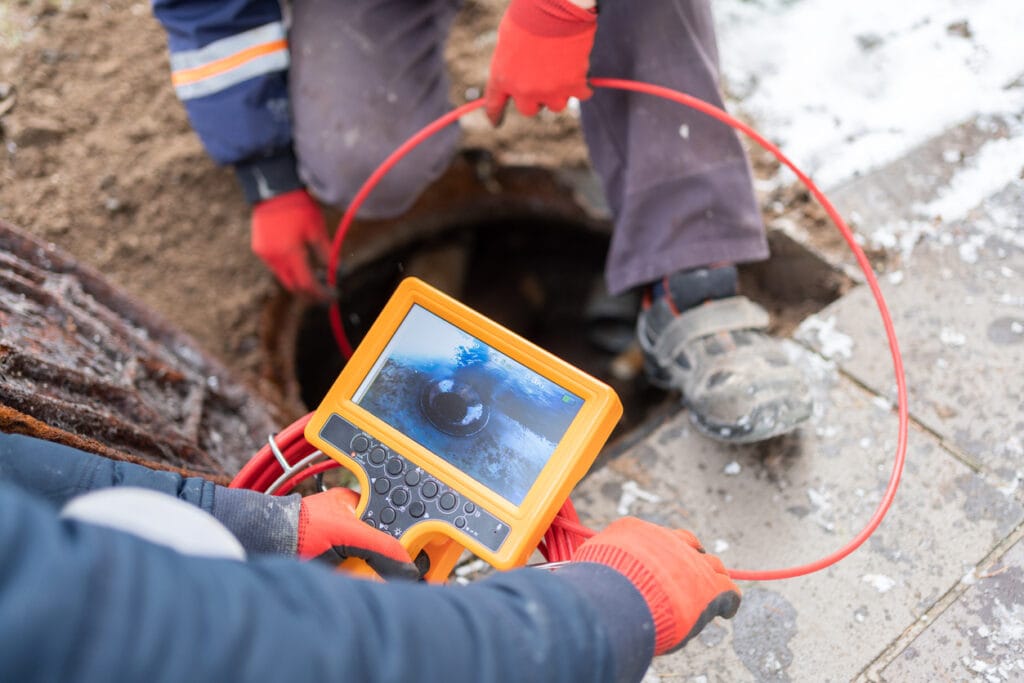
- They mask the real problem. A drain that clears temporarily after a chemical treatment may have an underlying issue such as a partial root intrusion or a structural pipe fault that will block again within days or weeks. A camera inspection from a licensed plumber identifies the real cause.
- Environmental impact. These chemicals pass through the drainage system into the broader water management network, where they can disrupt wastewater treatment processes.
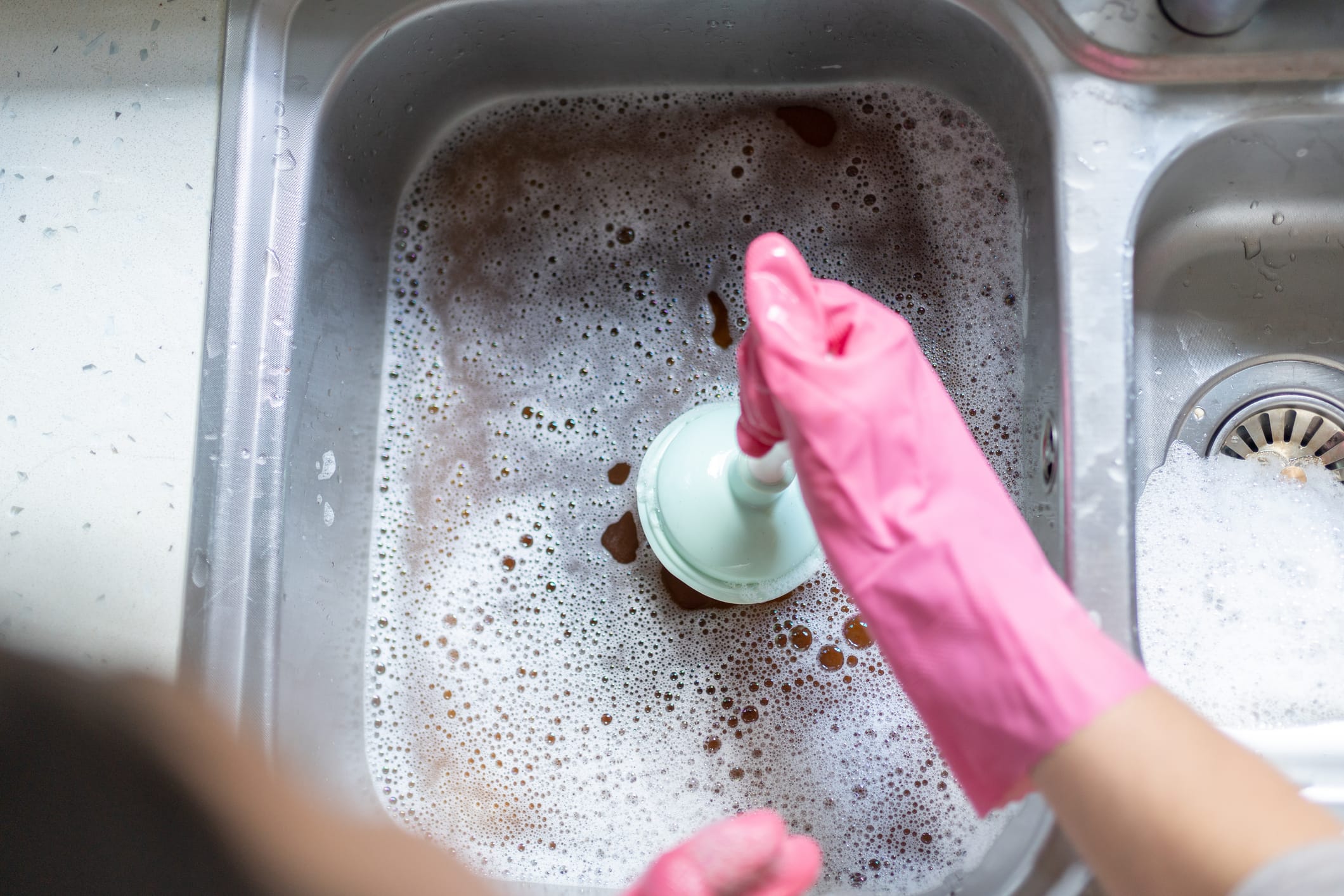
For a slow drain, a drain plunger is a safe and effective first step. For a recurring or fully blocked drain, a licensed plumber Bacchus Marsh with a water jetter and CCTV drain camera is the right call. It costs more than a bottle of caustic cleaner, but it actually fixes the problem and does not damage your pipes in the process.
Wet Cement, Plaster, and Building Materials
This is a less common but extremely damaging category, most often seen after renovation or construction work. Melton and Bacchus Marsh are growing suburbs with a high volume of new builds and home renovations, which makes this a more relevant issue than in established inner-city suburbs.
- Wet concrete or cement poured down a drain will harden inside the pipe. Even small amounts can create a partial restriction that grows as debris catches on the hardened surface. Larger amounts set completely and require pipe replacement.
- Plaster and render behave similarly. They are mixed with water and appear pourable, but once inside the pipe the water separates and the solid material sets against the pipe wall.
- Paint coats the inside of pipes and can trap debris. Oil-based paint in particular is resistant to water and builds up in layers over time.
- Gravel and dirt from outdoor or landscaping work entering stormwater drains settles and accumulates, progressively reducing flow capacity.
During any renovation or construction, ensure tradespeople understand that nothing except clean water should go down a drain. Rinse buckets and mixing equipment off-site or into a designated waste disposal container, never into the household drainage system.
Tree Roots
While not something you actively put down the drain, tree root intrusion is worth understanding because it is one of the most common underlying causes of persistent drain blockages in established Melton and Bacchus Marsh properties, particularly those with mature trees and older clay or concrete sewer pipes.
- Tree roots are naturally drawn to the moisture and nutrients inside sewer pipes. They enter through pipe joints, small cracks, or deteriorated rubber seals.
- Once inside, they grow rapidly into a dense mass that catches toilet paper, wipes, and other debris, accelerating the rate of blockage formation.
- Chemical root killers are a temporary measure. The root system outside the pipe continues growing and will re-enter the pipe.
- The permanent solution is either pipe relining, which creates a smooth new pipe surface inside the existing pipe without excavation, or in severe cases, pipe replacement.
- A CCTV drain inspection is the only reliable way to confirm root intrusion and assess the extent of damage before committing to a repair method.
If you notice your drains blocking repeatedly despite clearing them, or if multiple drains in the house are slowing at the same time, root intrusion is a likely cause. A camera inspection will give you a definitive answer.
Conclusion
The good news is that the vast majority of blocked drains are preventable with a few straightforward habits. Dispose of cooking oil in the bin, use a hair catcher in every shower, keep wipes and sanitary products out of the toilet, and skip the caustic drain cleaners when something slows down. These small changes protect your pipes, reduce your plumbing costs, and significantly lower the chance of a full blockage causing water damage or an inconvenient emergency call-out.
When a blockage does happen despite your best efforts, or if you are dealing with a recurring drain problem that keeps coming back, the team at New Image Plumbing and Gas are your local plumbers Melton. We use CCTV drain cameras to identify the true cause of the problem and high-pressure water jetting to clear it properly, not just temporarily. We will tell you honestly if there is an underlying issue worth addressing so you are not dealing with the same problem six months from now.
Call us on 0489 246 667 or submit our online form today!
Frequently Asked Questions
Is it really harmful to pour cooking oil down the drain?
Yes. Cooking oil and fat solidify as they cool inside the pipe, forming a sticky layer that traps food particles and narrows the drain over time. A single pour is unlikely to cause an immediate blockage, but the effect accumulates with every use. Let oil cool in the pan, pour it into a sealed container or old jar, and dispose of it in your general waste bin. Some local councils in the Melton area also have cooking oil recycling drop-off points.
Are flushable wipes actually safe to flush?
No, despite the labelling. Flushable wipes do not break down the way toilet paper does and are one of the leading causes of major sewer blockages across Australia. They pass through the toilet but remain structurally intact as they travel through the drain system, accumulating at bends, root intrusion points, and pump stations. Water authorities across Australia, including those servicing the Melbourne area, regularly pull massive wipe blockages from the sewer network. The only product safe to flush is toilet paper.
Can hair really cause a drain to block completely?
Yes. Hair does not dissolve in water and binds with soap scum, body oils, and conditioner residue to form a dense plug inside shower and bathroom drains. Bathroom and shower drains are particularly vulnerable because the combination of hair volume and soap products creates a rapid accumulation. A hair catcher that sits over the drain opening is the simplest and most cost-effective prevention. Clean it after every shower and the problem largely disappears.
Why are chemical drain cleaners bad for pipes?
Caustic drain cleaners generate heat during their chemical reaction, which can soften and warp older PVC pipes with repeated use. They also degrade rubber seals and fittings at pipe joints over time, creating leak points that would not otherwise exist. Beyond the pipe damage, they are largely ineffective against the most serious blockage types: root intrusion, structural pipe faults, and heavy hardened grease accumulations. A licensed plumber using water jetting equipment is safer, more thorough, and does not degrade your pipework.
What should I do about tree roots in my drain?
Tree root intrusion is one of the most common causes of recurring blocked drains in established properties in Melton and Bacchus Marsh, particularly in homes with older clay or concrete sewer pipes and mature trees nearby. Chemical root killers provide temporary relief but do not stop the root system from re-entering the pipe. A CCTV drain inspection is the only reliable way to confirm root intrusion and determine the extent of damage. Depending on what the camera shows, pipe relining or pipe replacement may be the appropriate long-term solution. Call New Image Plumbing and Gas on 0489 246 667 to arrange a camera inspection.