If your home was built before the 1990s, the gas system inside it is older than most of the safety standards that govern gas installations today. Pipes, fittings, appliance connections, and regulator components have all had decades to deteriorate, and in many cases they have never been inspected by a licensed gas plumber in Melton or Bacchus Marsh. For homeowners in West Melbourne, that is a risk worth taking seriously. A proactive approach to gas safety is not just sensible, for older properties, it is genuinely necessary.
Why Older Properties Face a Higher Risk
Gas systems installed in the 1970s and 1980s were built to the standards of the time. The materials used, the jointing compounds available, and the installation practices common in that era have all been superseded. What was acceptable then may now present a real hazard. Age alone does not mean a system is dangerous, but it does mean the likelihood of deterioration is significantly higher than in a newer home. Understanding where the risks concentrate helps you know what to ask a gasfitter to check.
Older Pipe Materials Are More Prone to Failure
The type of pipe material in your home makes a significant difference to how quickly deterioration sets in. Homes built before the 1990s commonly used galvanised steel gas lines, and many of those lines are still in service today.
- Galvanised steel corrodes from both directions. The exterior surface is exposed to soil moisture or wall cavities, while the interior accumulates scale and sediment over time. This dual attack can create pinholes and weak points that are not visible from the outside.
- Buried lines face additional risk. Gas pipes that run underground through the yard or under the slab are exposed to soil movement, moisture, and in some areas, slightly acidic soils. Without a pressure test, it is impossible to know whether a buried line has developed a slow leak.
- Joint degradation is cumulative. Every threaded joint, elbow, and tee fitting in an older galvanised system has had decades of thermal cycling. The repeated expansion and contraction of pipes through seasonal temperature changes gradually works at fittings, even those that were correctly installed.
- Pinhole leaks are the quiet danger. A small pinhole in a buried or enclosed gas line may not produce a smell that reaches the inside of the house. Gas can migrate through soil or dissipate in a wall cavity for an extended period before the concentration builds enough to become detectable indoors.
For Melton and Bacchus Marsh homes where the gas line runs from the street or from a tank at the boundary, it is worth asking a licensed gasfitter specifically about the condition and material of that supply line, not just the appliances inside the house.
Appliance Connections Degrade Over Time
Most homeowners know to check smoke alarms, but almost nobody thinks about the flexible gas hose behind the cooktop or the connection at the back of the heater. Those hoses have a finite service life, and many in older homes have been there since the appliance was installed.
- Flexible gas hoses have a recommended replacement interval. The Australian Gas Association recommends flexible gas hoses be replaced every five years, or as specified by the manufacturer. Many hoses currently in service in older homes are well past that point.
- Cracking and crazing are not always visible. The outer sheath of a flexible hose can appear intact while the inner lining has already begun to break down. A professional inspection with the right tools can identify hoses that are at risk even when they look fine externally.
- Appliance movement increases wear. Cooktops that are pulled out for cleaning, heaters that are shifted seasonally, and gas dryers that vibrate during operation all put stress on the flexible connection. Each movement shortens the effective life of the hose.
- Multiple appliances means multiple risk points. A home with a gas cooktop, gas heater, gas hot water system, and a gas oven has at least four flexible connection points that all require checking. In older homes, some of those connections may predate current standards.
If you are not sure when the flexible hoses in your home were last replaced, a licensed gasfitter can check them during a routine inspection. Replacement is straightforward and inexpensive compared to the alternative.
Joints and Fittings Lose Their Seal
Gas line fittings rely on jointing compounds, thread seal tape, and compression fittings to maintain a gas-tight connection. Every one of these materials ages, and in an older home that has never had a systematic check, deterioration can go undetected for years.
- Jointing compounds dry and shrink. Traditional pipe dope (jointing compound) used on threaded fittings can dry out over time, particularly in locations exposed to heat or temperature variation. As it shrinks, the seal at a threaded joint becomes less reliable.
- PTFE tape has limits. Thread seal tape used on gas fittings can be displaced by vibration or by the joint being disturbed. In a home where pipework was last touched 30 years ago, some joints may have had minor movement over the years without anyone noticing.
- Thermal cycling works joints loose. Every time a gas line heats up and cools down, the pipe and fitting expand and contract by slightly different amounts. Over thousands of cycles across decades, this can cause a threaded joint to slowly weep. The leak rate may be too slow to smell at first but can gradually worsen.
- Wall and ceiling penetrations are vulnerable. Where gas pipes pass through walls or under floors, the surrounding material can settle or shift, placing lateral stress on fittings that were not designed to handle that kind of load.
A licensed gasfitter uses electronic gas detectors during an inspection, which can identify trace concentrations at joints that would never be detectable by smell alone. For an older Melton or Bacchus Marsh home that has never had this done, it is a straightforward check that provides genuine peace of mind.
Appliances May Not Be Compliant With Current Standards
Gas appliances have a service life, and older appliances in particular may not meet the safety and efficiency standards that apply to new installations today. This matters not just from an efficiency standpoint but from a health and safety perspective.
- Older gas heaters can produce elevated carbon monoxide. Unflued gas heaters and older flued heaters that have not been serviced regularly can produce elevated levels of carbon monoxide during normal operation. Carbon monoxide is colourless and odourless, and exposure at elevated concentrations causes headaches, nausea, and in serious cases, loss of consciousness. A licensed gasfitter can test for carbon monoxide output during an inspection.
- Pilot lights on older appliances present a secondary risk. Appliances with standing pilot lights use a small but continuous gas flow. If the thermocouple that shuts off gas when the pilot is extinguished has worn out, gas can flow even when the pilot is not lit.
- Some older appliance types are no longer code-compliant for new installations. This does not necessarily mean an existing appliance must be removed, but a licensed gasfitter can advise whether an older appliance poses a safety risk that warrants replacement rather than continued use.
- Combustion air requirements may not be met. Older installations sometimes do not provide adequate combustion air for the appliance, which affects both efficiency and the completeness of combustion. Incomplete combustion produces carbon monoxide as a byproduct.
If your home has a gas heater that was installed in the 1990s or earlier and has not been professionally serviced in recent years, having it inspected before the next winter season is worth doing. For homes in Melton and Bacchus Marsh, where heating demand is real, a faulty heater is not an acceptable risk.
The Role of the Gas Metre and Regulator
The gas metre and its associated regulator are the entry point for the gas supply to your property. Most homeowners never think about them, but they are components with a finite service life like everything else in the system.
- The regulator controls the delivery pressure inside your home. It steps the higher distribution pressure down to the operating pressure your appliances are designed for. A regulator that has degraded can allow pressure to fluctuate, putting stress on appliance regulators and creating combustion issues.
- Metre connections can corrode at the union. The connections joining the metre to the supply line and to your internal pipework are subject to the same corrosion risks as the rest of the system. A corroded union at the metre can be difficult to detect without a pressure test.
- Metre setbacks and location changes. If there has been building work or landscaping around the gas metre since it was installed, the setback distances required by the regulations may no longer be met. A licensed gasfitter can confirm whether the current installation meets current standards.
How Often Should an Older Home Be Checked?
The right interval for gas system checks depends on the age of the property, whether the system has been partially updated, and whether there are any warning signs already present. For a home over 20 years old that has never had a systematic gas system check, the right answer is now. After an initial inspection, the appropriate ongoing interval can be established based on what the gasfitter finds.
- For homes with original 1970s-80s gas lines: An annual inspection is a sensible precaution, at least until the system has been assessed and any high-risk components have been replaced.
- For homes where major components have been updated: Every two to three years is a reasonable interval for ongoing checks, covering appliance connections, metres, and any remaining original pipework.
- After any work in the vicinity of gas lines: Renovations, landscaping, driveway replacement, or any excavation work near gas lines warrants a prompt inspection, even if the pipework was not directly disturbed.
- If you are buying an older property: A gas system inspection before settlement or immediately after purchase is strongly recommended. You will want to know the condition of the system before you rely on it.
A licensed gasfitter can inspect the metre, regulator, internal lines, appliance connections, and all flexible hoses, and provide a clear summary of the system’s condition and any recommended actions. That report gives you a baseline from which to plan any necessary work.
Warning Signs You Should Not Ignore
While many gas system issues develop without obvious symptoms, there are warning signs that should prompt immediate action rather than a scheduled inspection.
- A sulphur or rotten egg smell near any gas appliance, metre, or along a pipe route is the primary warning sign. Natural gas is odourised precisely so leaks can be detected by smell. Do not ignore it or assume it will go away.
- A hissing sound near a gas line, fitting, or appliance connection. Even a slow leak can produce an audible hiss in a quiet environment.
- Dead or discoloured vegetation in a line across the yard, particularly if it follows the route of a buried gas line. Gas leaking from an underground pipe kills the roots of plants directly above it.
- An unexplained increase in your gas bill without a corresponding change in usage can indicate gas is being lost through a leak in the system.
- A pilot light that keeps going out may indicate issues with the thermocouple, gas pressure, or combustion air supply, all of which warrant a check by a licensed gasfitter.
- Headaches, dizziness, or nausea that occur when using gas appliances and resolve when you go outside may indicate carbon monoxide accumulation. This is a medical emergency as well as a plumbing issue. Leave the property and call for help.
If any of these signs are present, do not wait for a scheduled inspection. Leave the property, call your gas provider’s emergency line from outside, and then contact a licensed gasfitter.
What a Gas System Inspection Actually Covers
A lot of homeowners assume a gas check means a quick look at the appliances. A proper gas system inspection by a licensed gasfitter covers considerably more than that.
- Pressure test on internal lines: The gasfitter isolates the internal pipework and tests it under pressure. A drop in pressure indicates a leak somewhere in the system, even if no smell is present.
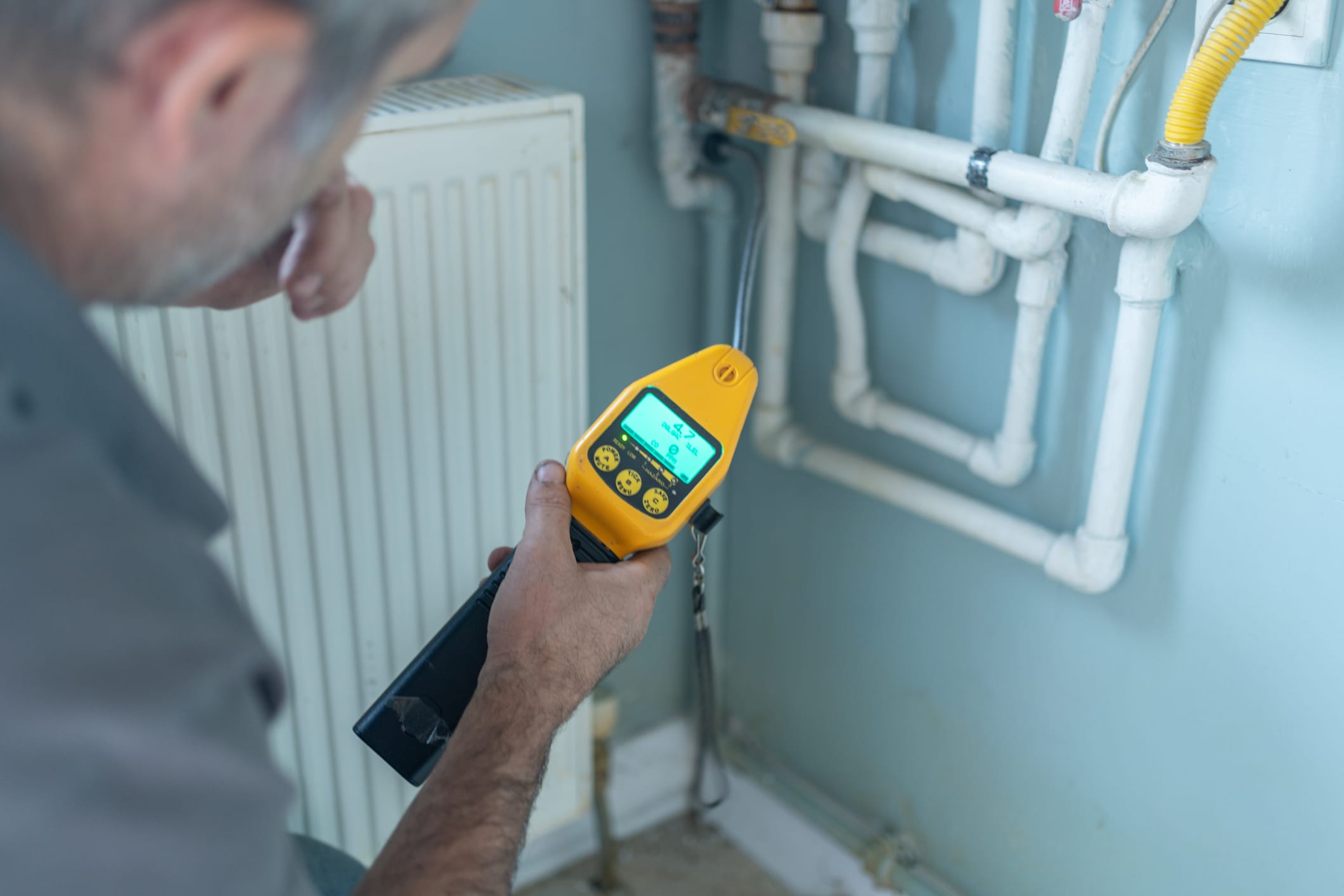
- Electronic leak detection: A handheld electronic gas detector is used at every joint, fitting, appliance connection, and metre union to check for trace concentrations that would not be detectable by smell.
- Flexible hose inspection: Every flexible hose in the property is checked for age, condition, and compliance. Non-compliant or aged hoses are identified for replacement.
- Appliance operation and combustion check: Each gas appliance is run and observed. Flame colour, behaviour, and carbon monoxide levels at the flue or exhaust are checked where possible.
- Metre and regulator inspection: The delivery pressure, the condition of the regulator, and the connections at the metre are all checked.
- Written report: A licensed gasfitter can provide a written assessment of the system’s condition, identifying any items that require immediate attention and any that should be addressed in the medium term.
Conclusion
For homeowners in West Melbourne with older properties, a gas system inspection is one of the most practical steps you can take to protect your home and family. The risks associated with ageing gas infrastructure are real, but they are also manageable when addressed early. A licensed gas plumber in Bacchus Marsh or Melton can give you a clear picture of where your system stands, what needs attention, and what can wait.
New Image Plumbing and Gas carries out gas system checks and gas leak detection. If your home is over 20 years old and the gas system has never been properly inspected, now is the right time. Call us on 0489 246 667 or fill out our online form to book an inspection. Getting the system properly checked is far less disruptive and far less expensive than dealing with the alternative.
Frequently Asked Questions
How often should gas leak checks be done on an older property?
For properties built before the 1990s with original gas appliances or fittings, an annual gas safety inspection by a licensed gasfitter is recommended. After an initial inspection that identifies the condition of the system, every two to three years is a sensible ongoing interval for most older properties. If you have recently purchased an older home and are unsure when it was last inspected, book one promptly. You want a baseline assessment before you rely on the system through winter.
What are the warning signs of a gas leak in an older home?
Common signs include a sulphur or rotten egg smell near appliances, fittings, or along pipe routes, a hissing sound near gas lines or connections, dead or discoloured vegetation running in a line over buried gas pipes, an unexplained increase in your gas bill without a change in usage, and a pilot light that keeps going out. If you suspect a gas leak, leave the property immediately without turning any lights or switches on or off, call your gas provider’s emergency line from outside, and then contact a licensed gasfitter.
Can old flexible gas hose connections fail without obvious warning?
Yes. Flexible gas hoses degrade over time and have a finite service life. The Australian Gas Association recommends replacement every five years. Hoses can develop micro-cracks in their inner lining that are not visible externally, or the connection fittings can work loose over time. A hose installed when an appliance was new 15 to 20 years ago may now be well beyond its service life. A licensed gasfitter can identify worn or non-compliant hoses and replace them before they fail.
Is it safe to stay in the house if I smell a faint gas odour?
No. Even a faint gas smell should be treated as an emergency. Leave the property immediately without turning any lights or switches on or off, and without using your phone inside the building. Once outside and at a safe distance from the property, call your gas provider’s emergency line. Natural gas and LPG are highly flammable and can accumulate to dangerous concentrations in enclosed spaces more quickly than most people expect. Do not re-enter until a licensed gasfitter has inspected the property and declared it safe.
What happens during a professional gas system inspection?
A licensed gasfitter will pressure-test the internal gas lines to check for leaks, use an electronic gas detector at all joints, fittings, and connections, inspect every flexible hose for age and condition, check each appliance for correct operation and combustion quality, and inspect the metre and regulator. In older homes they will also check for compliance with current standards regarding appliance types and installation requirements. You receive a clear summary of findings and recommendations, so you know exactly what the system’s condition is and what, if anything, needs to be done.