Modern mixer taps and single-lever taps are built around a ceramic cartridge, a small but critical component that controls both the flow and temperature of the water coming through your tap. When this cartridge is working correctly, you barely think about it. But when it starts to fail, you will notice it quickly. The symptoms of a faulty tap cartridge range from mildly annoying to genuinely damaging, and knowing how to recognise them early can save you money on water bills, prevent water damage, and avoid the need for a full tap replacement in Melton and Bacchus Marsh. For homeowners, here is what to look for.
What Is a Tap Cartridge and How Does It Work?
Before looking at the signs of failure, it helps to understand exactly what a tap cartridge is and what it does. In older-style taps, a rubber washer was compressed against a brass seat to stop the flow of water. Modern mixer taps — including the vast majority of kitchen taps, bathroom basins, and shower mixers installed over the past 20 years — use a different mechanism: a ceramic disc cartridge.
A ceramic disc cartridge consists of two precisely ground ceramic discs stacked on top of each other inside a housing. One disc is fixed; the other rotates when you move the tap handle. When you turn the handle to the closed position, the holes in the two discs are misaligned, blocking the flow. When you open the tap, rotating the upper disc aligns the holes, allowing water through. The amount of alignment controls the flow rate, and on a single-lever mixer, the lateral position of the lever determines the ratio of hot to cold water by simultaneously opening and aligning holes in both the hot and cold inlet ports. Key characteristics of ceramic disc cartridges:
- Extremely precise — the ceramic discs are ground to tolerances of a few microns
- Long-lasting under normal conditions — a quality cartridge can last 10 years or more
- Sensitive to hard water, debris, and aggressive chlorine levels, which can accelerate wear
- Brand and model specific — there is no universal replacement cartridge
What Are the Signs of a Faulty Tap Cartridge?
When a ceramic cartridge begins to fail, the symptoms are usually distinctive. Here are the most common signs that your tap cartridge needs inspection or replacement.
The Tap Drips After Being Turned Off
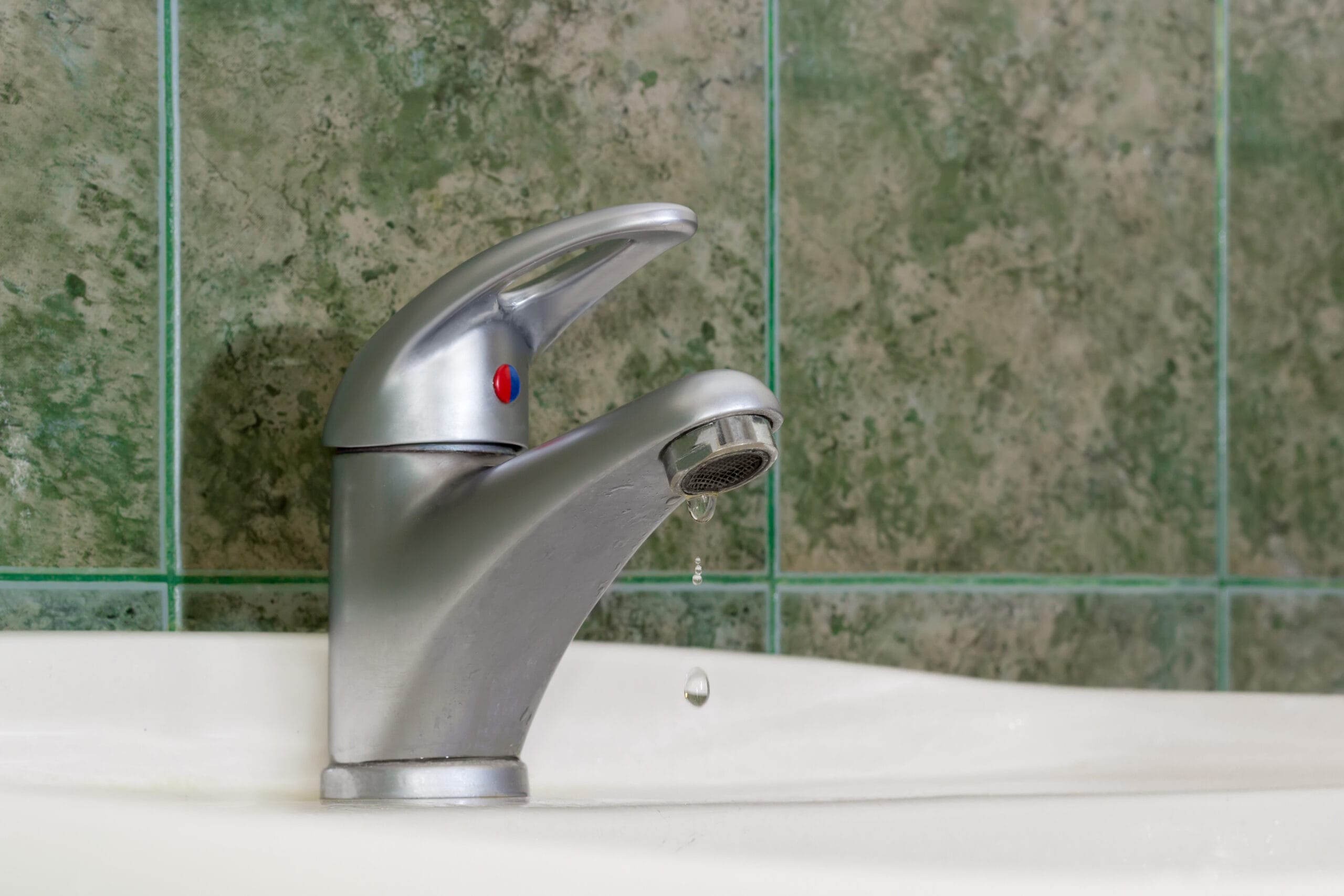
A persistent drip from the spout after the handle has been turned fully to the off position is the most common sign of a failing cartridge. When the cartridge is healthy, the ceramic discs create a near-perfect seal in the closed position. When the discs wear, crack, or become pitted, they can no longer create that seal, and water continues to slowly pass through. What makes a cartridge drip particularly worth addressing promptly:
- A dripping tap wastes significantly more water than most people expect — a single drip per second equates to more than 30 litres of water per day
- A hot water drip means your hot water system is also running unnecessarily to compensate for the constant drain on the tank
- The drip typically worsens over time as the cartridge wear progresses
- Sustained dripping can cause mineral staining and surface damage to the sink or basin below
The Tap Handle Is Stiff or Gritty to Operate
If a tap that was once smooth and easy to operate has become stiff, requires noticeably more force, or has a gritty or grinding feeling when you move the lever, this is a reliable sign that something has gone wrong inside the cartridge. The most common causes of handle stiffness:
- Sediment or mineral deposits have worked their way inside the cartridge housing and are interfering with the ceramic disc movement
- The ceramic discs have cracked or chipped, creating rough contact surfaces that resist turning
- The cartridge O-rings or seals have deteriorated, creating excessive friction in the mechanism
- Corrosion on the cartridge body or retaining clip has seized components that should move freely
Stiffness in a tap handle is a progressive problem. It starts as a minor annoyance but typically worsens until the handle becomes very difficult to operate, or until someone forces it and cracks a ceramic disc completely. Addressing it early is always the better option.
The Handle Is Loose or Will Not Hold Its Position
The opposite problem from stiffness is a handle that feels loose, wobbly, or fails to hold the temperature or flow setting you have selected. On a single-lever mixer tap, the handle should stay in whatever position you leave it. If it slides back toward the closed position, or if the temperature setting drifts, the internal mechanism of the cartridge has broken down. This type of failure is particularly noticeable when:
- A shower mixer handle will not stay at the preferred temperature position without being held
- The lever on a kitchen tap drops under its own weight toward the closed position
- You can feel play or rattling in the handle that was not there before
- The tap turns beyond its previous stop point, suggesting the cartridge retaining mechanism has failed
Water Leaking Around the Handle or Tap Base
A cartridge failure does not always manifest as a drip from the spout. If the cartridge housing has cracked internally, or if the O-rings that seal the cartridge within the tap body have failed, water can bypass the spout entirely and escape around the handle stem, around the base of the tap body, or from behind a wall-mounted fitting. Signs to watch for:
- Pooling water on the bench or vanity top around the base of the tap
- Moisture or staining appearing on the wall below a shower mixer
- Water tracking down the handle or tap body rather than from the spout
- A damp cabinet under a sink with no visible pipe joint leak
This type of leak can cause water damage that is not immediately visible — particularly for wall-mounted shower mixers, where water tracking behind the wall can cause mould growth and structural damage to wall cavities over weeks and months. If you suspect a leak behind a fitting, do not delay getting it investigated.
Temperature Mixing Is Inconsistent
A single-lever mixer tap controls temperature by adjusting the proportion of hot and cold water flowing through the cartridge. When the cartridge is working correctly, the same handle position consistently delivers the same temperature. When the cartridge is failing, the ratio becomes inconsistent — the same lever position delivers different temperatures at different times, or the temperature gradually drifts during use. This can also manifest as:
- A shower that requires constant readjustment to maintain a comfortable temperature
- A kitchen tap that alternates between warmer and cooler at the same handle position
- Water that arrives hotter or cooler than expected when first turning the tap on
- Inability to find a consistent “comfortable” position on a mixer lever that previously had a reliable sweet spot
Water Briefly Continues Running After Shutting Off
A brief dribble from the spout after closing the tap — lasting a second or two as water drains from the tap body — is normal and not a concern. However, if water continues to run for noticeably longer than that, or if there is a sustained slow drip for 10 or more seconds after closing, it indicates that the cartridge is not sealing cleanly in the closed position. This is an early-stage symptom of the same seal degradation that, if left unaddressed, progresses to a persistent drip.
What Accelerates Cartridge Failure?
Understanding what causes cartridges to fail early can help you get longer life from a replacement and make more informed decisions about tap maintenance. The main factors that shorten cartridge life:
Water Quality
Hard water — water with a high mineral content — is one of the primary drivers of early cartridge failure. As water passes through the cartridge, minerals precipitate out and deposit on the ceramic disc surfaces and in the cartridge housing. Over time this creates surface roughness that increases wear and eventually prevents the discs from sealing correctly. The water supply in Melbourne’s west, including areas around Melton and Bacchus Marsh, is generally within acceptable hardness ranges, but chlorine levels and pH can still affect cartridge longevity. If you have noticed mineral scale building up on your tap spouts, shower screens, or basins, the same mineral load is affecting your cartridges.
Debris in the Water Supply
Fine particles of sediment — rust from ageing pipes, sand, or mineral particles from the mains — can work their way inside a cartridge and score the ceramic disc surfaces. This problem is more common in homes with older galvanised or iron supply pipes, or after mains work has been carried out nearby and the supply has been repressurised. An inline filter fitted before the tap can significantly extend cartridge life in properties prone to this issue.
High Water Pressure
Residential water pressure in Australia is typically governed by a pressure-limiting valve at the meter, set to 500kPa or less. Properties where the pressure-limiting valve has failed, is set too high, or is absent can experience pressures well above this. High pressure accelerates wear on all sealing components, including cartridge O-rings and the ceramic discs themselves, and can cause water hammer that physically shocks the cartridge with each opening and closing. If you notice loud banging in the pipes when taps are closed, have your water pressure checked.
Cartridge Quality
Not all cartridges are manufactured to the same standard. Premium brands such as Grohe, Hansa, and Caroma use cartridges built to tight tolerances with high-quality ceramic. Budget tap brands often use lower-grade cartridges with softer ceramic or less precise manufacturing. A cheaper tap that needs its cartridge replaced every two to three years may end up costing more over its life than a quality fitting that runs for a decade on the original cartridge. This is worth considering both when purchasing new tapware and when deciding whether to repair or replace a failing tap.
Should You Replace the Cartridge or the Whole Tap?
When a cartridge fails, the decision to replace the cartridge alone or replace the entire tap depends on several factors. As a general guide:
- Replace the cartridge if the tap body, spout, and handles are in good condition, the tap is a quality brand with readily available cartridge stock, and the tap is less than 10 years old
- Replace the whole tap if the tap is a budget brand for which correct cartridge sourcing is difficult, if the tap body itself is corroded or damaged, if the tap is more than 10 to 15 years old and showing other signs of wear, or if you want to upgrade the style or functionality at the same time
A licensed plumber Melton can advise on parts availability for your specific tap brand and model before beginning the job, so you are not committed to a repair that turns out to be impractical or uneconomical.
Conclusion
A dripping tap, a stiff handle, or a mixer that will not hold temperature might feel like small problems, but left unattended they waste water, drive up bills, and can cause real damage — particularly when the leak is travelling behind a wall or underneath a vanity rather than visibly from the spout. Catching a faulty tap cartridge early means a straightforward replacement. Leaving it means the potential for much more extensive and expensive work down the track.
New Image Plumbing and Gas repairs and replaces tap cartridges across the broader western suburbs. We source the correct cartridge for your specific tap brand and model, carry out the replacement correctly, and test the repair before we leave. If the tap is beyond economical repair, we can advise on suitable replacement options to suit your budget and style preferences. Call us on 0489 246 667 or fill out our contact form to arrange a visit.
Frequently Asked Questions
How long do tap cartridges typically last?
A quality ceramic disc cartridge in a mixer tap can last 10 years or more under normal conditions. Cheaper cartridges or those in homes with hard water, high chlorine levels, or elevated water pressure may fail sooner. If your tap is less than five years old and already showing signs of failure, the cartridge quality or local water conditions are the most likely culprits. A plumber can assess the cartridge condition and advise on whether a higher-grade replacement is worth specifying.
Can I replace a tap cartridge myself?
Cartridge replacement is sometimes possible as a DIY task for confident and experienced homeowners, but there are important caveats. Sourcing the correct replacement for your specific tap brand and model can be genuinely difficult — there are hundreds of different cartridge types, and the wrong one will not fit or will not seal correctly. Incorrect reassembly can cause internal leaks that are not immediately visible. In Australia, any work that requires disconnecting or reconnecting water supply lines must be carried out by a licensed plumber. Replacing a cartridge inside an accessible tap body is generally considered minor maintenance, but if in doubt, call a plumber — the cost is modest and the risk of getting it wrong is avoided entirely.
My mixer tap handle feels stiff. Is that definitely a cartridge problem?
Stiffness in a mixer tap handle is one of the most reliable signs of a cartridge that is beginning to fail. Debris buildup inside the cartridge or worn ceramic discs create resistance when you operate the lever. However, stiffness can also result from a corroded or bent handle retaining screw, a warped handle fitting, or a seized retaining clip. A plumber will disassemble the tap to determine whether the stiffness is in the cartridge itself or in the handle assembly, and address the correct component. Either way, the tap should not be left in a stiff state — forcing a stiff handle can crack a ceramic disc and convert a simple cartridge replacement into a more extensive repair.
Why does water continue to run briefly after I turn the tap off?
A very brief dribble after closing the tap — lasting one to two seconds — is normal and simply reflects water draining from the tap body after the cartridge closes. If water continues to run for noticeably longer, or if there is a sustained slow drip, the cartridge discs are not sealing cleanly in the closed position. This is an early stage of the same failure that progresses to a persistent drip. It is better to address it at this early stage when the repair is straightforward, rather than waiting until a persistent drip has wasted thousands of litres of water.
Do all mixer taps use the same cartridge?
No. Cartridges are brand and model specific. There are hundreds of different cartridge types in circulation, varying in body diameter, port arrangement, ceramic disc dimensions, stem length, and retaining mechanism. Fitting an incorrect cartridge typically results in continued leaking, an incorrectly operating handle, or a handle that will not reassemble correctly at all. A plumber experienced with tapware repairs will identify the tap manufacturer and model before ordering a replacement, to ensure the correct cartridge is fitted the first time.