Tapware in Melton might not be the most glamorous part of a bathroom or kitchen renovation, but it’s one of the decisions you’ll interact with every single day. Whether you’re updating a tired bathroom in an older Melton home or fitting out a new kitchen in Bacchus Marsh, the choice between a mixer tap and separate hot and cold taps comes down to more than aesthetics. It affects how easy the tap is to use, how well it suits your water pressure, what it will cost to maintain over time, and how the space actually looks when it’s done. This guide breaks down everything you need to know about both options so you can make the right call for your specific situation.
What Is a Mixer Tap?
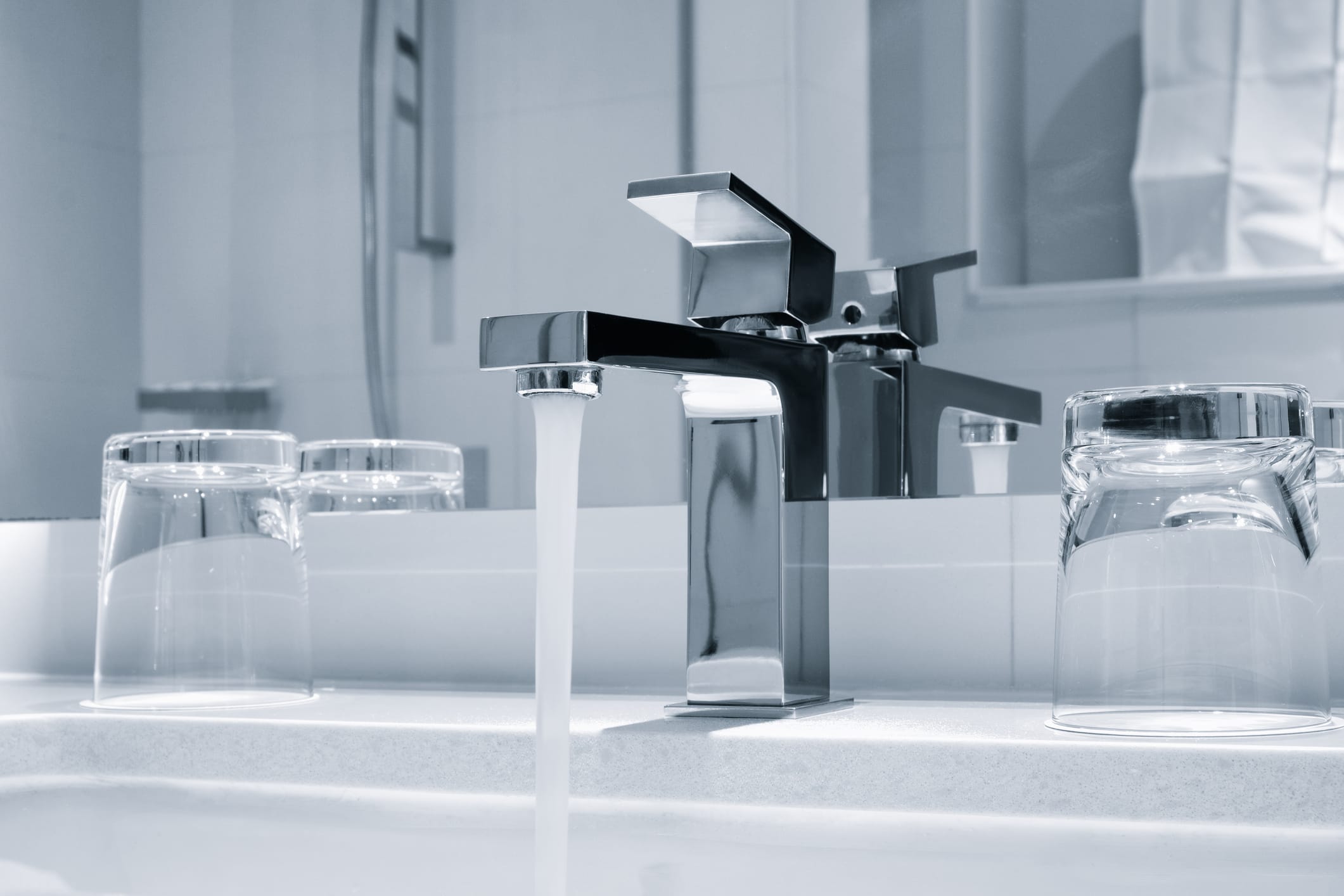
A mixer tap is a single fitting that combines hot and cold water inside the tap body and delivers blended water through a single spout. You control both the flow rate and the temperature using one handle — typically a lever that moves up and down for flow and side to side for temperature, though designs vary.
Key Characteristics of Mixer Taps
- Single handle operation — one movement controls both flow and temperature
- Ceramic disc cartridge — modern mixers use a ceramic disc mechanism that is precise, durable, and largely drip-free
- Compact footprint — one tap body takes up less bench and sink space than two separate fittings
- Wide style range — available in contemporary, minimalist, industrial, and transitional styles to suit most modern renovation directions
- Thermostatic options — high-end mixer taps include thermostatic control that locks in a set temperature regardless of supply pressure fluctuations
What Are Separate Taps?
Separate taps — often called pillar taps or quarter-turn taps — are two independent fittings, one for hot and one for cold. Each tap controls a single water supply. You blend the temperature manually by opening and adjusting both taps simultaneously.
Key Characteristics of Separate Taps
- Two independent fittings — one for hot supply, one for cold supply
- Washer or cartridge mechanism — traditionally washer-based, though modern versions use ceramic discs
- Heritage aesthetic — naturally suits period, traditional, or heritage-style kitchen and bathroom designs
- Simple mechanics — straightforward internal mechanism with widely available spare parts
- Two maintenance points — each tap is a separate unit that can fail or wear independently
Temperature Control
On day-to-day usability, mixer taps have a clear advantage. You find the right temperature setting once and the single handle stays there. Hot-and-cold adjustment is immediate and intuitive, even without looking at the tap.
With separate taps, achieving a consistent temperature requires actively adjusting two independent valves simultaneously. This becomes habitual over time, but it’s never as precise or as quick as a single-handle mixer. Separate taps are also more affected by temperature variation in the hot water supply — if the hot water temperature changes, you need to readjust both taps to compensate.
For households with young children or elderly family members in Melton and Bacchus Marsh, mixer taps with thermostatic control are worth serious consideration. A thermostatic mixer can be pre-set to a maximum temperature, preventing accidental scalding without requiring the user to actively manage the temperature themselves.
Water Pressure Compatibility
This is an area where separate taps can hold an advantage in certain older homes, and it’s important to understand before you commit to either option.
What to Consider With Mixers and Water Pressure
- Equal pressure requirement — some older and mid-range mixer tap designs require hot and cold water to be delivered at equal or near-equal pressure to perform correctly. In homes where the hot water system is gravity-fed or located far from the tap, hot-side pressure may be significantly lower than cold-side pressure, causing the mixer to perform poorly.
- Modern thermostatic mixers — higher-quality thermostatic mixer taps are specifically designed to compensate for unequal pressure and perform reliably across a wider range of supply conditions.
- Older separate taps — because they control each supply independently, they are not affected by pressure imbalance in the same way. Each tap simply delivers whatever pressure is available on its supply line.
Before selecting any tapware for an older Melton or Bacchus Marsh home, it’s worth having a plumber check your hot and cold supply pressures. Choosing the wrong tap for your pressure conditions leads to poor performance regardless of how much you spend.
Maintenance and Repairs
Both tap types require maintenance over their lifetime, but the nature and cost of that maintenance differs.
Mixer Tap Maintenance
- Cartridge replacement — when a mixer tap starts dripping or becomes stiff to operate, the ceramic disc cartridge is typically the cause. Cartridge replacement is a straightforward job for a licensed plumber Bacchus Marsh.
- Brand dependency — cartridges are brand-specific. If you’ve installed a budget or obscure imported mixer, sourcing the correct replacement cartridge can be difficult and delays the repair.
- Single point of failure — one cartridge handles everything, so when it fails, the whole tap is affected.
Separate Tap Maintenance
- Traditional washer replacement — older separate taps use rubber washers that wear over time and cause dripping. Re-washering is a simple, inexpensive repair.
- Parts availability — washers and standard cartridges for separate taps are widely stocked. Repairs are usually fast.
- Two independent mechanisms — each tap is its own unit, which means twice as many components to eventually maintain. In practice, this rarely creates major issues, but it’s worth factoring in.
The most practical takeaway: buy quality tapware regardless of which style you choose. Cheap imported tapware fails faster, is harder to source parts for, and ends up costing more over its lifetime than a quality Australian or European product installed properly from the start.
Aesthetics and Style Fit
The right choice for your space depends heavily on the renovation style you’re pursuing.
When Mixer Taps Fit Best
- Contemporary, Scandinavian, or industrial kitchen and bathroom styles
- Spaces where bench or vanity real estate is limited
- New builds or full renovations with a clean, minimal design direction
- Bathrooms and kitchens in newer Bacchus Marsh estates where the overall design palette is modern
When Separate Taps Fit Best
- Heritage, period, or federation-style homes common in older Melton suburbs
- Bathroom renovations deliberately evoking a traditional or classic style
- Freestanding baths where cross-handle or pillar tapware is part of the visual language of the space
- Laundry fitouts where the practical and utilitarian look suits the space
A Note on WELS Ratings and Water Efficiency
All tapware sold in Australia must carry a WELS (Water Efficiency Labelling and Standards) rating. The rating reflects flow rate — not the design type. Both mixer taps and separate taps can achieve strong WELS ratings depending on the model chosen.
When water efficiency matters:
- Look for taps with a 5 or 6 star WELS rating for bathroom basins
- Kitchen mixers with aerators reduce flow rate without reducing perceived water pressure at the spout
- Flow restrictors can be added to many mixer tap spouts post-installation if needed
Conclusion
The best tap for your home depends on your water pressure, your renovation style, your household’s daily needs, and your budget. Getting that combination right from the start saves you money and frustration over the long run.
New Image Plumbing and Gas supplies and installs both mixer and separate tapware for homeowners across West Melbourne. We’ll assess your water pressure, discuss your style preferences, and recommend tapware that’s properly suited to your home, not just whatever looks good in a showroom. Call us today 0489 246 667 to arrange a tapware consultation or to get a quote on your bathroom or kitchen renovation.
Frequently Asked Questions
Are mixer taps harder to repair than separate taps?
Not necessarily harder, but the process is different. Mixer taps use a ceramic disc cartridge that needs to be replaced when it wears out, rather than a simple rubber washer. The repair itself is straightforward for a licensed plumber. The key variable is parts availability — if you’ve installed a quality branded mixer, the cartridge is easy to source. Budget or obscure imported tapware can make sourcing the correct cartridge a slow and frustrating process.
Can I install a mixer tap where separate taps currently exist?
In most cases yes, but it depends on the spacing between your existing hot and cold inlet pipes. Separate tap inlets are fixed at a set distance apart, and the mixer tap you select needs to match that spacing or your plumber needs to adjust the pipework. This is usually straightforward in a bathroom vanity but can be more involved in certain older kitchen configurations. A plumber can assess this in a quick site visit before you purchase.
Do mixer taps work well with low water pressure?
Some mixer tap designs have a minimum operating pressure below which performance suffers — water flow becomes weak or the temperature control becomes unpredictable. If your Melton or Bacchus Marsh property has low mains pressure or a gravity-fed hot water system, your plumber should confirm the tap’s minimum pressure rating before you purchase. Thermostatic mixer taps designed for low-pressure applications are available and perform reliably where standard mixers would struggle.
How long should a quality mixer tap last before needing replacement?
A quality mixer tap fitted with ceramic disc cartridges and installed correctly should last between 10 and 20 years under normal household use. Cheaper imported tapware often fails well before that mark due to inferior cartridge materials and casting quality. Water quality also plays a role — properties in parts of Melton and Bacchus Marsh with harder water may see faster wear on cartridge internals over time. A plumber can advise on whether a water filter or softener is worth considering for tapware longevity.
Is there a water efficiency difference between mixer taps and separate taps?
The tap style itself doesn’t determine water efficiency — the WELS rating of the specific product does. Both mixer taps and separate taps are available across the full range of WELS star ratings. What matters when choosing for efficiency is selecting a product with a strong WELS rating (4 stars or above for a bathroom basin) and considering whether an aerator or flow restrictor suits the application. Your plumber can advise on which products deliver the best efficiency for each location in your home.