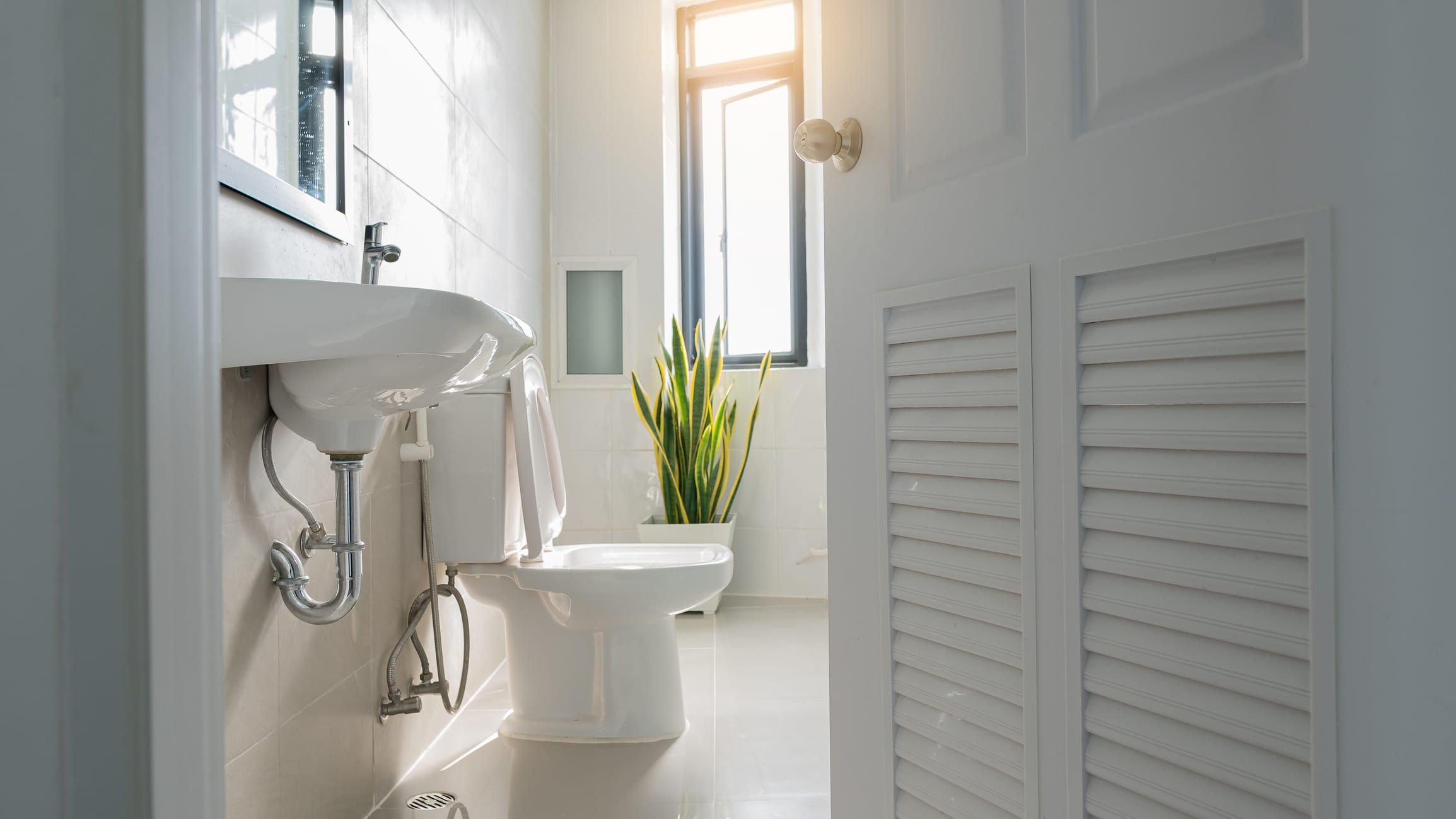
The cistern is the tank that sits behind or above the toilet bowl, holding the water used for each flush. It is a relatively simple mechanism, but when components inside it begin to fail, the effects can range from a mildly annoying constant sound to a significant amount of wasted water each day. A faulty cistern left unattended is one of the most common sources of an unexpectedly high water bill. The good news is that most cistern problems are straightforward to diagnose if you know what signs to look for. This guide covers every common symptom of a failing toilet cistern, what is causing each one, and when you need a plumber Melton to fix it properly.
How a Toilet Cistern Works
Understanding the basic mechanism helps you identify which component is causing the problem. A standard toilet cistern contains a small number of working parts:
- The inlet valve (fill valve): Controls the flow of water into the cistern from the supply line. It opens when the cistern empties after a flush and closes when the water reaches the set level.
- The float: A buoyant device connected to the inlet valve that rises with the water level. When it reaches the correct height, it shuts off the inlet valve.
- The flush valve (flap valve or flapper): A rubber seal that sits at the bottom of the cistern over the outlet hole. When the flush button or handle is activated, the flush valve lifts and water flows into the bowl. It drops back into place to seal the cistern as it refills.
- The flush mechanism: The button, lever, or handle that activates the flush, connected to the flush valve by a lift rod or chain.
- The overflow tube: A vertical tube inside the cistern that provides an emergency drain path if the water level rises too high, routing excess water into the bowl rather than onto the floor.
When any of these components wear out, become misaligned, or fail, the symptoms show up in the behaviour of the toilet. Here is what to look for.
The Toilet Runs Continuously After Flushing
If you can hear water running into the bowl long after a flush has completed, the cistern is not sealing properly after refilling. This is one of the most common cistern faults and one of the most costly in terms of water waste.
- Most likely cause: A faulty flap valve (flush valve) that is not sitting flat against the outlet when water stops flowing. Rubber flap valves deteriorate over time, developing warps, cracks, or a build-up of mineral deposits that prevent a proper seal.
- Other possible causes: A float that is set too high, causing the water level to rise above the overflow tube and continuously drain into the bowl. Or a damaged overflow tube that allows water to trickle through constantly.
- Why it matters: A continuously running toilet can waste between 60 and 200 litres of water per hour depending on how significant the leak is. Many households do not notice for weeks or months because the sound becomes familiar background noise, particularly at night. An annual water bill impact from a single running toilet can be substantial.
- What to do: A plumber can replace the flap valve and adjust the float level in a single visit. This is one of the more affordable cistern repairs.
The Toilet Flushes Weakly or Incompletely
A weak or slow flush that fails to fully clear the bowl is a sign that the cistern is not delivering the correct volume of water at the right pressure.
- Most likely cause: The cistern is not filling to the correct level before flushing. This means less water is released with each flush, reducing its effectiveness.
- Float adjustment: The float may have drifted downward over time, causing the inlet valve to shut off before the cistern reaches its proper fill level. Adjusting the float height often resolves this.
- Flush valve not opening fully: If the flush valve is not lifting completely when the button or handle is pressed, only a portion of the cistern empties. This is often caused by a slack chain or worn lift rod connecting the handle to the valve.
- Older siphon-style cisterns: Older Australian toilets often use a siphon mechanism rather than a flap valve. In these, the siphon diaphragm can perish over time, resulting in a weak flush. Siphon diaphragms are a straightforward replacement.
- What to do: A plumber can assess the fill level, flush valve travel, and siphon condition to determine exactly which component needs adjustment or replacement.
The Cistern Takes a Long Time to Refill
A cistern that takes more than two to three minutes to refill completely after flushing has a restricted water supply or a partially obstructed inlet valve.
- Sediment or debris in the inlet valve: The water supply in parts of Melton and Bacchus Marsh can carry fine sediment or mineral particles, particularly in older pipe networks. Over time this sediment collects in the inlet valve and restricts flow. Cleaning or replacing the valve seat resolves this.
- Deteriorated valve seat: The rubber seat inside the inlet valve wears over years of use, reducing the opening available for water to pass through as it fills.
- Partially closed isolation tap: Every toilet has an isolation tap on the water supply pipe behind or beneath the cistern. If this tap has been partially closed (for example, after maintenance work in the bathroom), it restricts flow to the cistern. Check that it is fully open before assuming the valve itself is faulty.
- Low water pressure: In some areas or in homes with multiple simultaneous demands on the water supply, low pressure can cause slow filling. A plumber can measure your supply pressure to rule this out.
- What to do: A plumber will clean or replace the inlet valve and confirm the isolation tap and supply pressure are within normal range.
Water Trickling Into the Bowl Constantly
A slow, continuous trickle of water from the cistern into the bowl is different from the running toilet described above. This is a quieter, more subtle leak that is often invisible unless you look closely at the bowl water surface.
- How to detect it: Look at the water surface inside the bowl when the toilet has not been used for several minutes. A faint shimmer, ripple, or gentle movement on the surface indicates water flowing in. Alternatively, put a few drops of food colouring into the cistern and wait ten minutes without flushing. If colour appears in the bowl, water is passing through the flush valve.
- Visible staining: Over weeks or months, this slow trickle often leaves a mineral stain line running vertically down the porcelain from the waterline toward the drain. This is a reliable indicator of a chronic leak.
- Cause: The flush valve (flap valve) is not sealing completely, allowing water to pass continuously even when the toilet is not being flushed. Mineral deposits or warping of the rubber seat are the most common reasons.
- What to do: The flush valve needs to be replaced. This is a relatively quick job for a plumber and eliminates the ongoing water waste.
The Cistern Is Leaking From the Outside
Water appearing on the outside of the cistern body, on the connecting pipe between the cistern and the bowl, or on the floor beneath the cistern indicates an external leak that can cause floor and wall damage if not addressed quickly.
- Condensation vs. a genuine leak: In cooler months, condensation can form on the outside of a cold cistern. This is not a plumbing fault. To distinguish condensation from a real leak, dry the cistern surface completely and watch closely for water reappearing. Condensation will return gradually and evenly; a real leak will produce a drip or wet patch at a specific point.
- Failed cistern-to-bowl seal: The large rubber washer that seals the connection between the cistern and the bowl deteriorates over time. When it fails, water leaks at the point of connection, often appearing at the back of the bowl or running down to the floor.
- Cracked cistern body: Porcelain cisterns can develop hairline cracks from impact or age. A crack in the cistern body produces a consistent drip from the same location. Cracked cisterns typically need to be replaced rather than repaired.
- Loose or corroded inlet supply connection: The braided hose or copper pipe connecting the wall supply to the cistern can loosen or corrode at its fittings, producing a drip at the connection point.
- What to do: Any external leak from the cistern warrants a prompt plumber visit. Water dripping onto a tiled floor is manageable; water penetrating into a timber subfloor or the wall cavity behind is a much more significant problem.
The Handle Needs Multiple Presses to Flush
A flush mechanism that requires several attempts before the toilet flushes properly is not just frustrating; it usually indicates a worn internal component that will fail entirely if left unattended.
- Worn siphon diaphragm: In older siphon-style cisterns, the rubber diaphragm can perish or develop small tears, making it difficult to generate the pressure differential needed to initiate a siphon. Multiple presses eventually build up enough force to trigger the flush.
- Faulty dual-flush button mechanism: Modern dual-flush toilets have a button assembly that can wear or become misaligned. When the button does not fully engage the flush valve, multiple presses are needed. This is particularly common in button assemblies more than eight to ten years old.
- Slack or disconnected chain: In older cisterns with a chain connecting the handle to the flush valve, the chain can stretch or become disconnected, requiring the handle to be held down for an extended period to flush.
- What to do: Siphon diaphragms and dual-flush button assemblies are relatively inexpensive parts. A plumber in Bacchus Marsh or Melton can diagnose which component is at fault and replace it in a single visit.
The Cistern Fills but the Toilet Won’t Flush at All
A complete failure to flush, where the button or handle moves but nothing happens, is usually a mechanical disconnection rather than a water supply problem.
- Disconnected flush linkage: The rod, arm, or chain connecting the button or handle to the flush valve has broken or come free. This can often be confirmed by removing the cistern lid and inspecting the mechanism directly.
- Broken flush button assembly: The button assembly itself can fracture, particularly in plastic dual-flush units. When the button mechanism breaks, pressing it produces no movement at all inside the cistern.
- Seized flush valve: In some cases, a flush valve can become stuck in the closed position due to mineral scaling. This is less common than a mechanical disconnection but can occur in areas with hard water.
- What to do: Inspect the cistern lid and mechanism if you are comfortable doing so safely. If the linkage is visibly disconnected, a plumber can reconnect or replace it quickly. If the button assembly is cracked or broken, replacement parts are generally available for common toilet brands.
When to Replace the Cistern Entirely
Most cistern problems are solved by replacing individual components. However, there are situations where replacing the entire cistern is more practical:
- The cistern body is cracked and leaking through the porcelain itself.
- The cistern is a very old or discontinued model and replacement parts are no longer available.
- Multiple components have failed simultaneously, making individual part replacement less cost-effective than installing a new unit.
- You are upgrading to a WELS-rated water-efficient dual-flush system, which can significantly reduce water consumption compared to older single-flush cisterns.
New cisterns in Australia are rated under the Water Efficiency Labelling and Standards (WELS) scheme. A 4-star WELS-rated dual-flush toilet uses a 4.5-litre full flush and a 3-litre half flush, compared to older 11-litre single-flush cisterns. For Melton and Bacchus Marsh households with growing water costs, this upgrade often pays for itself over a few years.
Conclusion
Most toilet cistern problems give you clear warning signs well before they become serious. A running toilet, a slow refill, water trickling into the bowl, or an awkward flush mechanism are all easy to miss when they develop gradually, but each one is costing your household water and money every day it is left unfixed. For Melton and Bacchus Marsh homeowners, catching these faults early and having them repaired properly is straightforward and usually affordable.
If your cistern is behaving abnormally in any of the ways described above, contact New Image Plumbing and Gas on 0489 246 667 or submit our online form. We carry out toilet cistern repairs and replacements. We arrive with the parts most commonly needed for cistern repairs on board, diagnose the fault clearly, and give you a straight quote before we begin. Most cistern repairs are completed in a single visit.
Frequently Asked Questions
How much water does a running toilet waste?
A toilet with a leaking flush valve can waste anywhere from 60 to 200 or more litres per hour, depending on the severity of the leak. Over a full year, this can amount to hundreds of thousands of litres, adding significantly to your water bill. In Melton and Bacchus Marsh, where water costs continue to rise, having a running toilet repaired promptly is a practical financial decision as much as a maintenance one.
Can I fix a toilet cistern myself?
Some cistern repairs, such as adjusting the float height or replacing a flap valve on a straightforward dual-flush system, are within the capability of a confident DIYer with the right parts. However, any repair that involves the water supply connection, the cistern-to-bowl seal, or that requires isolating the water supply at the wall should be handled by a licensed plumber. Incorrect reassembly of internal components can result in ongoing leaks or, in the case of external fittings, water damage to floors and walls. When in doubt, call a plumber.
How long should a toilet cistern last?
The porcelain cistern body itself will typically last the lifetime of the building if it is not cracked or damaged. The internal components, including the inlet valve, flush valve, float, and flush mechanism, typically have a service life of eight to fifteen years depending on water quality and usage frequency. Hard water areas can reduce this lifespan. It is normal for Melton and Bacchus Marsh homes more than ten years old to be replacing these components for the first time.
Is a slow-refilling cistern a sign of a plumbing problem elsewhere in the house?
Slow cistern refilling is usually a localised issue with the inlet valve or the isolation tap at that toilet. However, if multiple fixtures in your home have reduced flow simultaneously, it may indicate low water pressure affecting the whole property, a partially closed main stop valve, or a blockage or restriction in the supply line. A plumber can check the supply pressure at the meter and at the fixture to determine whether the issue is isolated to the cistern or part of a broader supply problem.