A gurgling sound coming from your toilet is one of those plumbing problems that’s easy to dismiss as a minor quirk. Don’t. Your drain system is telling you something is wrong, and what starts as an occasional gurgle can escalate into a blocked main drain, sewage backup, or a much costlier repair if it’s left alone. Understanding what the noise actually means, and where it’s coming from, helps you make the right call on whether to contact a plumber Melton now.
What Is the Gurgling Sound and Why Does It Happen?
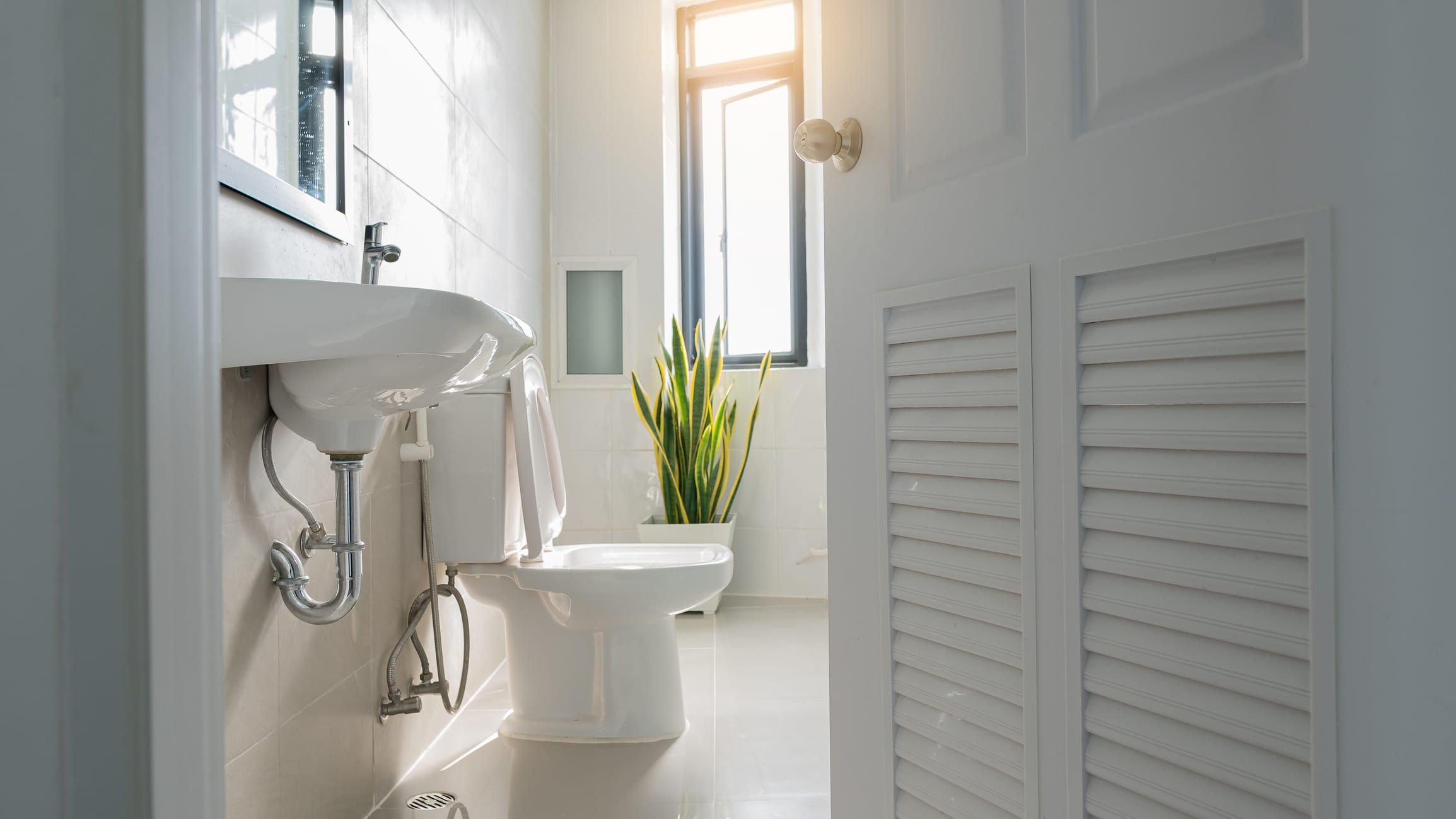
The gurgling sound you’re hearing from your toilet is the sound of air being forced through water. Under normal conditions, water and waste flow freely down your drain pipes, and air enters the system through roof vent pipes to equalise pressure. When something disrupts this balance, either by blocking the flow of water or restricting the entry of air, the system has to compensate. That compensation creates the gurgling sound as air is pushed or pulled through the water sitting in the toilet trap.
- Normal drain function: Water flows freely, air flows in through the vent, pressure stays balanced, and everything is silent.
- Disrupted drain function: A restriction somewhere in the system creates a pressure imbalance. Air finds the nearest available path, which is often back through the toilet trap, producing the gurgle.
- Why the toilet specifically: The toilet often shows symptoms first because it has the largest trap and is usually the lowest fixture in the drain system, meaning pressure changes tend to be most noticeable there.
Air Displacement Around a Blockage
The most common cause of a gurgling toilet is a partial blockage somewhere in the drain system. This might be in the toilet trap itself, in the branch drain pipe connecting the toilet to the main line, or in the main drain line shared by all the fixtures in the house.
- Toilet trap blockage: A buildup of waste, paper, or foreign objects in the toilet trap creates a restriction. Water has to squeeze past the obstruction, displacing air back up through the bowl. You’ll typically see slow flushing alongside the gurgling.
- Branch pipe blockage: A partial blockage in the pipe connecting your toilet to the main drain line affects drainage from the toilet but may not affect other fixtures in the house. Gurgling occurs after flushing as water fights through the restriction.
- Main drain line blockage: This is the more serious scenario. If the blockage is in the shared main drain, you’ll hear gurgling from the toilet when you run the shower, flush a different toilet, or run the washing machine. Multiple fixtures showing symptoms at the same time is a strong indicator the main drain is involved.
- Common blockage culprits: Accumulated wipes (including so-called “flushable” wipes, which do not break down the way toilet paper does), hair, grease that has solidified in the pipe, or mineral scale buildup in older pipes are the usual causes. In Melton and Bacchus Marsh, older homes with clay or cast iron drain pipes can develop significant scale over time.
A Blocked or Partially Blocked Vent Pipe
Every household drain system in Australia is required to have vent pipes. These extend from the drain system up through the roof and open to the outside air. Their job is to allow air into the drain system, which is what enables water and waste to flow freely. Without adequate venting, draining water creates a partial vacuum that pulls air through the nearest water trap, including the toilet trap, making that distinctive gurgling sound.
- What blocks vent pipes: Leaf debris, bird or possum nests, dead animals, tennis balls, and collapsed or damaged sections of the vent pipe are all common causes. On older homes in the Melton and Bacchus Marsh area, clay vent stacks can fracture or become partially crushed by tree roots or soil movement.
- How to tell if the vent is the problem: Vent blockage tends to produce gurgling across multiple fixtures, not just the toilet. If you hear gurgling from the sink, shower, or laundry drain as well, the vent is a likely suspect. The gurgling often occurs during or after heavy water usage throughout the house.
- Slow drainage alongside gurgling: A blocked vent creates negative pressure in the drain system. In addition to gurgling, this negative pressure slows drainage generally, which is why drains seem to take longer to clear when a vent is blocked.
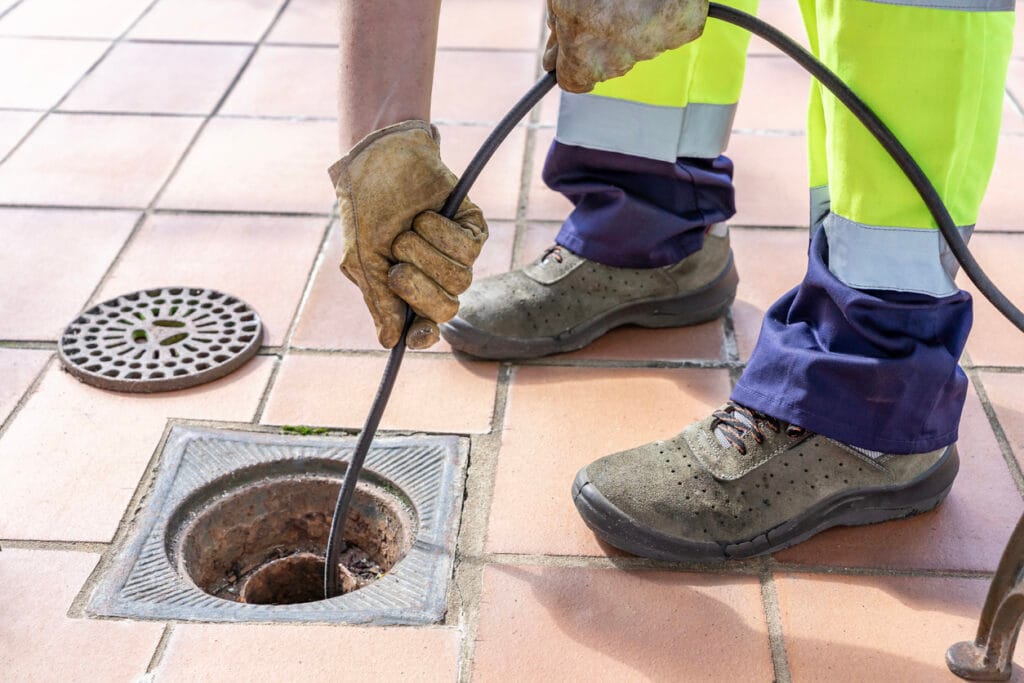
- The fix: Vent pipe clearing typically involves a plumber using a drain snake or high-pressure jetting from the roof. A full inspection of the vent stack may be necessary on older homes to rule out structural damage rather than just surface blockage.
Tree Root Intrusion
Tree root intrusion into sewer lines is a significant issue across Melton and Bacchus Marsh, where established trees in residential areas send their roots into the ground in search of moisture and nutrients. A drain pipe with even a hairline crack is enough for fine roots to enter. Once inside, they grow and branch, progressively restricting the flow through the pipe.
- How roots cause gurgling: Roots that have partially entered the sewer line restrict flow. When waste and water try to push through the restriction, they displace air back through the nearest fixture, which is typically the toilet. Gurgling from multiple fixtures simultaneously is common with root intrusion in the main sewer line.
- Other signs of root intrusion: Slow drainage across multiple fixtures, recurring drain blockages that seem to clear with jetting but return quickly, sinkholes or unusually green patches of grass over the sewer line in the yard, and a sewage smell from drains or the yard are all indicators.
- Trees most commonly associated with root intrusion: Willow, gum, liquidambar, olive, and fig trees are among the worst offenders. However, any established tree within several metres of a sewer line carries the potential for root intrusion, regardless of species.
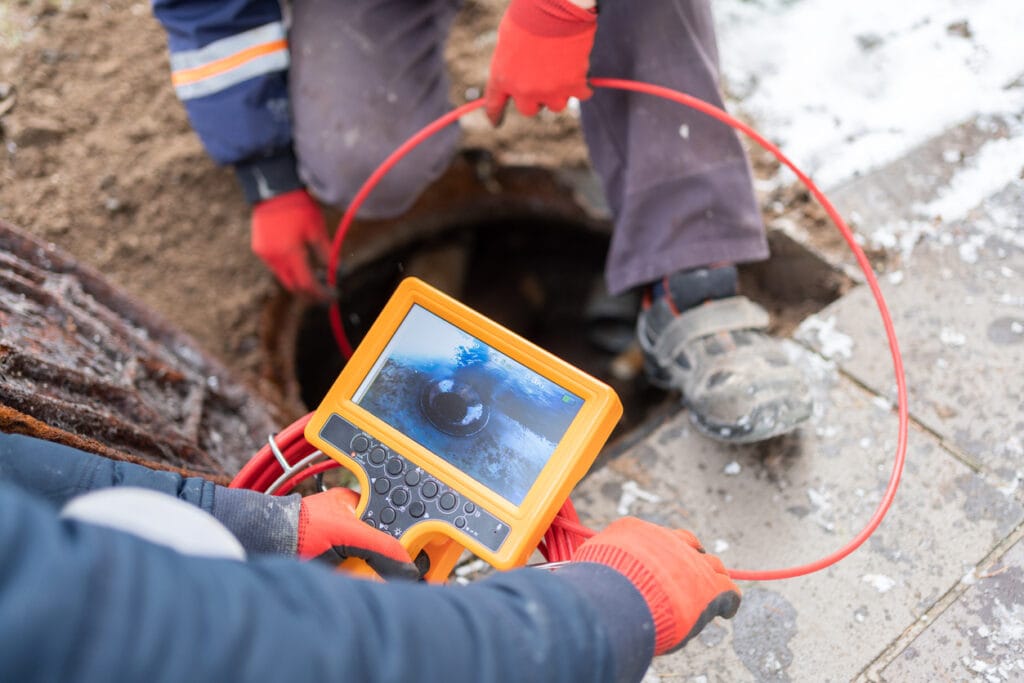
- Diagnosis: A drain camera inspection is the only way to confirm root intrusion. The camera is fed through a drain access point and transmits live footage of the inside of the pipe, showing exactly where roots have entered and how severely the pipe is affected.
- Treatment options: Depending on the severity, options range from high-pressure root cutting and jetting, to pipe relining (inserting a structural liner inside the existing pipe to seal cracks and block re-entry), to full pipe replacement in cases of severe damage. Root cutting alone is a temporary measure; the roots will regrow unless the entry point is sealed.
Drain Pipe Issues in Older Homes
Many homes in parts of Melton and Bacchus Marsh were built several decades ago, and the drain pipes in these properties may be approaching or past their design life. Older clay, cast iron, or early PVC pipe can develop issues that contribute directly to gurgling and poor drain performance.
- Pipe sag or belly: If a drain pipe loses its gradient due to soil movement, poor original installation, or pipe degradation, water no longer flows downhill consistently. It pools in the low point, reducing the effective diameter of the pipe and causing gurgling as drainage struggles past the pooled water.
- Cracked or fractured pipes: Cracks allow roots to enter but also allow groundwater to enter during wet conditions. Excess water in the drain system from infiltration can cause pressure fluctuations that produce gurgling.
- Joint failure: In clay pipe systems, individual pipe sections are joined with rubber seals or mortar. These joints can fail over time, allowing roots in and causing offset joints that create restrictions in the pipe.
- Cast iron scale: Cast iron pipes develop a rough interior surface as they corrode, which traps debris and reduces the effective internal diameter over time. This scaling can cause persistent slow drainage and gurgling well before the pipe itself fails.
When to Call a Plumber
Not every gurgle requires an emergency call-out, but some situations shouldn’t wait. Knowing the difference protects your home and your budget.
- Call same day: If multiple fixtures are gurgling simultaneously, if you notice sewage backing up into the shower or laundry when you flush the toilet, if there’s a sewage smell inside the house, or if the toilet is gurgling and not flushing properly.
- Schedule a visit within the week: If the gurgling is occasional, occurs only in the toilet after flushing, and there are no other symptoms affecting drainage speed or other fixtures.
- Don’t wait if: The gurgling has been happening for more than a few days without improvement, or if it’s getting more frequent. A partial blockage that causes gurgling today can become a full blockage within days, especially if tree roots are involved.
- What to expect from a plumber: A plumber Bacchus Marsh will first assess which fixtures are affected and whether the issue is isolated to the toilet or involves the main drain. They may use a drain camera to inspect the inside of the pipes, or perform a drain test to confirm whether the vent system is functioning correctly.
Conclusion
A gurgling toilet is your drain system signalling that something is off. It might be a minor local blocked drain Melton, or it might be the early warning sign of a main drain failure or significant root intrusion. The noise itself doesn’t tell you which, and guessing wrong can mean wasted money on a temporary fix while the real problem continues to develop underneath. Getting a proper diagnosis, whether that’s a visual assessment or a drain camera inspection, is the only way to know what you’re actually dealing with.
New Image Plumbing and Gas services Melton, Bacchus Marsh, and the surrounding western suburbs. If your toilet has been gurgling, don’t wait for the backup. Call us at 0489 246 667 or reach out through the online form and we’ll come out, assess the system properly, and tell you exactly what’s causing it and what it’ll take to fix it for good.
Frequently Asked Questions
My toilet gurgles after I flush. Is that different to it gurgling when I run the shower?
Yes, and the difference is significant. Gurgling only after flushing the toilet suggests the restriction or issue is local to the toilet’s own trap or the branch drain serving it. Gurgling when you run a completely different fixture, like the shower or washing machine, suggests the issue is further down the system, typically in the shared main drain line or the vent stack. Both need investigation, but the second scenario is generally more serious and more urgent.
Can I use drain cleaner to fix a gurgling toilet?
Chemical drain cleaners can break down some organic blockages, such as hair and grease, if the blockage is close to the fixture. They won’t fix a vent blockage, root intrusion, a pipe belly, or a blockage in the main drain line. For a gurgling toilet, the cause needs to be identified first before any treatment is applied. Pouring chemicals into a drain without knowing what’s causing the problem can damage older pipe materials and doesn’t address anything structural.
How often should I have my drains inspected to avoid problems like this?
For most homes, having a plumber inspect the drain system every five years or so is a reasonable baseline. If you have established trees near your sewer line, have experienced previous blockages, or live in an older property with clay or cast iron pipes, more frequent inspection, perhaps every two to three years, is worth considering. A drain camera inspection is not expensive relative to the cost of dealing with a major blockage or pipe failure after the fact.
Is gurgling from a toilet after heavy rain a separate issue?
It can be. After heavy rain, groundwater can infiltrate cracked or damaged drain pipes, increasing the volume of water the drain system has to handle. This can cause pressure changes and gurgling, particularly in older clay or cast iron pipes. If your toilet only gurgles after significant rainfall, it’s worth having the pipes inspected for cracks or joint failures that are allowing groundwater in. In some cases, the gurgling after rain also indicates that stormwater connections have been incorrectly connected to the sewer system, which is a regulatory issue that needs to be rectified.