One of the most persistent and frustrating plumbing problems homeowners face is repeated tree root blockages. You call a plumber Melton, the roots get cleared, and twelve months later the same drain is blocked again. The cycle costs money every time it repeats, and while you’re paying for the same job over and over, the underlying pipe damage continues to worsen. Pipe relining breaks that cycle — permanently.
This article explains exactly how tree roots get into your drains, why clearing them alone is never a long-term fix, and how pipe relining protects properties from root intrusion for decades.
Why Roots Keep Coming Back
Tree roots don’t enter drain pipes by chance. They’re actively seeking moisture, and your pipes are a constant source of it. Understanding how they get in is the first step to understanding why the problem keeps returning.
How Roots Find Their Way In
- Cracks in the pipe wall — Over time, clay, concrete, and even PVC pipes develop hairline cracks from ground movement, soil pressure, and age. These cracks release moisture, which roots detect and follow.
- Open pipe joints — Older pipe systems use rubber ring joints or cement-sealed joints between sections. As the ground shifts and pipes settle, these joints can open slightly, creating a gap just large enough for fine root hair to enter.
- Deteriorating pipe ends — At inspection points and junctions, pipe ends can degrade over time, particularly in clay systems common in older homes.
Once a root tip enters a gap or crack, it draws in water and grows. The root mass expands rapidly inside the pipe, catching debris and building a blockage. Left long enough, a healthy root mass can completely fill the pipe diameter and cause significant structural damage.
Why Clearing Doesn’t Fix the Problem
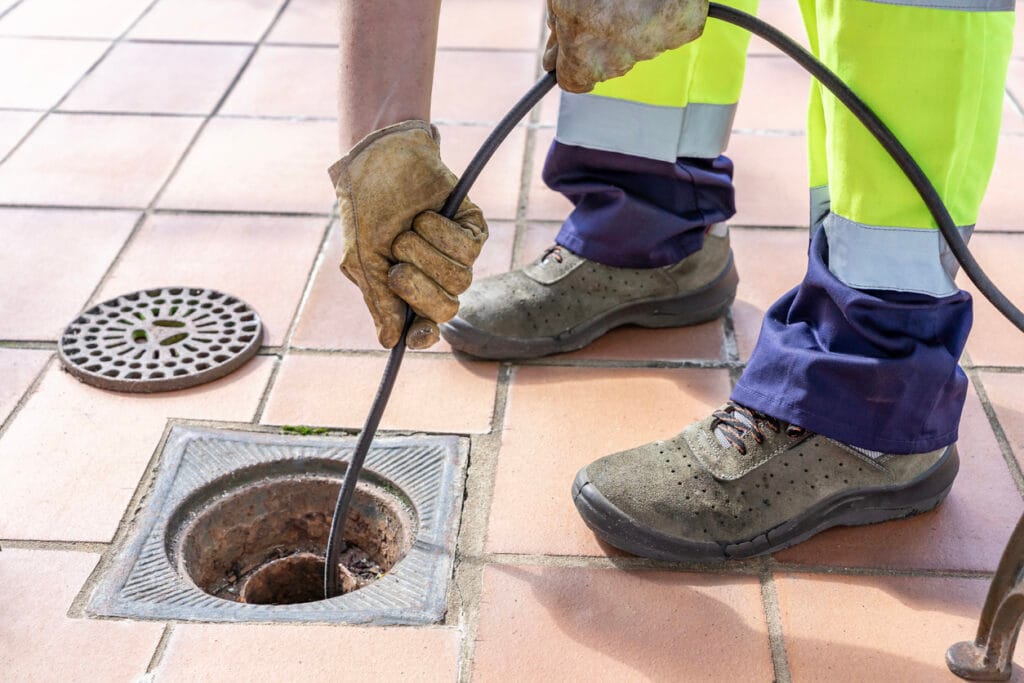
When a plumber uses a drain machine or hydro jet to clear tree roots, they’re removing the root mass that has grown inside the pipe. What they’re not fixing is the crack or open joint the roots used to get in.
After clearing:
- The root stumps remain at the point of entry
- The crack or gap is still open
- The pipe still releases moisture from the same point
- Roots regrow toward the same water source through the same entry point
Depending on tree species and soil conditions, roots can return through a cleared pipe within six to eighteen months. In areas where established native trees like eucalypts and acacias are common in residential blocks, root regrowth can be particularly aggressive due to the trees’ extensive, moisture-seeking root systems.
How Pipe Relining Stops the Cycle
Pipe relining in Melton is a no-dig repair method that installs a new structural liner inside the existing pipe. Once the liner cures, it forms a rigid, seamless tube within the original pipe — effectively creating a brand new pipe inside the old one.
The Relining Process Step by Step
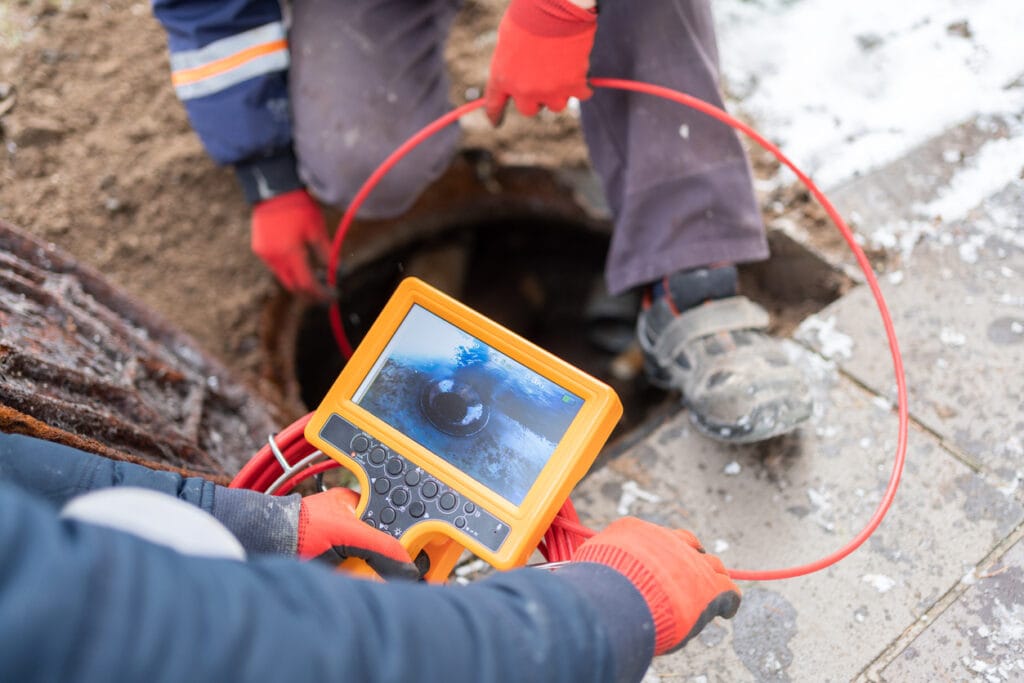
- CCTV inspection — A camera is inserted to assess the condition of the pipe, identify crack locations, and confirm the pipe is suitable for relining.
- High-pressure water jetting — The pipe is thoroughly cleaned and all root material is removed before lining. No liner goes in over a dirty pipe.
- Liner preparation — A felt liner tube is saturated with two-part epoxy resin, which is activated when exposed to heat or UV light depending on the system used.
- Liner insertion and inflation — The liner is pulled or pushed into position inside the host pipe and inflated with a bladder so the resin-saturated liner presses firmly against the pipe wall.
- Curing — The resin cures and hardens, typically within one to four hours depending on the curing method. The result is a solid, jointless tube bonded to the inside of the original pipe.
- Post-inspection — A final camera run confirms the liner is correctly installed and sealed throughout its length.
What the Liner Actually Does to Stop Roots
Once cured, the liner creates a smooth, seamless internal surface across the entire relined section. Every crack is covered. Every open joint is sealed. Every gap the roots were exploiting no longer exists. Roots on the outside of the pipe continue to grow — relining doesn’t kill the tree or affect the root system in the soil. But those roots now have no entry point into your drain. They have nothing to grip, nowhere to grow inside the pipe, and no moisture signal coming from the sealed section to follow.
Does the Tree Need to Be Removed?
This is one of the most common questions homeowners in Melton and Bacchus Marsh ask. The short answer is: not necessarily.
If the pipe damage was caused by root intrusion and relining can successfully seal that damage, tree removal becomes a personal preference rather than a plumbing necessity. The liner protects the pipe from the roots — the approach shifts from removing the source of the problem to containing its ability to do damage.
Many homeowners choose to keep their established trees after relining. Mature trees add property value, shade, and character to a home. Removing them is disruptive, expensive, and sometimes requires council approval in areas with significant tree canopy.
The considerations for tree removal post-relining are:
- Junction points — If there are unlined sections of pipe connecting to the relined section, roots can still enter through those unlined areas. Your plumber Bacchus Marsh can advise whether the full run needs addressing.
- Structural damage — In some cases, root intrusion has already caused significant structural damage to the pipe beyond what relining alone can address. This is why the pre-lining CCTV inspection is critical.
- Tree proximity — A large tree with an extensive root system sitting directly over a drain run increases long-term risk if any section of the run is left unlined.
How Long Does the Root Protection Last?
A properly installed pipe liner is rated to last 50 years or more under normal operating conditions. The epoxy resin used in modern relining systems is highly resistant to chemical attack from household wastewater, and the liner itself is flexible enough to handle minor ground movement without cracking.
For the full lifetime of the liner, the sealed sections of your pipe are protected against root re-entry. This is not a temporary fix or a patch — it’s a structural repair that’s engineered to outlast most other elements of a residential plumbing system.
For homeowners who have been paying for annual root clearing, the maths are straightforward. A drain clear might cost $250 to $450 each time. A relining job pays for itself within a few clearing cycles and then delivers decades of protection at no further cost.
Conclusion
Repeated tree root blockages aren’t a maintenance issue you just have to live with. They’re a sign that your pipe needs a structural repair, not another temporary clear. New Image Plumbing and Gas provides pipe relining services for homeowners across Melton and Bacchus Marsh. We start with a thorough CCTV inspection to show you exactly what’s happening inside your pipes, explain your options clearly, and deliver a lasting fix that removes root intrusion as a recurring problem. Call us today at 0489 246 667 or submit our online form to book your drain inspection and find out whether pipe relining is the right solution for your property.
Frequently Asked Questions
How long does it take for roots to re-enter a drain after clearing?
It varies depending on tree species, the size of the crack, and local soil conditions. In Melton and Bacchus Marsh, where eucalypts and other moisture-seeking species are common, roots can regrow through a cleared pipe within six to twelve months. Some homeowners see blockages return even sooner. Clearing removes the obstruction but leaves the entry point open, so regrowth is inevitable until the crack is permanently sealed through relining or pipe replacement.
Does relining kill the roots already inside the pipe?
The relining process includes high-pressure cleaning before the liner goes in, which removes the existing root mass from inside the pipe. The liner then bonds over the cracks and joints the roots used to enter. Any residual root material trapped between the liner and the host pipe is cut off from moisture and nutrients and dies off naturally over time without any further action required.
Can roots enter the pipe again after relining if the liner develops a crack?
A correctly installed epoxy liner is highly resistant to cracking under normal conditions. The liner is engineered to flex with minor ground movement and is rated for decades of service. The most realistic risk of future root intrusion after relining is at junction points where an unlined section of pipe connects to the relined section. Your plumber can assess whether the full run needs to be addressed to close every potential entry point.
Is pipe relining more cost-effective than repeated root clearing?
Yes, over the long term. A drain that requires clearing every six to twelve months generates ongoing plumbing costs indefinitely. A one-time relining job removes the root entry point permanently and is backed by a liner warranty. The break-even point compared to repeated clearing costs is typically reached within two to four years for a frequently blocked drain, and protection continues for decades beyond that.
Can I use chemical root killers instead of relining?
Root-killing chemicals can slow regrowth temporarily, but they do not seal the crack that roots entered through. The crack remains open, moisture continues to attract roots, and regrowth will occur again once the chemical effect wears off. Some products also carry risks to garden soil and require careful handling. They’re a short-term management tool, not a solution. For a permanent result, sealing the pipe through relining is the only approach that addresses the actual cause of the problem.