Pipe relining has transformed how drain and sewer repairs are carried out across residential properties in Victoria. The ability to rehabilitate a damaged pipe from the inside, without excavating the yard, breaking up the driveway, or disturbing established gardens, has made it one of the most valued plumbing technologies available today. But pipe relining is not the right solution for every situation, and a plumber Melton who recommends it without first ruling out its limitations is not giving you honest advice. For homeowners in West Melbourne, understanding when relining works and when it does not can save you time, money, and the frustration of a repair that does not hold. This guide explains the specific conditions that make pipe relining unsuitable, what the alternative approaches are, and why the camera inspection is the non-negotiable starting point for any pipe repair decision.
What Pipe Relining Actually Does
Before covering when relining is not suitable, it helps to understand what the process involves. Pipe relining, or cured-in-place pipe (CIPP) lining, involves inserting a flexible felt liner saturated with resin into the damaged pipe through an existing access point. The liner is then inflated and held against the pipe wall until the resin cures, forming a new structural pipe within the old one. The result is a smooth, jointless pipe that is resistant to tree root intrusion and has a service life typically warranted at 50 years.
The process works well for:
- Cracked or fractured pipe sections that still maintain their round cross-section
- Joint failures in clay, concrete, or PVC pipework
- Minor root intrusion where the pipe structure is largely intact
- Pipes running under concrete slabs, driveways, paths, and landscaping where excavation would be highly disruptive or expensive
- Pipes that have aged and become permeable or porous but remain structurally present
When these conditions exist, relining is a faster, cleaner, and often more cost-effective repair than excavation and replacement. But when the pipe damage falls outside these parameters, a different approach is needed.
When the Pipe Has Collapsed
A pipe that has collapsed entirely has no structural form remaining for the liner to conform to and bond against. The liner needs to be pressed uniformly against a pipe wall that still exists and retains a roughly circular shape. Where sections have caved in, buckled, or are missing entirely, the liner cannot bridge the gap in a way that creates a reliable new structure.
- What a collapse looks like on camera: The camera feed shows the pipe section narrowing to a near-complete obstruction, or the camera cannot pass through at all. The pipe wall is no longer visible as a continuous surface.
- What the alternative is: The collapsed section must be excavated and replaced with new pipe. In some cases, only the collapsed section is replaced, and the remaining intact pipe on either side is then relined to create a seamless connection between old and new.
- Can relining stabilise a partial collapse? In some cases of partial collapse, point relining can reinforce the affected section before the damage worsens. However, there is a threshold beyond which the pipe has lost too much of its circular cross-section for the liner to be pulled through and inflated properly. The camera inspection determines which side of that threshold the pipe sits on.
When the Pipe Is Severely Deformed
Even without a complete collapse, pipes can deform significantly over many years in response to soil movement, root pressure, or sustained loading from above. This is relevant in Melton and Bacchus Marsh, where new estate developments often involve clay-heavy soils that shrink and swell seasonally, placing lateral stress on buried pipework.
- Oval deformation: A pipe that has been compressed into an oval shape rather than remaining circular may not accept a liner correctly. The liner inflates against a round form; if the pipe is significantly out of round, the liner will not make full contact with the pipe wall, leaving voids where the resin does not bond. These voids become future failure points.
- Belly sections: A belly is a low-lying section of pipe that sags below the normal drainage gradient. Water and solids pool in belly sections rather than flowing through, creating ongoing blockage and odour issues. Relining can seal cracks and joints in a belly section but cannot correct the drainage gradient itself. If the belly is causing chronic blockage, the pipe section needs to be replaced and re-graded.
- What the camera shows: An oval cross-section, an area of pooled water that the camera cannot pass through, or a visible change in the pipe’s slope relative to the preceding section.
When the Joints Are Too Far Offset
Traditional clay drain pipes are laid in sections that join at the ends with a rubber or mortar seal. Over decades, ground movement can cause these joints to shift, with one pipe section sliding laterally or vertically relative to the next. This is called joint offset or joint displacement.
- Minor offset: Small amounts of joint offset, typically less than 25 to 30% of the pipe diameter, can usually be spanned by pipe relining Melton. The liner is flexible enough to bridge this gap and bond on both sides.
- Major offset: Where joints have shifted significantly, the liner cannot navigate the bend required to pass from one pipe section into the next. Attempting to force a liner through a severely offset joint risks the liner becoming stuck or failing to bond at the offset point.
- Location matters: Older Bacchus Marsh properties with original clay sewer lines are more likely to have offset joints due to the age of the pipes and the seasonal movement of clay soils. A camera inspection will show the degree of offset at each joint so this can be factored into the repair decision.
When the Pipe Is Too Confined or Access Is Insufficient
Relining equipment needs to be pulled or inverted into the pipe through an access point, and the equipment itself has minimum dimension requirements. In most residential applications, standard 100mm and 150mm sewer pipes are well within the equipment’s capability. However, there are edge cases where access constraints create practical difficulties.
- Short pipe sections: Very short lengths of pipe between two access points can be difficult to reline effectively. The liner needs enough length to seat properly at both ends.
- Unusual configurations: Pipes with multiple bends in quick succession, very tight radius bends, or non-standard configurations that the equipment cannot navigate may require excavation rather than relining.
- Access point location: If the only available access point is not positioned appropriately to allow the liner to be introduced from the correct end, additional access points may need to be created, which adds to the cost.
- When to confirm this: The camera inspection maps the pipe configuration and identifies any access constraints before relining is attempted. A plumber should never attempt to reline a section without first confirming access is suitable.
When the Pipe Material Is Incompatible
Most pipe materials used in Australian residential drainage are suitable for relining, including clay, concrete, cast iron, and PVC. However, there are specific situations where the pipe material creates a compatibility issue.
- Heavily corroded metal pipes: In some cases, cast iron pipes that are heavily corroded may not provide a consistent surface for the resin to bond to. The corrosion creates an irregular, flaking surface that can compromise the liner’s adhesion.
- Very old lead pipes: Lead pipework, present in some of Victoria’s oldest properties, can have a surface chemistry that affects resin bonding. This is rare in residential drain systems (lead was more commonly used in water supply lines) but worth noting.
- Asbestos cement lines: Asbestos cement pipes require specific handling procedures. Relining is sometimes possible but requires specialist assessment. Any disturbance or cutting of asbestos cement pipe must follow WorkSafe Victoria’s regulations for licensed removal.
- How this is identified: Material compatibility issues are typically identified during the camera inspection and, in ambiguous cases, by a review of the property’s age, original construction records, and the visual appearance of the pipe wall in the camera footage.
The Non-Negotiable Role of the Camera Inspection
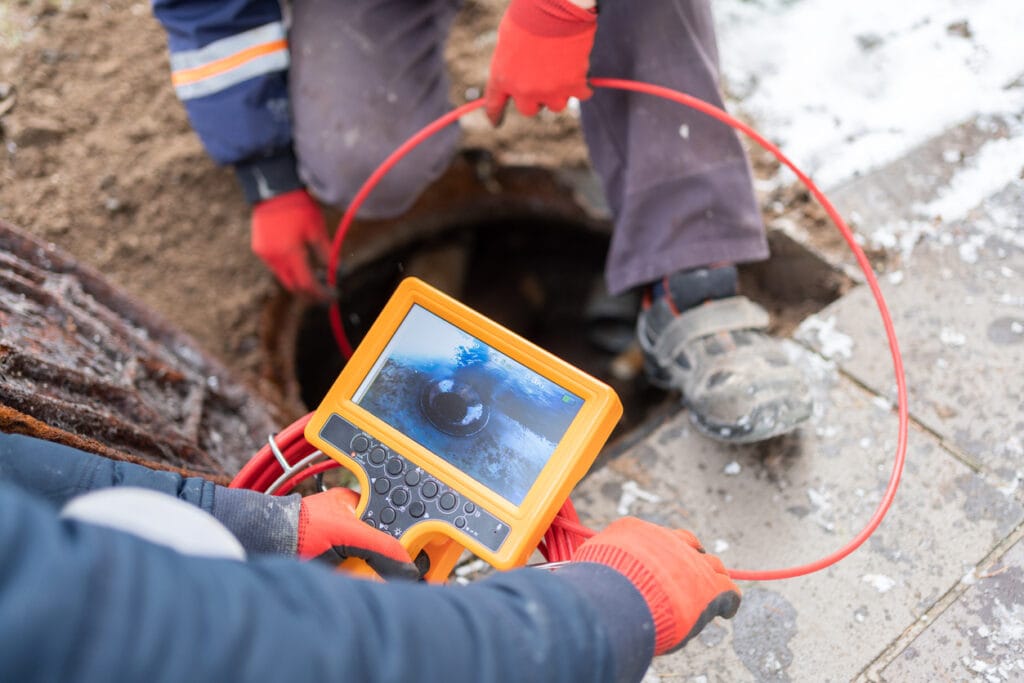
Every point on this list, every determination of whether relining is or is not suitable, depends entirely on the findings of a CCTV drain camera inspection. This is not a formality or an upsell. It is the only way to know what is actually happening inside the pipe.
- What the camera records: The condition of the pipe wall, the type and severity of any cracks or fractures, the degree of root intrusion, the pipe material, the alignment and offset of joints, the presence of belly sections, and the overall cross-sectional shape of the pipe.
- What you receive: The camera footage should be made available to you so you can see the condition of your pipe directly. Any plumber recommending either relining or excavation should be able to show you the footage that supports that recommendation.
- The right question to ask any plumber: “Can you show me the camera footage that explains why you are recommending this repair method?” If the answer is no, or if no camera inspection was carried out, get a second opinion.
New Image Plumbing and Gas carries out CCTV drain inspections before recommending any pipe repair method across Melton and Bacchus Marsh. We do not recommend relining without camera evidence that the pipe is suitable, and we do not recommend excavation without camera evidence that relining cannot achieve a reliable result. Our job is to fix your pipe correctly, and that means being honest about which method is appropriate for your specific situation.
When Excavation Is the Right Answer
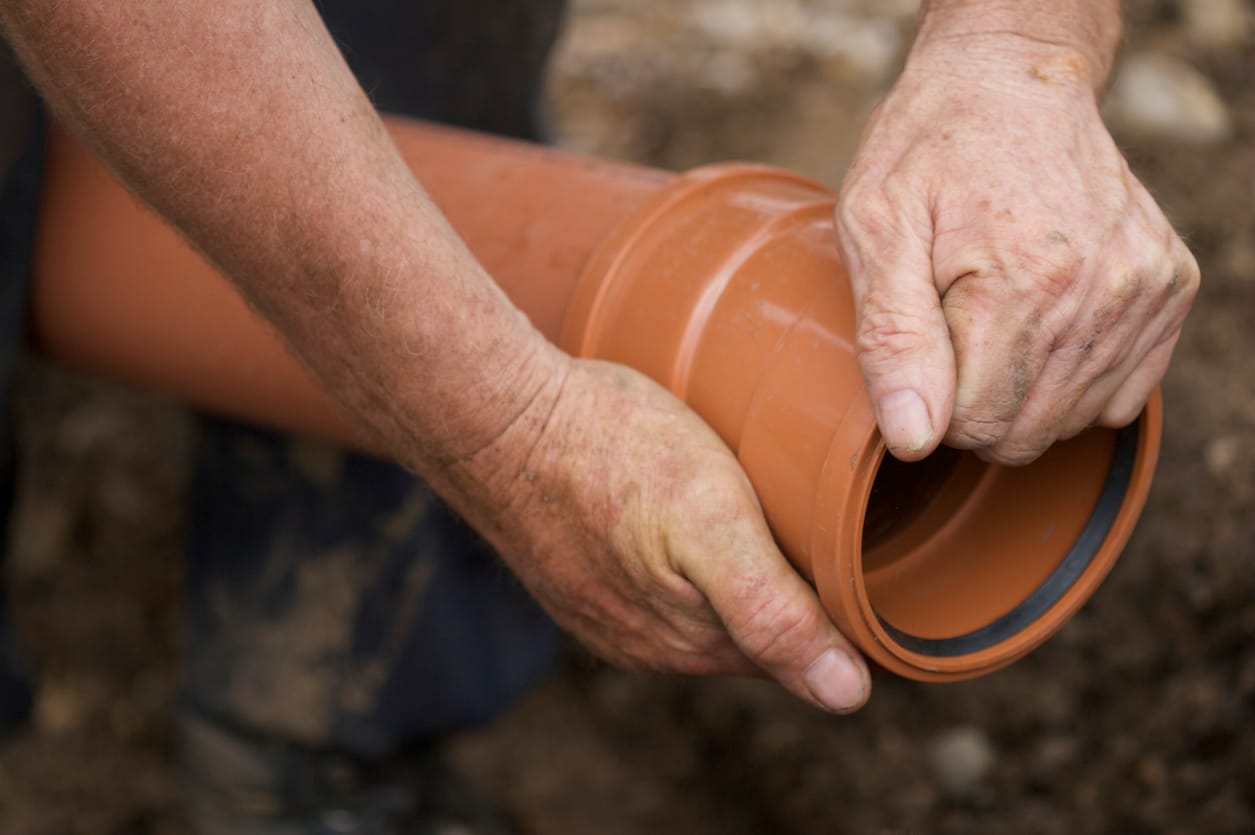
Pipe excavation and replacement is not a last resort or a failure. For the situations described above, it is the correct, long-term solution that resolves the underlying problem properly. Modern excavation techniques minimise disruption where possible:
- Targeted point excavation: Where only one section of the pipe needs replacement, the excavation is limited to that specific area. The repaired section can then be connected to intact pipe on either side, which may itself be relined to provide a complete rehabilitation.
- Reinstatement quality: A good plumber will restore the ground surface, whether concrete, paving, or lawn, to a standard that minimises the visible evidence of the excavation.
- Certificate of Compliance: Sewer drain replacement work in Victoria requires a Certificate of Compliance issued by the licensed plumber. This documents the work completed and is important for property records.
Conclusion
Pipe relining is a genuinely excellent repair method when the pipe condition makes it suitable. When the pipe has collapsed, is severely deformed, has heavily offset joints, or presents access or material compatibility problems, relining will not deliver a reliable long-term result, and proceeding with it anyway does a disservice to the homeowner. The honest answer in those situations is excavation, targeted replacement, or a combination of both.
If you have been told you need a pipe repaired, and you want an assessment you can trust, contact New Image Plumbing and Gas on 0489 246 667 or submit our online form. We carry out CCTV drain camera inspections, explain what we find in plain language, and recommend the repair method that is genuinely right for your pipe, not just the one we prefer to carry out. Same-day inspections are available, and we provide a clear quote before any work begins.
Frequently Asked Questions
If a pipe is partially collapsed, is there any option other than excavation?
In some cases of partial collapse, point relining can stabilise the affected section before the damage worsens. However, if the pipe has lost its circular cross-section beyond a certain threshold, the liner cannot be pulled through or inflated properly against the remaining pipe wall. A camera inspection is the only reliable way to assess how far the collapse has progressed and whether any non-dig solution remains viable. If the camera confirms the section is too far gone, targeted excavation and replacement of that section is the appropriate path, after which the surrounding intact pipe can still be relined.
How much more expensive is pipe replacement than pipe relining?
Excavation and pipe replacement tends to be more expensive than relining when access is difficult, when pipes run under concrete slabs, driveways, or established landscaping, or when significant reinstatement work is required afterward. However, if the pipe runs through open soil in an accessible area, the cost difference may be less significant than expected. The right answer depends on the specific location, depth, and length of pipe involved. This is another reason why a camera inspection and written quote from a plumber who has actually looked at your pipe is essential before making a decision.
Can a plumber tell whether relining is suitable without a camera inspection?
No. Pipe condition can only be accurately assessed through a CCTV drain camera. A plumber who recommends relining or replacement based solely on blockage history, the age of the pipes, or the material used, without physically inspecting the pipe, is making an educated guess at best. The inside of a pipe can look very different from what symptoms at the surface suggest. Always insist on a camera inspection before committing to any repair method, and ask to see the footage.
What happens if relining is attempted on a pipe that is not suitable?
If a liner is attempted on a pipe that is too badly damaged or incorrectly shaped, the liner may not seat uniformly against the pipe wall. This leaves voids, wrinkles, or unbonded sections that become future failure points. In the worst cases, the liner becomes stuck during installation and cannot be retrieved without excavation, making the situation more expensive to resolve than if the correct approach had been taken from the outset. This is why reputable relining contractors will not proceed without confirming suitability through a camera inspection first.
Does pipe replacement require council approval in Victoria?
Significant plumbing work, including sewer drain replacement, requires the licensed plumber to issue a Certificate of Compliance under the Plumbing Regulations 2018 (Victoria). Works that involve disturbing a public footpath, nature strip, or council-controlled road reserve may also require a permit from the local council, such as Melton City Council or Moorabool Shire Council for Bacchus Marsh properties. Your plumber will advise you on which approvals apply to your specific job before any excavation begins, and will manage the compliance documentation as part of the work.